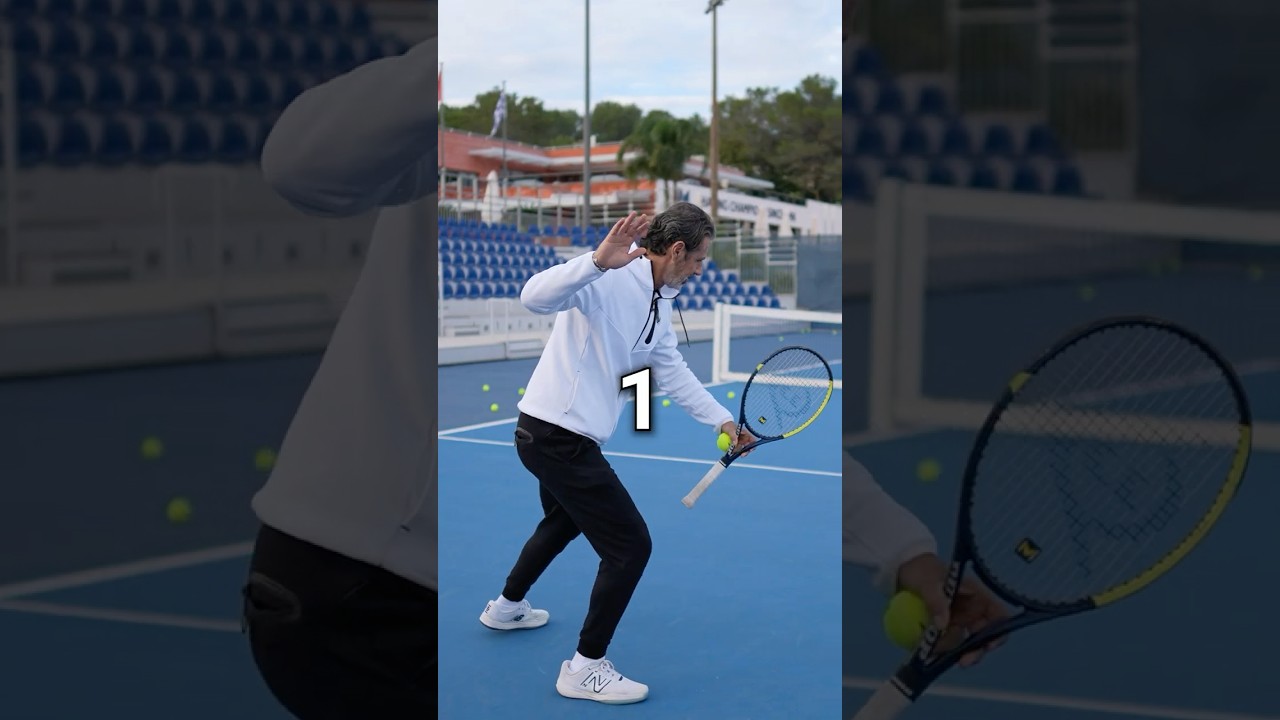
Master Your Tennis Forehand Weight Transfer: 3 Simple Drills! 🎾🇮🇳
In the vibrant tennis community across India—from the clay courts of Chennai to the hard courts of Delhi—every aspiring player dreams of a "weapon" forehand. While many focus on grip or swing speed, the true secret to explosive power lies beneath your waist. Mastering your tennis forehand weight transfer is the difference between an effortless winner and a ball that finds the net.
If you feel like your shots lack "depth" or you are muscling the ball with just your arm, these three simple drills will help you use the ground to your advantage.
Why Weight Transfer Matters
In tennis, power is generated from the ground up (Kinetic Chain). Proper weight transfer ensures that your body weight moves forward through the ball, rather than falling backward or staying static. For players in India, where courts can vary in bounce and speed, having a stable base and forward momentum allows you to control the point effectively.
Drill 1: The "Step-In" Shadow Swing
This is the foundation of a classic neutral stance forehand. Most beginners in India tend to stay flat-footed. This drill fixes that.
- How to do it: Stand in your ready position. As you turn your shoulders (unit turn), deliberately step forward with your non-dominant foot (left foot for right-handers).
- Focus: Ensure your weight shifts from your back leg to your front leg before you complete the swing.
- Result: This builds the habit of moving into the court, making your shots much heavier for your opponent to return.
Drill 2: The "Back-Leg Kick" Drill
Have you noticed how professionals like Sumit Nagal or Novak Djokovic sometimes have their back leg kick out after a big forehand? This isn't just for show; it's a sign of complete weight transfer.
- How to do it: Hit a standard forehand, but as you follow through, allow your back leg to swing around to the front naturally.
- Focus: Do not force the leg; let the momentum of your hip rotation carry it. You should end up facing the net with your back foot now ahead of your starting position.
- Result: This drill ensures you aren't "getting stuck" on your back leg, which is a common cause of short balls.
Drill 3: The Low-to-High Lunging Drill
In the heat of an Indian summer, matches can get exhausting. This drill builds leg strength and forces weight transfer on low balls.
- How to do it: Have a coach or partner feed you low balls. You must drop your back knee close to the ground and "push" forward and upward through the contact zone.
- Focus: Drive your weight from your quads. Imagine you are pushing off a starting block in a race.
- Result: This creates the "topspin" needed to clear the net while maintaining aggressive pace.
Conclusion
Mastering the tennis forehand weight transfer isn't about hitting harder; it's about hitting smarter. By incorporating these three drills—the Step-In, the Back-Leg Kick, and the Low-to-High Lunge—into your weekly practice, you will develop a more consistent and powerful game. Whether you are playing at your local club or competing in an AITA tournament, a solid foundation will always set you apart. Grab your racket, head to the court, and start moving that weight forward!
Frequently Asked Questions (FAQs)
1. Why do I lose balance when I try to transfer my weight?
Loss of balance usually happens because your base is too narrow. Keep your feet at least shoulder-width apart and ensure you are bending your knees to maintain a low center of gravity.
2. Is weight transfer different for an open stance forehand?
Yes. In an open stance, the weight transfer is more "lateral" (side-to-side) and rotational. You load the outside leg and explode upward and forward, rather than stepping into the ball.
3. How often should I practice these drills?
For Indian club players, spending 15 minutes on these drills during your warm-up twice a week is enough to see a significant improvement in your shot depth within a month.
4. Can these drills help prevent tennis elbow?
Absolutely. By using your legs and body weight to generate power, you take the physical strain off your elbow and wrist, significantly reducing the risk of injury.
Subscribe to my channel for more immersive tennis coaching sessions.For even more tips, join my email list 👉 patrick.mouratoglou.comFollow me on social media 👇Instagram: Facebook: TikTok: Twitter: LinkedIn:THE COACH Patrick