Tennis Scoring Rules Explained: A Simple Guide for Beginners in India
Tennis is rapidly gaining popularity across India. From the clay courts of local clubs to the iconic grass of Wimbledon watched on TV, the game is thrilling but can be confusing for a newcomer. If you have ever wondered why the commentator says "Love" instead of zero or why 40 isn't the final point, this guide is for you.
Understanding tennis scores is the first step to enjoying the game, whether you are playing at a local academy in Delhi or tracking Sania Mirza and Rohan Bopanna’s legacy. Let’s break down the system into simple steps.
1. The Four Points: 15, 30, 40, and Game
In a standard game of tennis, the scoring doesn't go 1, 2, 3. Instead, it follows a unique sequence:
- Love: 0 points
- 15: 1 point won
- 30: 2 points won
- 40: 3 points won
- Game: 4 points won (and you win the game)
Note: The server’s score is always called out first. If the server has 30 and the receiver has 15, the score is "30-15".
2. Deuce and Advantage
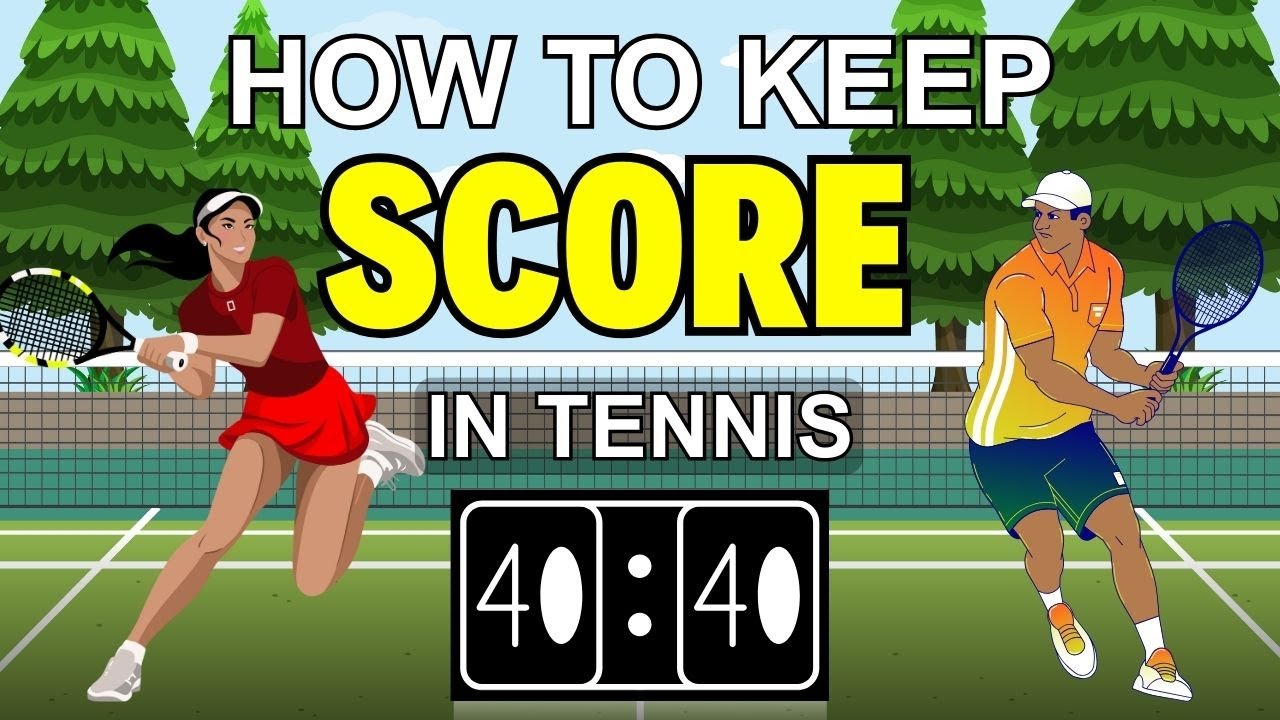
What happens if both players reach 40-40? This is called a Deuce. To win from a deuce, a player must win two consecutive points:
- Advantage: The player who wins the first point after deuce gets the "Advantage."
- If that same player wins the next point, they win the Game.
- If they lose the point, the score goes back to Deuce.
3. From Games to Sets
Tennis scoring is hierarchical. Winning points helps you win a Game, and winning Games helps you win a Set.
- To win a Set, a player must win at least six games.
- There must be a margin of at least two games (e.g., 6-4).
- If the set reaches a 6-6 tie, a Tie-break is played to decide the winner (7-6).
4. Winning the Match
In most professional tournaments (ATP/WTA) and local Indian tournaments:
- Best of Three Sets: The first person to win two sets wins the match. Most women's matches and regular men's matches follow this format.
- Best of Five Sets: Common in Men’s Grand Slams (like Wimbledon or the French Open), where the first to win three sets wins.
Conclusion
While tennis scores might seem complicated at first with terms like "Love" and "Deuce," they follow a logical rhythm once you hit the court. Whether you are practicing your serve in Mumbai or watching a high-stakes match, knowing these rules makes the sport much more engaging. Tennis is a game of mental strength and physical endurance—now that you know the rules, it's time to pick up a racket!
Frequently Asked Questions (FAQs)
1. Why is zero called "Love" in tennis?
The most popular theory is that it comes from the French word "l'oeuf," meaning "the egg," because an egg looks like a zero. Over time, it was anglicized to "Love."
2. What is a "Golden Set" in tennis?
A Golden Set occurs when a player wins a set without losing a single point (24 points to 0). This is extremely rare in professional tennis.
3. Is a tie-break scored differently?
Yes. In a tie-break, points are counted simply as 1, 2, 3, etc. The first person to reach 7 points with a 2-point lead wins the set 7-6.
4. Are tennis rules the same in India as internationally?
Yes, the All India Tennis Association (AITA) follows the International Tennis Federation (ITF) rules, so the scoring is identical globally.
5. What does "All" mean (e.g., 15-All)?
If both players have the same number of points, the score is followed by "All." Example: 15-15 is called "15-All." However, 40-40 is exclusively called "Deuce."
“Love, 15, 30, 40… wait, what?Tennis scoring can feel confusing at first, but once you learn the system, it makes perfect sense.In this video, I’ll walk you through how to keep score in tennis step by step: - Points within a game (Love, 15, 30, 40, Deuce, Advantage) - Games within a set - How tiebreakers work - When to switch sides - The history behind tennis scoring and why it uses such unusual numbersBy the end, you’ll be able to follow any match—whether you’re just starting out, watching the pros, or playing your first match yourself.Watch next: How to Play a Tiebreaker (coming soon) -------------- Want your own Pace S Pro Ball Machine? Use my link below for a discount and to help support the channel:Code for 5% off: Alfred