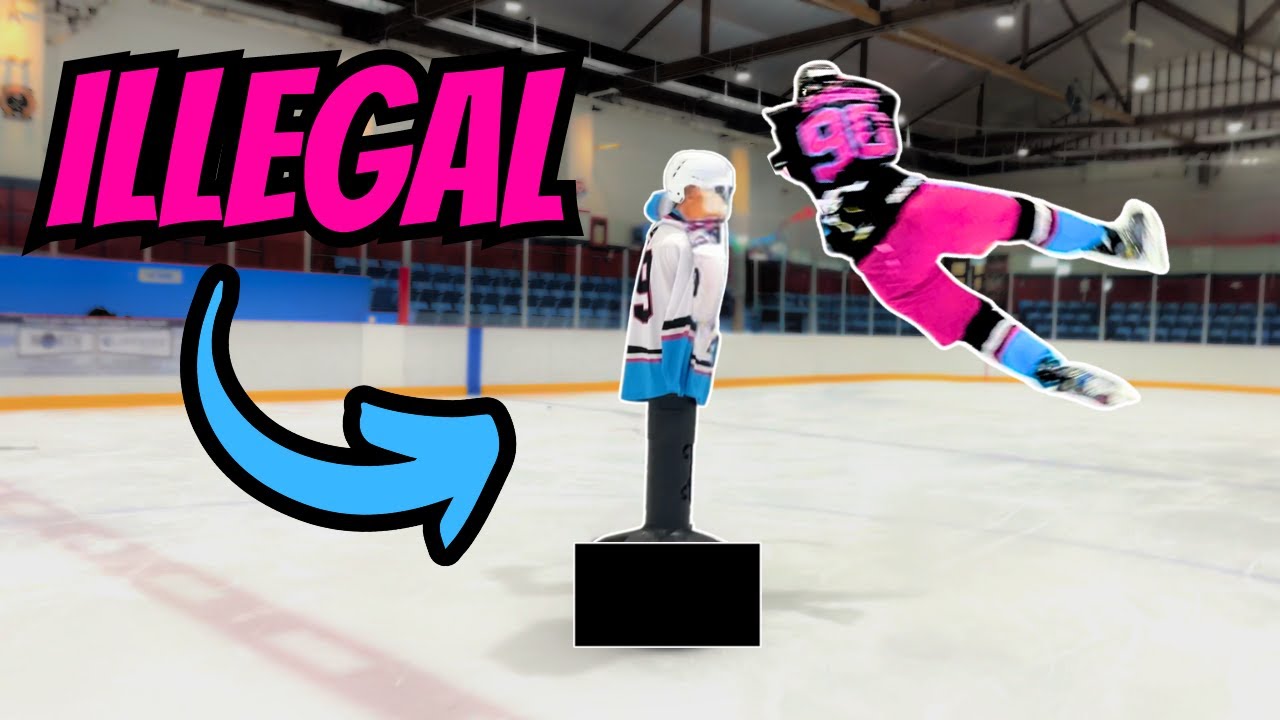
Top 5 Dangerous Illegal Hockey Plays & Penalties Explained (Episode 5)
Ice hockey and field hockey are sports renowned for their speed, intensity, and physical grit. However, there is a fine line between aggressive gameplay and dangerous conduct. In this edition of our series, we dive deep into Episode 5: The Top 5 Dangerous Illegal Hockey Plays, breaking down why these moves are banned and how they impact the game.
For Indian fans and aspiring athletes—whether you're following the NHL or playing in the Hockey India League—understanding these penalties is crucial for player safety and tactical discipline.
1. Boarding: The Danger of Velocity
Boarding is one of the most feared penalties in ice hockey. It occurs when a player pushes, trips, or hits a defenseless opponent into the boards with excessive force. Because the victim often cannot see the hit coming, the risk of concussions, neck injuries, and spinal trauma is high.
The Penalty: Depending on the intensity, boarding can result in a minor (2 mins) or major penalty (5 mins), often leading to a game misconduct if injury occurs.
2. Spearing: Using the Stick as a Weapon
Spearing is a highly unsportsmanlike move where a player stabs an opponent with the blade of their stick. This is viewed as a "malice" foul because it has no place in the flow of the game and is intended solely to cause pain or injury.
The Penalty: High-level officiating usually commands a double-minor or a major penalty, often accompanied by a fine or suspension in professional leagues.
3. High-Sticking (Dangerous Play)
In both field hockey and ice hockey, the stick must be kept below a certain height. In field hockey (popular in India), raising the stick above the shoulder during a tackle or a hit in a crowded area is flagged as a "dangerous play." In ice hockey, any contact made with an opponent above the shoulders with the stick results in a whistle.
The Penalty: In field hockey, this results in a free hit for the opposition or a green/yellow card. In ice hockey, it's an automatic 2-minute minor, or 4 minutes if blood is drawn.
4. Charging: The Illegal Run-up
Charging occurs when a player takes more than three strides to build momentum before checking an opponent, or when a player leaves their feet (jumps) to deliver a hit. The goal is to prevent players from turning themselves into "human missiles," which causes devastating high-speed collisions.
The Penalty: A minor or major penalty based on the severity of the impact.
5. Slew-Footing: The Invisible Trip
Slew-footing is a deceptive and dangerous move where a player uses their foot to knock an opponent's skates/feet out from under them while simultaneously pushing the opponent's upper body backward. This causes the victim to fall violently onto the back of their head or tailbone.
The Penalty: Due to the high risk of head injury, slew-footing often results in an automatic match penalty and potential league suspension.
Conclusion
Safety is the foundation of any great sport. While the physicality of hockey makes it exciting to watch, these five illegal plays—Boarding, Spearing, High-Sticking, Charging, and Slew-Footing—are banned to protect the longevity of the athletes. For players in India, mastering the technical skills of the game without resorting to these dangerous tactics is the mark of a true sportsman.
Frequently Asked Questions (FAQs)
1. Is body checking allowed in Indian Field Hockey?
No. While ice hockey allows body checking in certain leagues, field hockey is a non-contact sport. Any intentional physical pushing or "shoulder-charging" is considered a foul in field hockey.
2. What is the most dangerous penalty in hockey?
Most experts consider Slew-footing and Spearing to be the most dangerous, as they involve deceptive movements that often lead to head injuries or internal trauma.
3. Can a "clean hit" become a boarding penalty?
Yes. If the player being hit is in a "vulnerable position" (e.g., facing the boards with their back turned), even a standard hit can be ruled as boarding because the risk of injury is significantly higher.
4. What happens if a player gets a "Major Penalty"?
In a major penalty (usually 5 minutes), the player must stay in the penalty box for the full duration, even if the opposing team scores multiple goals.
Big thanks to Nags & Tom for joining me for episode #5 of ILLEGAL HOCKEY PLAYS! In this episode we cover 14 more plays you may not know are illegal.Follow Tom on Instagram: Subscribe to Nags: