Formula 1's 2026 energy management reforms have a tight deadline – and the clock is ticking. Three races. Two canceled Grands Prix. One driver is threatening to walk away from the sport he has dominated for half a decade. The big new era is not going according to plan.
The FIA confirmed last week what most of the paddock already knew – the 2026 rules need to be worked on. Following the first round of meetings on 9 April, the governing body issued a statement acknowledging what it diplomatically called "a commitment to make changes to certain aspects of the rules in the field of energy management". Two further meetings are scheduled on 15 and 16 April, before a high-stakes vote on 20 April, where team principals, FIA officials and Formula 1 management will determine what, if anything, changes will be made ahead of the Miami Grand Prix on 3 May.
What happens in that room matters a lot.
Problem in layman's terms
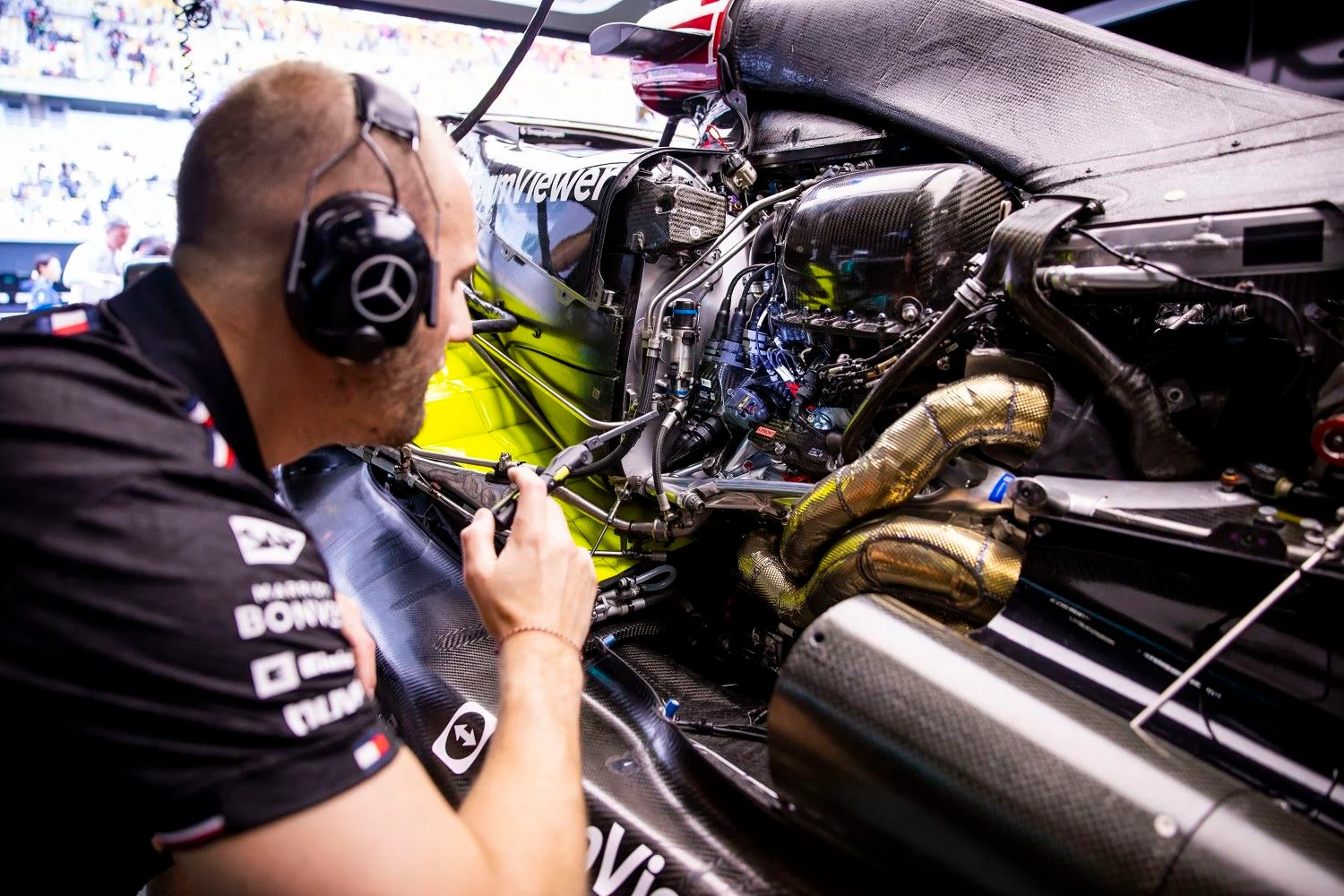
Start with the basics. The 2026 power unit regulations shifted the power balance in these cars to approximately 50-50 between internal combustion engines and battery-electric power. The old MGU-H – the component that used exhaust energy and kept the battery running at high speeds – is gone. It has been replaced by a much more powerful electric motor and much more complex maneuvering.
Since teams cannot produce energy as before, drivers must now create their own opportunities to recharge the batteries. On straight lines, in the braking zone, wherever they can get a moment. The problem is that cars that do this look to anyone looking at them as if they are randomly losing speed for no reason. Super clipping, when the energy management system draws power while the driver still has the throttle pinned, is as strange as it sounds.
Charles Leclerc called it "Mario Kart". Max Verstappen went further, calling it "Formula E on steroids". Lewis Hamilton, whose credits stand out, says the racing is the best he has experienced in the last 20 years. Hamilton isn't wrong about Sunday's race. He is not entirely correct about the qualifying.
Qualification has been the most visible casualty. To manage the battery reserve the cars have to be lifted and parked. They cannot move around high-speed turns like they did before. Drivers are openly dissatisfied with the amount of energy-saving and energy-harvesting tactics required in qualifying the new cars – lifting and coasting, downshifting on the straights, super clipping. An unintended consequence is that they no longer push in high-speed corners. For anyone who grew up watching Schumacher and Senna pass Suzuka's 130R, watching an F1 car slow down before a corner that it used to take without lifting is truly disturbing.
Bearman's accident made it a safety issue

In Suzuka the abstract became very concrete.
Oliver Bearman's Haas was perfectly positioned when Franco Colapinto's Alpine, ahead of him, went into crop mode in mid-corner. When Colapinto's Alpine touched that limit midway through the corner, Bearman faced a car that had effectively dropped anchor on the racing line. "It was a huge overspeed, 50km/h, which is real, you know, it's a part of these new rules and I think we have to get used to it," Bearman said.
He left with a badly injured knee. The impact was 50G. it could be worse.
Verstappen did not say anything about the reason.
"Basically, one guy is stuck completely without power, and then the other one uses mushroom mode. It could be a difference of 50-60 kilometers. Really big."
GPDA President Alex Wurz called for immediate software-level intervention.
"From a safety point of view, we should simply prevent sudden increases in power output at top speed," he said. “This will require software that is the same for all teams.”
McLaren's Andrea Stella had been warning for weeks before Bearman hit the wall that this exact scenario was coming. Haas boss Ayao Komatsu said immediately after the accident: "We can't ignore it." They won't be able to.
What F1 rule changes are really on the table
The April meetings are Formula 1's best attempt to push for meaningful energy management reforms for 2026 before the season goes away entirely.
The most straightforward solution: Increase how much power can be produced during super clipping. Right now, drivers are limited to 250kW when doing this, with 350kW available from lift and coast. If super clipping were increased to the same 350kW limit as Lift and Coast, it would become the preferred route, at least reducing the prevalence of Lift and Coast.
There is also a specific solution to qualify the under discussion, even if it seems counterintuitive. Strict recharge limits are also on the table. Qualifying currently allows nine megajoules of energy recovery per lap. Suzuka was dialed back to 8MJ at the last minute. Some discussions have centered on reducing it to 6 MJ, which would cost lap times but eliminate the frantic energy management scramble that is turning qualifying into a math problem.
Active aero zones are also under discussion. Adjusting where and when Straight Mode can be activated will reduce the speed difference that makes Suzuka dangerous.
What may not be coming yet is any change to the basic 50-50 power split. This is a hardware conversation that engine manufacturers (notably Audi and Honda) who have built their power units around the current regulations will aggressively oppose. Any change in that range is discussion for 2027 at the earliest.
verstappen variable
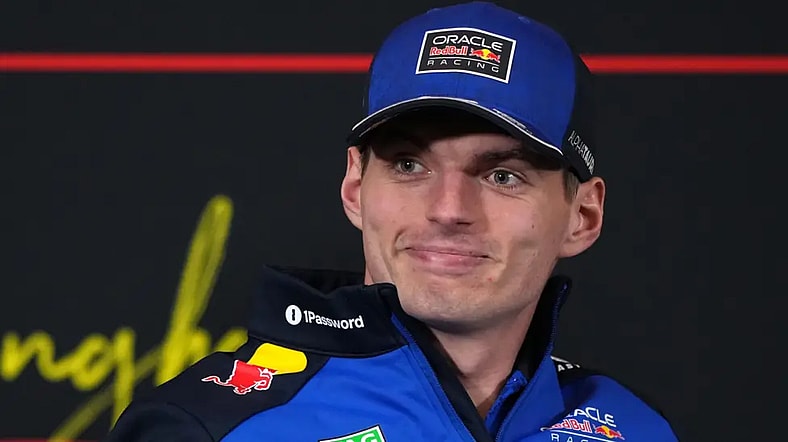
None of this happens in a vacuum. There is no negligible chance that Max Verstappen will leave Formula 1 in the near future – and Red Bull's collapse is not the main reason. The four-time world champion has been one of the most vocal critics of F1's new rules, particularly energy management, and he has made it clear he is not having fun right now.
We've written about this before – there is real merit in the criticism, even if Verstappen is the wrong messenger for it, and the contract clause that could have let him leave Red Bull altogether has not gone away. The April 20 vote is as much a technicality as it is a Verstappen retention decision, whether Formula 1 wants to frame it that way or not.
Helmut Marko, who is now a Red Bull Ring ambassador rather than the man running Red Bull's driver program, put it clearly this week. "The current rules are overly focused on energy management – this only works in conjunction with software engineers. The driver has been deprived of his key role."
Hamilton admitted that he did not expect much from these meetings, as drivers often feel that they are not heard enough in regulatory discussions. "I hope they make big changes. We drivers don't have a say and we don't have any power."
That quote from the seven-time world champion – the one who praised racing more eloquently than anyone – is one the Formula 1 leadership should consider ahead of April 20.
Good news (yes, there is some)
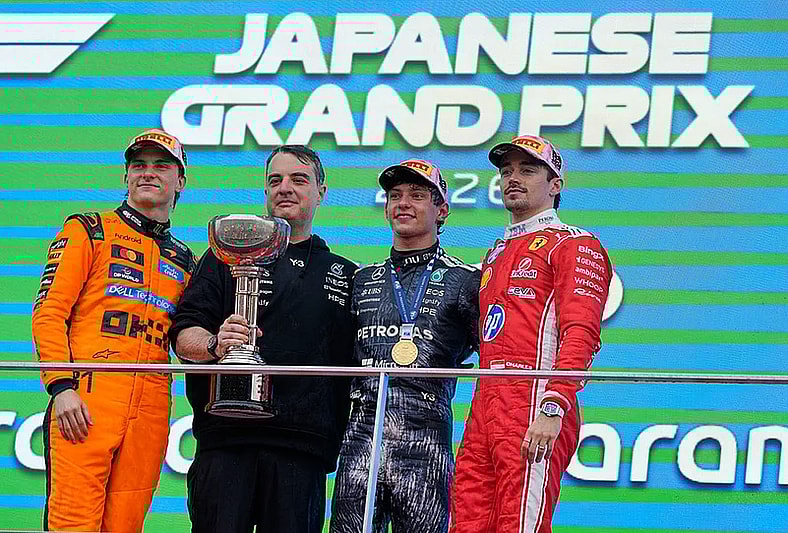
Formula 1 is not in freefall. Sunday's racing has been really entertaining. There were 149 officially recorded overtaking moves in the first three Grand Prix races – significantly more than the 63 passes in the previous year's Melbourne, Shanghai and Suzuka competitions. The race day action is real. The problem is that qualifying — the part that determines what fans watch on Sunday, the part that decides who starts where, the part that used to be appointment television — has become a chore.
Determine eligibility. Eliminate the closing-motion threat that put Bearman in the medical center. Let Sunday's race breathe. This is the work.
The last date is the meeting of 20th April. The test is on May 3 in Miami. Formula 1 has faced difficult tasks in a short period of time. But the game will need the best rooms in that room, not the most cautious rooms.
Drivers telling you what's broken. Suzuka's data tells you what's dangerous. the window is open.
use it.