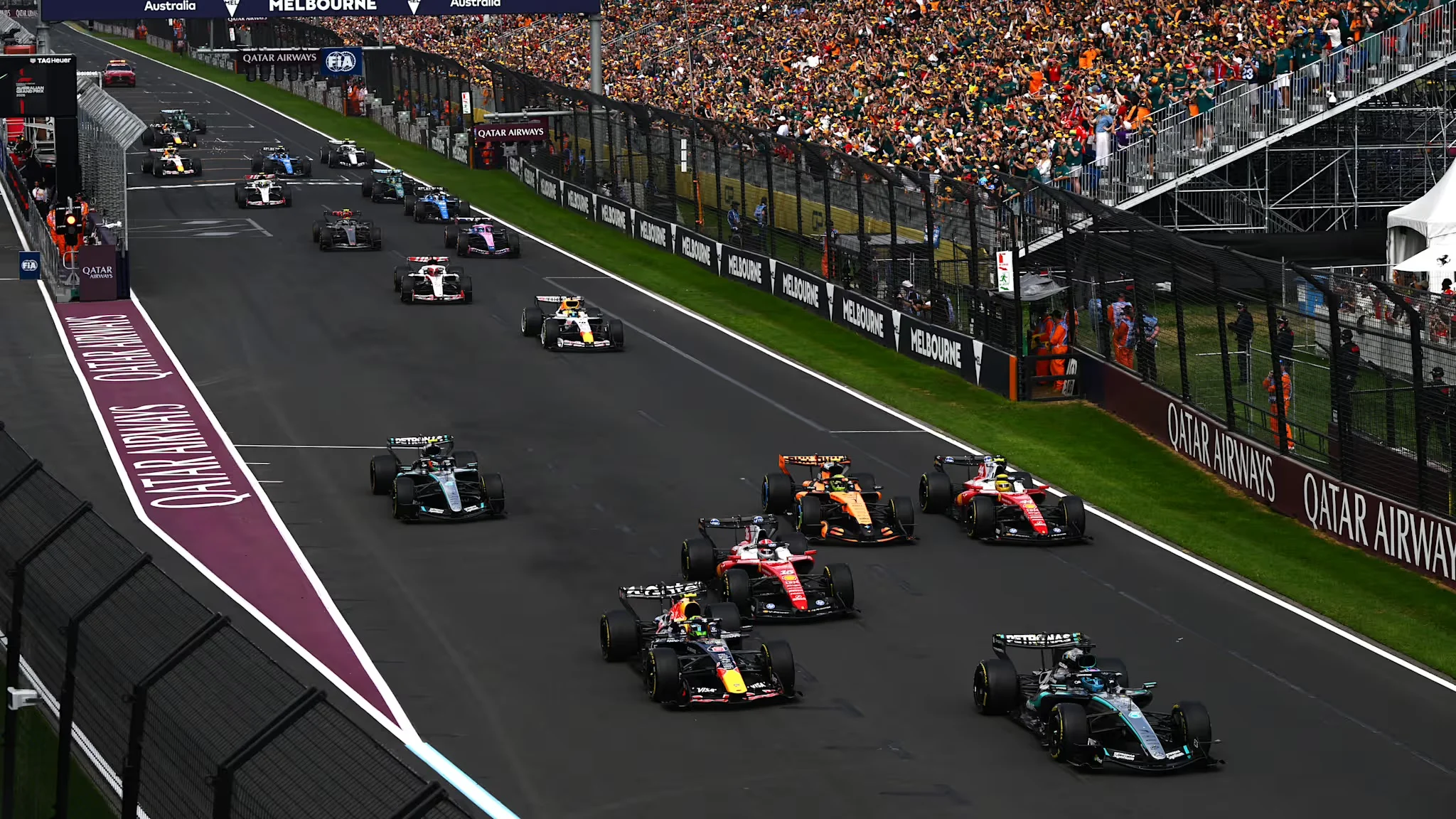
Formula 1 is already undergoing a significant change to the 2026 rules in just the blink of an eye, taking effect in Miami.
The FIA called an online meeting with team principals, power unit manufacturer CEOs and Formula One management on Monday, following data from three races from Australia, China and Japan. The result: unanimous agreement on a four-part package of 2026 Formula 1 rule changes that will reshape the performance of these cars for the remainder of the season.
F1 addresses superclipping glitch as part of changes
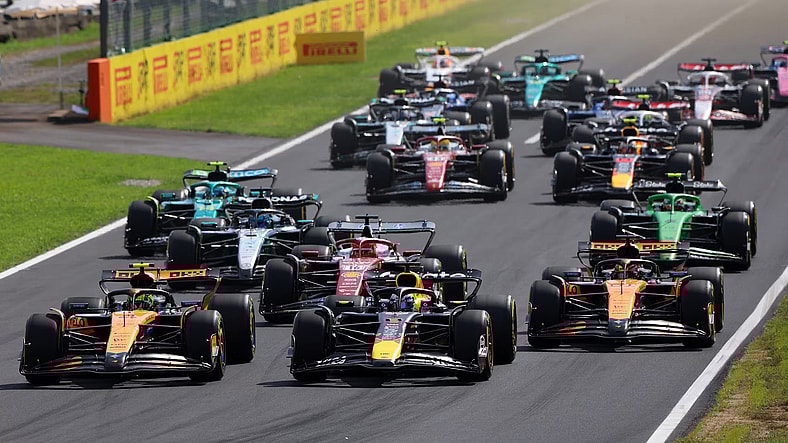
The title change takes aim at superclipping – the dreaded phenomenon where drivers spend too many laps harvesting energy instead of actually racing. The maximum permitted recharge has been reduced from 8 MJ (megajoules) to 7 MJ, and the peak Superclip power has been increased from 250 kW to 350 kW. The intention is simple: spend less time recharging, more time relaxing. Under the new parameters, the duration of the superclip should be reduced by approximately two to four seconds per lap. It's a meaningful reduction from what fans saw in the initial run.
For racing, the boost system also has its limits. The 150 kW current power level at the time of activation is specifically designed to prevent the jerky, sudden performance fluctuations that occur when a driver presses the deployment button. The MGU-K will still pump out 350kW from corner exit to braking point, through acceleration zones, but will drop to 250kW elsewhere on the lap. The closing speed was becoming dangerous. It solves that problem without overtaking.
Watch all the Formula 1 action live at the Miami Grand Prix: Now available on Apple TV+
Race starts are changing for the remainder of 2026
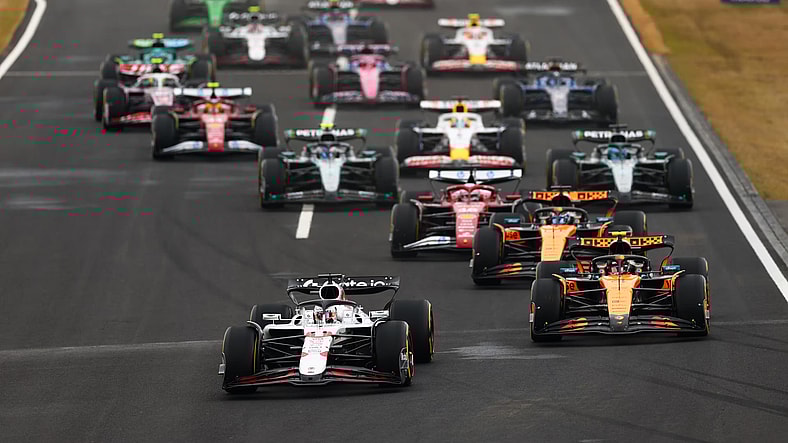
Race starts are also addressed, although that piece is on a slightly different timeline. A new detection system will identify cars with abnormally low acceleration off the line and automatically trigger MGU-K deployment to ensure safe minimums. Flashing rear and side lights will warn following drivers. Miami is a test case, where full adoption will take place after an analysis of how it performs there.
Wet weather rules revamped for Miami Grand Prix and beyond
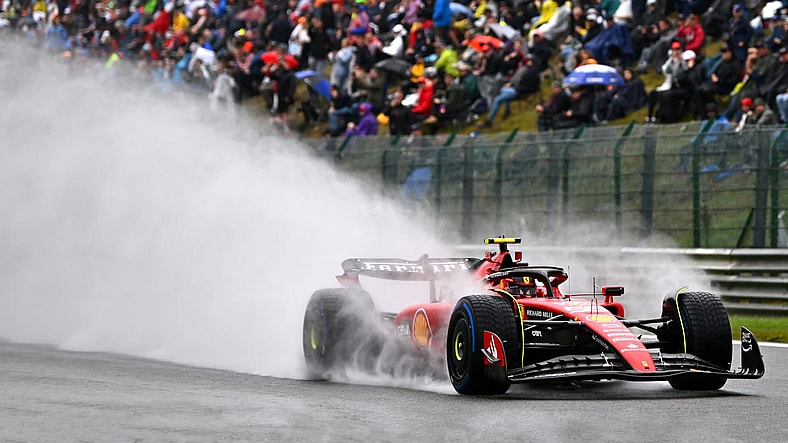
Attention was also paid to wet weather. The intermediate tire blanket temperature is being increased based on direct driver feedback, ERS deployment has been reduced in low-grip conditions and the rear lights are being simplified for better visibility through the spray.
The 2026 Formula 1 regulation changes still need to be approved by an e-vote of the FIA World Motor Sport Council after being agreed, but given the unanimous stakeholder agreement on Monday, this is a formality. Miami is the turning point for the 2026 season – on and off the track.