Field Hockey Scoreboard Guide: How to Operate and Track Hockey Scores
Field hockey is more than just a sport in India; it is a legacy. From local school tournaments in Punjab to international matches at the Birsa Munda Stadium, keeping an accurate record of hockey scores is vital for the integrity of the game. Whether you are a volunteer at a local club or a dedicated sports administrator, understanding how to operate a field hockey scoreboard is essential.
Understanding the Modern Field Hockey Scoreboard
Gone are the days of simple wooden flip-cards. Modern hockey matches in India now utilize digital LED scoreboards. These units track three primary metrics: Goals, Periods, and Time remaining. In field hockey, matches are divided into four quarters of 15 minutes each. A professional scoreboard must be able to handle these intervals accurately.
Key Components of the Scoreboard
- The Clock: Displays the countdown for each quarter. It must be paused during injuries or substitutions if the umpire signals.
- Score Counter: Tracks the number of goals for the 'Home' and 'Away' teams.
- Quarter Indicator: Shows whether the game is in Q1, Q2, Q3, or Q4.
- Penalty Cards: Some advanced boards have sections for Green, Yellow, and Red card timers.
How to Operate the Scoreboard During a Match
Operating a scoreboard requires constant communication with the technical table and the on-field umpires. Here is a step-by-step guide:
1. Pre-Game Setup
Before the whistle blows, ensure both team names are correctly entered. Reset the clock to 15:00 and ensure the score is 0-0. In India, local matches often use "Team A" and "Team B" if digital naming isn't available.
2. Tracking the Action
When an umpire points to the center circle after a goal, update the hockey scores immediately. It is crucial to wait for the umpire's official signal, as video referrals (in high-level matches) might overturn a goal.
3. Managing the Clock
The operator must be sharp. In the final minute of each quarter, the timing becomes critical. If a Penalty Corner (PC) is awarded just before the buzzer, the period may be extended to allow the PC to be completed. The scoreboard operator must know not to end the period until the PC play is dead.
The Importance of Accurate Manual Record Keeping
While digital boards are efficient, always maintain a manual scoresheet. In Indian humidity and outdoor conditions, electronic failures can happen. A manual sheet should track goal scorers (jersey numbers) and the exact minute the goal was scored. This ensures that the official hockey scores are undisputed at the end of the day.
Conclusion
Accurate score tracking is the backbone of any competitive field hockey match. Whether you are using a high-tech LED display or a manual board at a school ground, the goal remains the same: precision. By following this guide, you can ensure that the focus remains on the athletes' performance while the hockey scores are recorded flawlessly for fans and officials alike.
Frequently Asked Questions (FAQs)
1. How many quarters are there in a standard field hockey match?
A standard match consists of four 15-minute quarters, totaling 60 minutes of playing time.
2. What happens to the scoreboard during a Penalty Shoot-out?
In the event of a draw in knockout matches, the scoreboard is reset. Scores are then tracked based on the best-of-five format for the shoot-out.
3. Does the clock stop automatically for a Penalty Corner?
In international rules (FIH), the clock stops for 40 seconds after a Penalty Corner is awarded to allow teams to set up. Local Indian tournaments may follow modified rules depending on the organizers.
4. What is the "Stop-Clock" rule in field hockey?
The clock is usually stopped for injuries, the awarding of cards, or when the umpire signals a deliberate time-out.
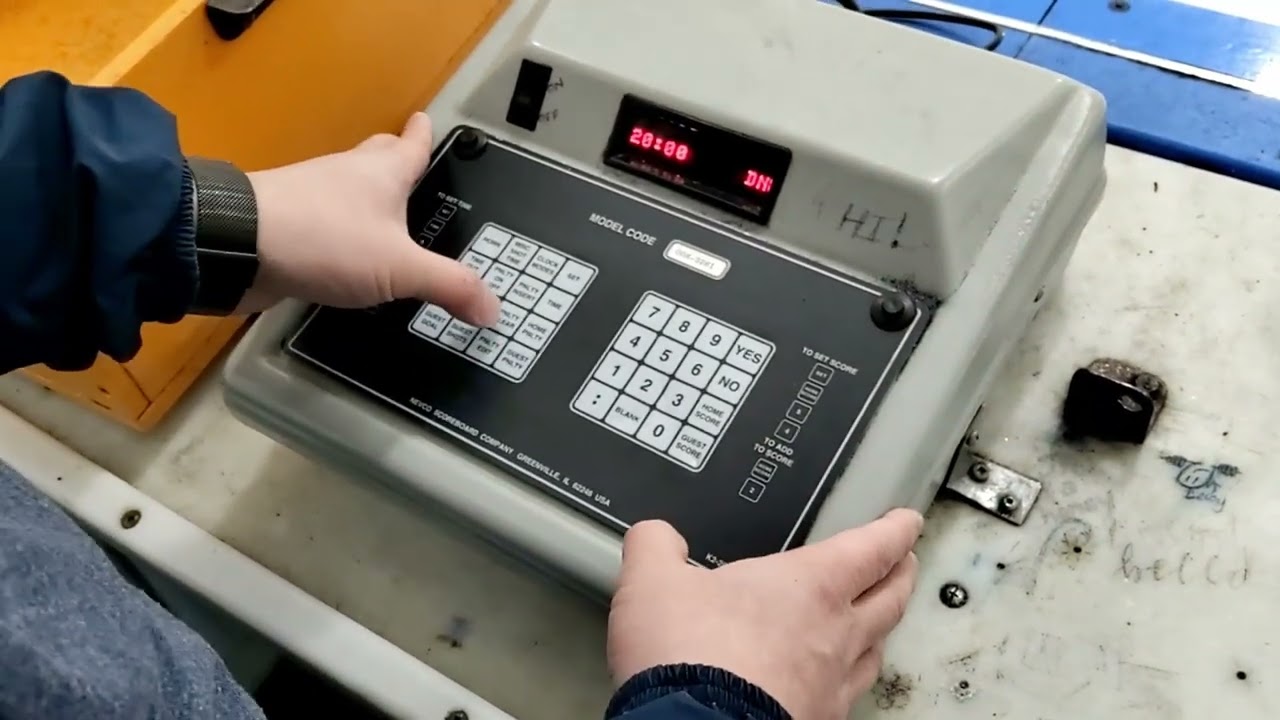
Quick tutorial on a score clock you would find in most hockey rinks.Chapters: 0:00 Turning on 0:23 Set Time 1:00 Set Penalties 1:27 Clear Penalties 1:40 Clearing Multiple Penalties 2:25 Adding Goals