
Common Tape Job Terminology & Definitions for Athletes


Mastering the Grip: Common Hockey Tape Job Terminology for Indian Athletes

Whether you are playing on the icy rinks of Ladakh or practicing on synthetic turf in New Delhi, every hockey player knows that your stick is an extension of your arm. To master the game, you must first master your gear. In the world of hockey, “Tape Jobs” (often called ‘TJ’) are a rite of passage. Understanding the specific terminology used by pros can help you improve your puck control and stick longevity.

Essential Tape Job Terminology

Before you grab a roll of adhesive, here are the fundamental terms every athlete should know:

1. The Knob (The Butt-End)

The Knob refers to the very top of the stick handle. Athletes create a ‘knob’ using thick layers of tape to prevent the stick from slipping out of the hand. In India, many field hockey players also use a similar grip style to ensure a firm hold during high-intensity drag flicks.

2. The Candy Cane

This is a stylistic and functional wrap where a thin strip of tape is twisted and spiralled down the shaft of the stick. It looks like a candy cane and provides extra texture for the bottom hand, offering superior grip without adding too much weight.

3. Heel-to-Toe vs. Toe-to-Heel

This describes the direction in which you wrap the blade.

  • Heel-to-Toe: Starting from the back (heel) and moving toward the tip. This is the most common method as it mimics the spin of the puck/ball.
  • Toe-to-Heel: Starting from the tip and moving backward. Some players swear this gives them more “bite” on the shot.

4. The Toe Cap

This involves completely covering the tip of the blade. It protects the composite material from delaminating (splitting) due to moisture and friction against the ground or ice.

5. Waxing the Tape

After applying the tape, many athletes rub Stick Wax over the cloth surface. This prevents ice or water buildup and significantly increases the “tackiness,” allowing for better spin and control.

Why Does the Tape Job Matter?

For Indian athletes transitioning between field hockey and ice hockey, the principles remain the same: Friction and Protection. A proper tape job cushions the impact, absorbs vibrations, and provides the necessary friction to manipulate the ball or puck with precision. Without it, the smooth surface of a composite stick would make ball handling nearly impossible.

Conclusion

Understanding hockey tape terminology is the first step toward customizing your equipment to suit your playing style. Whether you prefer a thick “Candy Cane” grip for power or a sleek “Heel-to-Toe” wrap for finesse, the right tape job gives you a psychological and physical edge on the field. Experiment with these styles during your next practice session to find what works best for your game.

Frequently Asked Questions (FAQs)

Q1: What kind of tape should I use for hockey in India?
A: Look for “Cotton Friction Tape” or specialized “Cloth Hockey Tape.” Avoid plastic electrical tape as it doesn’t provide enough grip and leaves a sticky residue.

Q2: How often should I re-tape my stick?
A: Ideally, you should re-tape your stick whenever the tape starts to fray or show holes. Most competitive players re-tape before every match.

Q3: Should I Use Black or White Tape?
A: This is mostly preference. Some say black tape hides the puck from the goalie, while white tape allows the player to see the puck better in their peripheral vision.

Q4: Does taping the stick help in Indian Field Hockey?
A: Yes. While field hockey sticks often use rubber grips on the handle, many players tape the “bow” or the “face” of the stick to protect it from wear and tear on abrasive turf.

How well do you know your TJ terminology? 🤔 #hockeylife #icehockeytiktok #hockeytok #icehockey #hockeyedit #hockeystick #hockeygloves #tapejob #hockey #hockeysticks #hockeygoals #fypp #fyp

India vs Pakistan Field Hockey Live Score & Highlights: Hockey India Live 🏑


India vs Pakistan Field Hockey Live Score & Highlights: The Ultimate Subcontinental Rivalry

When it comes to international sports, few rivalries capture the imagination of millions like an India vs Pakistan field hockey match. Known for their “Silk vs Steel” styles, these two giants of Asian hockey bring a unique blend of skill, speed, and raw emotion to the turf. Whether it is the Asian Champions Trophy, the Olympics, or the Commonwealth Games, an Ind vs Pak clash is more than just a game—it’s a matter of national pride.

Real-Time India vs Pakistan Live Hockey Scores

Staying updated with the hockey live score is crucial for fans who can’t make it to the stadium or catch the live broadcast. Modern hockey is played in four high-intensity quarters, meaning the momentum can shift in seconds. From penalty corners (PC) earned by the Indian drag-flickers to the lightning-fast counter-attacks by the Pakistani forwards, our live updates ensure you don’t miss a single goal or green card.

For the latest Hockey India live updates, fans often track the “Video Umpire” decisions and circle entries, which frequently dictate the outcome of these high-pressure games. India’s recent dominance in the FIH Pro League and continental tournaments has set a high bar, but Pakistan’s unpredictable flair always makes them a dangerous opponent.

Match Highlights: Defining Moments on the Turf

Missed the live action? The India vs Pakistan highlights provide a look at the tactical shifts employed by the coaches. Key highlights usually revolve around:

  • Penalty Corner Conversions: Watch how India’s specialists like Harmanpreet Singh find the top corner.
  • Goalkeeping Heroics: Relive the stunning saves under the bar that keep the scoreline tight.
  • Midfield Mastery: Trace the ball movement through the center of the pitch that leads to spectacular field goals.

The Evolution of the Rivalry

Historically, Pakistan dominated the head-to-head records in the 20th century. However, the last decade has seen a massive resurgence in Indian hockey. With improved fitness levels, better infrastructure, and the success of the Hockey India League (HIL), the “Men in Blue” have consistently climbed the FIH rankings. Meanwhile, the “Green Shirts” continue to produce individual talents that can dismantle any defense on their day.

Conclusion

The India vs Pakistan field hockey rivalry remains the crown jewel of Asian sports. While the game has transitioned from grass to blue turf, the intensity remains unchanged. Following hockey scores live allows fans to be part of the journey as India continues its quest to regain its status as the undisputed world leader in hockey. Whether India wins with tactical discipline or Pakistan prevails with flair, the true winner is always the sport of field hockey.


Frequently Asked Questions (FAQs)

1. Where can I watch India vs Pakistan hockey live in India?

In India, major hockey tournaments are usually broadcast on the Star Sports Network and streamed live on the Disney+ Hotstar app. Some continental events are also available on FanCode.

2. What is the best way to track live hockey scores?

The official Hockey India website and the FIH (International Hockey Federation) TMS portal are the most reliable sources for real-time scores, player stats, and official lineups.

3. Who has won more matches between India and Pakistan in hockey?

Historically, Pakistan leads the overall head-to-head record. However, in the last 10 years, India has a significantly higher win percentage in major international tournaments including the Asian Games and Asian Champions Trophy.

4. How long is a field hockey match?

A standard international field hockey match lasts for 60 minutes, divided into four quarters of 15 minutes each, with breaks in between.

5. Why are penalty corners so important in India vs Pakistan matches?

Nearly 30-40% of goals in modern hockey come from penalty corners. Both India and Pakistan rely heavily on their drag-flick specialists to break the deadlock in tight defensive games.

Stay tuned for more updates on Hockey India and upcoming international fixtures!

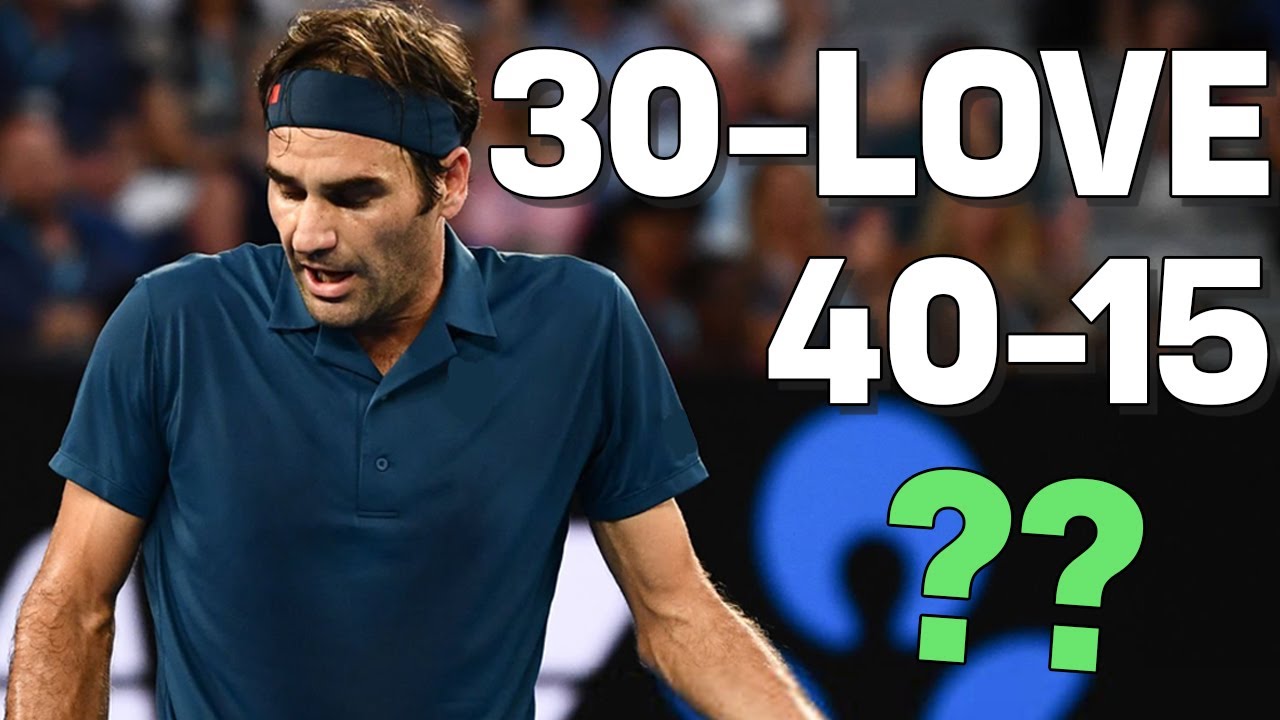
Tennis Scoring Explained: Why is it 15, 30, 40 and Love?


Tennis Scoring Explained: Why is it 15, 30, 40 and Love?

Whether you are watching Rohan Bopanna dominate the doubles circuit or catching the thrill of a Grand Slam final, tennis is a sport that captivates millions in India. However, for a beginner, the scoring system can seem like a complex riddle. Why do they say ‘Love’ instead of zero? Why does the sequence go from 30 to 40 instead of 45?

In this guide, we break down the unique world of tennis scores to help you enjoy the game like a pro.

The Basics of Tennis Scoring

A tennis match is divided into three parts: Points, Games, and Sets. To win a game, a player must win four points. However, these points aren’t called 1, 2, 3, and 4. Instead, they are announced as:

  • 0 Points: Love
  • 1st Point: 15
  • 2nd Point: 30
  • 3rd Point: 40
  • 4th Point: Game

Why 15, 30, and 40?

The origin of this system is steeped in history. The most popular theory traces back to medieval France, where players likely used a clock face to keep track of the score. The minute hand was moved a quarter-turn for every point: 15, 30, and 45. Eventually, 45 was shortened to 40 for ease of pronunciation during intense rallies.

The Mystery of “Love”

For many Indian viewers, hearing a commentator say “15-Love” sounds peculiar. In tennis terminology, “Love” means zero. The most widely accepted theory is that it comes from the French word for “the egg”—l’oeuf. Just as a cricket fan calls a zero a “duck’s egg,” tennis players used the round shape of an egg to represent zero. Over time, “l’oeuf” evolved into “Love.”

Deuce and Advantage

Tennis requires a player to win by a margin of at least two points. If the score reaches 40-40, it is called a Deuce. From here:

  1. A player must win two consecutive points to take the game.
  2. Winning the first point after deuce gives the player “Advantage.”
  3. If they win the next point, they win the game. If they lose it, the score returns to Deuce.

Games and Sets

In most professional matches, you need to win at least six games to win a Set (leading by at least two games). If the set score reaches 6-6, a Tie-break is played to determine the winner of that set.

Conclusion

While the tennis scoring system might seem traditional and quirky, it adds to the prestige and drama of the sport. Understanding the logic behind 15, 30, 40, and Love allows you to follow the momentum of the match more closely. So, the next time you tune in to watch a major tournament, you’ll know exactly why the umpire is calling out those famous numbers!

Frequently Asked Questions (FAQs)

1. Why is zero called “Love” in tennis?

It is believed to come from the French word “l’oeuf,” meaning “the egg,” which represents the shape of a zero.

2. Why does the score go from 30 to 40 instead of 45?

Historically, it was 45, but it was likely shortened to 40 because it was quicker and easier for umpires to shout out during a game.

3. What does “All” mean in tennis scores?

If both players have the same score, the umpire adds “All” at the end (e.g., 15-All or 30-All), unless the score is 40-40, which is called “Deuce.”

4. How many sets are played in a tennis match?

In men’s Grand Slams, it is usually “best of five” sets. In most other tournaments and women’s matches, it is “best of three” sets.

5. What is a “Golden Set” in tennis?

A Golden Set is when a player wins a set without losing a single point (24 points to 0).

If you’ve ever watched a tennis match and thought to yourself, what’s going on here? You’re not alone.
The numbers are weird. 15, 30, 40… why not just 1, 2, 3?
Tennis scoring is confusing and it’s ancient, going back to a time even before tennis rackets.
While tennis players have redefined what’s possible on the court and equipment manufacturers have innovated the tools we use to play tennis, the scoring hasn’t changed for centuries.
But maybe it’s too stuck in the past?
The President of the Tennis Hall of Fame even blamed the score system for tennis’ lack of popularity relative to other spectator sports.
So, that begs the question – why do we use it? And why does it exist in the first place?

Music:
Epidemic Sounds


Thanks for watching.