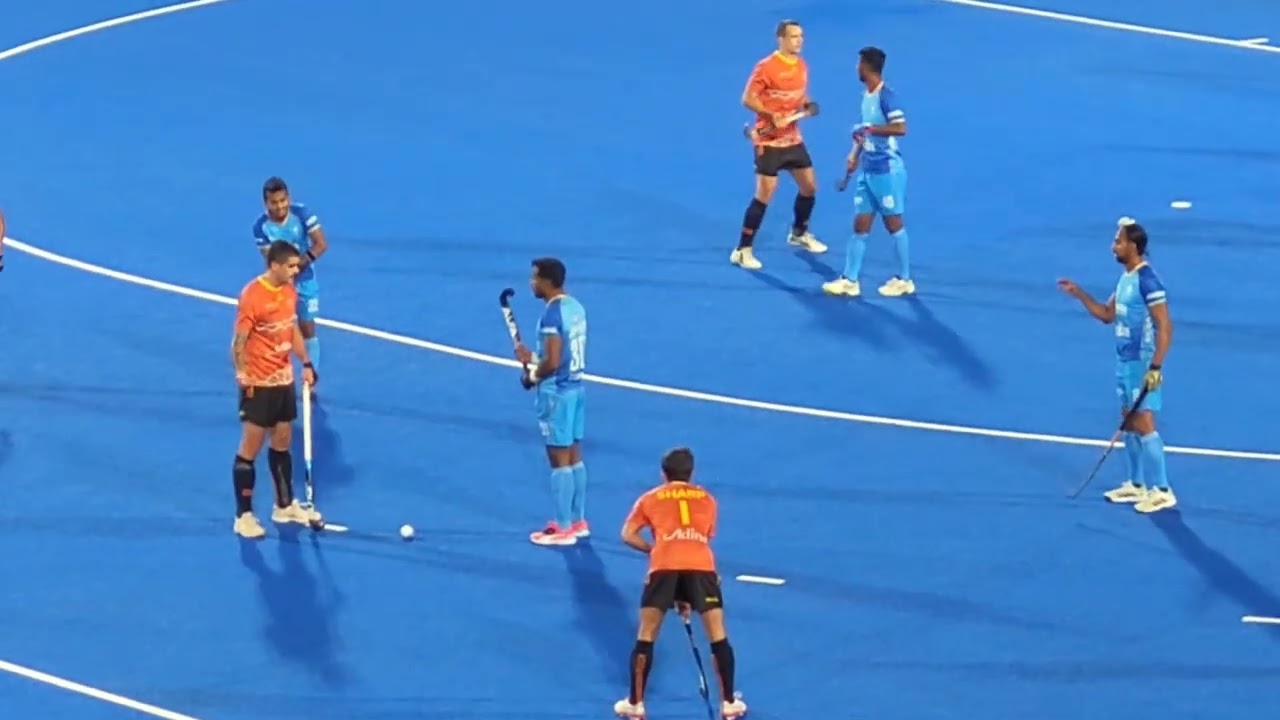
India vs Australia Hockey 2024 Highlights: A Tactical Battle at Birsa Munda Stadium, Rourkela
The hockey rivalry between India and Australia is arguably one of the most intense showdowns in world sports. The 2024 encounter at the iconic Birsa Munda International Hockey Stadium in Rourkela lived up to its billing, offering fans a masterclass in speed, skill, and tactical brilliance. As part of the FIH Pro League circuit, this match was more than just a game; it was a litmus test for the Indian side against the mighty Kookaburras.
The Rourkela Atmosphere: A Fortress for Indian Hockey
The Birsa Munda Stadium, recognized as the world’s largest seated hockey stadium, was packed to the rafters. The sea of blue in the stands provided an electrifying backdrop, proving once again why Odisha is the heart of global hockey. For the Indian team, playing in Rourkela is always a morale booster, and the atmosphere set the stage for a high-octane encounter against Australia.
Match Highlights: Back-and-Forth Action
The match began with both teams testing each other’s defensive lines. Australia, known for their aggressive “total hockey” approach, pressed high early on. However, the Indian defense, led by the veteran goalkeeper PR Sreejesh, remained resolute under pressure.
Key moments from the match included:
- Early Dominance: Australia managed to find the net early through a clinical penalty corner conversion, putting India on the back foot.
- India’s Comeback: Driven by the midfield brilliance of Hardik Singh, India bounced back in the second half. Captain Harmanpreet Singh’s drag-flicking prowess was on full display as he neutralized the lead with a thunderous strike into the top corner.
- The Final Quarter: The last 15 minutes were a spectacle of end-to-end action. Both teams squandered chances to take the lead, with the Australian goalkeeper making a series of reflex saves to deny Abhishek and Sukhjeet Singh.
Technical Analysis: Skill vs. Strategy
The 2024 clash highlighted India’s improved tactical discipline. Under the guidance of their coaching staff, the Indian Men’s Hockey Team showed significant progress in their transition play. While Australia relied on their traditional physical dominance and quick long balls, India countered with intricate 3D skills and short passing sequences.
The match also underscored the importance of penalty corner conversion rates. In high-stakes matches against top-tier teams like Australia, the efficiency of the drag-flickers often dictates the final result.
Conclusion
The India vs Australia match at the Birsa Munda Stadium in 2024 was a testament to how far Indian hockey has come. While the fierce rivalry continues, the narrowing gap between the two sides bodes well for India’s prospects in upcoming international tournaments and the Olympics. For the fans in Rourkela, the match was a celebration of the sport, cementing the stadium’s status as a legendary venue for world hockey.
Frequently Asked Questions (FAQs)
1. Where is the Birsa Munda International Hockey Stadium located?
The Birsa Munda International Hockey Stadium is located in Rourkela, Odisha, India. It is currently the largest seated hockey stadium in the world.
2. Who is the captain of the Indian Men’s Hockey Team in 2024?
Harmanpreet Singh serves as the captain of the Indian Men’s National Hockey Team, known for his exceptional skills as a defender and drag-flicker.
3. Why is the India vs Australia hockey rivalry so significant?
Australia has historically been a dominant force in world hockey. For India, competing against Australia is a benchmark for their progress on the global stage, often resulting in high-scoring and intensely physical matches.
4. How can I watch Indian Hockey match highlights?
Fans can watch highlights of the India vs Australia 2024 match on official platforms like JioCinema, Sports18, or the official FIH YouTube channel.
5. What was the significance of this match for the FIH Pro League?
This match was crucial for gaining points in the FIH Pro League standings, which determines the ranking and serves as a vital preparation phase for major events like the Asian Games and the Olympics.