newark – There was no dramatic wake-up call. No single game, no blowout loss, no locker-room explosion that flipped the switch for the New Jersey Devils to fire Tom Fitzgerald.
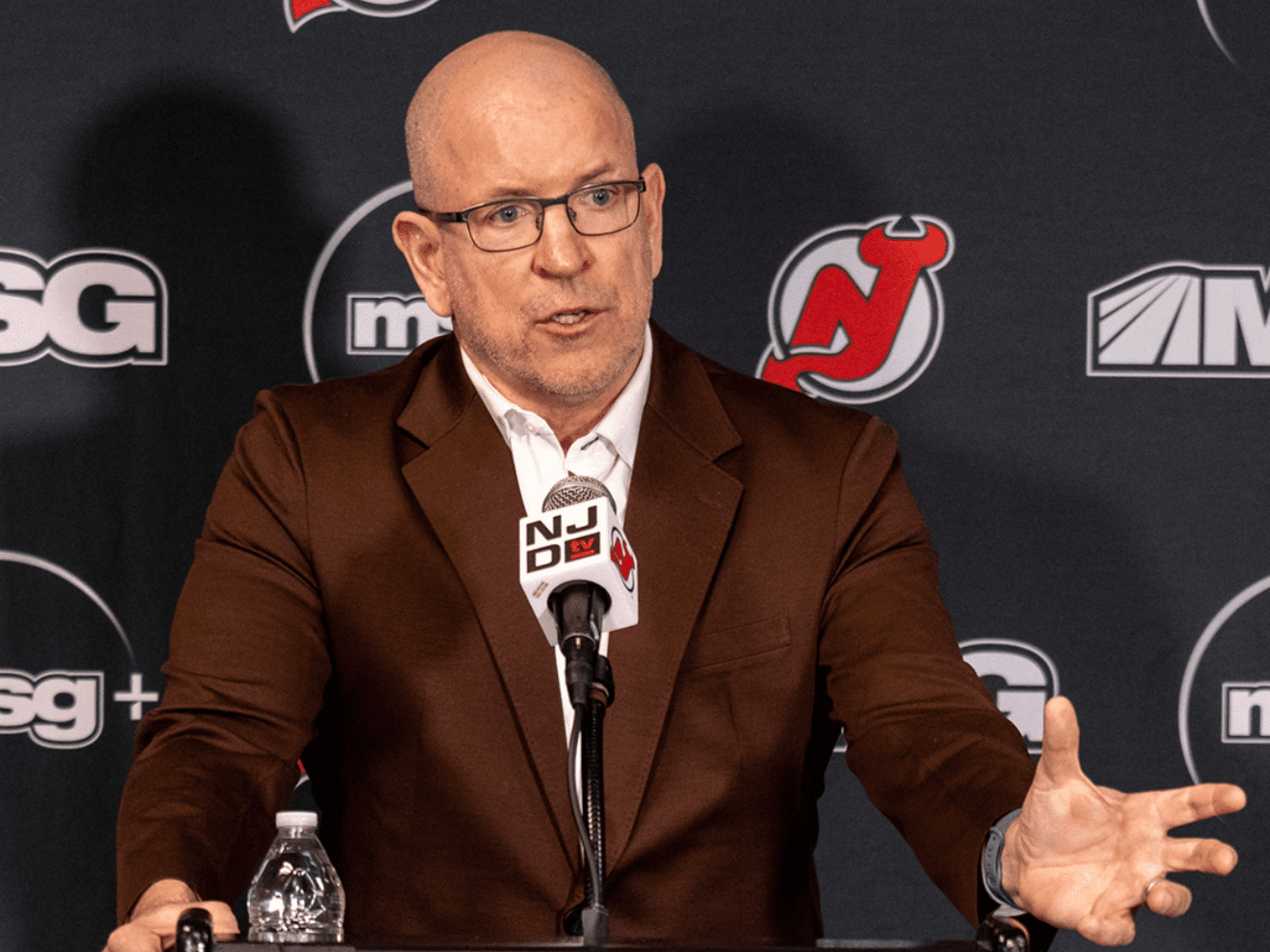
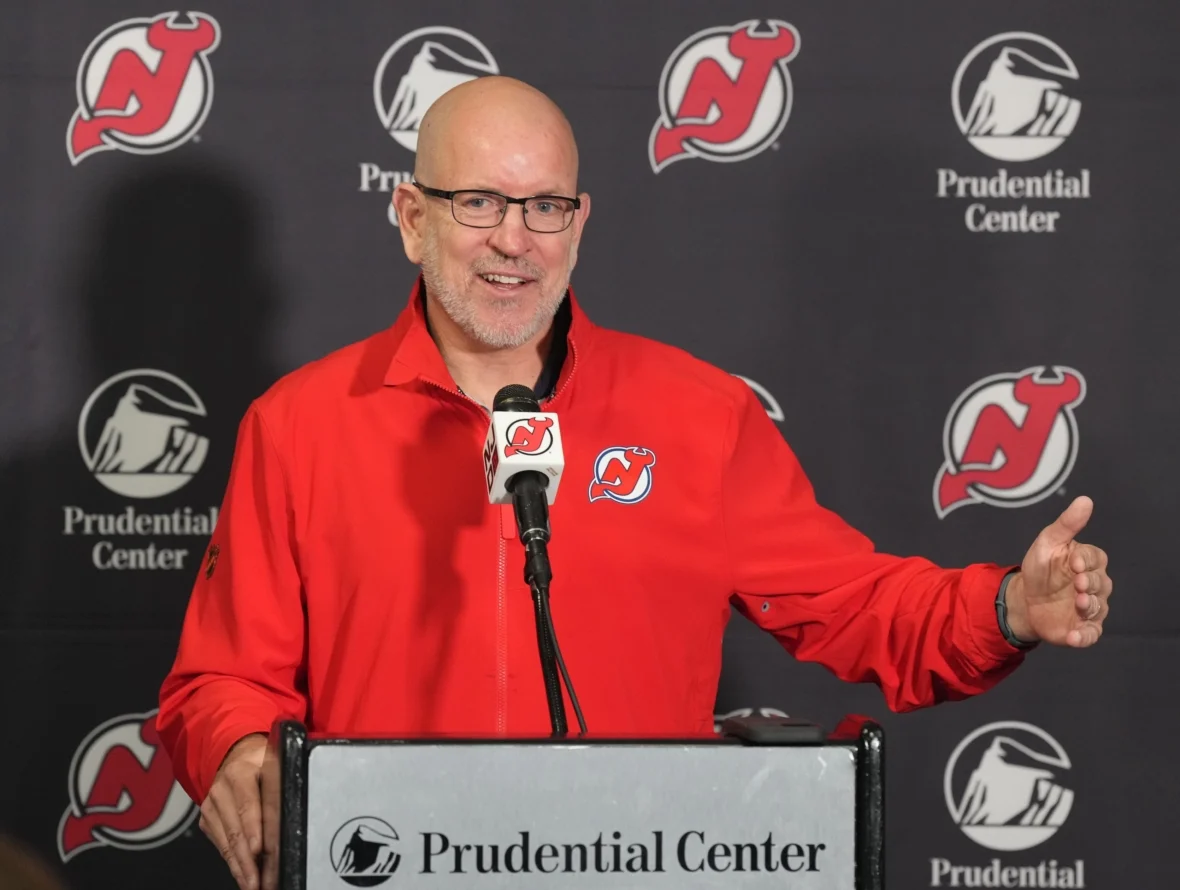
The Devils introduced new general manager Sunny Mehta on Tuesday. The 48-year-old first-time GM has endeared himself to the media and fans and pointed to an optimistic future under a new regime.
However, this was the first time Devils ownership was available to talk over a split with Fitzgerald.
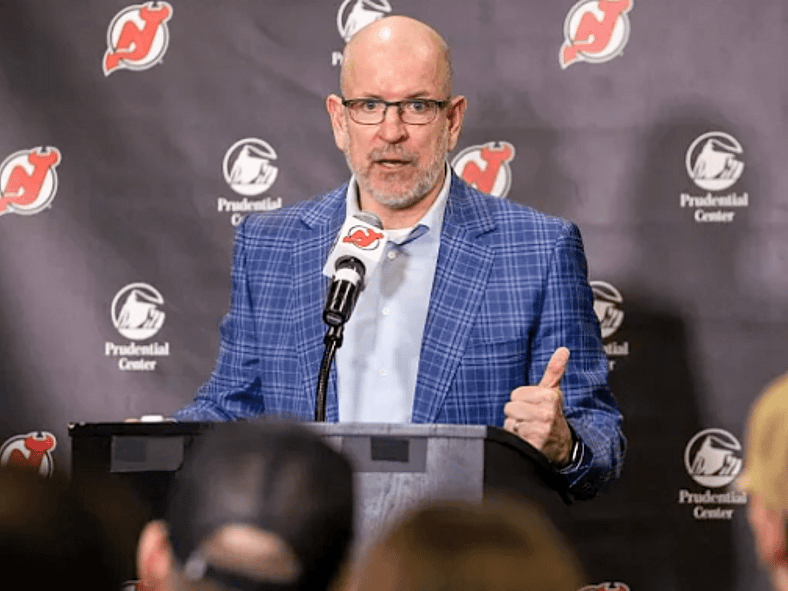
When Devils managing partner David Blitzer sat down to explain why the organization parted ways with longtime general manager and president of hockey operations Fitzgerald on April 6, his words painted a far more humane and perhaps revealing picture than the usual polished NHL response.
“It’s a complicated [answer],” Blitzer said. “There was never a moment when I woke up in the morning and said, ‘This needs to change.’ I think the reality is that I’ve worked with Tom for 11 years. Tom and his team are excellent and my relationship with them was very strong, and we talked all the time.
“It was a really tough season, but last year wasn’t an easy season either. This year was extremely disappointing. And so there was no eureka moment. I was evaluating the organization and talking with my guys, OK? So talking with Josh. [Harris] And sometimes talking to myself out loud… Eventually, we came to the conclusion that it felt like this was the time when separation made sense.
“And as soon as that happened, I sat down with Tom to have a really open discussion. And we both left that discussion agreeing that it would be appropriate to make that decision as time required [to part ways]”
These words echo the statement Blitzer made when the Devils publicly announced they were firing Fitzgerald.
“Tom and I had a thoughtful conversation today and agreed that now is the time to move in a new direction,” Blitzer said. “Tom changed the direction of our team here, including setting the franchise record for points in a season and helping make New Jersey a hockey destination. He is a respected leader in the Devils organization and in the NHL, and I am grateful for our friendship. I wish Tom and his family all the best. As we prepare to move forward, it is important that I thank our fans. I recognize that we have not performed as well as you expect and “I understand and share your frustration. This is an important offseason for our franchise, and we will explore all avenues that best position the Devils to compete for the Stanley Cup once again.”
The Devils finished the 2025–26 season with a 42–37–3 record and 87 points, good for 7th in the Metropolitan Division and 13th in the Eastern Conference – seven points out of the final wild-card spot when Fitzgerald’s departure was announced with five games remaining. He was officially fired the next day. This marked the second time in three seasons the team missed the playoffs, despite entering the year with expectations of legitimate contention around Jack Hughes, Nico Hischier and a young core and many believing the roster was ready to take the next step.
11 year old weight
Fitzgerald joined the Devils organization in 2015 and became GM in 2020, while later assuming the duties of President of Hockey Operations duties. His tenure included real highs — a franchise-record 112-point season in 2022-23 that brought playoff hockey back to Newark and reestablished the Devils as a relevant, exciting team. He helped build around the Hughes brothers and guided post-COVID roster construction.
But the last two seasons told a different story. The 2024–25 campaign was already “not the easiest”, admitting that inconsistencies prevented a deeper post-season campaign. The 2025–26 season exacerbated those issues: defensive lapses, goalscoring questions, and an inability to score consistently at Championship level – as they had previously – forced the team to once again look on the outside.
Blitzer was careful to praise Fitzgerald and his staff as “excellent,” while acknowledging the bottom line: Results matter. In a results-driven league, even strong relationships and competent management have an expiration date when wins don’t materialize.
What makes this departure feel different from many NHL firings is the apparent lack of acrimony. Blitzer described sitting down with Fitzgerald for an “open discussion” after the decision became clear, after which both men agreed on the timing. Fitzgerald reiterated that sentiment in his own statement, noting that it was “clear to everyone that the best course of action is to move forward for the benefit of the team.”
This was no mid-season scandal or public power struggle. It was ownership’s recognition that, after more than a decade of collaboration, fresh eyes and new ideas were needed in a critical off-season.

#Urica #Moment #complicated #Devils #shoot #Fitzgerald