Tennis Tie Break Rules: Scoring and Format Explained Simply


Tennis Tie Break Rules: Scoring and Format Explained Simply

Tennis is a game of precision, endurance, and strategy. For many Indian fans who follow global icons like Novak Djokovic or homegrown heroes like Rohan Bopanna, the most heart-racing moment of any match is the tie-break. But how exactly do tennis scores work when a set reaches 6-6? If you have ever been confused by the sudden change in serving order or the numerical scoring, this guide is for you.

What is a Tennis Tie-Break?

In a standard tennis set, a player must win six games to win the set. However, if the score reaches 5-5, the set continues. If it then reaches 6-6, a “tie-break” is played to decide the winner of the set. The winner of the tie-break wins the set 7-6.

The Scoring System: How It Differs

Unlike regular games where we use “15, 30, 40, and Game,” a tie-break uses simple numerical scoring: 1, 2, 3, 4, 5, 6, 7, and so on.

  • The Target: The first player to reach 7 points wins the tie-break and the set.
  • The Two-Point Margin: You cannot win a tie-break at 7-6. There must be a margin of at least two points (e.g., 7-5, 8-6, or 10-8).

The Serving Format: Who Serves When?

The serving rotation in a tie-break can be tricky for beginners. Here is the step-by-step breakdown:

  1. Point 1: The player whose turn it was to serve starts the tie-break. They serve only one point from the Deuce (right) side.
  2. Points 2 & 3: The serve moves to the opponent. They serve two points, starting from the Ad (left) side, then the Deuce side.
  3. Points 4 & 5: The first server returns to serve two points.

This “ABBA” pattern (1 serve, then 2, then 2) continues until a winner is decided. Players switch ends of the court every 6 points (e.g., when the score is 3-3, 6-6, or 9-3).

The 10-Point Tie-Break (The “Super Tie-Break”)

In recent years, major tournaments like Wimbledon and the Australian Open have adopted the 10-point tie-break to decide the final set (third set for women, fifth set for men). The rules remain the same, but the target is 10 points instead of 7, still requiring a two-point lead. This format is also very common in doubles matches on the ATP and WTA tours instead of a full third set.

Conclusion

Understanding the tennis tie break rules adds a layer of excitement to watching the sport. While the scoring switches from the traditional “Love-15-30” to simple numbers, the pressure doubles. Whether you are playing at your local club in Delhi or Mumbai, or watching a Grand Slam final on TV, knowing how tennis scores work during these crucial moments ensures you never miss a beat of the action.

Frequently Asked Questions (FAQs)

1. Who serves first in the next set after a tie-break?

The player who received the first serve of the tie-break becomes the first server in the opening game of the following set.

2. When do players change ends in a tie-break?

In a tennis tie-break, players change ends every 6 points (e.g., at 4-2, 6-6, or 10-8). This ensures that neither player has a permanent advantage due to wind or sun.

3. Is a tie-break used in every set?

In most modern professional formats, a tie-break is used in every set if the score reaches 6-6. However, some amateur formats or specific tournaments may have different rules for the final set.

4. What is the highest score possible in a tie-break?

Theoretically, there is no limit. As long as the score remains within one point (e.g., 15-14), the tie-break continues until someone achieves a two-point lead.

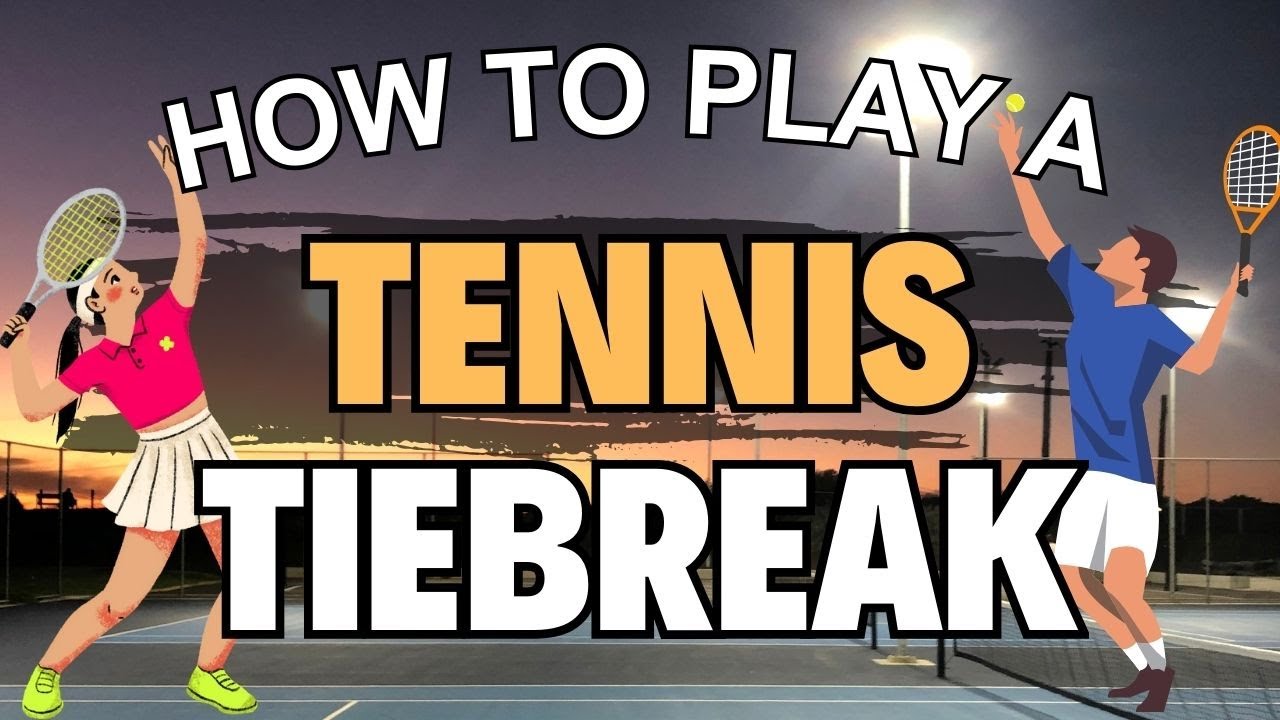
Ever been tied 6–6 in tennis and wondered what happens next? That’s when the tie break comes in — a mini-game that decides the set.

In this video, I’ll walk you step-by-step through how a tie break works:
– How scoring changes (1, 2, 3 instead of 15, 30, 40)
– Who serves first and why
– The unique serving pattern (Deuce start, then Ad → Deuce)
– Why the system keeps things fair
– When players switch sides
– Tie break variations you might see in different formats

By the end, you’ll know exactly how to play a tie break and never be confused at 6–6 again.
————–
Want your own Pace S Pro Ball Machine?
Use my link below for a discount and to help support the channel:

Code for 5% off: Alfred

New NBA All-Star Game format drives huge increase in viewership

On Sunday evening, the NBA All-Star weekend concluded with the big game, which was actually four smaller games as part of a round robin tournament between three teams. The United States youth team swept the field, with Minnesota Timberwolves star Anthony Edwards taking All-Star Game MVP honors.

The NBA has been tinkering with the All-Star Game format for the past few years in hopes of appeasing fans’ ongoing complaints, and if Sunday’s ratings are any indication, the league may have found its new solution moving forward.

x, former ClutchPoints NBA insider Brett Siegel on Twitter reported, “Regardless of what the audience looked like in the arena at times, the 2026 NBA All-Star Game delivered the largest TV audience since 2011, averaging 8.8 million viewers across NBC, Peacock and Telemundo.”

“The 2026 All-Star Game topped last year’s viewership with 87% (4.7 million views),” he said.

This weekend, there was a lot of discussion about the perceived lack of effort from players in the past few All-Star games, with fans wondering if the new USA vs. World format would be enough to motivate the stars to try a little harder.

San Antonio Spurs phenom Victor Wembanyama set the tone early with his competitive play and other stars seemed to follow suit, losing three out of four games at the event.

It remains to be seen if the NBA will pursue this exact format, as at one point, the old USA roster played three straight games, at the end of which they appeared a bit tired.

However, for a league that is in its final stages, NBA officials have to be happy with the game’s ratings results.

The NBA regular season is scheduled to resume on Thursday.


#NBA #AllStar #Game #format #drives #huge #increase #viewership

Leonard’s take on All-Star Game format is exactly like Kawhi Leonard’s

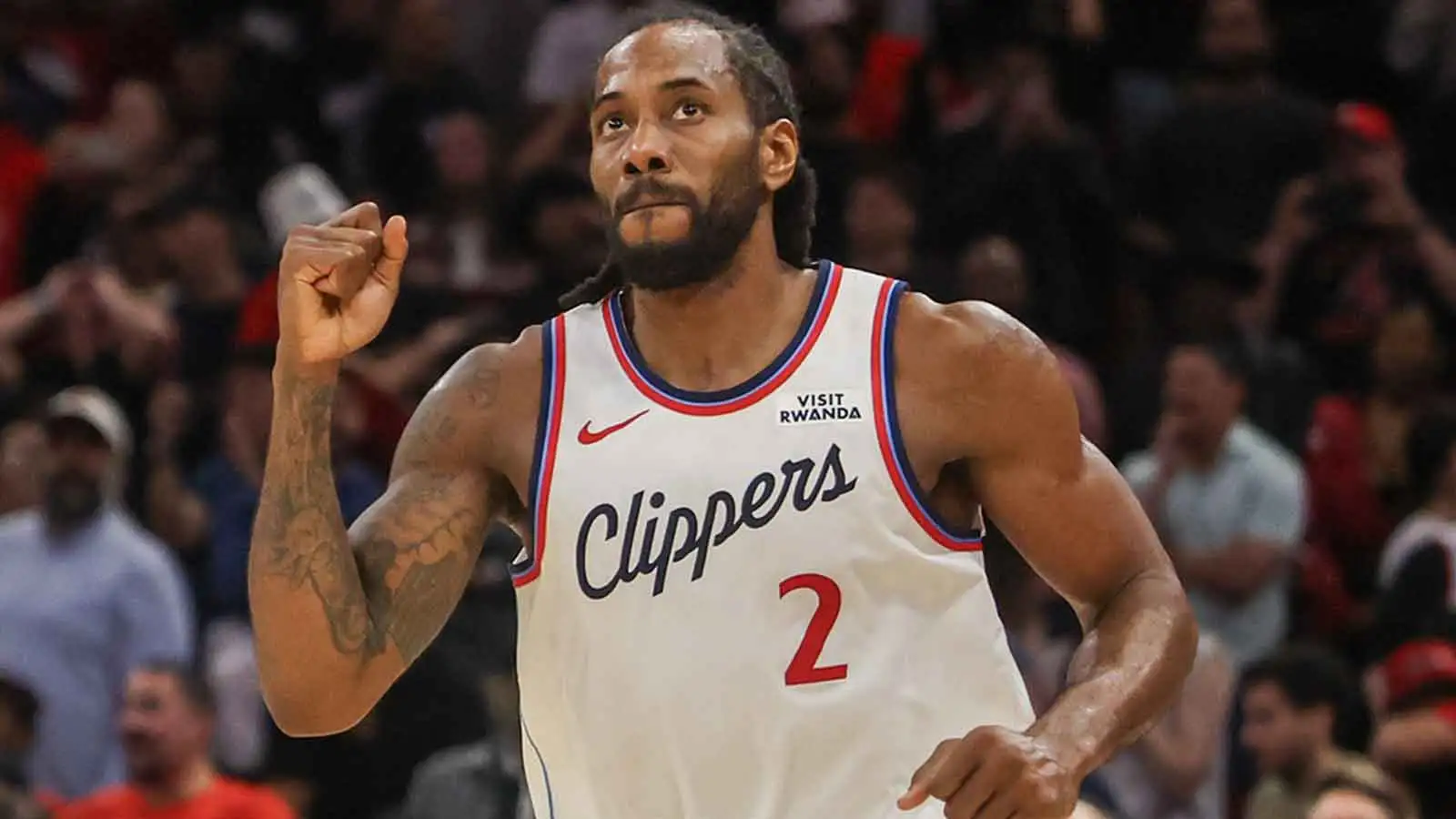
To say that Kawhi Leonard had a great performance during All-Star weekend would be an understatement. The Los Angeles Clippers key player finished with 31 points and the game-winning three-pointer, and seemed extremely satisfied with the new format after the proceedings.

According to a post on X by ClutchPoints, when asked if he liked the new format, he said, “Whatever you guys want. Whatever you know grabs consumer attention, I’m all for it.”

Not many people can question his performance. When fit and active, Leonard remains one of the best players in the league and arguably the best two-way player in the NBA.

And the same has been seen with the Clippers’ season so far. After a rough start for the Clippers, Leonard’s return to form has fueled a dramatic turnaround that has kept the team in the playoff conversation.

“When I play basketball I feel like I’m one of the best players,” he said, though he questioned the basis of the rankings.

“It’s for you guys. For me, I think it’s a rotation every day, every week. Because you guys are coming in scoring 50, playing great defensive games. And then the next night, someone else is going to shine. So, for me, the rankings are just based on maintaining the hype around the game,” Leonard said, clearly determined to continue his great form.

The 34-year-old is currently averaging 27.9 points, 2.1 steals (both career-highs), 6.4 rebounds and 3.7 assists per game, and will be well aware that the Clippers count on him not only for contention, but also for postseason qualification. The Clippers currently sit in 10th place in the Western Conference with a 26-28 record and need to build on their recent performance to overtake teams.


#Leonards #AllStar #Game #format #Kawhi #Leonards

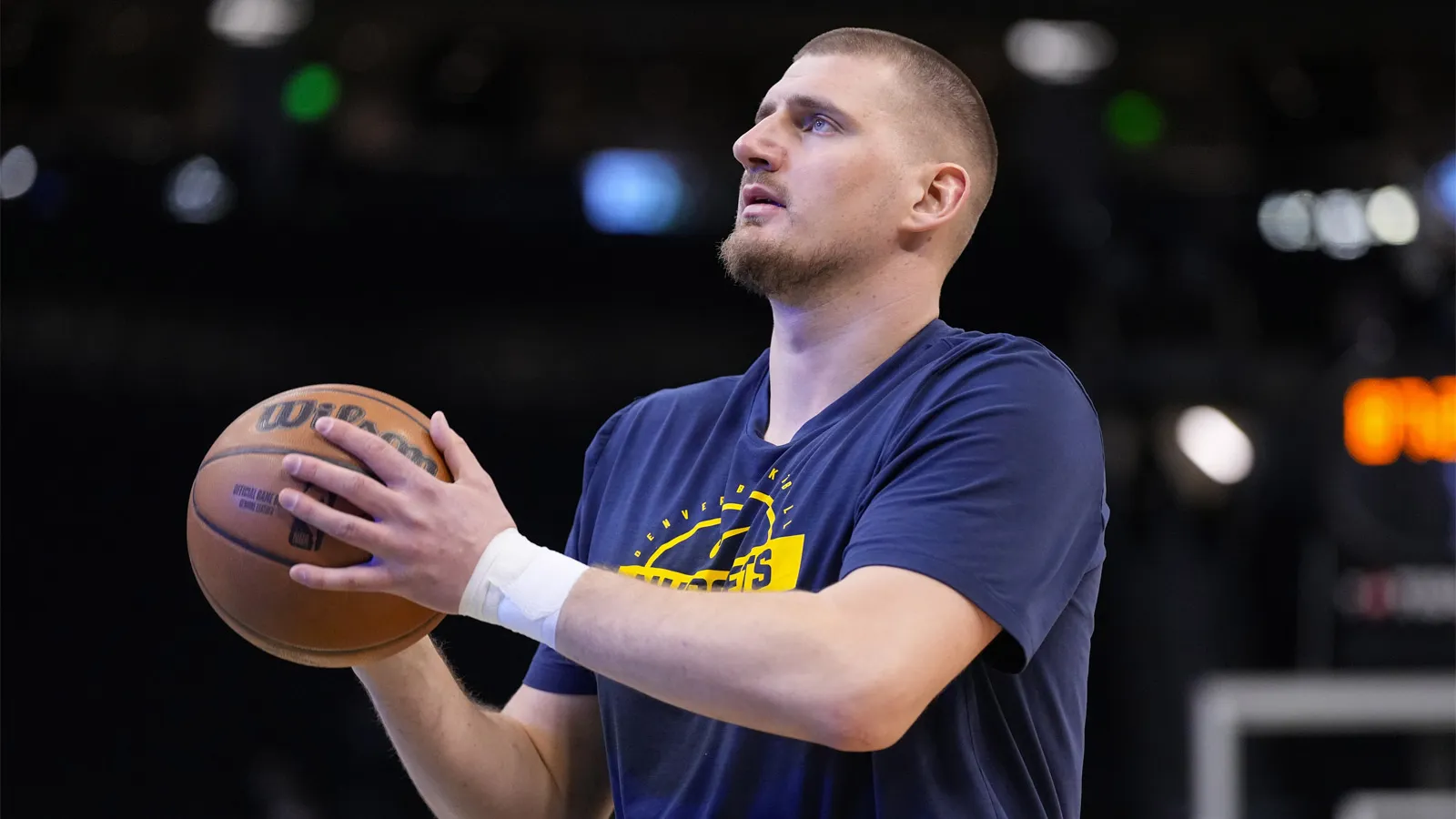
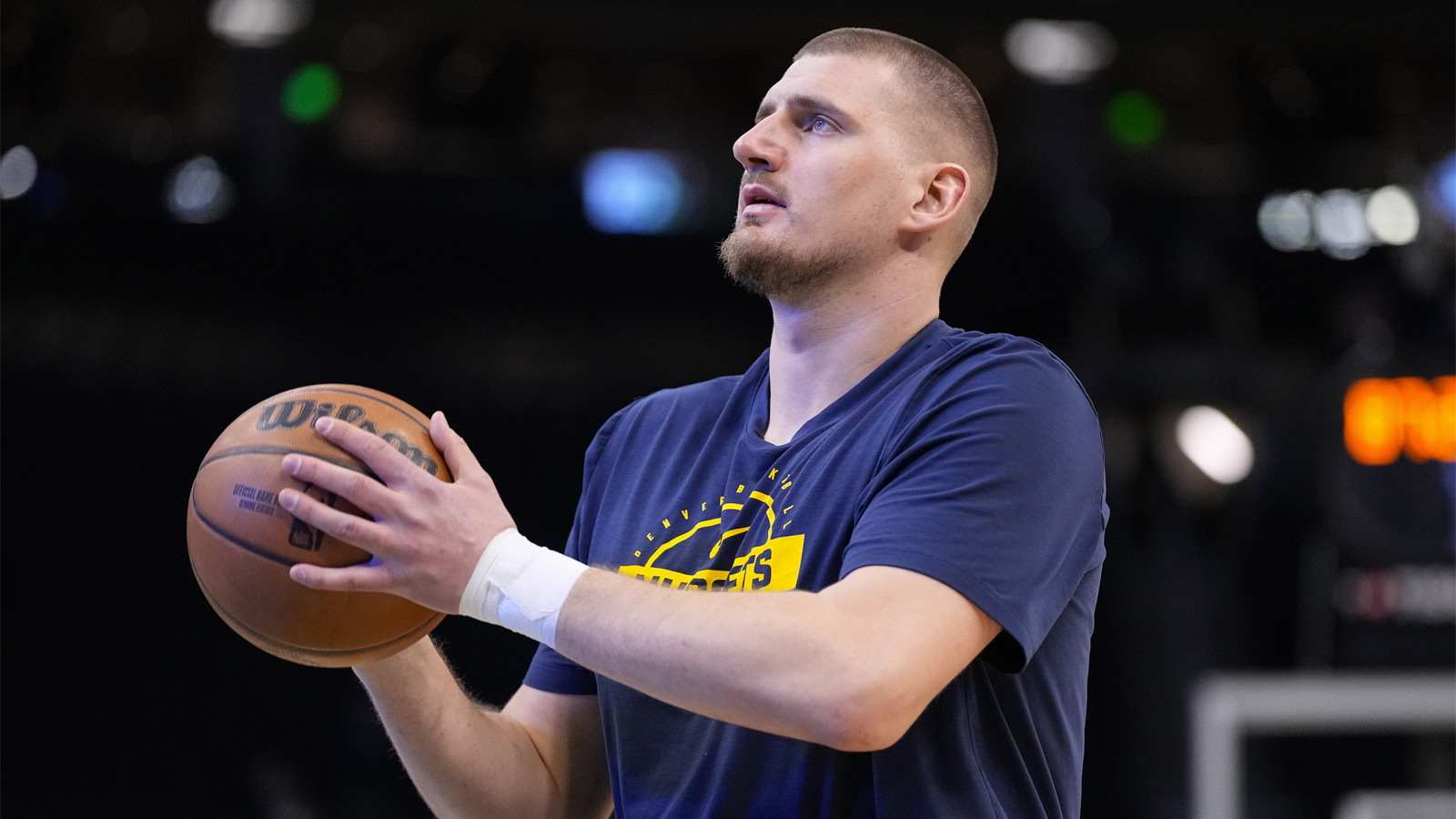
Will Nikola Jokic ‘bring another fire’ to new All-Star format?

The format of the All-Star Game has changed once again, as it will be split between two Team USA and one Team World. The reason for this was to make the game more competitive, but ultimately it is the players who make it interesting, not the format. Nikola Jokic has been one of those players who has consistently been in the All-Star Game for the past few years, and there hasn’t been any change as far as how he plays.

During his media availability, he was asked if he would play anything differently this year because of the format, and as expected, he said nothing would change.

Jokic said, “I’m going to play the same way I play every year. I’m not sure it’s going to bring another fire out of me because I play the same way every game.”

Other players have noted that the competition starts with the players. Kawhi Leonard believes the game should go back to the classic East vs. West format.

“It’s going to start with the starters, whoever gets there first,” Leonard said. “For me, personally, we need to get back to the way it was, and if guys are going to play hard, they’ll play hard. I think it will be competitive this year. I don’t know what the format is like. But hopefully, guys are competing. They usually do, but it’s also an All-Star Game.”

There hasn’t been much competition during the All-Star Game in years past, and the most energy was when they were scoring goals. For some reason, they discontinued that format and created several different teams, and it did nothing to improve it.

It will be interesting to see if this new format changes any players’ approach to the game, because if not, they may have to make more changes.


#Nikola #Jokic #bring #fire #AllStar #format