Hardest Hockey Training Drills: Secret to Pro Stamina Revealed 🏒


Hardest Hockey Training Drills: Secret to Pro Stamina Revealed 🏒

In India, hockey is more than just a sport; it is a legacy. Whether you are playing on the turf in Sansarpur or practicing under the floodlights in Odisha, one thing remains constant: stamina is the bridge between a good player and a champion.

Modern field hockey demands explosive sprints, rapid changes in direction, and the mental clarity to make tactical decisions while your lungs are burning. To reach professional levels, you need more than just skill drills—you need high-intensity conditioning. Here, we reveal the hardest hockey training drills used by pros to build elite stamina.

1. The “Beep” Suicide Sprints

This is a brutal variation of the classic shuttle run. In field hockey, most sprints are between 10 to 30 meters. To simulate a high-intensity match, set up markers at 5, 10, 15, and 20 meters. Sprint to the first marker and back, then the second and back, without any rest.

The Secret: Pros add a “stick-handling” element to this. Executing a reverse-flick or a manual dribble while at 90% of your maximum heart rate builds the “pro stamina” required for the final quarter of a match.

2. The Indian Dribble Endurance Circuit

Indian players are world-renowned for their ‘Indian Dribble’ (quick wrist movements). However, doing it while stationary is easy. The pro version involves a 400-meter track. You must dribble the ball through a series of cones placed 2 meters apart for the entire lap.

This drill targets your forearm endurance and lower back strength. Most players fatigue in their posture before their legs give out; this drill ensures your form stays perfect even when tired.

3. 4×4 High-Intensity Intervals (HIIT)

Conditioning for hockey isn’t about long-distance running; it’s about recovery. The 4×4 drill involves four minutes of high-intensity play (3-on-3 small-sided games) followed by four minutes of active recovery (light jogging/stretching). Repeat this four times.

This mimics the “rolling substitution” rhythm of modern international hockey, teaching your body to flush out lactic acid quickly so you can go again.

4. The “Weighted” Low-Walks

Hockey is played in a semi-crouched position. To build the leg stamina of a professional, pros use “Duck Walks” across the width of the pitch while holding their stick. For an added challenge, wearing a 5kg weighted vest simulates the resistance of playing on a heavy, watered turf.

Conclusion

Building pro-level stamina doesn’t happen overnight. It requires a combination of explosive power and the mental grit to push through the “wall.” By incorporating these hardest hockey training drills into your routine, you are not just training your muscles; you are training your mind to dominate the pitch from the first whistle to the last.

Remember, while talent gets you noticed, it is your fitness and stamina that will keep you on the Indian national circuit. Grab your stick, head to the ground, and start pushing your limits today!

Frequently Asked Questions (FAQs)

1. How many times a week should I do these stamina drills?

For aspiring professional players in India, conditioning should be done 2-3 times a week, ensuring you leave days for skill work and rest to avoid injury.

2. Do I need a gym for hockey stamina training?

While a gym helps for strength, the drills mentioned above (Sprints, Indian Dribble circuits) can be done on any local hockey ground or open field.

3. What should Indian hockey players eat for better stamina?

Focus on a balance of complex carbohydrates like Dalia or brown rice for sustained energy, and lean protein like paneer, eggs, or chicken for muscle recovery.

4. Why is stamina more important in modern hockey than before?

With the introduction of four quarters and unlimited substitutions, the pace of the game has increased significantly. Players are expected to sprint at 100% effort whenever they are on the pitch.

5. Can these drills help with my drag-flick power?

Yes. A lot of drag-flick power comes from a strong core and stable legs. The “Weighted Low-Walks” specifically strengthen the muscles used during the drag-flick lunging motion.

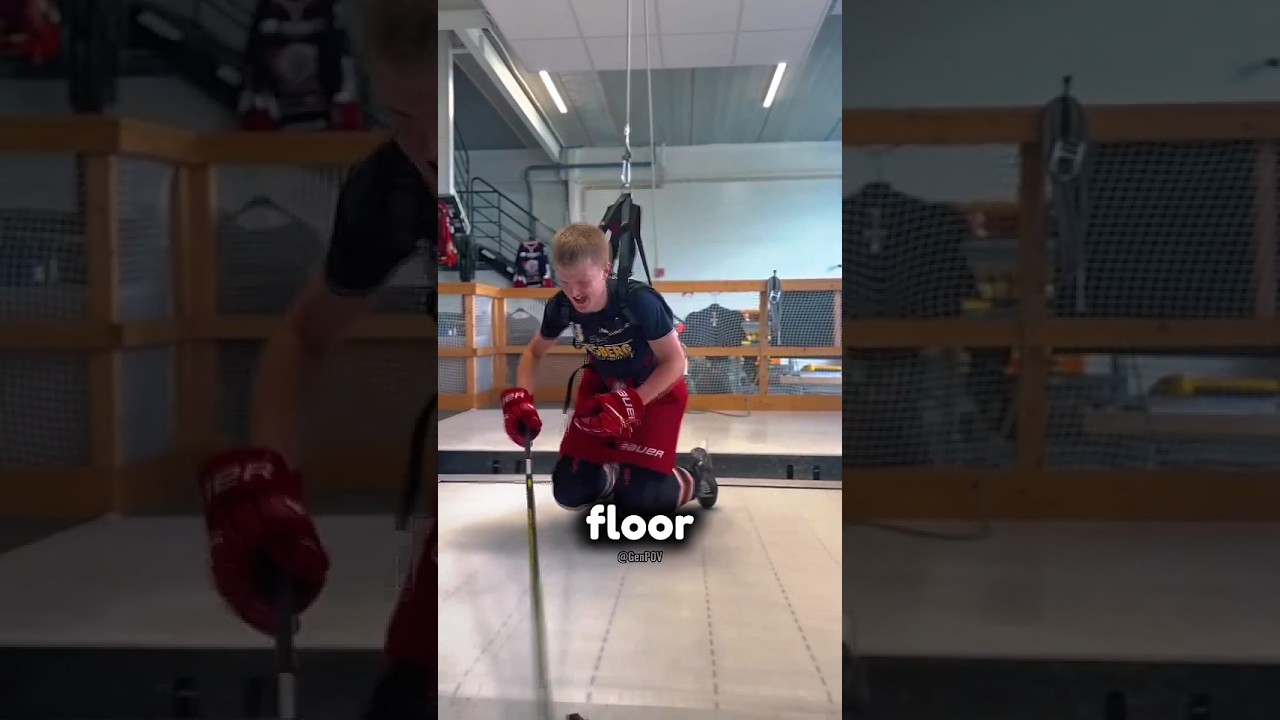
Hockey training goes extreme—players push to the limit on a moving floor, proving why hockey might be the toughest sport in the world.

🎥 Credit: @nordichockeycenter

#shorts #viral #sports
Top 10 Indian Field Hockey Skills & Unbelievable Goals 🏑 #FieldHockey #IndianHockey


Top 10 Indian Field Hockey Skills & Unbelievable Goals 🏑

Field hockey isn’t just a sport in India; it’s a legacy. From the golden era of Major Dhyan Chand to the modern-day brilliance of Harmanpreet Singh, Indian hockey has always been synonymous with “stick magic.” With the rise of the Pro League and major tournaments, fans are constantly searching for live hockey scores and highlights of their favorite stars.

In this article, we dive into the top skills and goals that make Indian hockey a global spectacle. Whether it’s a lightning-fast drag flick or a gravity-defying 3D skill, these moments define the spirit of the game.

1. The Magical 3D Skills

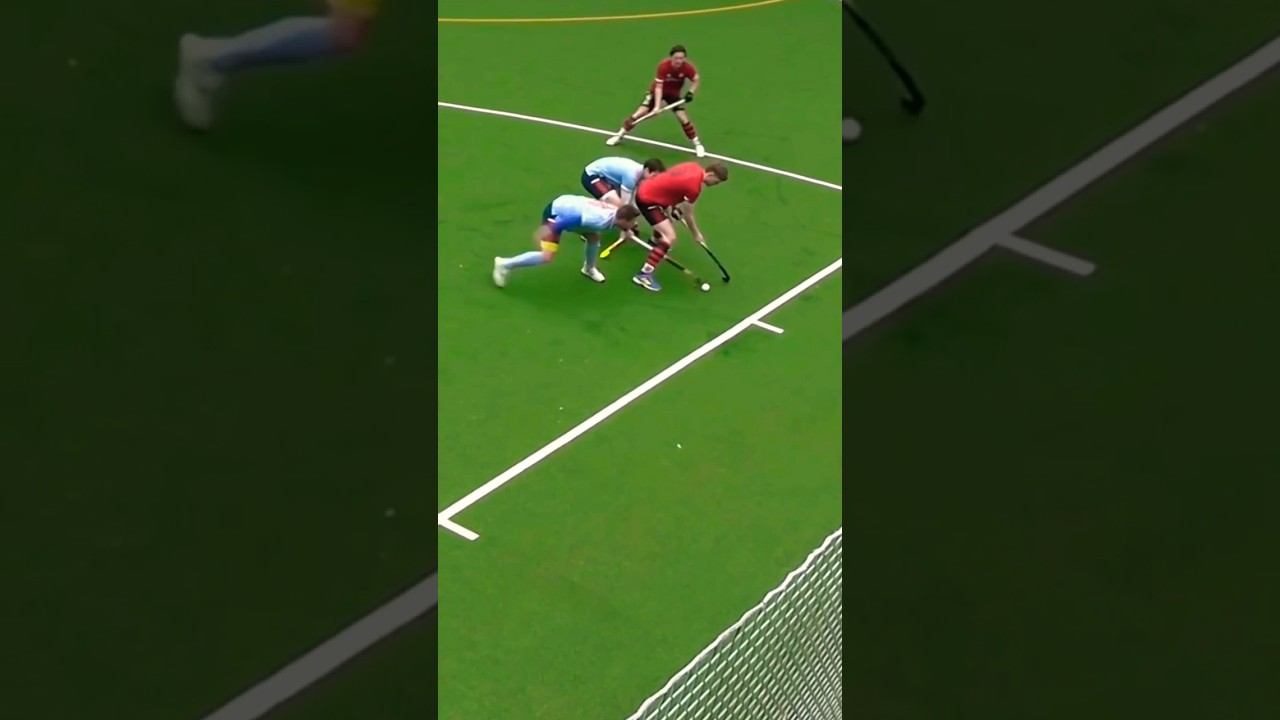
Indian players are masters of 3D skills—lifting the ball over an opponent’s stick while running at full speed. This “air dribbling” makes it nearly impossible for defenders to time their tackles. Watch any highlight reel of midfielders like Hardik Singh to see this in action.

2. Harmanpreet Singh’s Power Drag Flick

When it comes to penalty corners, “Lord” Harmanpreet Singh is clinical. His ability to find the top corners of the net with a ball travelling at over 110 km/h is why India consistently tops the hockey scores charts in international meets.

3. The “Dhyan Chand” Backhand

The reverse hit (or backhand blast) is a staple of Indian strikers. Akashdeep Singh and Mandeep Singh have mastered the art of scoring unbelievable goals from tight angles using the reverse edge of the stick.

4. Goal-Line Clearances

Defense is just as skillful as offense. The bravery of Indian defenders and the reflexes of PR Sreejesh have led to some of the most unbelievable “non-goals” in history, keeping India in the lead during crucial matches.

5. The One-Touch Rebound Goal

Indian strikers are known for their predatory instincts in the “D.” A quick deflection or a one-touch finish off a long pass is a hallmark of the Indian style of play, often catching goalkeepers off guard.

6. Rapid Counter-Attacks

The transition from defense to attack in under 10 seconds is a skill perfected by the current national squad. The sheer pace of players like Abhishek makes India one of the most dangerous counter-attacking teams in the world.

7. The Overhead Aerial Pass

Lifting the ball 40-50 yards accurately to a teammate is a high-level skill. Indian players use this to bypass crowded midfields and create immediate goal-scoring opportunities.

8. Circle Penetration Dribbling

Navigating through four defenders inside the circle requires elite stickwork. The nimble footwork of Indian forwards creates chaotic situations that often lead to penalty corners or field goals.

9. The Sliding Finish

There is nothing more dramatic than a player diving full-stretch to poke the ball into the net. India has scored several unbelievable goals this way, showcasing the grit and determination of the squad.

10. Tactical Team Play

While individual skills shine, the “give and go” passing game is what reflects on the hockey scores. Modern Indian hockey combines traditional artistry with European tactical discipline.

Conclusion

Indian field hockey is witnessing a massive resurgence. From winning the Asian Champions Trophy to securing consecutive Olympic medals, the team’s skill set is at an all-time high. By blending traditional stickwork with modern athleticism, Indian players continue to produce unbelievable goals that leave fans breathless. Keep following the live hockey scores to stay updated with the journey of these “Men in Blue.”

Frequently Asked Questions (FAQs)

1. Where can I check live Indian hockey scores?

You can check live hockey scores on the official Hockey India website, the FIH (International Hockey Federation) TMS portal, or popular sports apps like Flashscore and ESPN.

2. Who is the best drag-flicker in India currently?

Harmanpreet Singh is widely considered the best drag-flicker in India and one of the best in the world, known for his precision and power during penalty corners.

3. What are “3D skills” in hockey?

3D skills refer to the technique of playing the ball in the air (the third dimension) rather than just on the ground, allowing players to bypass a defender’s stick.

4. How many Olympic Gold Medals has Indian Hockey won?

The Indian Men’s Hockey team has won a record 8 Olympic Gold Medals, showcasing a historic dominance in the sport.

5. Which hashtag should I use to follow Indian Hockey on social media?

You can use #IndianHockey, #HockeyIndia, and #FieldHockey to stay updated with the latest trends, goals, and news.

field hockey best skills and goal
best 3d hockey skills
imaging hockey skill and goal
best field hockey goal
best 3d field hockey skills

#hockey
#sports
#viral
#hockyindia
#motivation
#fitness
#running
#armylover
#gym
#fieldhockeytips
#hockeylove
#hockeytraining
#tranding
#shorts