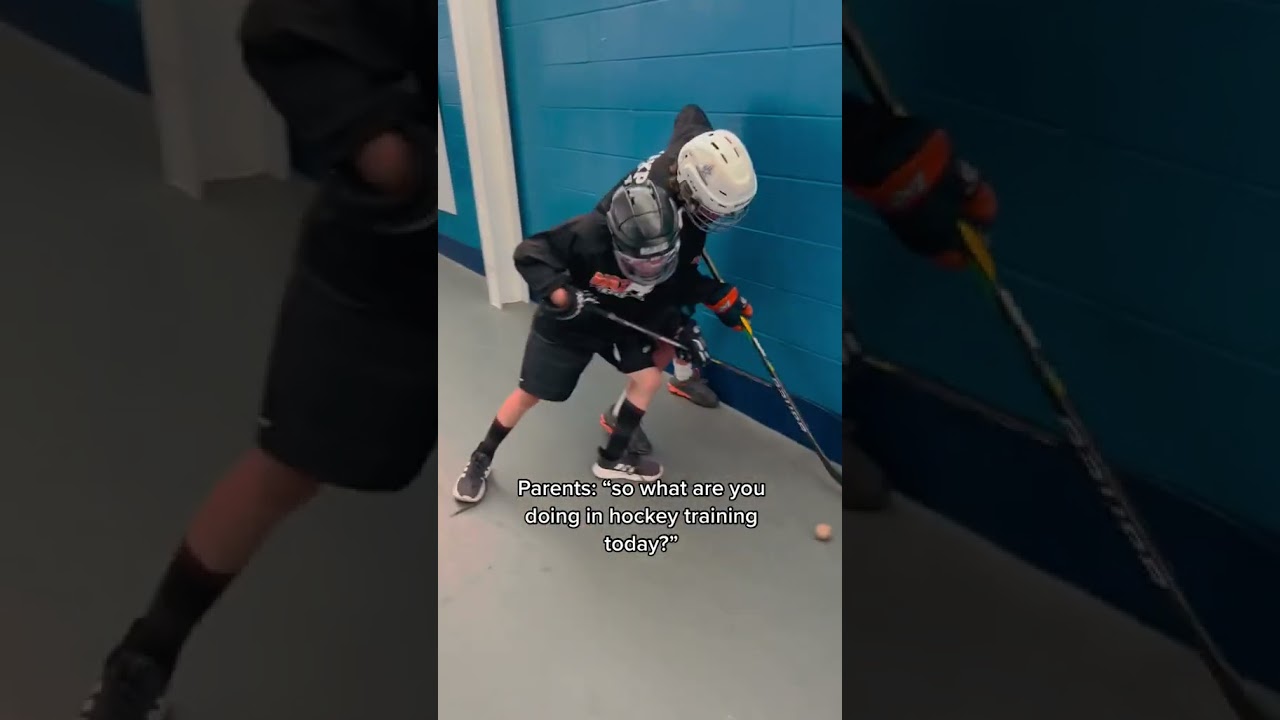
Best Hockey Training Drills to Improve Your Game: Expert Tips & Techniques
In India, hockey is more than just a sport; it is a legacy. From the golden era of Major Dhyan Chand to the recent resurgence of the Men’s and Women’s national teams, the passion for the game is hitting an all-time high. Whether you are playing on a local turf in Punjab or a stadium in Odisha, mastering the basics is the only way to reach the professional level.
To help you sharpen your skills, we have compiled the best hockey training drills and expert techniques designed to elevate your flicking, dribbling, and stamina.
1. Master the Indian Dribble
The “Indian Dribble” is famous worldwide for its effectiveness in tight spaces. This drill focuses on rapid wrist movements to move the ball from left to right.
- How to do it: Set up 5 to 10 cones in a straight line. Weave through them using only the flat side of your stick by rotating your left wrist.
- Expert Tip: Keep your knees bent and your head up. Looking at the ball is a beginner mistake; looking at the field allows you to spot teammates and defenders.
2. Target Shooting and Flicking Drills
Goal scoring in hockey requires precision rather than just raw power. Since penalty corners are vital in modern hockey, mastering the “Drag Flick” is essential.
- The Drill: Place targets (like water bottles or small cones) in the four corners of the goal net. Practice hitting these targets from the top of the “D”.
- Technique: For drag flicks, ensure your lead foot is pointing towards the target and use your core strength to generate whip through the stick.
3. The “T-Drill” for Agility
Hockey is a game of 60 minutes of high-intensity sprinting. Agility allows you to change direction quickly without losing balance.
- The Drill: Set up four cones in a “T” shape. Sprint forward to the center cone, shuffle sideways to the left, shuffle all the way to the right, back to the center, and sprint back to the start.
- Benefit: This mimics defensive positioning and offensive dodging maneuvers used during a high-stakes match.
4. Accuracy under Pressure: Pass and Move
In modern hockey, a player should never stand still after passing. The ‘Pass and Move’ drill builds cardiovascular endurance and synchronization.
- The Drill: Work with a partner. Pass the ball, then immediately sprint to a new open space to receive the return pass. Repeat this for 2-minute intervals.
Expert Tips for Indian Players
- Hydration is Key: In the Indian climate, players lose electrolytes quickly. Always carry a sports drink or lime water (Nimbu Paani) to stay hydrated during practice.
- Footwork: Your feet position determines your reach. Never cross your legs while defending; use side-steps to maintain a solid base.
- Stick Maintenance: Ensure your composite or wooden stick is the right height—usually reaching your hip bone—to prevent back injuries.
Conclusion
Becoming a top-tier hockey player requires a blend of traditional discipline and modern sports science. By incorporating these hockey training drills into your daily routine, you can significantly improve your ball control, speed, and scoring ability. Remember, the greats weren’t made overnight; they were made through thousands of repetitions on the practice field. Grab your stick, head to the nearest ground, and start training like a champion today!
Frequently Asked Questions (FAQs)
1. What is the most important skill in field hockey?
While all skills are important, ball control (dribbling) is fundamental. If you can’t control the ball under pressure, you cannot pass or shoot effectively.
2. How can I improve my stamina for hockey?
Interval training is the best method. Instead of long-distance running, try “HIIT” (High-Intensity Interval Training) which involves short sprints followed by brief rest periods, mimicking the pace of a real match.
3. At what age should kids start hockey training in India?
Most experts suggest starting between the ages of 7 and 10. This is the “golden age” for developing motor skills and hand-eye coordination.
4. How do I choose the right hockey stick?
For beginners, a stick with a lower carbon percentage is better for control. As you gain power and move to advanced levels, a higher carbon content (70%+) helps with powerful hits and flicks.
Little bit of this, little bit of that in each hockey training practice. #shorts #hockeytraining #hockeydrills