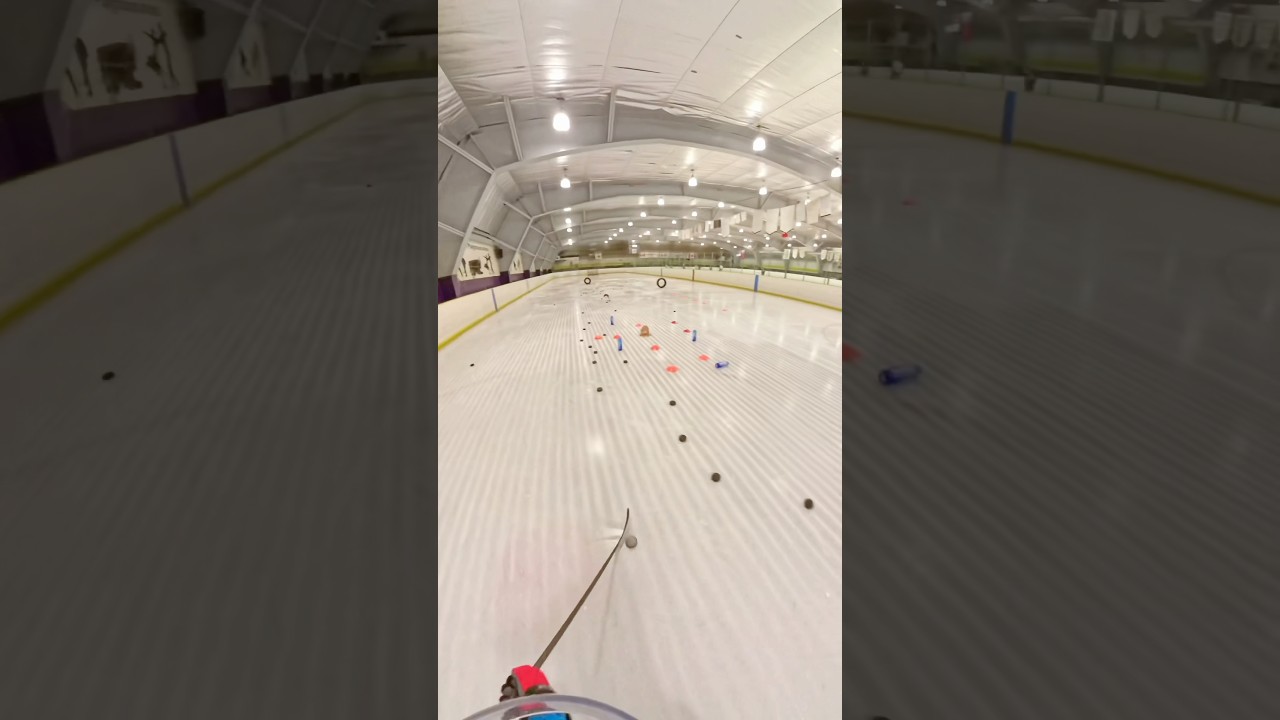
Field Hockey Magic: Pavel Barber Drills 🏒🇮🇳 #hockey


Field Hockey Magic: Master the Pavel Barber Drills to Elevate Your Game 🏒🇮🇳

In India, hockey is more than just a sport; it is an emotion woven into our national identity. From the legendary magic of Dhyan Chand to the modern-day heroics of Harmanpreet Singh, the DNA of Indian hockey is defined by superioir stickwork and creative flair. If you want to elevate your game to international standards, incorporating Pavel Barber Drills is the ultimate game-changer.

Originally famous for his revolutionary ice hockey stickhandling, Pavel Barber’s techniques have crossed over into field hockey, offering players a unique edge in creative ball control and deceptive movements. Let’s dive into how these drills can transform your performance on the turf.

Why Pavel Barber Drills are a Hit in India

The modern game of field hockey has become incredibly fast. With the transition from natural grass to high-speed polyturf, the demand for “soft hands” and quick wrist movements has increased. Pavel Barber’s methodology focuses on “Hand-Eye Coordination” and “Constraint-Based Learning.” For an Indian player, this means mastering the traditional Indian Dribble while adding a layer of modern unpredictability that confuses defenders.

Key Pavel Barber Drills to Practice Today

1. The “Around the World” Reach

This drill focuses on expanding your reach. Stand in a neutral position and move the ball in the widest possible circle around your body without moving your feet. This improves your ability to protect the ball and pull it away from a lunging defender—a crucial skill for midfielders in tight Indian domestic circuits.

2. Soft-Touch Figure Eights

Set up two cones about one meter apart. Weave the ball through the cones in a figure-eight pattern using the smallest, quickest touches possible. Barber emphasizes “quiet” stickwork. The goal is to make the ball feel like an extension of your body, ensuring it never leaves your stick during high-speed transitions.

3. Maximum Extension Pull-Backs

One of the hallmarks of Pavel Barber’s style is the extreme pull-back. Practice pulling the ball from far on your right side to deep on your left in one fluid motion. This builds the forearm strength required for those explosive 3D skills and aerial lifts that are now vital in the modern FIH Pro League style of play.

The Secret Ingredient: Creative Flow

What makes #FieldHockeyMagic isn’t just repetition; it’s creativity. Barber encourages players to “play with the ball” rather than just “drill.” Spend 10 minutes at the end of every session on the turf practicing 3D skills—lifting the ball over an opponent’s stick or juggling it in mid-air. This “freestyle” approach builds the confidence needed to pull off a match-winning move under pressure.

Conclusion

Mastering field hockey requires a blend of traditional foundations and modern innovation. By integrating Pavel Barber drills into your training routine, you are sharpening your technical tools and developing a creative mindset. Whether you are playing for your school team or dreaming of wearing the India Blue jersey, remember that magic on the field is simply the result of hard work and “magic” in your hands. Get out there, grab your stick, and start practicing!

Frequently Asked Questions (FAQs)

1. Can ice hockey drills really help in field hockey?

Yes! While the surfaces are different, the principles of hand-eye coordination, wrist rotation, and deceptive stickhandling are identical. Pavel Barber’s drills are highly effective for field hockey players looking to improve 3D skills.

2. How often should I practice these drills?

For best results, spend at least 15-20 minutes daily on stickhandling. Consistency is more important than duration when building muscle memory.

3. Do I need special equipment for these drills?

No. All you need is your standard field hockey stick, a ball, and a few cones (or even stones). A flat surface like a turf or a smooth floor is ideal for these drills.

4. Are these drills suitable for beginners?

Absolutely. Beginners can start at a slower pace to master the form, while advanced players can increase the speed and add “head-up” movements to simulate game conditions.
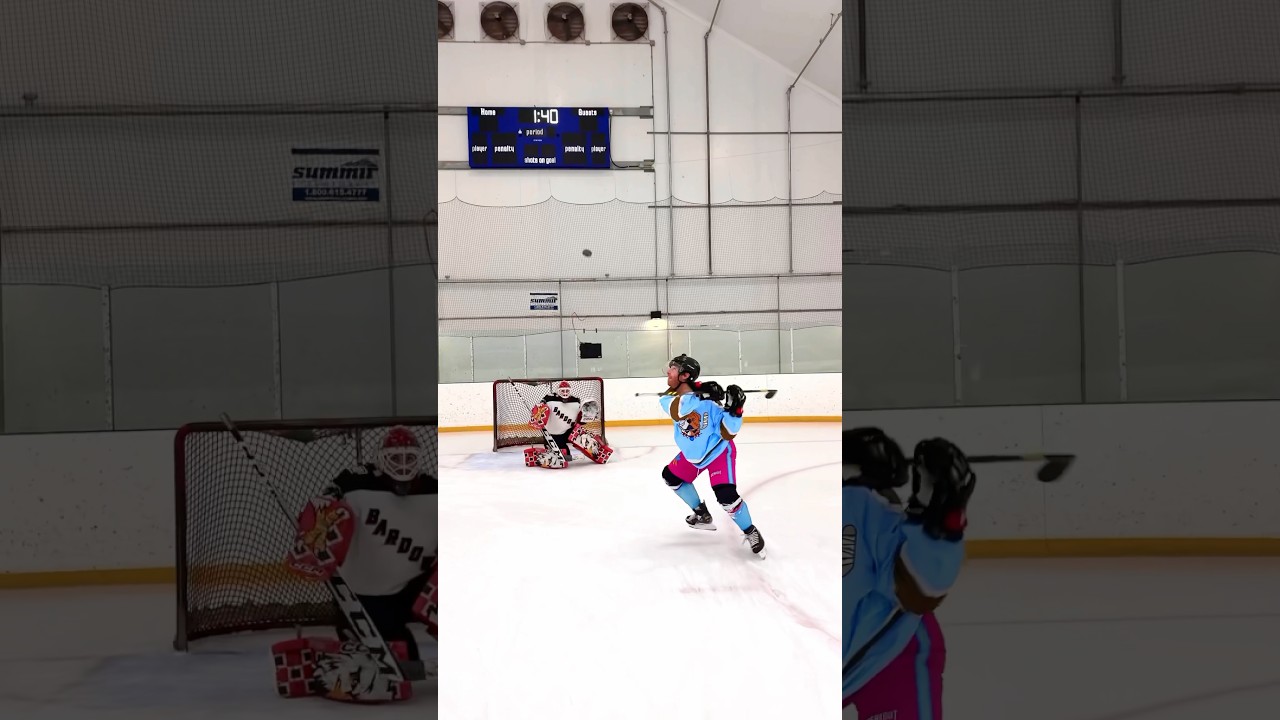

Unexpected Hockey Skills & Tricks | Pavel Barber Volume 2 #hockey #pavelbarber


Unexpected Hockey Skills & Tricks: Mastering the Game like Pavel Barber

In the world of modern sports, the lines between different disciplines are blurring. Nowhere is this more evident than in the viral influence of Pavel Barber, the internet’s premier stickhandling specialist. While Barber primarily focuses on ice hockey, his “Unexpected Hockey Skills & Tricks | Volume 2” has become a goldmine for athletes worldwide, including the rising stars of Indian field hockey.

For an Indian audience, where field hockey is a matter of national pride, incorporating these creative, “unexpected” maneuvers can be the difference between a predictable play and a game-changing goal. Let’s dive into how these creative skills are redefining the sport.

The Magic of “Unexpected” Stickhandling

What makes Pavel Barber’s Volume 2 so captivating is the focus on deception. In high-stakes matches—whether on the turf in Odisha or an ice rink in Canada—the best players are those who can manipulate the defender’s feet using only their stick movement.

Unexpected skills often involve using the “toe” of the stick or unconventional weight transfers. In field hockey, adapting these tricks means mastering the 360-degree ball control. By studying Barber’s techniques, Indian players can learn to keep the ball in a “triple-threat” position, making it impossible for defenders to predict if a pass, a shot, or a dodge is coming next.

Creativity Over Convention

Traditional coaching often emphasizes rigid forms. However, the #PavelBarber philosophy encourages players to embrace “flow.” This includes:

  • The Fake Pull-Back: Making the defender commit to a tackle before exploding in the opposite direction.
  • Air Dribbling: Using 3D skills to lift the ball over the opponent’s stick—a move that is becoming increasingly vital in the Indian domestic circuit.
  • One-Handed Control: Extending reach to maintain possession under heavy pressure.

Why Indian Players Should Watch Pavel Barber

India has a rich history of “magical” stickwork, pioneered by legends like Dhyan Chand. However, the modern game is faster and more physical. By integrating the creative flair seen in Pavel Barber’s Volume 2, Indian youngsters can combine traditional Indian “wrist-work” with modern tactical deception. This hybrid style is essential for competing against powerhouse teams like Australia and the Netherlands.

Conclusion

Pavel Barber’s Volume 2 is more than just a highlight reel of tricks; it is a masterclass in hand-eye coordination and psychological warfare on the pitch. For Indian hockey enthusiasts, these unexpected skills offer a way to innovate and keep the opposition guessing. Whether you are playing on a professionalastroturf or a local ground, remember that the most dangerous player is the one who does the unexpected.


Frequently Asked Questions (FAQs)

1. Can ice hockey tricks from Pavel Barber be used in field hockey?

Yes! While the equipment differs, the principles of hand-eye coordination, deceptive body movement, and spatial awareness are identical. Many Indian field hockey players use these “tricks” to improve their 3D skills and ball control.

2. Who is Pavel Barber?

Pavel Barber is a world-renowned hockey stickhandling coach and content creator known for his incredible skill displays and educational videos. He is a consultant for many professional NHL players.

3. What are “3D skills” in field hockey?

3D skills refer to the ability to lift the ball off the ground to bypass a defender’s stick. This is the field hockey equivalent of the “unexpected” air-tricks seen in Pavel Barber’s videos.

4. How can I improve my hockey stickhandling at home?

Focus on soft hands and high-repetition drills. Use a golf ball or a heavy training ball to improve wrist strength, similar to the drills showcased in the #PavelBarber series.

5. Is creativity more important than speed in hockey?

Both are vital, but creativity allows a player to beat an opponent even if they aren’t faster. Unexpected skills create time and space, which is the most valuable commodity in any sport.