Junior Ice Hockey Goalie Gear Size Guide: India Buying Tips


Junior Ice Hockey Goalie Gear Size Guide: India Buying Tips

Ice hockey is a rapidly growing sport in India, particularly in regions like Ladakh, Himachal Pradesh, and Uttarakhand. As more young athletes step into the crease, selecting the right equipment becomes vital. Being an ice hockey goalie is one of the most demanding roles in sports, and for a junior player, proper fit is the difference between a great save and a potential injury.

This guide provides essential tips for Indian parents and players on how to size junior goalie gear correctly, considering the unique challenges of availability and climate in the Indian market.

1. Measuring Leg Pads (The Goalie’s Shield)

Leg pads are the most iconic part of goalie gear. For junior players, the most common mistake is buying pads that are too large, hoping the child will “grow into them.” This hampers mobility and technique.

  • How to Measure: Measure the distance from the floor to the center of the kneecap (while slightly bent) and from the kneecap to the mid-thigh.
  • The “At-Home” Test: When the player puts the pads on, their knee must land directly in the center of the knee cradle. If the knee is too low, the pads are too big.

2. Catch Gloves and Blockers

A junior goalie needs to feel the puck. In India, where gear is often imported, sizes usually follow “Junior” or “Youth” categories.

  • The Blocker: There should be no more than half an inch of space between the fingertips and the end of the glove. A blocker that is too big will rotate on the hand during a save.
  • The Catch Glove: The player should be able to close the glove comfortably. Ensure the wrist strap can be tightened enough to secure the glove to a smaller wrist.

3. The Goalie Mask (Helmet)

Safety is paramount. A goalie mask must fit snugly around the entire head with no gaps.
Pro Tip for India: Since you might be playing on outdoor rinks in high altitudes (like Leh), ensure the internal foam doesn’t become too brittle in extreme cold. Always check for the HECC or CSA certification stickers on the back.

4. Buying Tips for the Indian Market

Finding ice hockey gear in India can be tricky. Here are a few strategic tips:

  • Check Local Foundations: Organizations like the Ice Hockey Association of India (IHAI) often have equipment registries or second-hand gear programs.
  • Importing Considerations: If ordering from abroad, factor in “Customs Duty.” Junior gear is often lighter, which can help save on international shipping costs.
  • The Layering Factor: Since many Indian rinks are outdoors, ensure the chest protector and pants have enough room to accommodate a thin thermal base layer without restricting movement.

Conclusion

Choosing junior ice hockey goalie gear requires a balance between protection, mobility, and growth room. In the Indian context, where the sport is evolving, investing in the right size ensures that young “wall-builders” stay safe and develop the correct habits on the ice. Remember, a well-fitted goalie is a confident goalie. Always prioritize the fit of the knee cradle and the helmet above any aesthetic preference.


Frequently Asked Questions (FAQs)

1. What age group is “Junior” gear for?

Generally, Junior gear is designed for players aged 8 to 12 years. However, sizing should always be based on physical measurements (height and weight) rather than age alone.

2. Can my child use player skates for goaltending?

While beginners in India often start with player skates, it is highly recommended to switch to goalie skates as soon as possible. Goalie skates have a flatter blade for stability and extra reinforcement to protect feet from puck impacts.

3. Where can I buy ice hockey goalie gear in India?

Specialized shops are rare, but you can find gear through the Ladakh Winter Sports Club, certain dealers in Delhi, or by ordering from international retailers that ship to India. Always check for local community gear swaps!

4. How do I know if the chest protector fits?

The chest protector should end at the waistline. If it is too long, it will push the helmet up when the goalie crouches. The elbow pads must stay in place when the arms are moved.

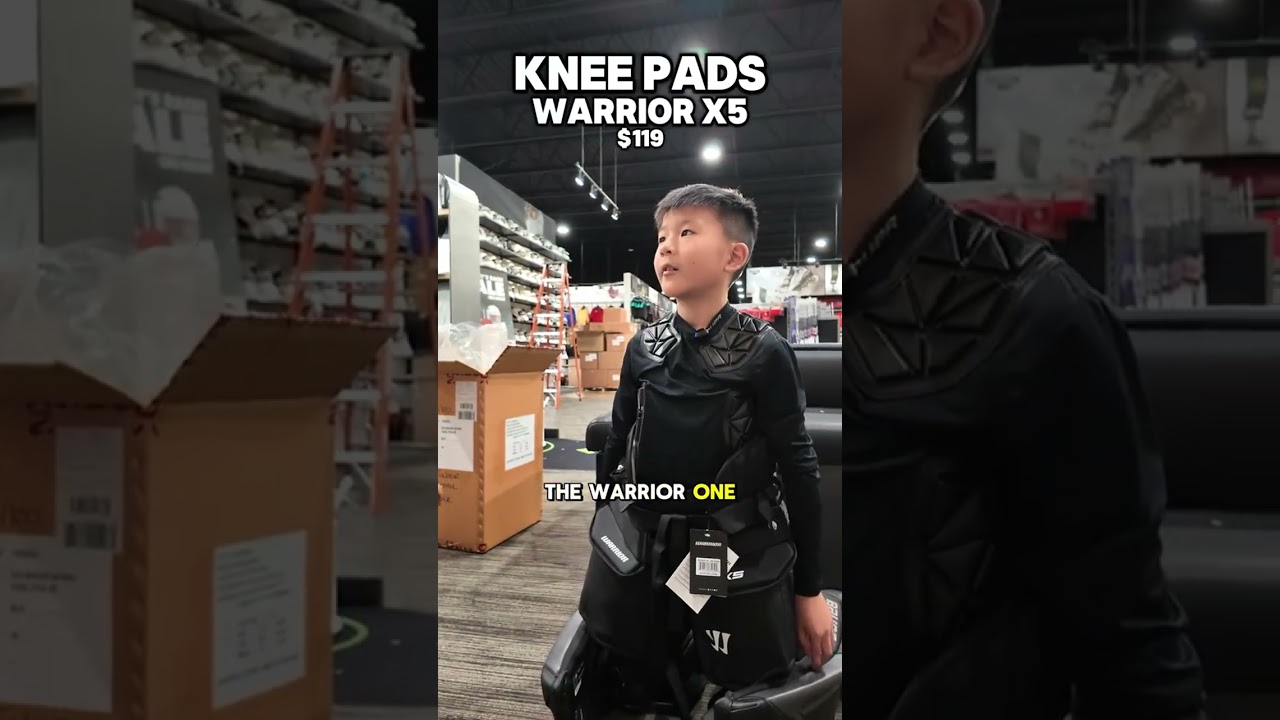
Chace stepped in the crease to help us out 🥅 Here’s how we size up junior goalies to make sure the gear fits right before the season starts. If you need help with fitting your goalie for the season, give us a call or visit us in store! #hockey #hockeygoalie #icehockey #hockeyshop #tendy #hockeysback
Field Hockey Stick Size Guide: How to Choose the Right Length for You


Field Hockey Stick Size Guide: How to Choose the Right Length for You

Field hockey is a sport of precision, pace, and skill. In India, where hockey is a part of our national heritage, choosing the right equipment is the first step toward excellence on the turf. Whether you are aiming for the local club or dreaming of the Olympics, the most critical piece of gear is your stick. But how do you know which size is right for you? A stick that is too long will hinder your control, while one that is too short can lead to back pain.

Why Does the Length of Your Hockey Stick Matter?

In field hockey, the length of your stick affects three main areas: control, reach, and posture. A correctly sized stick allows you to maintain an athletic stance, keeping your eyes on the ball while ensuring your back isn’t strained. If you are a defender, you might prefer a slightly longer stick for extra reach. In contrast, midfielders and forwards often prefer slightly shorter sticks for better dribbling and close-range ball manipulation.

The Standard Measurement Methods

There are two primary ways to determine the right hockey stick size for Indian players:

1. The Hip Method (Best for Beginners)

This is the most common method used in Indian academies. Stand straight with your shoes on. Place the head of the stick on the ground next to your foot. The top of the handle (the end of the stick) should reach your hip bone. If the stick reaches your belly button or higher, it is likely too long.

2. The “U-Bend” or Underarm Method

Hold the stick upside down and tuck the head into your armpit. The handle should end at the middle of your kneecap. If it goes past your knee, it’s too long; if it doesn’t reach your knee, it’s too short.

Hockey Stick Size Chart for Indian Players

While personal preference eventually takes over, here is a general guideline based on height:

Player Height (Feet/Inches)Recommended Stick Length (Inches)
4′ 0″ – 4′ 3″28″ – 30″
4′ 4″ – 4′ 6″32″
4′ 7″ – 5′ 0″34″
5′ 1″ – 5′ 3″35.5″
5′ 4″ – 5′ 10″36.5″
Over 5′ 10″37.5″ or 38.5″

36.5″ vs. 37.5″: The Common Dilemma

In India, the most popular size for adults and teenagers is 36.5 inches. It is widely considered the “standard” size for professional play. However, taller players (above 5’10”) or those playing in defensive positions are increasingly choosing 37.5 inches for greater power and defensive range. If you are unsure, stick with a 36.5″ stick as it offers the best balance for the modern, fast-paced Indian style of play.

Conclusion

Choosing the right field hockey stick is a personal journey. While charts and measurements provide a solid foundation, the best stick is the one that feels like an extension of your arm. For young players in India, it is tempting to buy a longer stick thinking they will “grow into it,” but this can ruin their technique. Always prioritize comfort and control over length. Visit a local sports shop, try both the hip and underarm methods, and pick the one that lets you move freely.

Frequently Asked Questions (FAQs)

1. What is the most common hockey stick size for adults in India?

The 36.5-inch stick is the standard size for most adult men and women in India. It provides the ideal balance of control and power.

2. Can a stick be too long for a child?

Yes. A stick that is too long is heavy and difficult for a child to swing. It can also lead to poor posture and “hacking” at the ball rather than proper dribbling.

3. Do defenders need longer sticks?

Many defenders prefer a 37.5-inch stick because it provides a longer reach for interceptions and more leverage for long-distance clearing hits.

4. How do I know if my hockey stick is the right weight?

Most players prefer “Light” (530g – 560g) for quick skills or “Medium” (560g – 590g) for powerful hitting. If your wrists feel tired after 10 minutes of dribbling, the stick is likely too heavy.

5. Does the material of the stick affect the size I should choose?

No, the material (Wood, Carbon, or Fiberglass) does not change the length you need. However, higher carbon sticks are stiffer and provide more power, regardless of the size.

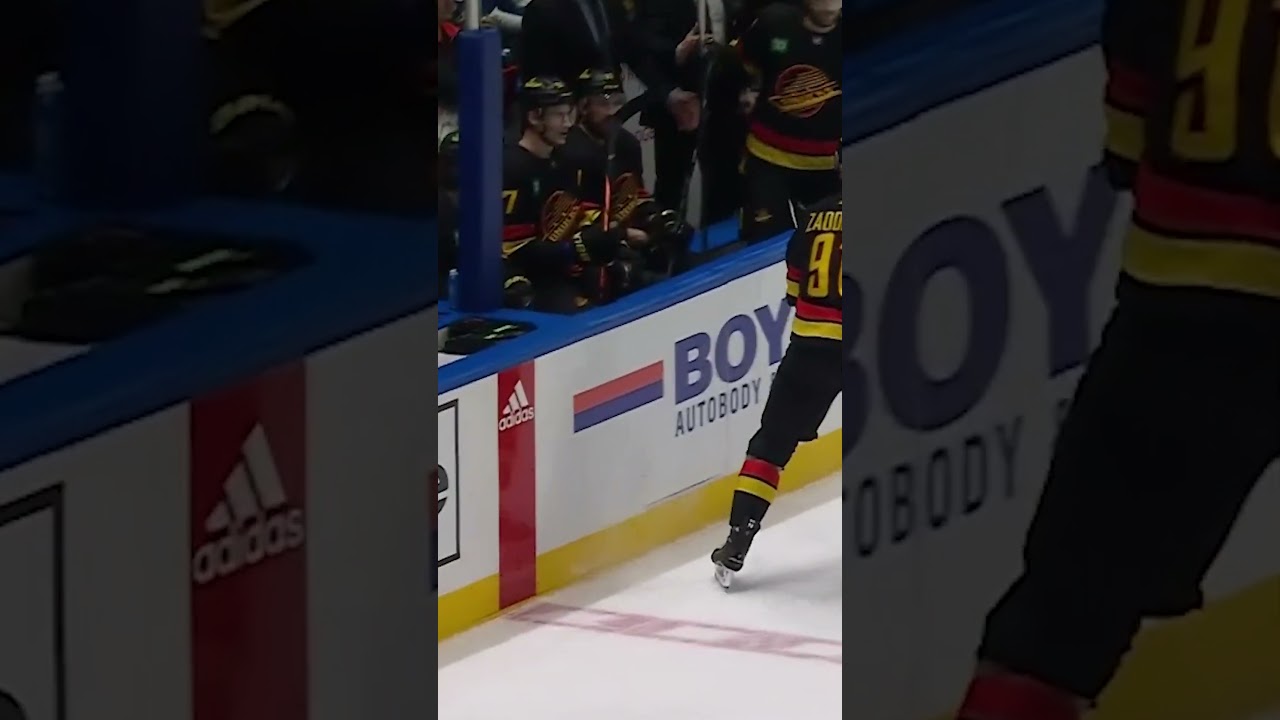
Vancouver Canucks Nikita Zadorov breaks his stick during play and teammate Quinn Hughes offers his up even with a height difference.

Subscribe to our channel for the latest hockey action by clicking the big, red shiny SUBSCRIBE button.

Breaking news, scores, stats, analysis & real-time highlights:
Feeling social?

Twitter:
Facebook:
Instagram: