How Bedard Activates Stick Flex: Snapshot Tutorial for Indian Hockey Players 🏒🇮🇳
Field hockey has always been a religion in India, but the thrill of Ice Hockey is rapidly gaining momentum from the rinks of Ladakh to the urban centers of Delhi and Mumbai. If you are an aspiring Indian hockey player looking to level up your scoring ability, there is one name you must study: Connor Bedard.
The NHL superstar is famous for his lethal “snapshots.” The secret isn’t just arm strength; it’s about how he activates stick flex. In this tutorial, we break down his mechanics so you can apply them to your game, whether you are on the ice or using a composite stick on a roller rink.
1. The “Kick” Point: Understanding Your Equipment
Before mimicking the technique, Indian players must understand their gear. Unlike traditional wooden sticks often seen in street hockey, modern carbon-fiber ice hockey sticks are designed to act like a bow and arrow. Bedard typically uses a lower flex (around 70), which allows him to bend the stick with less effort. For Indian players, choosing a stick with a flex rating below your body weight is the first step to “loading” the shot.
2. Top Hand Displacement (The Pull)
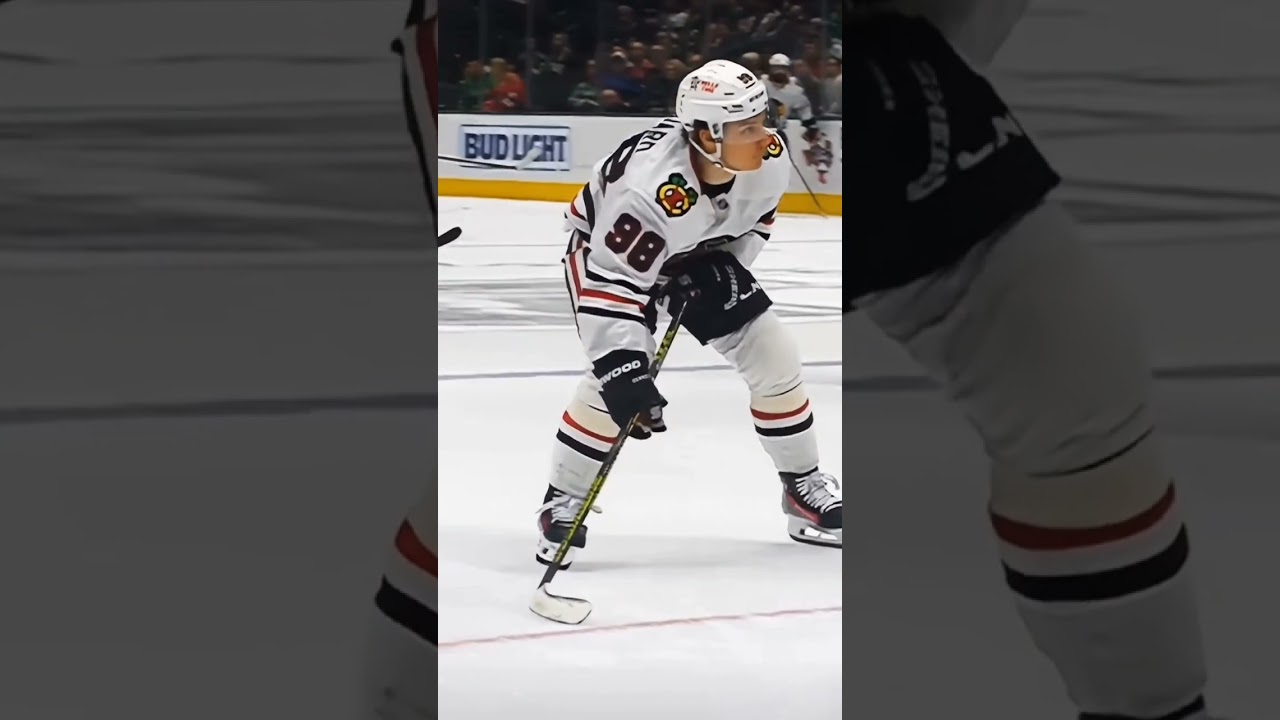
The most distinctive part of Bedard’s shot is his top hand. Instead of keeping it close to his body, he pushes it away.
- Step 1: Extend your top hand (the one at the butt-end) away from your torso.
- Step 2: As you begin the shot, pull that top hand back toward your hip sharply.
This “lever” action creates the initial tension required to bend the shaft of the stick.
3. Bottom Hand Pressure (The Push)
While the top hand pulls, the bottom hand (positioned mid-shaft) must drive downward into the ice. Bedard doesn’t just hit the puck; he hits the ice about an inch before the puck. This creates a “hinge” effect where the stick bows outward. In the dry-land training centers appearing across India, practicing this on a shooting pad is essential to develop the muscle memory of “leaning” into the stick.
4. The “Toe-Drag” Release
Bedard often changes the angle of his shot right before the release. He pulls the puck toward his body (a mini toe-drag) before snapping it. This movement shifts his center of gravity, allowing him to put his full body weight into the flex of the stick. This makes the shot unpredictable for goalkeepers and incredibly high-velocity.
5. Body Weight Transfer
In Indian field hockey, we often use our wrists for flicks. In Bedard’s snapshot, the power comes from the core. Notice how Bedard lifts his inside leg or shifts his weight from the back foot to the front foot. This downward force ensures the stick stays flexed until the millisecond the puck leaves the blade.
Conclusion
Mastering the Connor Bedard snapshot is a game-changer for any Indian hockey enthusiast. By focusing on top-hand leverage, bottom-hand pressure, and proper stick flex, you can transform a simple shot into a high-speed weapon. Remember, consistency is key—take 100 shots a day, focus on the bend of the stick, and you’ll see your scoring rate soar in your next local tournament.
Frequently Asked Questions (FAQs)
1. What flex should an Indian beginner use for ice hockey?
A general rule is to start with a flex that is roughly half your body weight in pounds. If you weigh 70kg (approx. 154 lbs), try a 70 or 75 flex stick. If you find it hard to bend, go lower.
2. Can I practice Bedard’s technique in Field Hockey?
While the mechanics of a field hockey stick are different because they don’t flex as much as carbon-fiber ice sticks, the principle of using your top hand as a lever and transferring body weight can still improve your “slap-hit” and “flick” power.
3. Where can I buy high-flex sticks in India?
Specialized sports retailers in North India (especially Ladakh and Shimla) or major online sports platforms now carry composite sticks suitable for this technique.
4. Why is the “Flex” so important?
The flex is essentially “stored energy.” When you bend the stick and release it, the stick snaps back to its straight form, firing the puck much faster than your muscles could do alone.