Learn 1v1 Nutmeg Football Skills: Step-by-Step Tutorial in Hindi/English ⚽️


Master the Art of the Nutmeg: 1v1 Football Skills Tutorial for Indian Players

In the gullies of Mumbai or the professional turfs of Bangalore, one move always gets the crowd roaring louder than a goal: The Nutmeg (popularly known in India as the “Panna”). Sliding the ball through an opponent’s legs is the ultimate sign of skill and confidence on the football pitch.

Whether you are playing a 5-a-side match or a full 11v11 game, mastering 1v1 nutmeg skills can give you a massive psychological edge. In this guide, we break down the elite nutmeg techniques in a mix of Hindi and English to help you dominate your next match.

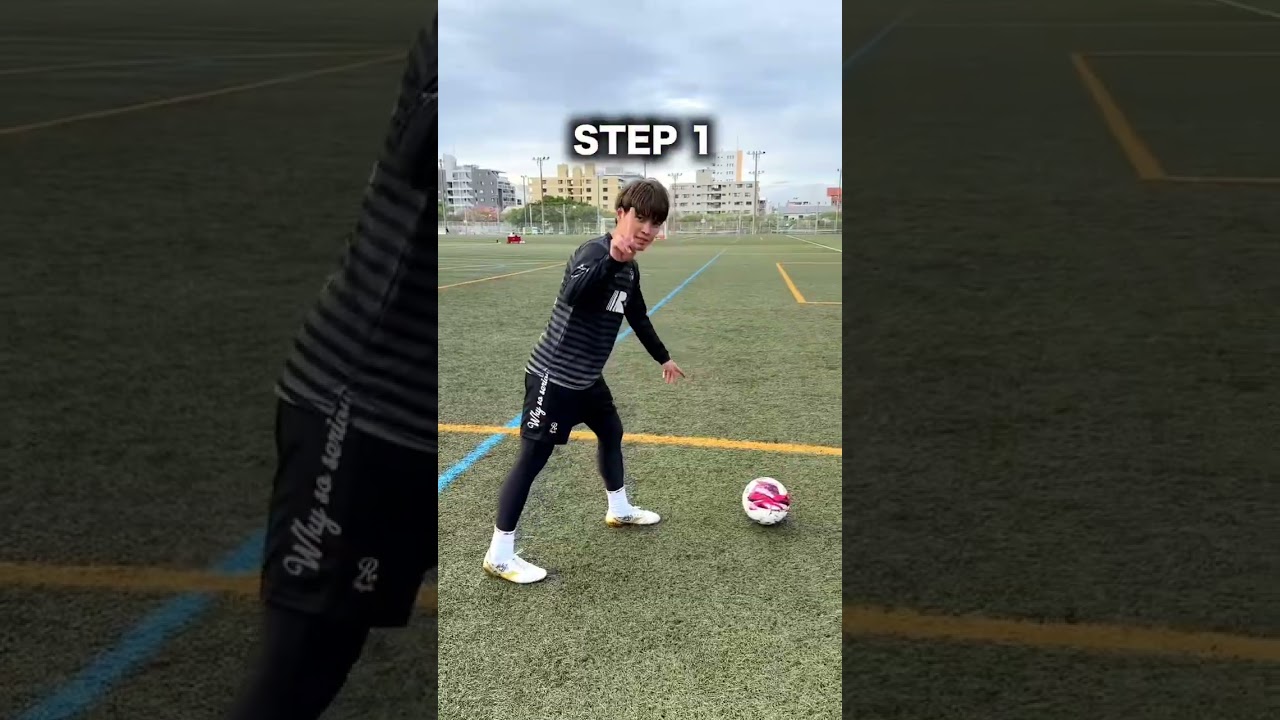
Step 1: The Setup (Maahaul Banaiye)

You cannot force a nutmeg; you have to bait your opponent. The goal is to make the defender open their legs (stance). If they are standing with feet glued together, you can’t nutmeg them. Use small lateral movements to make them shift their weight.

  • Slow down the pace: Dribble slowly towards the defender to make them commit.
  • The Bait: Show a bit of the ball to one side, tempting them to reach for it.

Step 2: The Execution (Action Shuru)

Based on our tutorial, there are three primary ways to execute a world-class nutmeg:

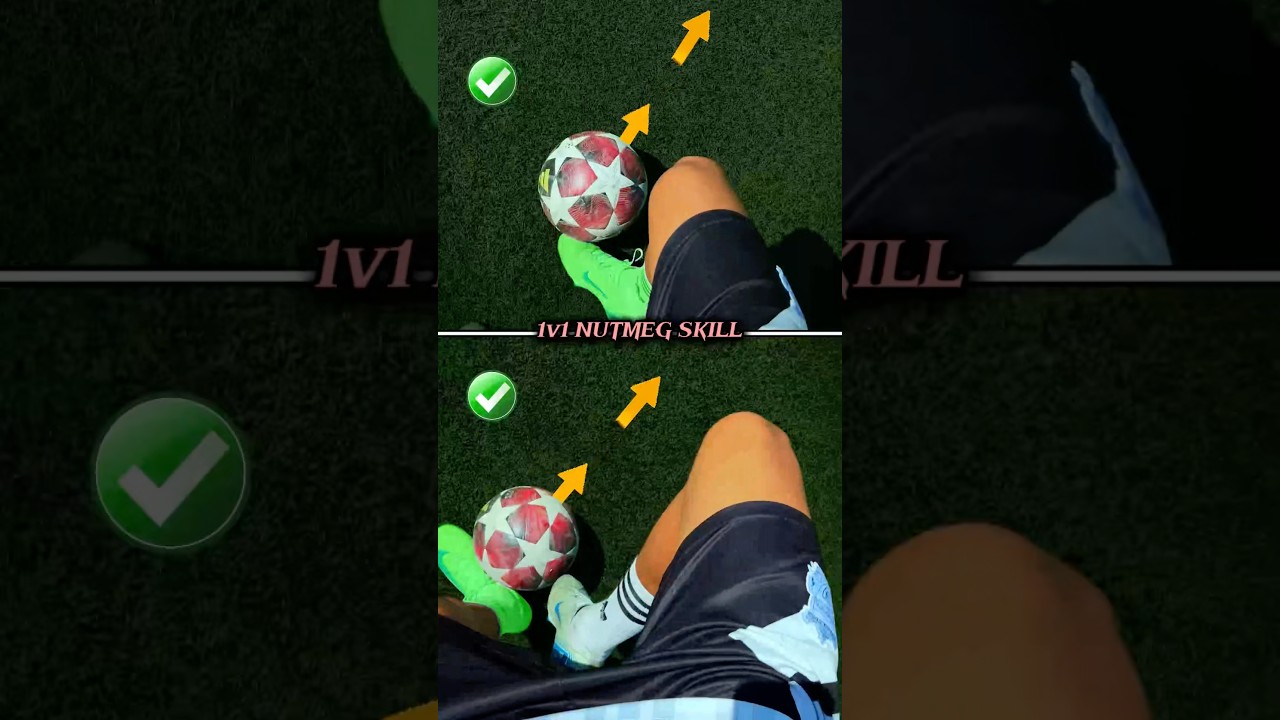
1. The Fake Shot Nutmeg

When you are near the penalty box, pretend to take a powerful shot. As the defender jumps or stretches their leg out to block the “shot,” their legs will naturally widen. At that exact micro-second, use your inside foot to push the ball through the gap.

2. The “La Croqueta” Panna

Popularized by Andres Iniesta, this involves shifting the ball rapidly from one foot to the other. Ek pair se doosre pair pe ball shift karein aur defender ke legs ke beech se nikaal dein. This is perfect for tight spaces on Indian turf grounds.

3. The Sole Roll Nutmeg

Use the sole of your boots to roll the ball towards you, then quickly flick it forward through the opponent’s legs. This “V-drag” movement is highly effective in 1v1 situations where the defender is pressing aggressively.

Step 3: The Acceleration (Bhagooo!)

The nutmeg is useless if you don’t recover the ball. As soon as the ball passes through the defender’s legs, you must sprint around them. Don’t wait to celebrate; your movement after the skill is what completes the play.

Pro Tips for Indian Footballers

  • Practice on uneven ground: Since many local grounds in India are uneven, practice keeping the ball low. A bouncing ball is harder to nutmeg with.
  • Watch your timing: Timing hi sab kuch hai. If you go too early, the ball hits their feet. If you go too late, they steal the ball.
  • Confidence: Don’t be afraid to fail. Even Messi gets tackled sometimes!

Conclusion

Mastering 1v1 nutmeg football skills requires patience, ball control, and sharp observation. By following this step-by-step tutorial, you are well on your way to becoming the most feared player on your local ground. Remember, the best “Panna” is the one that leads to a goal or a dangerous cross. Keep practicing, stay humble, and keep the football fever alive in India!

Frequently Asked Questions (FAQs)

1. What is a “Nutmeg” in football?

A nutmeg (or Panna) is a skill where a player kicks, rolls, or pushes the ball between an opponent’s legs to bypass them.

2. Why is it called a Nutmeg?

While the origin is debated, it is often linked to old slang where “nutmegged” meant being tricked or fooled, implying the defender was left looking silly.

3. Is it disrespectful to nutmeg someone?

In competitive football, it is a valid tactical move. However, in friendly street games or “gully football,” it is often seen as a way to show off your skills and “taunt” the defender playfully.

4. Which Indian players are famous for their skills?

Players like Sahal Abdul Samad and Liston Colaco are known for their incredible 1v1 dribbling and ability to take on defenders in the ISL.

5. How can I improve my ball control for nutmegs?

Spend 15 minutes daily doing “Toe Taps,” “Sole Rolls,” and “Inside-Outside” drills. The better your touch, the easier the nutmeg becomes.

#football #footballskills #soccer #nutmeg #skills #shorts
Master Football Skills: Easy Step-by-Step Tutorial for Indian Players ⚽️


Master Football Skills: Easy Step-by-Step Tutorial for Indian Players ⚽️

Football in India is reaching new heights. From the gallis of Kolkata to the artificial turfs of Mumbai and Bangalore, the passion for the “beautiful game” is undeniable. However, passion alone isn’t enough; to excel on the pitch, you need to master the fundamental skills. Whether you are aspiring to play in the ISL or just want to be the best player in your local 5-a-side match, this guide is for you.

1. Perfecting Your First Touch (The “Control”)

In the fast-paced environment of Indian football, time on the ball is a luxury. Your “first touch” is your ability to cushion the ball when it comes to you. To improve this:

  • Step 1: Stand 5 feet from a wall.
  • Step 2: Kick the ball against the wall and try to stop it dead with the inside of your foot as it returns.
  • Step 3: Keep your ankle locked and your foot slightly off the ground to “absorb” the ball’s momentum.

2. Mastering Dribbling in Tight Spaces

Indian grounds are often crowded. Mastering close-control dribbling allows you to navigate through defenders. Focus on using both the inside and outside of your feet.

Step-by-Step Drill: Set up a line of 5 water bottles (as cones) 1 meter apart. Weave through them using only your dominant foot, then switch to your weaker foot. Keep your head up as much as possible to maintain field vision.

3. Accuracy Over Power: Passing

Too many young Indian players try to kick the ball as hard as they can. Instead, focus on the “Push Pass.”
Turn your foot outward, use the arch (middle) of your foot, and follow through toward your target. Practice passing with a partner over 10-yard distances until 10 out of 10 passes land directly at their feet.

4. Shooting with Precision

To score goals like Sunil Chhetri, you need technique. When shooting:

  1. Place your non-kicking foot next to the ball, pointing at the goal.
  2. Strike the center of the ball with your laces (the “power” zone).
  3. Keep your body leaned slightly forward to prevent the ball from flying over the crossbar.

5. Stamina: The Indian Climate Factor

Playing in India means dealing with heat and humidity. Skill is useless if you are tired after 20 minutes. Incorporate Interval Training: Sprint for 30 seconds, then walk for 30 seconds. Repeat this for 15 minutes to build the match-specific endurance needed for 90-minute games.

Conclusion

Becoming a master of football doesn’t happen overnight. It requires consistent practice, discipline, and a focus on the basics. By following this step-by-step tutorial, Indian players can build a solid foundation. Remember, every professional player you see today started by practicing these same simple drills. Grab your football, head to the nearest ground, and start your journey toward greatness today!

Frequently Asked Questions (FAQs)

1. What is the best age to start learning football in India?

While you can start at any age, the “golden age” for learning motor skills is between 6 and 12 years. However, many successful local players in India start in their teens and still reach a high level through dedication.

2. How can I improve my football skills at home?

You can practice juggling (keepie-uppies) to improve your touch and “toe taps” to improve your ball control. These require very little space and significantly boost your coordination.

3. Do I need expensive boots to play well?

No. For Indian grounds (which are often hard or uneven), a sturdy pair of multi-ground (MG) or firm-ground (FG) studs from brands like Nivia or SEGA are affordable and highly effective for beginners.

4. How can I join a professional academy in India?

Look for AIFF-accredited academies in your city. Keep an eye on “open trials” announced by ISL and I-League clubs on their social media pages.

How to Hit the Perfect Tennis Dropshot: A Step-by-Step Guide


How to Hit the Perfect Tennis Dropshot: A Step-by-Step Guide

In the world of tennis, power often takes the spotlight. However, on the hot, baked clay courts of Delhi or the humid hard courts of Mumbai, finesse can be just as lethal as a 120 kmph serve. The tennis dropshot is a touch play designed to catch your opponent off guard, forcing them to sprint forward when they least expect it.

Whether you are a club player or an aspiring pro, mastering the dropshot adds a new dimension to your game. Here is your comprehensive guide to hitting the perfect tennis dropshot.

Step 1: Choose the Right Moment

The biggest mistake many players make is attempting a dropshot from behind the baseline. To execute this move effectively, you should ideally be inside the baseline or moving toward short balls. Use the dropshot when your opponent is deep behind their baseline, struggling to recover from a wide shot. In India’s slower court conditions, waiting for a high-bouncing ball that sits up can give you the perfect window to “kill” the pace.

Step 2: The Continental Grip

Success starts with the hands. While you might use a Western or Semi-Western grip for your heavy topspin forehands, the dropshot requires a Continental grip (the same grip used for volleys and serves). This allows you to “open” the racquet face and create the necessary backspin to make the ball die upon impact.

Step 3: Disguise is Key

If your opponent knows the dropshot is coming, they will reach it with ease. To hit a perfect dropshot, your preparation must look identical to a standard deep drive or slice. Keep your backswing similar to your normal groundstroke, and only at the final millisecond, relax your grip and change the racquet angle.

Step 4: The “High-to-Low” Path with Soft Hands

As you make contact, move the racquet in a steep high-to-low motion. Instead of hitting “through” the ball, you want to “cup” the ball. Imagine you are catching the ball with your strings. Most Indian coaches refer to this as “touch” or “feel.” Relax your wrist to absorb the pace of the incoming ball, ensuring it clears the net by a small margin and lands short in the opponent’s service box.

Step 5: Follow Through and Recovery

Unlike a power shot, the follow-through for a dropshot is short and finished low. Immediately after hitting the shot, don’t just stand and watch. Move forward slightly to cover a potential counter-drop or lob. Because the ball has heavy backspin, it should ideally bounce twice before the opponent can reach it.

Conclusion

The dropshot is more than just a shot; it is a psychological weapon. It disrupts the rhythm of “baseliners” and tests their fitness. By mastering the Continental grip, maintaining disguise, and developing soft hands, you can turn a defensive situation into a winning point. Next time you hit the courts at your local club, practice these steps to leave your rivals stranded at the back of the court.

Frequently Asked Questions (FAQs)

1. When is the best time to use a dropshot in a match?

The best time is when your opponent is far behind the baseline or moving laterally. It is also highly effective on clay courts or when the weather is hot, as the ball may feel softer and easier to manipulate.

2. Can I hit a dropshot with a two-handed backhand?

While possible, most professional players (like Novak Djokovic) prefer to switch to a one-handed slice grip for the backhand dropshot to get better reach and feel.

3. My dropshots always hit the net. What am I doing wrong?

You are likely hitting too “flat.” Ensure you are using a high-to-low motion to create backspin. Also, aim for at least a foot or two above the net; the backspin will pull the ball down once it crosses.

4. Is the dropshot effective on Indian hard courts?

Yes. Although hard courts provide a consistent bounce, a well-disguised dropshot with heavy backspin will stay low, making it very difficult for an opponent to flick it back over the net.

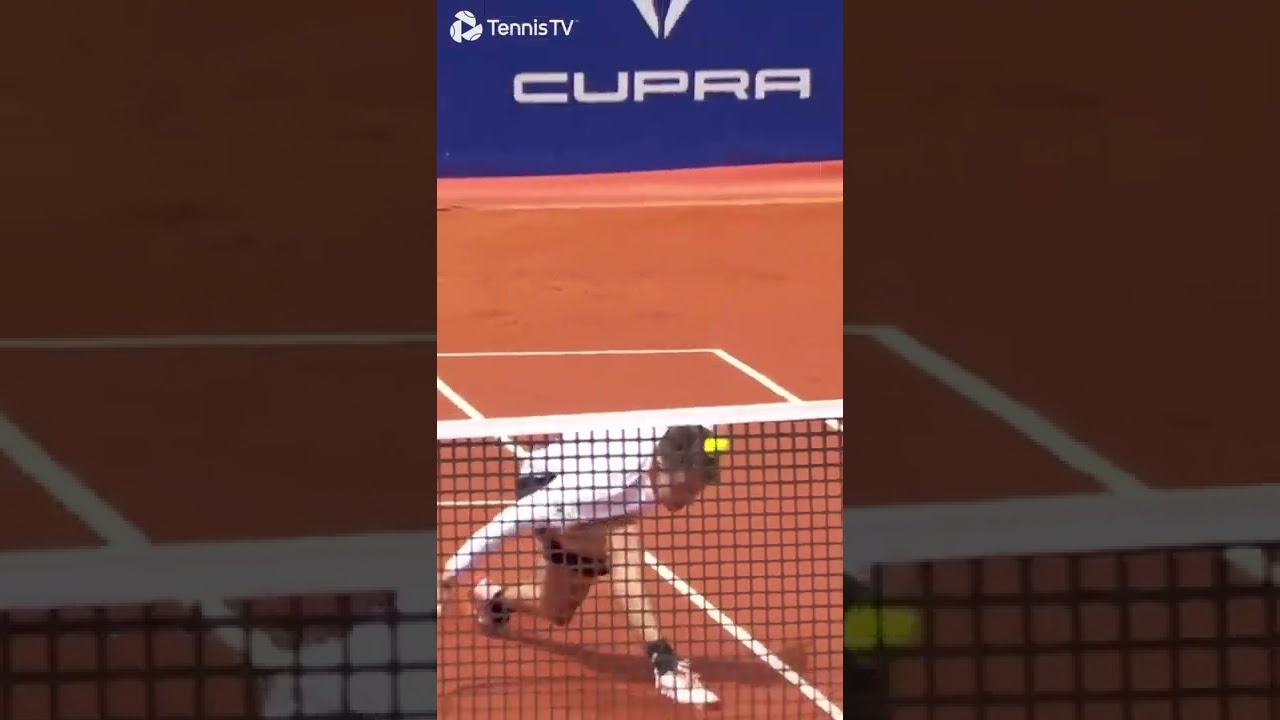
#Shorts Alex De Minaur with an absolutely stunning counter drop shot in Barcelona, 2021…SUBSCRIBE to our channel for the best ATP tennis videos and tennis highlights:

Watch official ATP tennis streams from every tournament:

Tennis TV is the OFFICIAL live streaming service of the ATP Tour.

Tennis TV features live streaming and video on demand of ATP tennis matches in full on PC, Mac, mobile & tablet apps on iOS & Android. Download the app to stream on your device:

Plus Tennis TV is also available to stream tennis on your TV on Apple TV, Roku, Amazon Fire TV, Samsung Smart TV, LG Smart TV, Android TV, PlayStation 4, Xbox One and Chromecast.

To enquire about licensing ATP Tour footage contact IMG Replay:

#tennis #tennistv #sports

How to Pin Live Cricket Score on Home Screen: Step-by-Step Guide for Indian Fans 🏏


How to Pin Live Cricket Score on Home Screen: Step-by-Step Guide for Indian Fans 🏏

In India, cricket isn’t just a sport; it is an emotion. Whether it is a high-voltage IPL match, a crucial ICC World Cup fixture, or a bilateral series involving Team India, fans want to stay updated every second. However, constantly unlocking your phone and opening an app to check the score can be a hassle.

The good news is that you can pin live cricket scores directly to your Android or iPhone home screen. This floating bubble or widget allows you to track every boundary and wicket while using other apps like WhatsApp or Instagram. Here is your ultimate guide to staying updated in real-time.

How to Pin Live Cricket Scores on Android (Google App)

Most Android users in India can use the built-in Google app to get a floating live score bubble. This is the most popular method as it doesn’t require downloading heavy third-party apps.

  1. Open the Google App: Ensure you are signed in and your internet is active.
  2. Search for the Match: Type “Live Cricket Score” or the specific match name (e.g., “India vs Pakistan Live Score”) in the search bar.
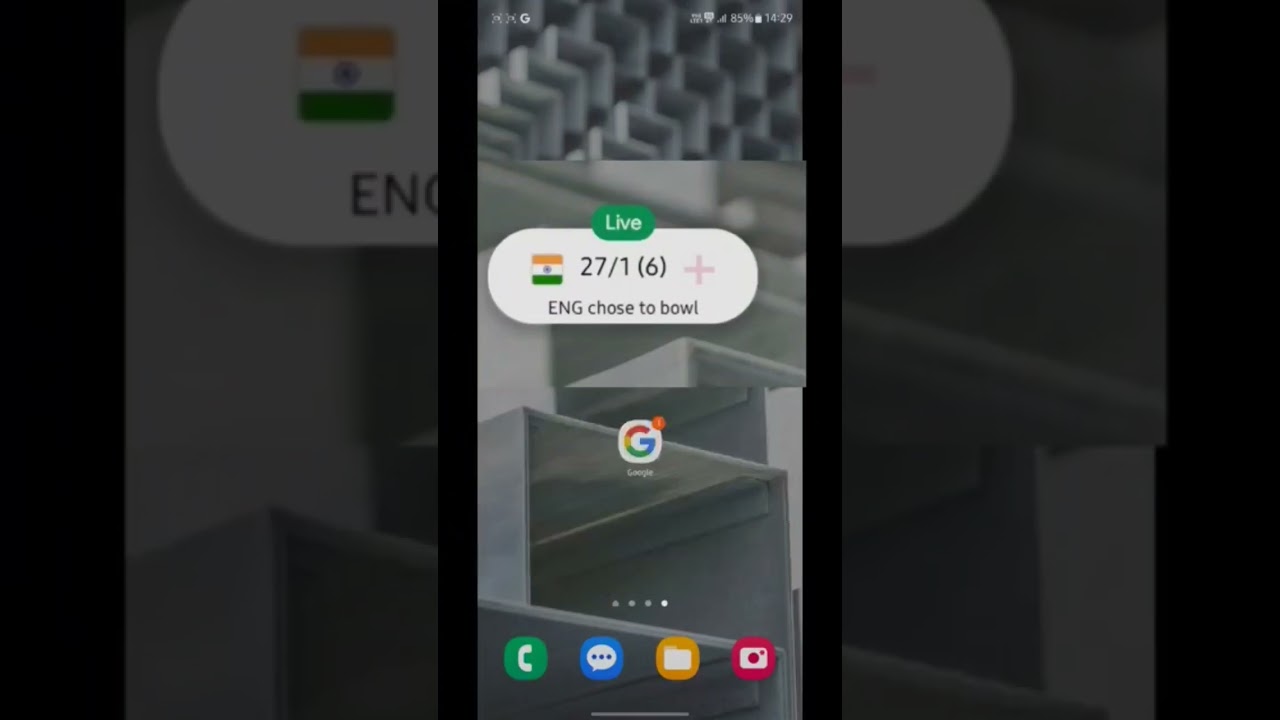
  3. Find the ‘Pin Live Score’ Button: For ongoing matches, Google will display a real-time scorecard. Look for a button that says “Pin Live Score”.
  4. Drag and Place: A floating bubble will appear on your screen. You can drag it anywhere. Even if you close the browser, the score stays on top of other apps!

Using Third-Party Apps: Cricbuzz & ESPNcricinfo

If you want more detailed stats like run rate and commentary alongside the score, third-party apps are excellent alternatives.

  • Cricbuzz: Open the app, go to the ‘Matches’ tab, and look for the ‘Pin’ icon or enable “Overlay” permissions in your phone settings to let the score float.
  • Widgets: On both Android and iOS, you can long-press your home screen, select ‘Widgets’, find your favorite cricket app, and add the ‘Live Score’ widget to your screen.

How to Get Live Cricket Scores on iPhone (iOS 16 & Later)

For iPhone users in India, Apple’s Live Activities feature is a game-changer. It shows the score directly on your Lock Screen and the Dynamic Island (on newer models).

  1. Download an app that supports Live Activities, such as Cricbuzz or FotMob (for multi-sport).
  2. Go to Settings > [App Name] and ensure Live Activities is toggled ON.
  3. Open the app during a live match and tap “Follow” or “Star” the match. The score will automatically appear on your Lock Screen.

Why Pinning Live Scores is a Must for Indian Fans

With busy work schedules and travel, catching every ball on TV isn’t possible. By pinning the live score, you can:

  • Multitask without missing the action.
  • Save battery compared to keeping a video stream open.
  • Get instant updates even on slower 4G/5G networks.

Conclusion

Pinning live cricket scores is the most efficient way for the modern Indian fan to keep up with the game. Whether you prefer the simple Google “floating bubble” or the sleek iOS “Live Activities,” setting it up takes less than a minute. Never miss a Virat Kohli century or a Jasprit Bumrah yorker again—set up your live score pin today!


Frequently Asked Questions (FAQs)

1. Why can’t I see the ‘Pin Live Score’ button on Google?

This usually happens if the match hasn’t started yet or if your “Draw over other apps” permission is disabled for the Google app. Check your phone’s ‘Apps’ settings to enable this permission.

2. Does pinning a score consume a lot of data?

No, pinning a text-based live score uses minimal data compared to live streaming video. It is perfect for users on a limited daily data pack.

3. Can I pin scores for IPL matches?

Absolutely! The pinning feature works for all major tournaments, including the IPL, T20 World Cup, and Test matches.

4. How do I remove the pinned score from my screen?

Simply tap and hold the floating bubble and drag it to the ‘X’ or ‘Remove’ icon at the bottom of your screen.

Griddy Dance Move step-by-step: How to do the viral Griddy Celebration 🕺✨


The Griddy Dance: Step-by-Step Guide to the Viral Celebration 🕺✨

Whether you are watching the NFL, catching up on hockey scores, or scrolling through Instagram Reels in India, you have definitely seen it—the Griddy. Originally started by Allen “Griddy” Davis and popularized by sports icons like Justin Jefferson and Ja’Marr Chase, this dance has taken the global sporting world by storm.

In India, where urban dance culture and global sports trends are booming, the Griddy has become the ultimate “victory walk.” From football grounds in Mumbai to gaming rooms playing Fortnite, everyone wants to master the swing. Here is your definitive guide to performing the viral Griddy celebration perfectly.

Step-by-Step Guide: How to Do the Griddy

The Griddy may look simple, but it requires a specific rhythm to look “smooth” rather than stiff. Follow these four steps:

1. The Heel Tap (The Foundation)

Start by tapping your heels. Walk forward by digging your heels into the ground one after the other. It’s not a regular step; it’s a rhythmic, bouncy motion. Keep your knees slightly bent to maintain your flow.

2. The Arm Swing

As you tap your heels, swing your arms back and forth in an alternating motion. Your arms should feel loose. This movement mimics a relaxed run but with more “swag.”

3. The “B” Masks (The Signature Move)

This is what makes the Griddy iconic. Bring your hands up to your eyes, forming “OK” signs or spectacles (the “B” shape) with your fingers. Flick them up to your face in sync with your steps. In Indian pop culture, this part is often compared to the “spectacle” gesture seen in various Bollywood dance hooks!

4. The Wood Slap

To finish the loop, throw your hands down slightly as if you are slapping the floor or “throwing” the rhythm down. Maintain a confident facial expression—the “look” is just as important as the legs!

From NFL Endzones to Hockey Scores: Why the Griddy is Everywhere

While the dance originated in American Football, it has crossed over into every major sport. Sports fans checking the latest hockey scores might have noticed players breaking into the Griddy after a spectacular goal. The NHL has seen stars like Ryan Reaves bring the flair of the Griddy to the ice, proving that you don’t need grass to celebrate with style.

For Indian fans who follow global leagues, seeing a Griddy in a high-stakes hockey game or a European football match adds an extra layer of entertainment. It has become a universal language of winning.

Conclusion

The Griddy is more than just a dance; it’s a symbol of confidence and victory. Whether you are celebrating a goal in a local football match or just making a fun Reel for your followers, mastering the Griddy connects you to a global community of athletes and creators. Just remember: keep the rhythm in your heels, the “B’s” on your eyes, and most importantly, have fun with it!


Frequently Asked Questions (FAQs)

1. Who invented the Griddy dance?

The dance was created by Allen “Griddy” Davis, a friend of NFL star Ja’Marr Chase. It went viral after Justin Jefferson performed it in the NFL.

2. Is the Griddy hard to learn?

Not at all! With about 10–15 minutes of practice focusing on the heel-tap rhythm, most people can get the basics down. The key is to stay relaxed.

3. Why is the Griddy so popular in India?

Thanks to social media platforms like Instagram and the popularity of games like Fortnite and FIFA, global trends reach India instantly. It’s a popular celebration for local athletes and content creators alike.

4. Do hockey players really do the Griddy?

Yes! If you follow hockey scores and highlights, you will see NHL players and even junior league players performing the Griddy on skates, which is much harder than doing it on grass!

5. What is the best music for the Griddy?

The song most associated with the dance is “Right Foot Creep” by YoungBoy Never Broke Again, though any song with a steady, bouncy beat works perfectly.

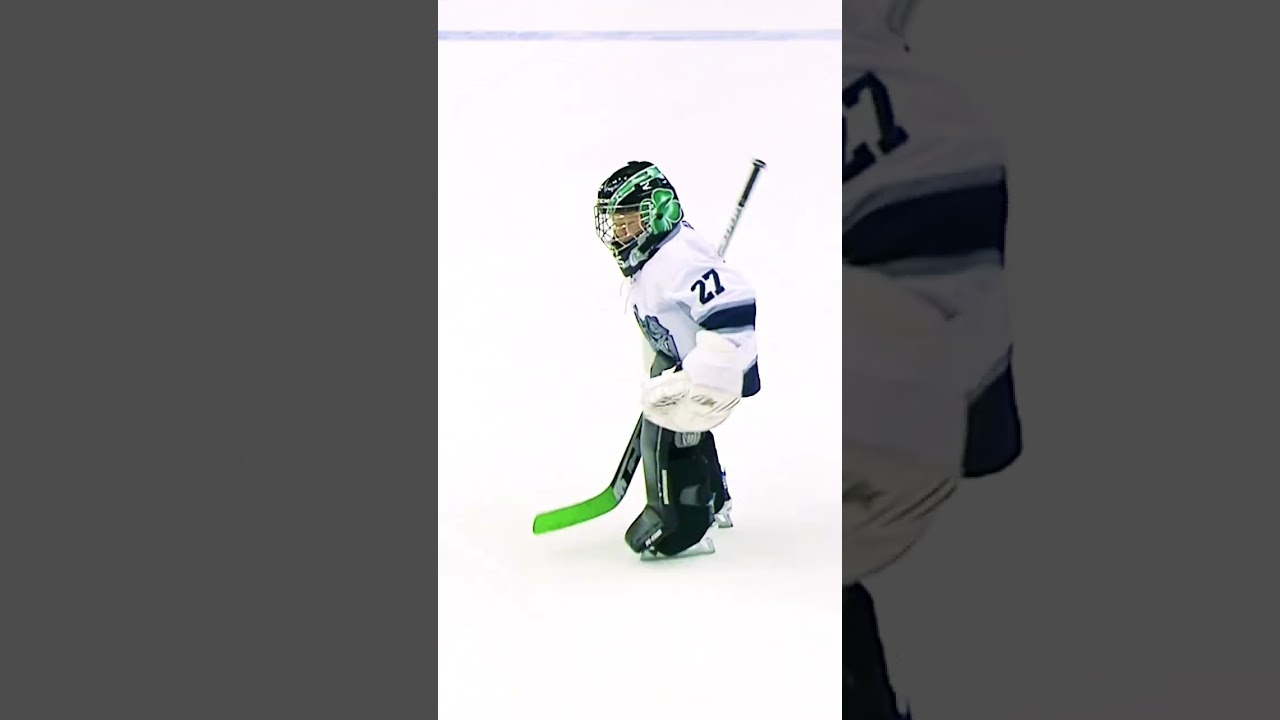
The Mites on Ice goalie steals the show with a victory Griddy

Subscribe to our channel for the latest hockey action by clicking the big, red shiny SUBSCRIBE button.

Breaking news, scores, stats, analysis & real-time highlights:
Feeling social?

Twitter:
Facebook:
Instagram: