Tennis Tiebreaker Rules: How to Play and Score Like a Pro!
In the world of tennis, nothing matches the intensity of a tiebreaker. Whether you are watching Leander Paes at the Olympics or playing a weekend match at your local club in Mumbai or Delhi, understanding tennis tiebreaker rules is essential. A tiebreaker is the ultimate “sudden death” that decides the winner of a set when players are locked at 6-6 in games.
What is a Tennis Tiebreaker?
Standard tennis scores move from 15, 30, and 40 to game point. However, a tiebreaker follows a numerical scoring system (1, 2, 3, etc.). In most tournaments, including the ATP and WTA tours, a 7-point tiebreak is played to decide the set. The first player to reach seven points wins the set 7-6, provided they have a two-point lead.
How the Scoring Pattern Works
Unlike regular games where you serve for the entire duration, a tiebreaker features a unique serving rotation to ensure fairness. Here is the step-by-step breakdown:
- Point 1: The player whose turn it was to serve starts the tiebreaker. They serve only one point from the Deuce (right) side.
- Points 2 & 3: The serve switches to the opponent. They serve two points, starting from the Ad (left) side then the Deuce side.
- Rotation: From here on, every player serves twice consecutively until the tiebreak ends.
The “Change of Ends” Rule
To account for wind or sun glare—common in India’s outdoor courts—players must switch sides of the court every six points (e.g., when the score is 3-3, 6-6, or 9-3). This continues until a winner is decided. This is a crucial part of professional tennis scores management that many beginners forget!
Winning the Tiebreak
To win, you must reach 7 points with a margin of at least 2 points. If the score reaches 6-6, the game continues until someone leads by two (e.g., 8-6, 10-8, or even 15-13). There is no “ceiling” to how high the score can go.
Key Tips for Indian Players
Playing in high-humidity regions like Chennai or Kolkata can lead to fatigue during long tiebreakers. To play like a pro:
- Focus on the First Serve: In a tiebreak, a double fault is a disaster. Aim for a high first-serve percentage.
- Stay Aggressive: Don’t just wait for your opponent to make a mistake. Take control of the point early.
- Track the Score: Always announce the score before serving to avoid confusion.
Conclusion
Mastering the tennis tiebreaker rules transforms you from a casual player into a serious competitor. It requires mental toughness, a clear understanding of the serving sequence, and the ability to stay calm under pressure. Next time you find yourself at 6-6, remember these rules, keep your focus, and play every point as if it’s match point. With practice, you’ll be managing your tennis scores like a seasoned pro!
Frequently Asked Questions (FAQs)
1. Who serves first in the next set after a tiebreaker?
The player who received the first serve of the tiebreaker will serve the first game of the following set.
2. What is a “Super Tiebreaker”?
A Super Tiebreaker is often played instead of a final third set (common in doubles). The rules are the same, but the first to 10 points wins.
3. Do we change ends after the tiebreaker ends?
Yes. If the total number of games in the set (including the tiebreak) is odd, players switch ends before starting the next set. Since a tiebreak makes the set score 7-6 (13 games), you always switch ends.
4. How is the tiebreaker score recorded?
On a scorecard, the set is recorded as 7-6. The tiebreaker points are usually written in parentheses, like 7-6(5), meaning the winner won the tiebreak 7 points to 5.
➤Tennis Workouts:
➤Tennis Warehouse Europe:
➤Tennis Only Australia:
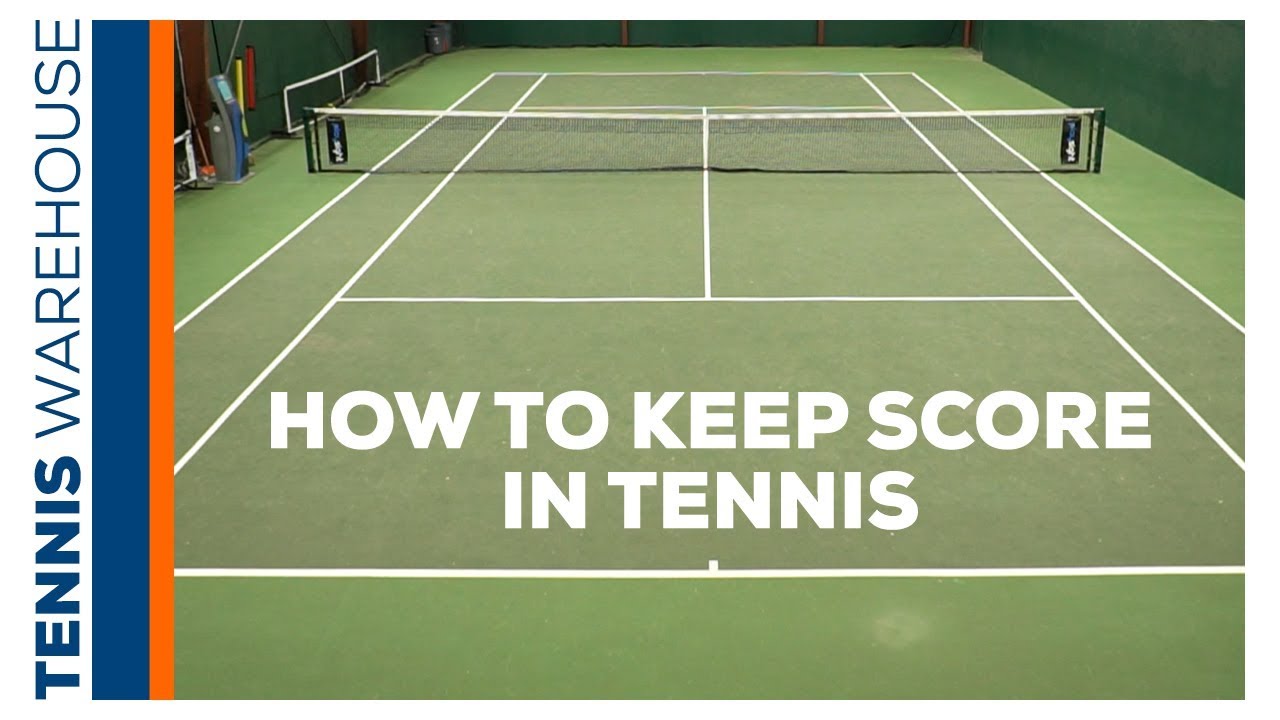
Keeping score in tennis is super confusing, and a tiebreaker is even worst! Watch this video to learn how to keep score in a tiebreaker so you will be ready to go the next time you reach 6 games all in a set! And if you already know how to keep score, we challenge you to go practice tiebreakers this week!
* This content was filmed on a private court following all social distancing guidelines provided to us by the USTA and local government. Precautions were made to stand at least 6+ feet apart at all times, sanitize equipment before and after use, each playtester using their own overgrip/tennis balls and washing hands before and after play.
—- Shop with us all over the WORLD —–
🇺🇸 Tennis Warehouse —
🇪🇺 TW Europe —
🇦🇺 Tennis Only AUS —
More Tennis Videos:
➤TW Weekly VLOGs:
➤Tennis Racquet Reviews:
➤Tennis Shoe Reviews:
➤Tennis String Reviews:
➤Weekly Tennis Drill:
➤ SUBSCRIBE:
➤ LISTEN to our Podcast:
➤ FACEBOOK:
🇺🇸
🇪🇺
🇦🇺
➤ INSTAGRAM:
🇺🇸
🇪🇺
🇦🇺
➤ TWITTER:
🇺🇸
🇪🇺
➤ Improve Your Game:
▬▬▬▬▬▬▬▬▬▬▬▬▬▬▬▬▬▬▬▬▬▬▬▬▬▬▬▬▬▬▬▬▬▬▬▬▬▬▬▬
Always offering the latest-and-greatest, Tennis Warehouse’s ever-expanding inventory of tennis gear, reviews and content reaches well beyond what we can showcase on our website. We promise to keep you up to date with gear reviews on the newest racquets, shoes, strings, bags and more all while offering knowledge on how to improve your game with gear and technique! We also take you behind the scenes and offer you insight from touring pros and industry experts. Be sure to tune in every week for access to our Talk Tennis Podcast, our Weekly Drill, Reviews on Gear, Sneak Peeks and First Looks as well as our Weekly VLOG, which appears every Friday. Our highly knowledgeable product specialists are also players and are ultra passionate about the sport, so they always have a unique perspective when it comes to all things tennis. Tennis Warehouse is committed to offering players of any level and age the best products at the best prices no matter where you are in the world!
▬▬▬▬▬▬▬▬▬▬▬▬▬▬▬▬▬▬▬▬▬▬▬▬▬▬▬▬▬▬▬▬▬▬▬▬▬▬▬▬
#TennisWarehouse #tiebreaker #howtokeepscoretennis