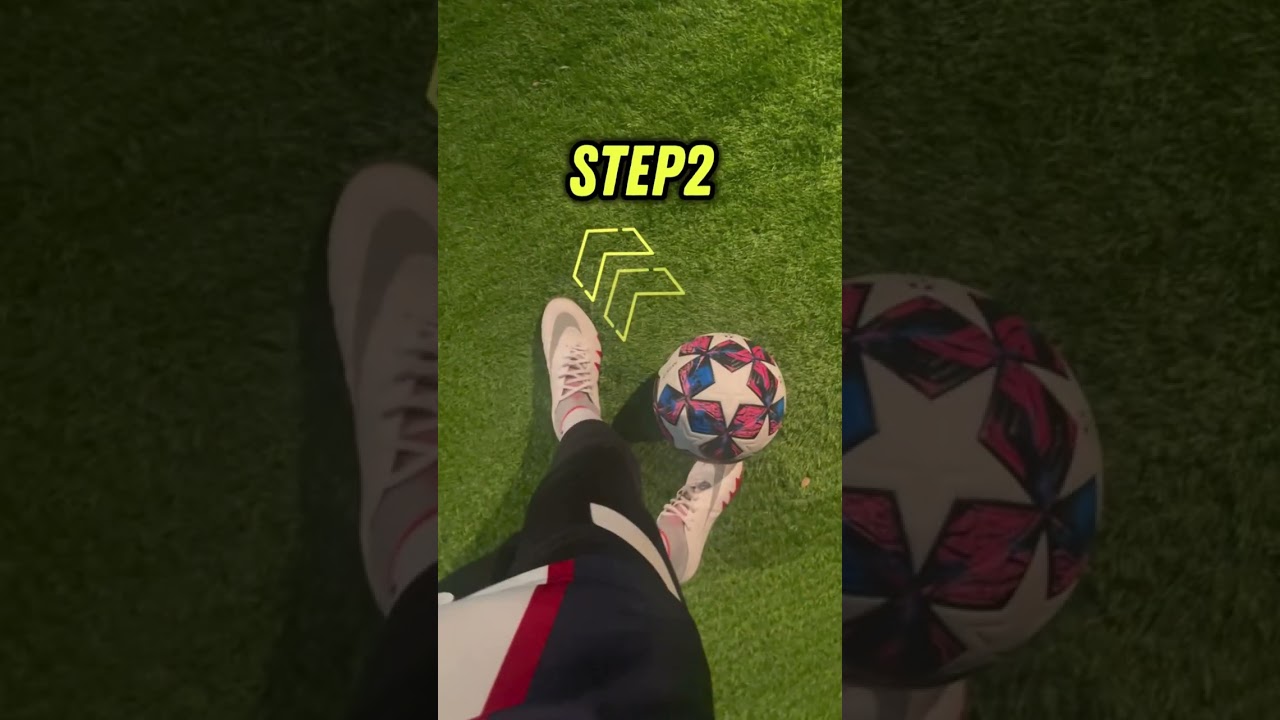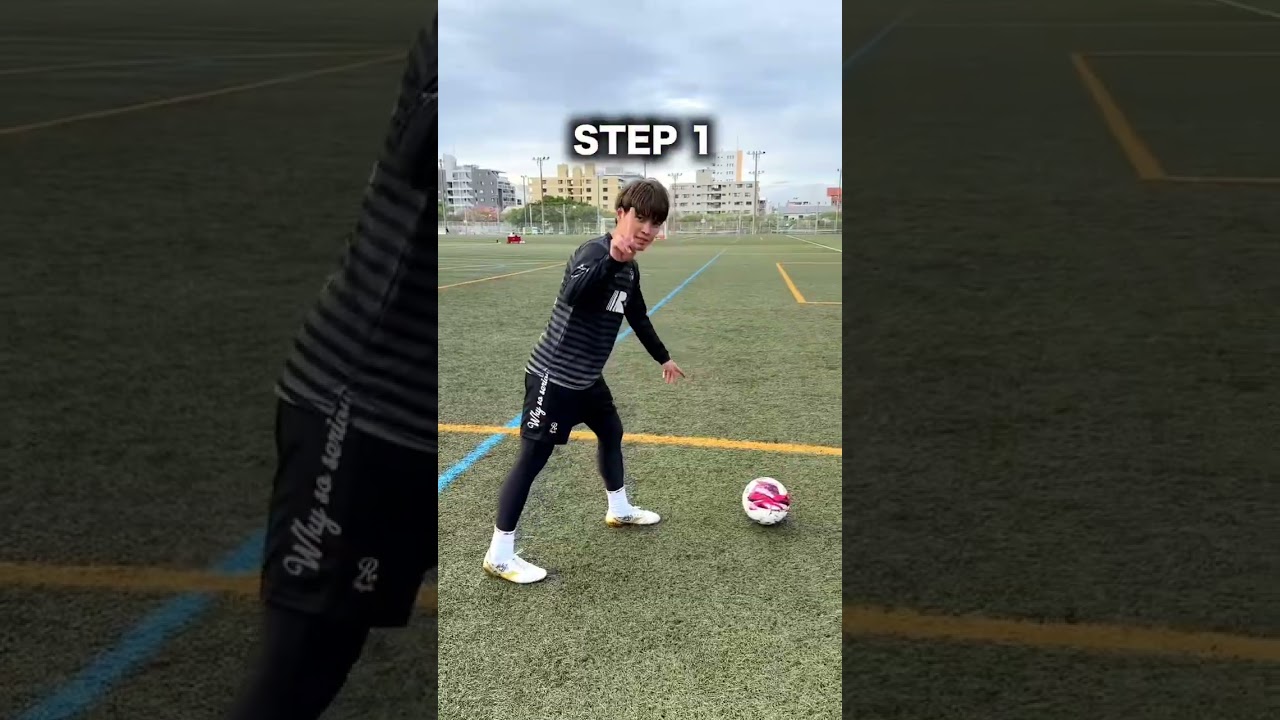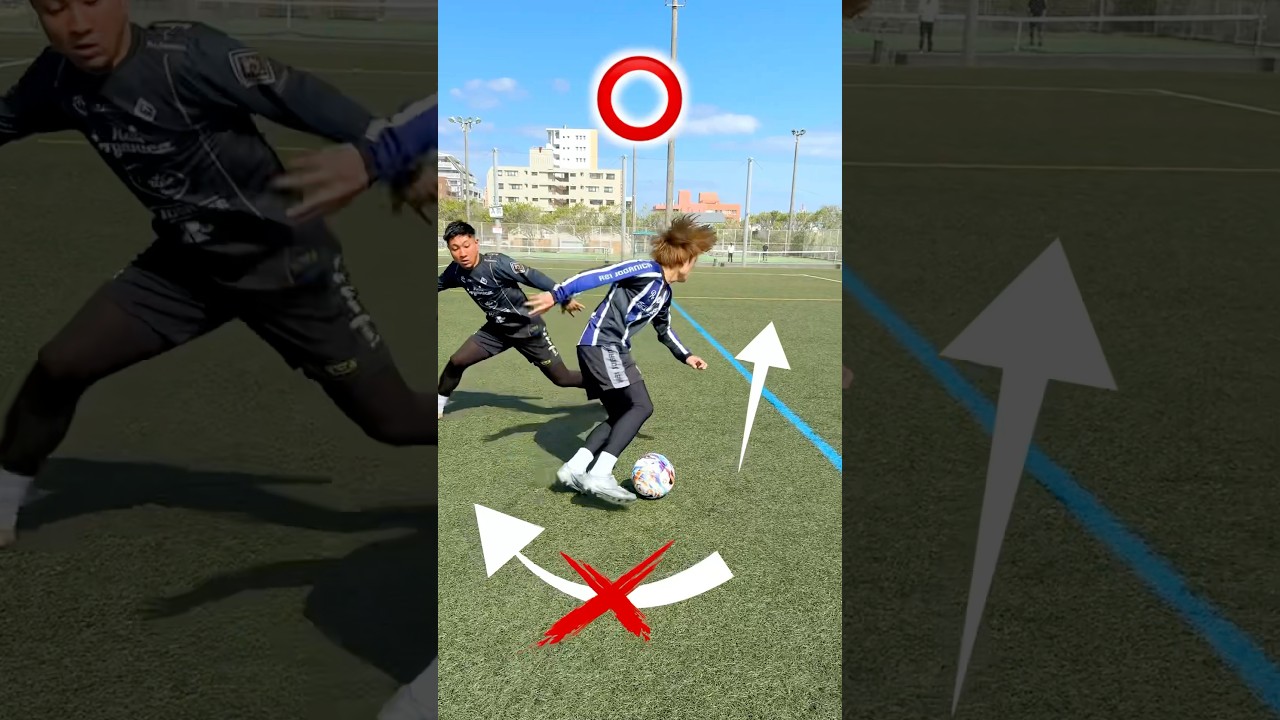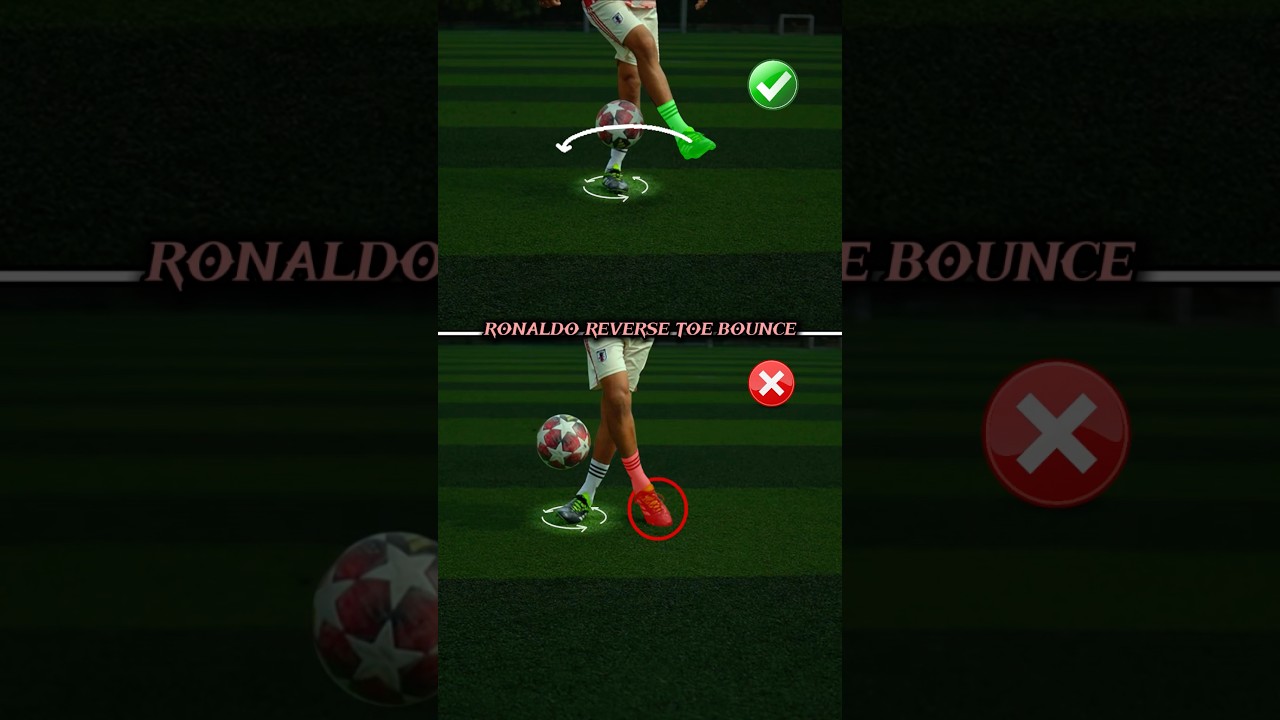
Cristiano Ronaldo’s Magic Reverse Toe Bounce Skill Tutorial ⚽️ #Shorts #Football


Mastering the CR7 Magic Reverse Toe Bounce: Step-by-Step Tutorial

In the world of football, few names evoke as much awe as Cristiano Ronaldo (CR7). Beyond his incredible goal-scoring record, his flair and trickery on the ball have inspired millions of young footballers across India. One of his most viral moves recently showcased in trending #Shorts is the Magic Reverse Toe Bounce.

This skill isn’t just about showing off; it’s about elite ball control and deceiving your opponent. Whether you are playing on a turf in Mumbai or a local ground in Kolkata, mastering this move will elevate your game. Here is how you can perform it like the GOAT himself.

What is the Magic Reverse Toe Bounce?

The Reverse Toe Bounce is a flick-up variation where the player uses the tension of their toes to snap the ball upwards in an unconventional direction. Unlike a standard rainbow flick, this move happens in a split second and relies on the “rebound” effect between your foot and the ground.

Step-by-Step Guide to the Skill

1. The Positioning

Start with the ball stationary or rolling slowly towards you. Place your non-dominant foot (your standing leg) slightly to the side of the ball. This provides the balance needed for the quick explosive movement of your dominant foot.

2. The “Toe-Trap” Contact

Instead of kicking the ball upwards, you need to place the tip of your toes on the top-front part of the ball. In the #Shorts tutorial, you’ll notice Ronaldo doesn’t use his laces; he uses the very front of his boot.

3. The Reverse Snap

This is the “Magic” part. You must roll your foot over the ball while simultaneously pulling it back and pushing down. As the ball gets squeezed between the ground and your toe, you quickly “snap” your foot upwards. The friction creates a reverse spin, causing the ball to bounce off the ground and jump into the air.

4. The Follow-Through

Once the ball bounces up, follow it with a knee flick or transition into a juggle. This keeps the ball away from an approaching defender’s reach.

Common Mistakes to Avoid

  • Too much force: If you stomp too hard, the ball won’t bounce; it will just stay pinned to the ground.
  • Wrong Footwear: While Ronaldo makes it look easy, Indian players practicing on hard ground should ensure they have boots with good grip to avoid slipping during the “snap” phase.
  • Static Body: Keep your knees slightly bent. A stiff posture makes the reverse bounce impossible to execute.

Conclusion

The Cristiano Ronaldo Magic Reverse Toe Bounce is a testament to why CR7 remains a global icon. It combines physics, timing, and pure confidence. For aspiring Indian footballers, mastering such skills improves “ball feel” and agility. Remember, Ronaldo didn’t learn this in a day—it takes hundreds of repetitions. So, grab your football, head to the nearest pitch, and start practicing!

Frequently Asked Questions (FAQs)

1. Can I do this skill in a real match?

Yes, but it is best used as a “flair” move to escape a tight corner or to embarrass a defender when you have a bit of space. It requires high confidence.

2. Do I need professional football boots for this?

While studs help with grip, this skill can be practiced in flat-sole futsal shoes or even quality sneakers, provided the surface isn’t too slippery.

3. Which foot should I use?

Always start with your dominant foot. However, becoming “two-footed” like Ronaldo will make you a much more dangerous player on the field.

4. Why is it called a ‘Reverse’ bounce?

It’s called reverse because the motion of the foot goes against the natural forward roll of the ball, creating a unique backspin that causes the vertical “pop.”

#football #footballskills #soccer #ronaldoskills #shorts
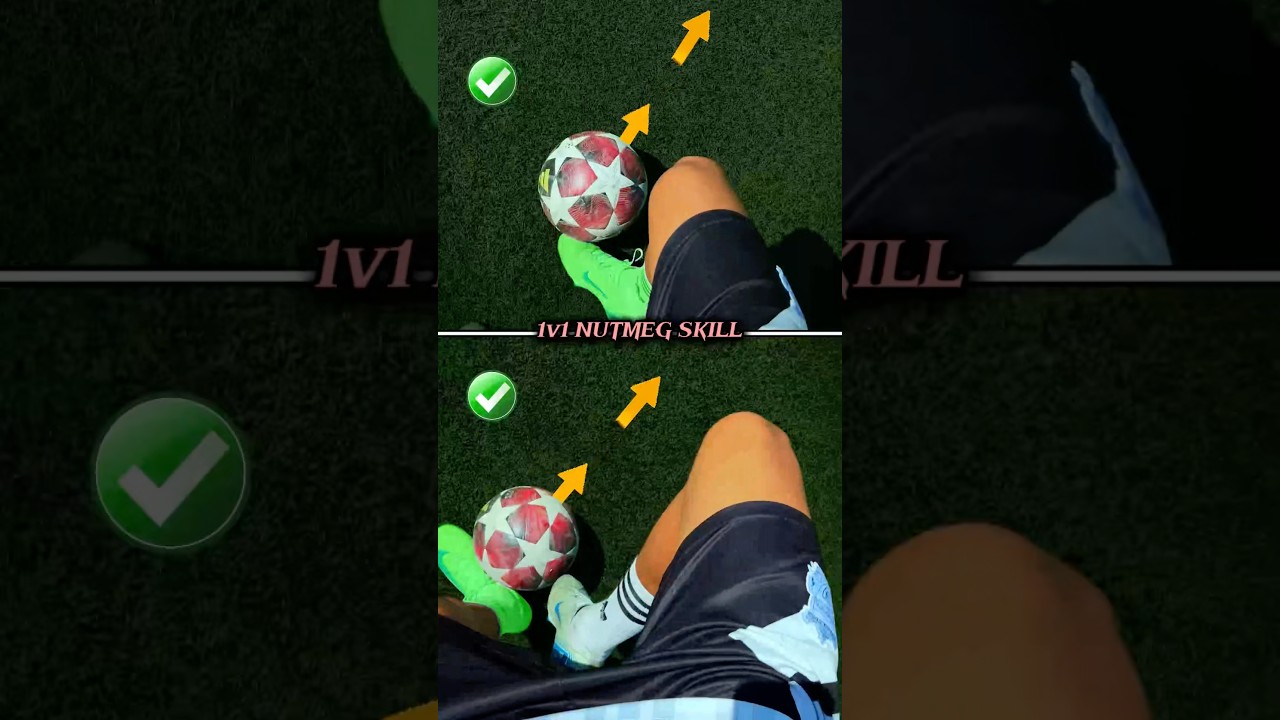
Learn 1v1 Nutmeg Football Skills: Step-by-Step Tutorial in Hindi/English ⚽️


Master the Art of the Nutmeg: 1v1 Football Skills Tutorial for Indian Players

In the gullies of Mumbai or the professional turfs of Bangalore, one move always gets the crowd roaring louder than a goal: The Nutmeg (popularly known in India as the “Panna”). Sliding the ball through an opponent’s legs is the ultimate sign of skill and confidence on the football pitch.

Whether you are playing a 5-a-side match or a full 11v11 game, mastering 1v1 nutmeg skills can give you a massive psychological edge. In this guide, we break down the elite nutmeg techniques in a mix of Hindi and English to help you dominate your next match.

Step 1: The Setup (Maahaul Banaiye)

You cannot force a nutmeg; you have to bait your opponent. The goal is to make the defender open their legs (stance). If they are standing with feet glued together, you can’t nutmeg them. Use small lateral movements to make them shift their weight.

  • Slow down the pace: Dribble slowly towards the defender to make them commit.
  • The Bait: Show a bit of the ball to one side, tempting them to reach for it.

Step 2: The Execution (Action Shuru)

Based on our tutorial, there are three primary ways to execute a world-class nutmeg:

1. The Fake Shot Nutmeg

When you are near the penalty box, pretend to take a powerful shot. As the defender jumps or stretches their leg out to block the “shot,” their legs will naturally widen. At that exact micro-second, use your inside foot to push the ball through the gap.

2. The “La Croqueta” Panna

Popularized by Andres Iniesta, this involves shifting the ball rapidly from one foot to the other. Ek pair se doosre pair pe ball shift karein aur defender ke legs ke beech se nikaal dein. This is perfect for tight spaces on Indian turf grounds.

3. The Sole Roll Nutmeg

Use the sole of your boots to roll the ball towards you, then quickly flick it forward through the opponent’s legs. This “V-drag” movement is highly effective in 1v1 situations where the defender is pressing aggressively.

Step 3: The Acceleration (Bhagooo!)

The nutmeg is useless if you don’t recover the ball. As soon as the ball passes through the defender’s legs, you must sprint around them. Don’t wait to celebrate; your movement after the skill is what completes the play.

Pro Tips for Indian Footballers

  • Practice on uneven ground: Since many local grounds in India are uneven, practice keeping the ball low. A bouncing ball is harder to nutmeg with.
  • Watch your timing: Timing hi sab kuch hai. If you go too early, the ball hits their feet. If you go too late, they steal the ball.
  • Confidence: Don’t be afraid to fail. Even Messi gets tackled sometimes!

Conclusion

Mastering 1v1 nutmeg football skills requires patience, ball control, and sharp observation. By following this step-by-step tutorial, you are well on your way to becoming the most feared player on your local ground. Remember, the best “Panna” is the one that leads to a goal or a dangerous cross. Keep practicing, stay humble, and keep the football fever alive in India!

Frequently Asked Questions (FAQs)

1. What is a “Nutmeg” in football?

A nutmeg (or Panna) is a skill where a player kicks, rolls, or pushes the ball between an opponent’s legs to bypass them.

2. Why is it called a Nutmeg?

While the origin is debated, it is often linked to old slang where “nutmegged” meant being tricked or fooled, implying the defender was left looking silly.

3. Is it disrespectful to nutmeg someone?

In competitive football, it is a valid tactical move. However, in friendly street games or “gully football,” it is often seen as a way to show off your skills and “taunt” the defender playfully.

4. Which Indian players are famous for their skills?

Players like Sahal Abdul Samad and Liston Colaco are known for their incredible 1v1 dribbling and ability to take on defenders in the ISL.

5. How can I improve my ball control for nutmegs?

Spend 15 minutes daily doing “Toe Taps,” “Sole Rolls,” and “Inside-Outside” drills. The better your touch, the easier the nutmeg becomes.

#football #footballskills #soccer #nutmeg #skills #shorts

Football Skills Tutorial: Best Football Tricks for Indian Players ⚽️ #football #soccer #skills


Football Skills Tutorial: Best Football Tricks for Indian Players ⚽️

Football in India is witnessing a massive surge in popularity. From the streets of Kolkata to the turfs of Mumbai and Bangalore, young Indian athletes are looking to elevate their game. Whether you are playing a 5-a-side match on a local turf or representing your school/club, mastering creative ball control is essential.

In this tutorial, we will break down the best football tricks and skills tailored for Indian players to help you beat defenders and stand out on the pitch. #football #soccer #skills

1. The Step-Over (The Ronaldo Chop)

In the tight spaces of Indian street football or local turf matches, the step-over is a lifesaver. It involves circling your foot around the ball to deceive the defender into thinking you are moving in one direction, while you quickly burst into the other.

  • Pro Tip: Drop your shoulder as you step over to make the fake more convincing.

2. The Cruyff Turn

Named after the Dutch legend, this move is perfect for Indian midfielders who need to escape tight marking. To execute this, fake a long pass or cross, then use the inside of your foot to hook the ball behind your standing leg and turn 180 degrees.

3. The Rainbow Flick

Made famous by Neymar, the Rainbow Flick is a crowd favorite in Indian football tournaments. While it is a high-risk move, it is incredibly effective for getting the ball over an aggressive sliding tackle. Roll the ball up your leg with one heel and flick it over your head with the other.

4. Ball Control & Juggling

Before mastering flashy tricks, every Indian player must master the basics. Spending 15 minutes daily on juggling improves your touch, which is crucial on the uneven fields often found across India. Focus on using both your left and right feet to build total balance.

How to Practice Effectively in India

To improve your skills, consistency is key. Since many Indian players grow up playing on “Maidans” or local concrete grounds, it is important to choose the right footwear. Use turf shoes for artificial grass and hard ground (HG) boots for natural dirt fields to prevent injuries while practicing these tricks.

Conclusion

Becoming a great football player in India requires a mix of passion, discipline, and flair. By mastering the step-over, the Cruyff turn, and maintaining excellent ball control, you can dominate your local games. Remember, even the best international stars started with basic drills. Grab your football, head to the nearest ground, and start practicing these skills today!

Frequently Asked Questions (FAQs)

1. What is the most important skill for an Indian football player?

Close ball control is the most important skill, especially since most games in India are played in small-sided formats (5v5 or 7v7) where space is limited.

2. How can I improve my football skills at home?

You can practice juggling (keepie-uppies), wall passes to improve your first touch, and cone dribbling even in a small backyard or a quiet corridor.

3. Which football boots are best for Indian grounds?

If you play on artificial turfs, use TF (Turf) shoes. For hard, dry natural ground, HG (Hard Ground) or MG (Multi-Ground) boots are recommended to ensure better grip and ankle safety.

4. Is age a factor in learning these tricks?

Not at all! While it is easier to build muscle memory at a young age, players of any age can learn these tricks with dedicated practice and the right video tutorials.

Master Football Skills: Easy Step-by-Step Tutorial for Indian Players ⚽️


Master Football Skills: Easy Step-by-Step Tutorial for Indian Players ⚽️

Football in India is reaching new heights. From the gallis of Kolkata to the artificial turfs of Mumbai and Bangalore, the passion for the “beautiful game” is undeniable. However, passion alone isn’t enough; to excel on the pitch, you need to master the fundamental skills. Whether you are aspiring to play in the ISL or just want to be the best player in your local 5-a-side match, this guide is for you.

1. Perfecting Your First Touch (The “Control”)

In the fast-paced environment of Indian football, time on the ball is a luxury. Your “first touch” is your ability to cushion the ball when it comes to you. To improve this:

  • Step 1: Stand 5 feet from a wall.
  • Step 2: Kick the ball against the wall and try to stop it dead with the inside of your foot as it returns.
  • Step 3: Keep your ankle locked and your foot slightly off the ground to “absorb” the ball’s momentum.

2. Mastering Dribbling in Tight Spaces

Indian grounds are often crowded. Mastering close-control dribbling allows you to navigate through defenders. Focus on using both the inside and outside of your feet.

Step-by-Step Drill: Set up a line of 5 water bottles (as cones) 1 meter apart. Weave through them using only your dominant foot, then switch to your weaker foot. Keep your head up as much as possible to maintain field vision.

3. Accuracy Over Power: Passing

Too many young Indian players try to kick the ball as hard as they can. Instead, focus on the “Push Pass.”
Turn your foot outward, use the arch (middle) of your foot, and follow through toward your target. Practice passing with a partner over 10-yard distances until 10 out of 10 passes land directly at their feet.

4. Shooting with Precision

To score goals like Sunil Chhetri, you need technique. When shooting:

  1. Place your non-kicking foot next to the ball, pointing at the goal.
  2. Strike the center of the ball with your laces (the “power” zone).
  3. Keep your body leaned slightly forward to prevent the ball from flying over the crossbar.

5. Stamina: The Indian Climate Factor

Playing in India means dealing with heat and humidity. Skill is useless if you are tired after 20 minutes. Incorporate Interval Training: Sprint for 30 seconds, then walk for 30 seconds. Repeat this for 15 minutes to build the match-specific endurance needed for 90-minute games.

Conclusion

Becoming a master of football doesn’t happen overnight. It requires consistent practice, discipline, and a focus on the basics. By following this step-by-step tutorial, Indian players can build a solid foundation. Remember, every professional player you see today started by practicing these same simple drills. Grab your football, head to the nearest ground, and start your journey toward greatness today!

Frequently Asked Questions (FAQs)

1. What is the best age to start learning football in India?

While you can start at any age, the “golden age” for learning motor skills is between 6 and 12 years. However, many successful local players in India start in their teens and still reach a high level through dedication.

2. How can I improve my football skills at home?

You can practice juggling (keepie-uppies) to improve your touch and “toe taps” to improve your ball control. These require very little space and significantly boost your coordination.

3. Do I need expensive boots to play well?

No. For Indian grounds (which are often hard or uneven), a sturdy pair of multi-ground (MG) or firm-ground (FG) studs from brands like Nivia or SEGA are affordable and highly effective for beginners.

4. How can I join a professional academy in India?

Look for AIFF-accredited academies in your city. Keep an eye on “open trials” announced by ISL and I-League clubs on their social media pages.

Master the Fake Turn Skill: Football Tutorial for Beginners 🔥 #shorts


Master the Fake Turn Skill: Football Tutorial for Beginners

Football is more than just a game of speed; it is a game of deception. If you have been watching football shorts or local tournaments in India, you know that the players who stand out are those who can outsmart their opponents with a single body movement. One such foundational yet deadly move is the Fake Turn.

Whether you are playing on a turf in Mumbai or a local ground in Kolkata, mastering the fake turn can elevate your game instantly. In this guide, we will break down how to perform this skill effectively, as seen in our latest football tutorial for beginners.

What is the Fake Turn?

The Fake Turn is a dribbling technique used to make a defender believe you are turning in one direction while you actually accelerate in the opposite direction or continue straight. It relies on body weight, eye contact, and sudden changes in pace.

Step-by-Step Guide to the Fake Turn

1. The Approach

As you receive the ball or dribble toward a defender, maintain a low center of gravity. Keep the ball close to your feet. In Indian street football (Para football), close control is key because of the tight spaces.

2. The Sell (The “Fake”)

This is the most crucial part. Drop your shoulder and shift your body weight to one side. If you want to go left, pretend you are about to turn right. Look in the direction of the “fake” to convince the defender that’s where you are headed. Your body should mimic the start of a full turn.

3. The Execution

Once you see the defender bite (lean or move toward your fake), use the outside of your other foot to flick the ball in the opposite direction. Explosive power is necessary here to leave the defender rooted to the spot.

Why Every Indian Footballer Needs This Skill

In India, football culture is growing rapidly. With the rise of the ISL and local 5-a-side leagues, the game has become faster. The Fake Turn is particularly effective because:

  • Saves Energy: You don’t always need to outrun a defender if you can outthink them.
  • Works in Tight Spaces: Ideal for 5-a-side matches where there isn’t much room to sprint.
  • Versatility: It can be used by midfielders to open up passing lanes or by strikers to create a shooting window.

Tips for Beginners

Don’t get discouraged if you don’t get it right the first time. Football skills require muscle memory. Practice the motion without the ball first, then incorporate the ball at a slow walking pace before trying it at full speed.

Conclusion

Mastering the Fake Turn is a rite of passage for any aspiring footballer. It is a simple yet professional move that adds a layer of intelligence to your playing style. By practicing the steps mentioned above and watching high-quality football shorts for visual cues, you will soon be leaving defenders behind on the pitch. So, lace up your boots, head to your nearest ground, and start practicing today!

Frequently Asked Questions (FAQs)

1. How long does it take to learn the Fake Turn?

With consistent practice, a beginner can get the basic coordination right in about 30 minutes. However, mastering it at match speed may take a few weeks of regular training.

2. Which famous players use the Fake Turn?

Legends like Lionel Messi, Zinedine Zidane, and even Indian stars like Sunil Chhetri frequently use body feints and fake turns to escape markers.

3. Can I practice this at home?

Absolutely! All you need is a small space and a football. You can even use a household object like a water bottle as a “defender” to practice your movement around.

4. What are the best shoes for football in India?

For beginners in India, “Nivia” or “Sega” shoes are excellent and budget-friendly for local grounds. If you are playing on turf, ensure you use specialized turf shoes (TF) for better grip during turns.

How Bedard Activates Stick Flex: Snapshot Tutorial for Indian Hockey Players 🏒🇮🇳


How Bedard Activates Stick Flex: Snapshot Tutorial for Indian Hockey Players 🏒🇮🇳

Field hockey has always been a religion in India, but the thrill of Ice Hockey is rapidly gaining momentum from the rinks of Ladakh to the urban centers of Delhi and Mumbai. If you are an aspiring Indian hockey player looking to level up your scoring ability, there is one name you must study: Connor Bedard.

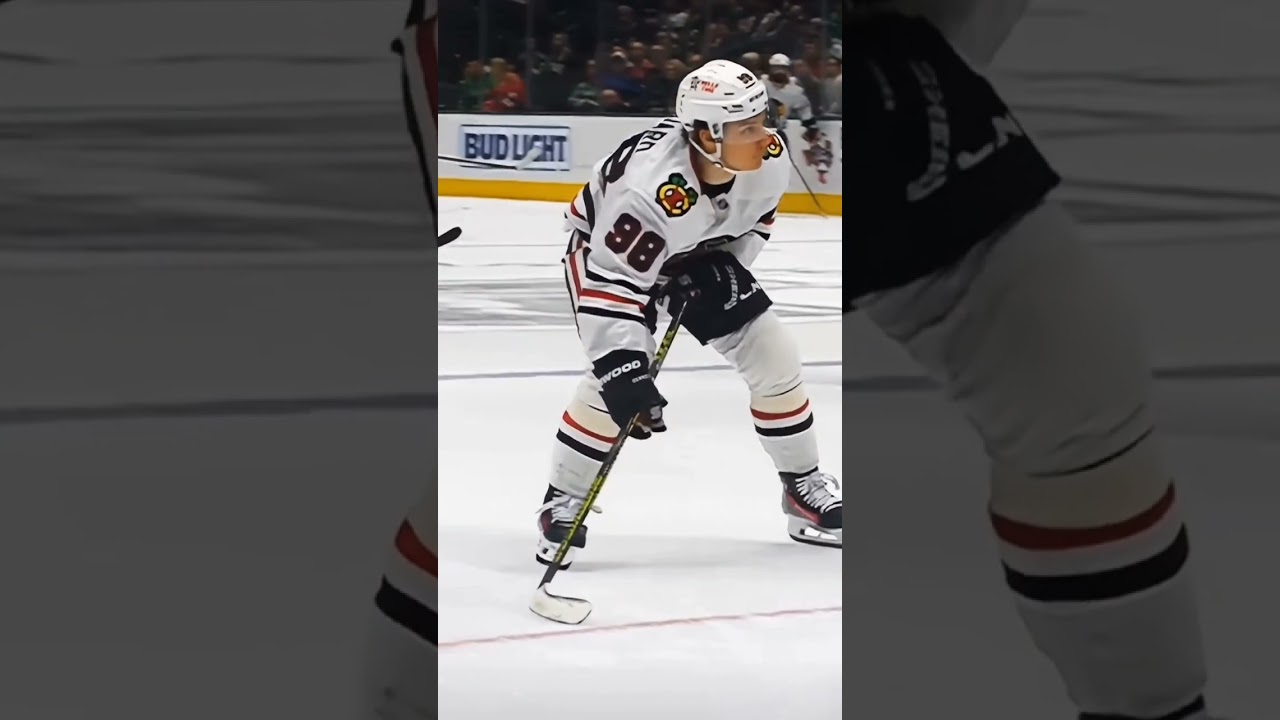
The NHL superstar is famous for his lethal “snapshots.” The secret isn’t just arm strength; it’s about how he activates stick flex. In this tutorial, we break down his mechanics so you can apply them to your game, whether you are on the ice or using a composite stick on a roller rink.

1. The “Kick” Point: Understanding Your Equipment

Before mimicking the technique, Indian players must understand their gear. Unlike traditional wooden sticks often seen in street hockey, modern carbon-fiber ice hockey sticks are designed to act like a bow and arrow. Bedard typically uses a lower flex (around 70), which allows him to bend the stick with less effort. For Indian players, choosing a stick with a flex rating below your body weight is the first step to “loading” the shot.

2. Top Hand Displacement (The Pull)

The most distinctive part of Bedard’s shot is his top hand. Instead of keeping it close to his body, he pushes it away.

  • Step 1: Extend your top hand (the one at the butt-end) away from your torso.
  • Step 2: As you begin the shot, pull that top hand back toward your hip sharply.

This “lever” action creates the initial tension required to bend the shaft of the stick.

3. Bottom Hand Pressure (The Push)

While the top hand pulls, the bottom hand (positioned mid-shaft) must drive downward into the ice. Bedard doesn’t just hit the puck; he hits the ice about an inch before the puck. This creates a “hinge” effect where the stick bows outward. In the dry-land training centers appearing across India, practicing this on a shooting pad is essential to develop the muscle memory of “leaning” into the stick.

4. The “Toe-Drag” Release

Bedard often changes the angle of his shot right before the release. He pulls the puck toward his body (a mini toe-drag) before snapping it. This movement shifts his center of gravity, allowing him to put his full body weight into the flex of the stick. This makes the shot unpredictable for goalkeepers and incredibly high-velocity.

5. Body Weight Transfer

In Indian field hockey, we often use our wrists for flicks. In Bedard’s snapshot, the power comes from the core. Notice how Bedard lifts his inside leg or shifts his weight from the back foot to the front foot. This downward force ensures the stick stays flexed until the millisecond the puck leaves the blade.

Conclusion

Mastering the Connor Bedard snapshot is a game-changer for any Indian hockey enthusiast. By focusing on top-hand leverage, bottom-hand pressure, and proper stick flex, you can transform a simple shot into a high-speed weapon. Remember, consistency is key—take 100 shots a day, focus on the bend of the stick, and you’ll see your scoring rate soar in your next local tournament.

Frequently Asked Questions (FAQs)

1. What flex should an Indian beginner use for ice hockey?

A general rule is to start with a flex that is roughly half your body weight in pounds. If you weigh 70kg (approx. 154 lbs), try a 70 or 75 flex stick. If you find it hard to bend, go lower.

2. Can I practice Bedard’s technique in Field Hockey?

While the mechanics of a field hockey stick are different because they don’t flex as much as carbon-fiber ice sticks, the principle of using your top hand as a lever and transferring body weight can still improve your “slap-hit” and “flick” power.

3. Where can I buy high-flex sticks in India?

Specialized sports retailers in North India (especially Ladakh and Shimla) or major online sports platforms now carry composite sticks suitable for this technique.

4. Why is the “Flex” so important?

The flex is essentially “stored energy.” When you bend the stick and release it, the stick snaps back to its straight form, firing the puck much faster than your muscles could do alone.

Những đòn đá đẹp mắt P1 #captainstown #shorts #kicks-Những đòn đá đẹp mắt P1 | Captainstown Kicks Shorts


Nghệ Thuật Chọn Điểm Đến: Đá Gà Ở Đâu Để Thỏa Mãn Đam Mê Và Trải Nghiệm Đẳng Cấp?

Trong thế giới của những tín đồ yêu thích bộ môn nghệ thuật kê chiến, câu hỏi đá gà ở đâu không chỉ đơn thuần là tìm kiếm một địa điểm, mà là tìm kiếm một trải nghiệm đỉnh cao — nơi hội tụ của sức mạnh, kỹ thuật và tinh thần thượng võ. Lấy cảm hứng từ những cú đá xoay tầm cao và kỹ thuật điêu luyện trong series “Những đòn đá đẹp mắt P1 | Captainstown Kicks”, chúng tôi mang đến cái nhìn chuyên sâu về những đấu trường gà danh tiếng bậc nhất hiện nay.

Tại trang web chính thức của chúng tôi, mọi dữ liệu về các sới gà và kỹ thuật huấn luyện đều được kiểm chứng và cập nhật liên tục, đảm bảo tính xác thực tuyệt đối cho cộng đồng đam mê.


Mục Lục Nội Dung

  1. Phân Tích Kỹ Thuật: Từ Captainstown Đến Đấu Trường Thực Chiến
  2. Tiêu Chí Lựa Chọn Sới Gà Uy Tín Năm 2026
  3. Top Địa Điểm Vàng: Đá Gà Ở Đâu Đáng Trải Nghiệm Nhất?
  4. Bảng So Sánh Các Loại Hình Kê Chiến Phổ Biến
  5. Đánh Giá Chuyên Gia Về Chất Lượng Sân Chơi
  6. Câu Hỏi Thường Gặp (FAQs)

1. Phân Tích Kỹ Thuật: Từ Captainstown Đến Đấu Trường Thực Chiến

Trong video Captainstown Kicks Shorts, chúng ta thấy rõ sức mạnh của những cú đá Taekwondo được thực hiện với độ chính xác milimet. Tương tự như vậy, trong bộ môn kê chiến, một chiến kê thực thụ không chỉ cần sức mạnh mà còn cần “bộ giò” linh hoạt.

Việc xác định đá gà ở đâu chất lượng phụ thuộc rất lớn vào việc nơi đó có quy tụ được những dòng gà có kỹ năng tung đòn trên không (không chiến) giống như các võ sư thực thụ hay không. Những cú đá tạt, đá nạp hay đá lông mã đòi hỏi một sàn đấu có diện tích chuẩn xác và độ đàn hồi vật liệu lót nền tốt để gà không bị chấn thương.

2. Tiêu Chí Lựa Chọn Sới Gà Uy Tín Năm 2026

Để đánh giá một địa điểm xem hoặc tham gia chơi có thực sự uy tín, bạn cần dựa trên 5 cột trụ LSI (Semantic Keywords) quan trọng:

  • Trọng tài chuyên nghiệp: Đảm bảo tính minh bạch và công bằng.
  • Chăm sóc thú y: Quy trình kiểm tra sức khỏe chiến kê trước và sau trận đấu.
  • Cơ sở hạ tầng: Hệ thống camera góc rộng và màn hình hiển thị sắc nét.
  • Luật thi đấu: Rõ ràng, nhất quán theo tiêu chuẩn quốc tế.
  • An ninh bảo mật: Đảm bảo quyền tin tư và an toàn cho khách tham quan.

3. Top Địa Điểm Vàng: Đá Gà Ở Đâu Đáng Trải Nghiệm Nhất?

Dưới đây là danh sách những “thánh địa” mà bất kỳ ai đang băn khoăn đá gà ở đâu cũng nên một lần ghé qua:

  1. Đấu Trường Thomo (Campuchia): Được mệnh danh là “Las Vegas của giới kê chiến”, đây là nơi tập trung những trận derby đỉnh cao với tiền thưởng khổng lồ.
  2. Sới Gà Sabong (Philippines): Nơi đá gà được công nhận là một ngành công nghiệp văn hóa, nổi tiếng với các giải đá gà cựa dao đầy kịch tính.
  3. Các Sới Gà Truyền Thống Tại Việt Nam: Thường tổ chức vào các dịp lễ hội, tập trung vào gà đòn (gà chọi) với những màn so tài bền bỉ về thể lực và kỹ thuật điêu luyện.

4. Bảng So Sánh Các Loại Hình Kê Chiến Phổ Biến

Để bạn dễ dàng quyết định nên đi đá gà ở đâu phù hợp với sở thích, hãy tham khảo bảng so sánh dưới đây:

Loại HìnhĐặc Điểm Đòn ĐáThời Gian Trận ĐấuĐịa Điểm Gợi Ý
Gà ĐònKỹ thuật, sức bền, đòn đá hiểm vào đầu/cổ15 – 20 phút/hồMiền Bắc/Miền Trung VN
Gà Cựa SắtTốc độ, sát thương cao, bay nhảy liên tục2 – 5 phútThomo (Campuchia)
Gà Cựa DaoKịch tính, quyết định trong chớp mắt1 – 3 phútPhilippines

5. Đánh Giá Chuyên Gia Và Cảm Nhận Người Chơi

“Một sới gà chuyên nghiệp không chỉ ở quy mô, mà còn ở cách họ tôn trọng tính nhân văn trong thể thao. Năm 2026, xu hướng đá gà ở đâu có sự hỗ trợ của công nghệ VAR và giám định y khoa lại càng được ưa chuộng.”Michel Truong, Chuyên gia phân tích hành vi chiến kê.

Người dùng tham gia khảo sát trên hệ thống chính thức của chúng tôi cũng đồng tình rằng: “Địa điểm tốt là nơi không có gian lận, và mỗi trận đấu đều đẹp mắt như một bộ phim hành động thực thụ.”


TƯƠNG TÁC CÙNG CỘNG ĐỒNG

Khảo sát nhỏ: Theo bạn, yếu tố nào quan trọng nhất khi chọn địa điểm đá gà?

  1. Uy tín của nhà tổ chức.
  2. Chất lượng giống gà thi đấu.
  3. Không gian và tiện ích đi kèm.
    (Hãy comment ý kiến của bạn ngay dưới bài viết này trên website chính thức của chúng tôi!)

6. Câu Hỏi Thường Gặp (FAQs) Về Việc Đá Gà Ở Đâu

Hỏi: Làm thế nào để phân biệt một sới gà uy tín và một địa điểm tự phát thiếu an toàn?
Đáp: Một địa điểm uy tín luôn có giấy phép hoạt động từ cơ quan chức năng, bảng nội quy niêm yết công khai, đội ngũ trọng tài có tay nghề và đặc biệt là hệ thống công nghệ quay chậm hiện đại để giải quyết các tranh chấp về đòn đánh một cách công tâm.

Hỏi: Nếu tôi muốn xem đá gà ở đâu có chất lượng hình ảnh sắc nét và chân thực nhất thì nên chọn hình thức nào?
Đáp: Bạn nên ưu tiên các đấu trường quốc tế có tích hợp nền tảng livestream 4K hoặc trực tiếp đến các sới gà lớn tại Thomo, nơi có sự đầu tư bài bản về góc quay chuyên nghiệp, giúp bạn không bỏ lỡ bất kỳ cú đá thần sầu nào như trong các clip Captainstown.

Hỏi: Việc đá gà ở đâu ảnh hưởng như thế nào đến phong độ thi đấu của chiến kê?
Đáp: Môi trường (nhiệt độ, độ ẩm, độ ồn) và bề mặt sân đấu là yếu tố quyết định; một sới gà đạt chuẩn sẽ có nền cát mịn hoặc thảm chuyên dụng giúp gà giữ thăng bằng tốt, từ đó thực hiện được những cú đá xoay hoặc đá nạp đạt hiệu suất tối đa.


Lời kết: Tìm kiếm câu trả lời cho việc đá gà ở đâu chính là hành trình đi tìm những giá trị cảm xúc mãnh liệt. Dù bạn là người yêu thích kỹ thuật chân truyền hay những màn đối đầu tốc độ, việc lựa chọn địa điểm tại trang web chính thức này sẽ đảm bảo bạn luôn có được thông tin chính xác, an toàn và chuyên nghiệp nhất. Hãy cùng chúng tôi gìn giữ và phát triển bộ môn nghệ thuật này một cách văn minh và đẳng cấp!

Lưu ý: Nội dung thuộc bản quyền của website chính thức. Mọi hành vi sao chép vui lòng ghi rõ nguồn.

Field Hockey Goal Scoring: Back To Goal Tutorial | HertzbergerTV


Field Hockey Goal Scoring: Mastering the ‘Back to Goal’ Technique

In the high-octane world of field hockey, especially in a country with a rich legacy like India, goal scoring is an art form. While every striker dreams of a clean run-in, the reality of modern defense is that you will often find yourself in the “D” with your back to the net. Inspired by the legendary insights from HertzbergerTV, this guide explores how to master the “Back to Goal” technique to boost your hockey scores.

Why Scoring with Back to Goal is Essential

Modern defenders are faster and more physical. Often, a striker receives the ball while shielding it from a defender, meaning they aren’t facing the target. Instead of wasting time turning around and losing the ball, elite players like Jeroen Hertzberger use specific mechanics to strike instantly. Mastering this allows you to catch the goalkeeper off-guard and convert half-chances into winning points.

Key Technical Tips from HertzbergerTV

To improve your finishing when you aren’t facing the net, focus on these three pillars:

1. The “Blind” Navigation

Before you even receive the ball, you must have a mental map of where the goalposts are. Hertzberger emphasizes “peripheral awareness.” In the Indian domestic circuit, where turfs can be fast, knowing your position relative to the P-spot (penalty spot) is crucial. If you know where the goal is without looking, you can shoot faster.

2. Footwork and Body Shielding

Keep your body between the ball and the defender. When playing with your back to the goal, use a “low center of gravity.” Use your non-dominant shoulder to feel where the defender is pressing. This physical feedback tells you which way to turn—if they press left, you spin right.

3. The Quick Release Smash

The “Back to Goal” shot isn’t about a long wind-up. It’s about a short, punchy movement. Use your wrists to generate power. Most hockey scores at the international level come from these “snap shots” that leave the keeper with zero reaction time.

Strategies for Improving Your Hockey Scores

  • Practice the 180-degree Turn: Drill receiving the ball at the edge of the circle, turning, and hitting in one fluid motion.
  • Focus on the Corners: Even when you can’t see the goal clearly, aim for the far bottom corners. Statistically, these are the hardest for goalkeepers to reach.
  • Follow the Rebounds: In Indian field hockey, many goals are scored on the second attempt. If your “back to goal” shot is saved, be the first to react to the rebound.

Conclusion

Scoring with your back to the goal is what separates a good striker from a world-class poacher. By implementing the techniques shared by HertzbergerTV—focusing on spatial awareness, physical shielding, and quick execution—you can significantly increase your goal tally. Whether you are playing a local tournament in Sansarpur or dreaming of the Olympics, these fundamentals remain the same. Keep practicing, stay low, and always know where the goal is.

Frequently Asked Questions (FAQs)

1. How can I improve my shooting accuracy in field hockey?

Consistency is key. Practice hitting moving targets and focus on your follow-through. Keeping your head down over the ball during the strike ensures better control and accuracy.

2. What is the best position for a striker in the ‘D’?

The “danger zone” is usually between the penalty spot and the goal line. Positioning yourself here, even with your back to the goal, puts immense pressure on the defense.

3. Where can I find the latest hockey scores for Indian matches?

You can follow official sports news portals, the Hockey India website, or international apps like Flashscore and Olympic Channels for real-line updates on Indian men’s and women’s hockey scores.

4. Is the ‘Back to Goal’ technique suitable for beginners?

Yes, but beginners should first master basic ball control. Once you are comfortable handling the ball under pressure, you can start practicing turns and “blind” shots to enhance your scoring ability.

How to score in field hockey. Here is a video on how to score with your back to the goal. Welcome to HertzbergerTV,!
This is the coolest hockey youtube channel in the world!
My name is Jeroen Hertzberger, field hockey player for HC Rotterdam 3-time olympian!
This is the official Youtube channel where I post different types of field hockey videos every week.
Tutorials, Tips & Tricks, Interviews & Challenges! I love hockey and i want to help the younger generation to become better hockey players and let the fans see what it’s like to play at the highest level!
Enjoy the channel and make sure you subscribe!
Xx Jeroen
Check out HertzbergerTV Premium Online Field Hockey Courses!
Hit the link to unleash your full potential!

B-LIKE
Do you want to mirror my skills & challenge your friends? Take a look at the B-Like app!

objectType=PROFILE&objectId=62ecd3141fcc300beabd678a

Follow me on Instagram:
Check out my TikTok page:

I am sponsored by Osaka and you can use this link to order you sticks, shoes and other gear!

Discount code for 15% : JEROEN-15

Field Hockey Tips: Score More Goals Like a Pro | Hertzberger TV Tutorial


Field Hockey Tips: Score More Goals Like a Pro | Hertzberger TV Strategy

Field hockey in India is witnessing a massive resurgence. From the gallis of Punjab to the professional turfs of Odisha, every young player dreams of seeing their hockey scores reflect a victory. But how do you transition from a player who just hits the ball to a clinical finisher?

In the world of international hockey, few names carry as much weight as Jeroen Hertzberger. The Dutch legend’s “Hertzberger TV” tutorials have become the gold standard for strikers. Today, we break down his professional tips to help you dominate the D and score more goals.

1. The Art of Positioning: The “Blind Side” Run

Hertzberger emphasizes that scoring starts before you even touch the ball. Most Indian strikers make the mistake of running directly toward the ball carrier. Instead, try moving into the defender’s “Blind Side.”

  • Stay behind the defender where they cannot see both you and the ball.
  • Time your lead to enter the circle just as the cross is made.
  • This split-second advantage allows you to get a shot away before the defender can react.

2. Develop a “Quick Release” Shot

If you watch international hockey scores, you will notice that the most successful goals aren’t always the hardest hits; they are the fastest shots. Hertzberger teaches that in a crowded D, you don’t have time for a big backswing.

Focus on the Snap Shot. By using your wrists and a short, punchy follow-through, you can catch the goalkeeper off-guard. In the modern game, speed of execution is more important than raw power.

3. The Reverse Stick Tomahawk

The “Tomahawk” or reverse hit is a staple of Dutch hockey. To master this like a pro:

  • Keep your center of gravity low.
  • Ensure your grip is correct (the ‘frying pan’ grip).
  • Impact the ball with the flat edge of the stick, not the rounded side, to avoid a foul.

4. Rebounds: Where Games Are Won

A significant percentage of goals in the FIH Pro League or the Hockey India League come from rebounds. Hertzberger’s tip is simple: Never assume the goalie will catch it. Always follow your shot or your teammate’s shot. Being “hungry” for the second ball often results in the easiest tap-ins that drastically change the final hockey scores.

5. Visualizing the Target

Before entering the circle, have a mental map of the goal. Professional strikers don’t look at the goalkeeper; they look for the “pockets” of space. Aim for the bottom corners or high under the crossbar where it is hardest for the keeper to reach with their kickers or pads.

Conclusion

Scoring goals like a pro is a blend of physical skill, intense practice, and high-level game intelligence. By adopting the techniques from Hertzberger TV—such as blind-side leading, quick releases, and aggressive rebounding—you can become the striker your team relies on. Remember, every legendary Indian hockey player started with the basics. Practice these tips, keep an eye on international hockey scores to learn from the best, and your goal tally will surely rise.

Frequently Asked Questions (FAQs)

1. How can I improve my goal-scoring instinct?

Improve your instinct by practicing “unopposed” finishing drills first, then gradually adding a defender. Spend time watching match highlights to see where top strikers position themselves during a goal.

2. What is the best position for a striker in field hockey?

While strikers move across the front line, “The Poacher” usually stays near the baseline or the ‘p-spot’ to deflect balls, while “The Playmaker” striker drops slightly deeper to create space.

3. Where can I check live hockey scores for Indian matches?

You can follow live hockey scores on the official Hockey India website, the FIH (International Hockey Federation) app, or major sports news portals in India.

4. Does stick weight matter for scoring goals?

Yes. Strikers usually prefer a lighter stick with a “pro-bow” or “extra-low bow” to help with 3D skills and quick shots, whereas defenders might prefer a heavier stick for stronger tackles and clearances.

Hi everyone! One of my favorite things in the world is scoring goals. There are a few tricks and tips that can help you get more goals. Goal awareness is one of the most important things. I hope you like this video. Don’t forget to subscribe to the channel and leave a comment if you want!
Thanks!
Jeroen

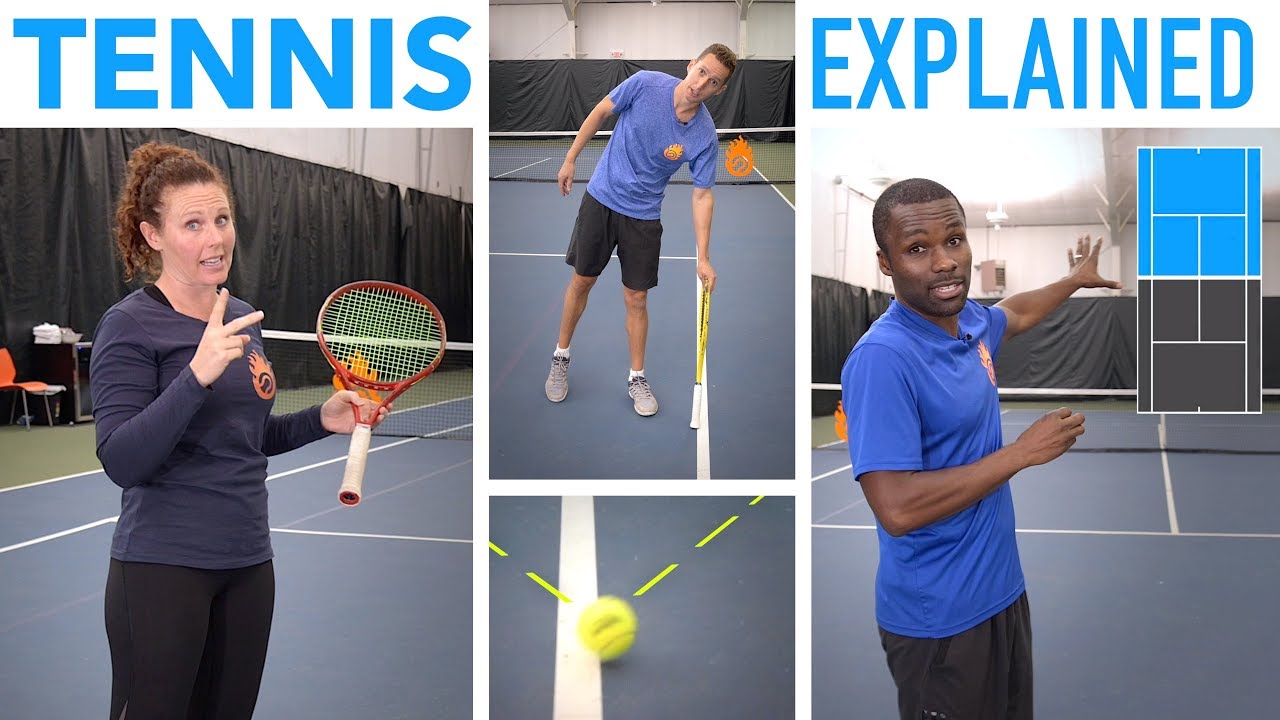
Tennis Rules Explained: Scoring, Gameplay & Key Terms (Beginner’s Guide)


Tennis Rules Explained: Scoring, Gameplay & Key Terms (Beginner’s Guide)

Tennis is one of the most popular individual sports in India, thanks to legends like Leander Paes, Sania Mirza, and Rohan Bopanna. Whether you are picking up a racket at your local club or watching Wimbledon on TV, understanding the unique tennis scores and rules is essential. This guide breaks down the basics for every beginner.

The Tennis Scoring System: Beyond Numbers

The most confusing part for newcomers is often the scoring. Tennis doesn’t use 1, 2, 3, or 4. Instead, it follows a traditional sequence:

  • 0 Points: “Love”
  • 1st Point: 15
  • 2nd Point: 30
  • 3rd Point: 40
  • 4th Point: Game

If both players reach 40-40, it is called a Deuce. To win from a deuce, a player must win two consecutive points: the “Advantage” point followed by the winning point. If the player with the advantage loses the next point, the score returns to deuce.

Sets and Matches

To win a match, you must win sets, and to win sets, you must win games. In most professional formats (and local tournaments in India):

  • A Set is won by the first player to win 6 games, with a lead of at least two games.
  • If the set score reaches 6-6, a Tie-break is played to determine the winner of the set.
  • Matches are usually “Best of Three” sets for women and most ATP events. In Grand Slams, men play “Best of Five.”

Gameplay: How the Game Starts

Every point starts with a Serve. The server stands behind the baseline and must hit the ball into the diagonally opposite service box. Players get two attempts (First Serve and Second Serve). If the ball hits the net but lands in the correct box, it is a “Let” and the serve is retaken.

Once the serve is in, the Rally begins. Players must hit the ball over the net and within the boundaries of the court. In singles, the narrower “inner” lines are used; in doubles, the wider “alleys” are included.

Key Tennis Terms to Know

  • Ace: A legal serve that the receiver does not touch.
  • Fault: A failed serve (hitting the net or landing outside the service box).
  • Double Fault: Missing both serves, resulting in a point for the opponent.
  • Volley: Hitting the ball before it touches the ground.
  • Break Point: A situation where the receiver is one point away from winning a game against the server.

Conclusion

Understanding tennis rules might seem daunting at first due to terms like “Love” and “Deuce,” but once you get the hang of the 15-30-40 rhythm, the game becomes incredibly addictive. Tennis is a fantastic way to stay fit and develop mental discipline. Now that you know the basics, grab a racket and head to the nearest court!

Frequently Asked Questions (FAQs)

1. Why is zero called “Love” in tennis?

While the exact origin is debated, many believe it comes from the French word “l’oeuf,” meaning “the egg,” representing the shape of a zero.

2. What happens if the ball hits the line?

In tennis, the lines are considered part of the court. If any part of the ball touches the white line, it is “In.”

3. How long does a typical tennis match last?

A standard best-of-three-sets match usually lasts between 90 minutes to 2 hours, though professional matches can go much longer.

4. Can I play doubles on a singles court?

Yes, but you must use the outer “doubles alleys” to ensure the court is wide enough for four players.

#1 Amazon new release for tennis book – Essential Tennis: Order your copy today and learn from my top 38 principles for tennis success!
————————————
Get your FREE membership to ET Academy and IMPROVE your game now:

Grab 15% off Diadem racquets, strings, bags and more using this discount link:
————————————
Follow this simple, free 7-Step checklist in your very next match for smarter, more effective play:
————————————
Looking for the perfect practice partner, match play partner, or qualified coach in your local area? PlayYourCourt will send them directly to the court of your choice! This is the greatest resource on the planet for passionate players looking to maximize their improvement:
————————————
MORE HELPFUL LESSONS:

Why Your Forehand is WEAK

Steal Roger’s Secret Strategy

World’s Most Annoying Tennis Opponent (and why they beat you)

Aim HERE For Easy Tennis Wins!

Stop Standing HERE In Tennis (why you’re losing)

Stop Beating YOURSELF At Tennis!

Hit WINNERS Like Djokovic

Bryan Brothers DON’T Cover This!

————————————

FOLLOW US ONLINE:

Facebook:

Instagram:

iTunes:

Google Play:

Twitter:

Stitcher:

————————————

OUR PRODUCTION GEAR:

Slow Motion Camera:

Analysis iPad:

Drone:

Wireless Mics:

Vlog Camera:

Ball Machine:

Camera Tripod:

Phone Tripod:

————————————

Essential Tennis is worldwide leader in digital tennis improvement resources. For over a decade their coaches have been publishing video, audio, and written instruction helping millions of passionate players improve at the game they love.

With content ranging from video lessons, to the first tennis podcast ever published on iTunes, to insightful long form emails giving insight into the improvement process Essential Tennis has the guidance you need to reach your goals and break through to the next level of play.

Their coaches also provide world class in person experiences including group clinics and their exclusive, Milwaukee VIP instructional package.

For more information on lessons, digital training programs, or anything else please send an email to support AT essentialtennis DOT com.

————————————

If you can read this you have an impressive scrolling game.

🙂