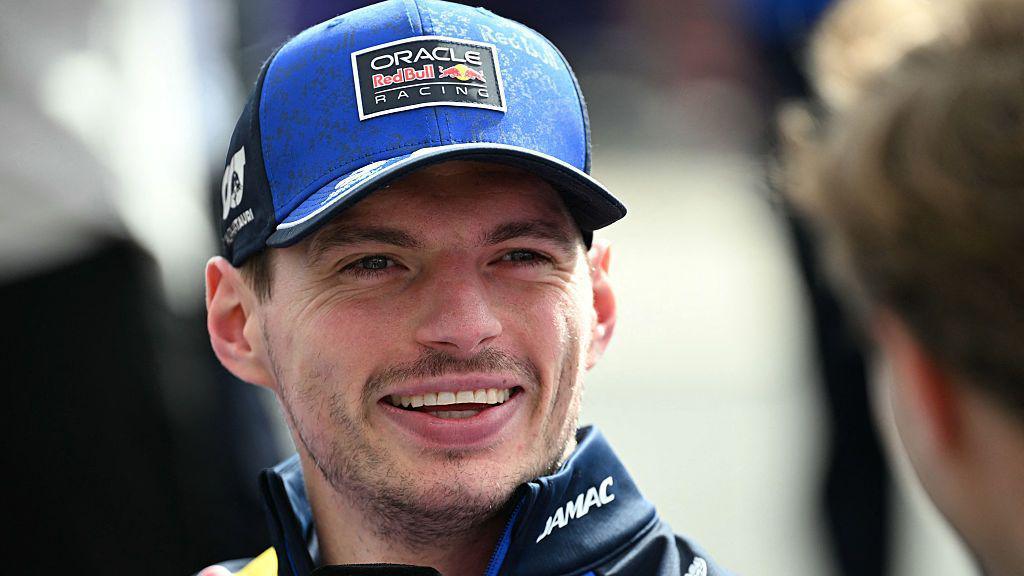
Max Verstappen has called Formula 1’s 2026 rules “like playing Mario Kart”, declared them “fundamentally flawed”, and told anyone who actually enjoys yo-yo racing that they “don’t really know what racing is” – and the disturbing thing is, he’s not wrong.
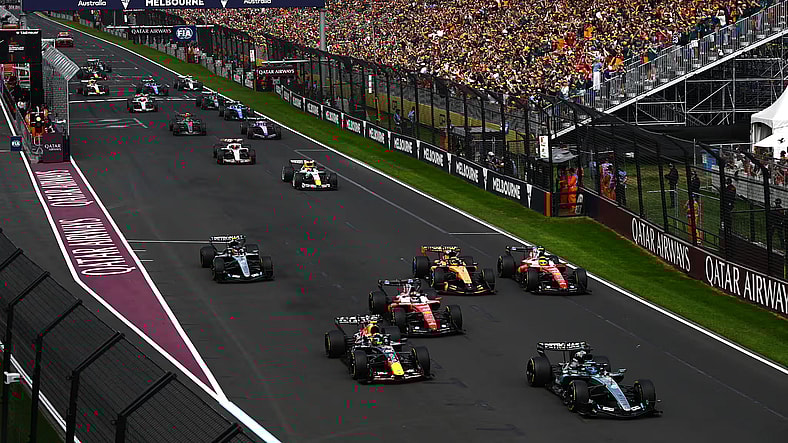
The 2026 tech overhaul produced something really strange. The new power units run on an almost 50-50 split between internal combustion engine and electric power, meaning battery management now drives the race as much as driving talent. The Overtake Mode button gives the driver a surge of power to propel ahead – but doing so burns the charge, leaving them sitting on the next straightaway. Exchange of posts. The fight continues. The lap counter has stopped and no one has really gone anywhere.
Verstappen illustrated it clearly this week.
“You boost past, then on the next straight your battery drains, and they boost you again,” Verstappen said. This is not a hot take. This is a mechanical description of what the spectators saw happen in Melbourne and Shanghai. The Australian opener made 75 more overtakes than in last year’s race on the same circuit. Impressive numbers. Almost meaningless in context.
An overtake which reverses after two corners is not an overtake. It is a position exchange, operated by a button. And presenting it as close racing is exactly the kind of thing F1’s marketing department loves and race engineers quietly despise.
So yes – there is merit in the criticism. The problem is that Max Verstappen is the least reliable man in the paddock making it.
Verstappen’s complaints are selective
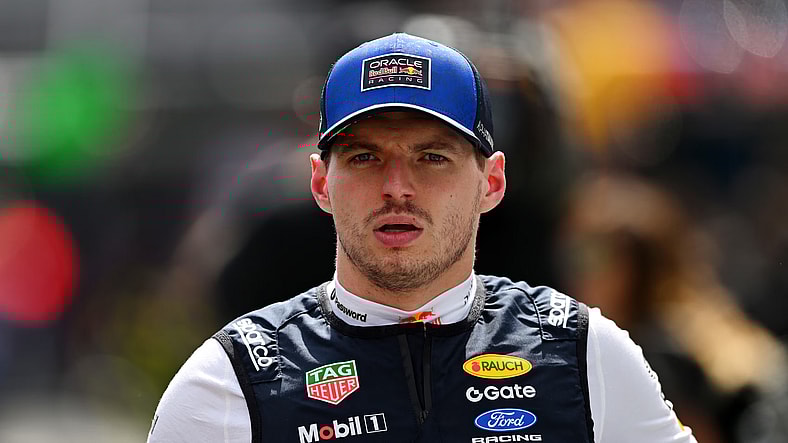
Max Verstappen is eighth in the championship with eight points after two rounds. Red Bull is nowhere to be found. The car he is driving hits the front window. Verstappen retired from sixth in Shanghai while trying to keep pace with Oliver Bearman in the Haas. This is the context of this crusade. And context matters.
Toto Wolff said candidly: “Obviously, for a guy like Max to lift and coast for a qualifying lap, who is completely aggressive, it is difficult to cope and digest. But I would say it is a car-specific issue that exacerbates the problem.”
Wolfe is also not wrong. Verstappen has a habit of linking his complaints to his results. This is the same driver who had nothing but contempt for him until he won the Las Vegas Grand Prix. The same driver who, during four years of Red Bull dominance, told fans struggling to connect with procession racing that they were not properly appreciating greatness. He was still enjoying the gatekeeper, from the other direction.
When pressed on his selective outrage, Verstappen was, well, Verstappen.
“If I was winning the race I would say the same, because I care about the racing product.”
Perhaps. But the line would be even more difficult to draw if he had not spent the last several years with absolute ease, with critics calling his era boring.
Charles Leclerc, who is actually in dispute, offered a different reading.
After China he said, “I enjoy it and from inside the car it doesn’t seem so artificial.” He finished second in the Chinese Grand Prix sprint race, watched Lewis Hamilton climb to the podium in the race, and walked away with a car that looked like a genuine championship contender. His stance on regulations doesn’t detract from his results, but at least he’s taking an honest look at what the new formula actually produces instead of trying to demonize the whole thing.
F1’s real issue isn’t Max Verstappen
The real problem facing Formula 1 here is not Max Verstappen’s state of mind. It’s their underlying argument – that manufactured position swaps are not the same as earned overtakes – is a conversation the game needs to have seriously, and can’t have seriously because the loudest voice making the case is the one with the obvious ax to grind.
When the person who has the most to gain from a change in a rule is the one shouting the loudest for that change, it spreads poison. Valid criticisms get filed under sour grapes. Fans who might otherwise engage with the nuance dismiss the entire argument. And F1’s leadership, already financially comfortable with the current direction, gets to do exactly what Verstappen accused them of doing – count the engagement numbers and move on.
He is not wrong about what the rules produce. He is just a wrong messenger. And in Formula 1, those two things are equally important.

#Max #Verstappens #Formula #criticism #spot #completely #unconvincing