Tennis Rules & Scoring Explained: A Simple Guide for Beginners (2024)


Tennis Rules & Scoring Explained: A Simple Guide for Beginners (2024)

With the rising popularity of stars like Rohan Bopanna and Sumit Nagal, more Indians are picking up tennis rackets than ever before. However, for a beginner, the tennis scoring system can feel like a different language. Why do they say “Love” instead of zero? What exactly is a “Deuce”?

In this guide, we break down the fundamental tennis rules and the unique tennis scores system to get you match-ready in no time.

The Basics: Objective of the Game

The goal of tennis is simple: hit the ball over the net into the opponent’s court in a way that they cannot return it. A match is composed of Points, which make up Games, which make up Sets.

Understanding Tennis Scores: Point by Point

Unlike cricket or football, tennis doesn’t use 1, 2, 3, or 4. Instead, it uses a specific progression:

  • 0 Points = “Love”
  • 1 Point = 15
  • 2 Points = 30
  • 3 Points = 40
  • 4 Points = Game Over

What is Deuce and Advantage?

If both players reach a score of 40-40, it is called a Deuce. To win from a deuce, a player must win two consecutive points:

  1. Advantage: The player who wins the first point after deuce has the “Advantage.”
  2. Game: If that same player wins the next point, they win the game. If they lose it, the score goes back to Deuce.

Winning Sets and Matches

In most professional formats (and local clubs in India):

  • To win a Set: A player must win at least 6 games and be ahead by at least 2 games (e.g., 6-4).
  • Tie-break: If the score reaches 6-6 in games, a tie-break is played to decide the set winner.
  • To win a Match: Most matches are “Best of 3 Sets” (first to win 2 sets). In Men’s Grand Slams, it is “Best of 5 Sets.”

Fundamental Tennis Rules for Beginners

Before you step onto the court at your local academy, keep these essential rules in mind:

1. The Serve

The game starts with a serve from behind the baseline. The server must hit the ball into the diagonally opposite service box. You get two chances (First Serve and Second Serve). If both hit the net or land out, it’s a “Double Fault,” and your opponent gets the point.

2. In or Out?

If any part of the ball touches the line, it is considered IN. If the ball hits the net but still lands in the correct service box during a serve, it is called a “Let,” and the serve is re-taken.

3. Sides of the Court

Players switch ends of the court after every odd number of games (1, 3, 5, etc.). This ensures fairness regarding sun glare or wind direction.

Conclusion

While the 15, 30, and 40 scoring might seem confusing at first, it becomes second nature once you start playing. Whether you are watching the Australian Open on TV or playing at a court in Delhi or Mumbai, understanding these rules makes the game significantly more enjoyable. Now that you know how tennis scores work, it’s time to grab a racket and hit the court!

Frequently Asked Questions (FAQs)

1. Why is zero called “Love” in tennis?

It is widely believed to come from the French word “l’oeuf,” meaning “the egg,” because an egg looks like a zero. Others say it comes from the phrase “to play for the love of the game.”

2. What is the difference between Singles and Doubles lines?

In singles, the “alleys” (the strips on the sides of the court) are out of bounds. In doubles, the entire court—including the alleys—is considered in-bounds after the serve.

3. How long does a typical tennis match last?

A best-of-three-set match usually lasts between 90 minutes to 2 hours, though it can vary greatly depending on the players’ skill levels.

4. Can I hit the ball before it bounces?

Yes, this is called a “volley.” However, you cannot volley the ball while receiving a serve; the serve must bounce once before you can return it.

Hi everyone, Coach Zee here! In today’s video, I’m breaking down the basic rules of tennis to help kids (and parents!) understand the essentials. From learning the parts of the court to understanding scoring, I’ll walk you through each part of the game so kids can enjoy playing, watching, and even competing with a strong foundation.

We’ll cover:

Court layout for singles and doubles
Basic gameplay rules and serving
Scoring explained (points, games, sets, and even tiebreaks!)
Fun examples and an easy-to-follow scoreboard to keep it simple!
If you have any questions, drop them in the comments. And don’t forget to like and subscribe for more tennis tips. See you on the court!

Tennis Scoring Rules Explained: A Complete Guide for Beginners


Tennis Scoring Rules Explained: A Complete Guide for Beginners

With the rising popularity of stars like Sumit Nagal and the legacy of legends like Leander Paes and Sania Mirza, more Indians are picking up tennis rackets than ever before. However, for a beginner, the tennis scores system can seem a bit cryptic. Why is the first point “15” and not “1”? What exactly is a “Deuce”?

In this guide, we break down the fundamental tennis scoring rules to help you follow the game on TV or compete on the local courts of Delhi, Mumbai, or Bangalore with confidence.

The Hierarchy of Tennis Scoring

Tennis scoring is divided into four main levels: Points, Games, Sets, and the Match. Think of it like a ladder where you must climb each rung to win.

1. Scoring Points in a Game

Instead of the traditional 1, 2, 3, 4, tennis uses a unique numerical system. The points progress as follows:

  • 0 Points: “Love”
  • 1st Point: 15
  • 2nd Point: 30
  • 3rd Point: 40
  • 4th Point: Game (Over)

When announcing the score, the server’s score is always mentioned first. For example, if the server has 30 and the receiver has 15, the score is “30-15”.

2. Deuce and Advantage

If both players reach 40-40, it is called a Deuce. To win a game from a deuce, a player must win two consecutive points:

  • Advantage In (Ad-In): The server wins the next point after deuce.
  • Advantage Out (Ad-Out): The receiver wins the next point after deuce.
  • If the player with the advantage loses the next point, the score returns to Deuce.

Winning a Set

To win a set, a player must win at least six games. However, there is a catch: you must win by a margin of at least two games (e.g., 6-4). If the score reaches 5-5, the set continues. If it reaches 6-6, a Tie-break is played.

The Tie-break

In a tie-break, the scoring switches to 1, 2, 3, etc. The first player to reach 7 points with a 2-point lead wins the game and the set (recorded as 7-6).

Winning the Match

In most professional tournaments and local Indian club matches, tennis is played in one of two formats:

  • Best of Three Sets: The first player to win two sets wins the match. This is the standard for women’s professional matches and most ATP tour events.
  • Best of Five Sets: The first player to win three sets wins. This format is primarily seen in Men’s Singles at Grand Slam events (like Wimbledon or the Australian Open).

Conclusion

While the tennis scoring rules may seem unusual at first glance, they provide the sport with its unique rhythm and high-stakes drama. Whether you are playing a friendly match at your local gymkhana or watching a Grand Slam final, understanding how tennis scores work enhances your appreciation for the tactical depth of the game. Now that you know the basics of Love, 15, 30, and 40, you are ready to hit the court!

Frequently Asked Questions (FAQs)

1. Why is zero called “Love” in tennis?

The most popular theory is that it comes from the French word “l’oeuf,” meaning “the egg,” because an egg looks like a zero. Over time, English speakers mispronounced it as “Love.”

2. What is “No-Ad” scoring?

In some amateur or doubles matches (common in India to save time), “No-Ad” scoring is used. At deuce, a single “sudden death” point is played to decide the game winner.

3. What does “Set Point” and “Match Point” mean?

A set point is a situation where the player leading needs only one more point to win the current set. A match point means they need only one more point to win the entire match.

4. How many sets are played in the Olympics?

In the Olympics, both men and women typically play a best-of-three-sets format to determine the winner.

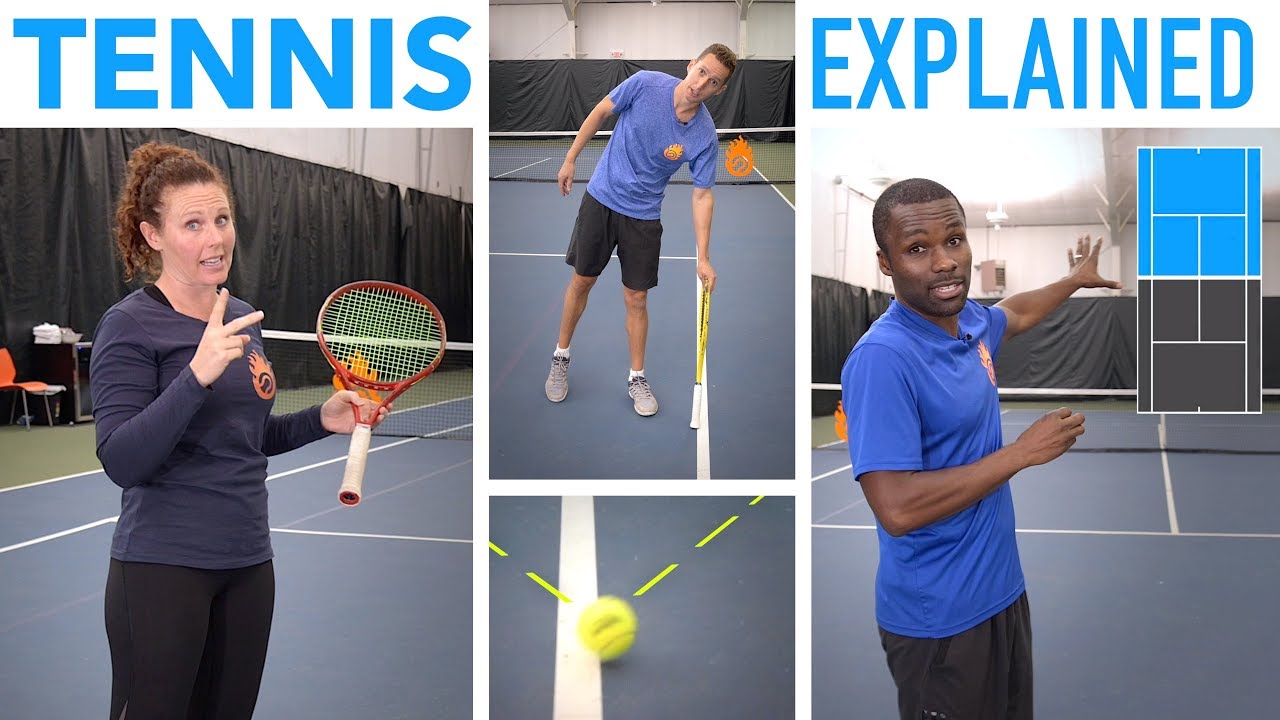
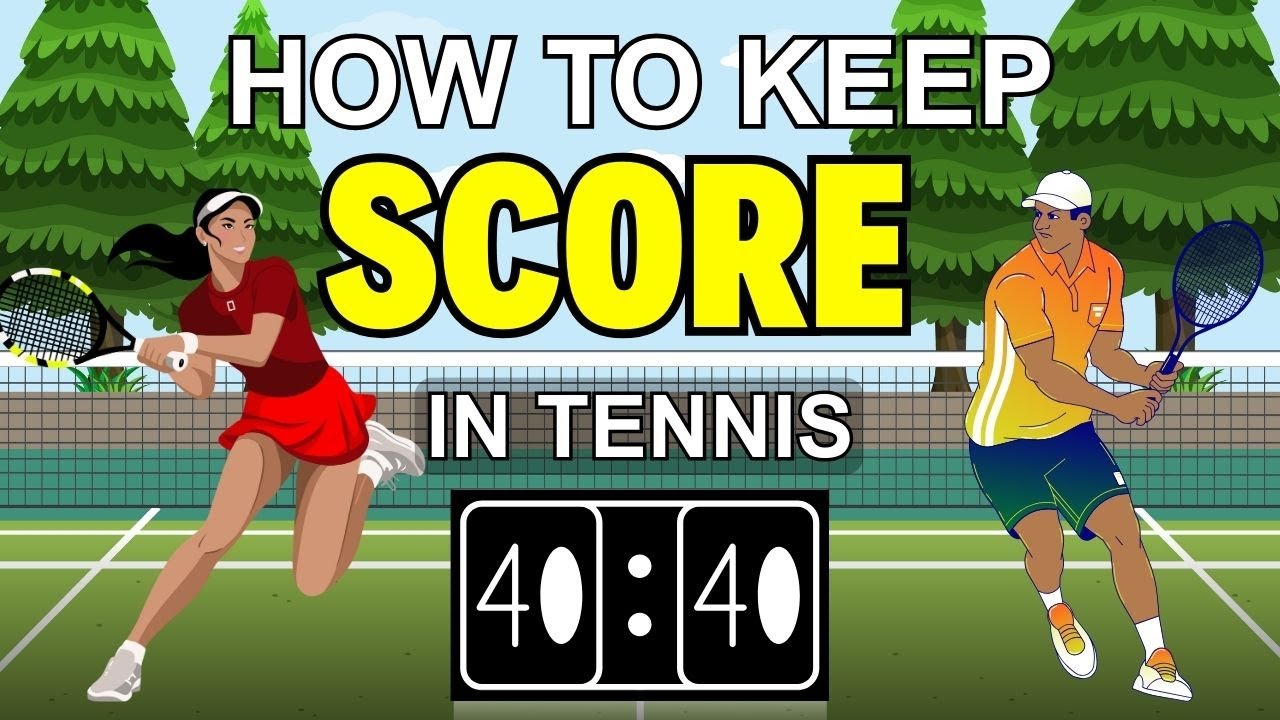
How to keep score in tennis, explained by high school tennis players, Joellen and Rebecca. By JuniorTennisUSA.com – 100% free tennis, by junior players, for junior players. @JrTennisUSA.

You will learn Love – 15 -30 – 40 – Game; ad in and ad out; moving from side to side and when to change sides.

Please see our other instructional videos:

-How to Hit a Backhand
-How to Hit a Forehand
-How to Keep Score in Tennis
-How to Score a Tennis Tiebreaker
-Interviews with top pro players by junior players

Tennis Scoring Rules Explained: Simple Guide for Beginners in India


Tennis Scoring Rules Explained: A Simple Guide for Beginners in India

Tennis is rapidly gaining popularity across India. From the clay courts of local clubs to the iconic grass of Wimbledon watched on TV, the game is thrilling but can be confusing for a newcomer. If you have ever wondered why the commentator says “Love” instead of zero or why 40 isn’t the final point, this guide is for you.

Understanding tennis scores is the first step to enjoying the game, whether you are playing at a local academy in Delhi or tracking Sania Mirza and Rohan Bopanna’s legacy. Let’s break down the system into simple steps.

1. The Four Points: 15, 30, 40, and Game

In a standard game of tennis, the scoring doesn’t go 1, 2, 3. Instead, it follows a unique sequence:

  • Love: 0 points
  • 15: 1 point won
  • 30: 2 points won
  • 40: 3 points won
  • Game: 4 points won (and you win the game)

Note: The server’s score is always called out first. If the server has 30 and the receiver has 15, the score is “30-15”.

2. Deuce and Advantage

What happens if both players reach 40-40? This is called a Deuce. To win from a deuce, a player must win two consecutive points:

  1. Advantage: The player who wins the first point after deuce gets the “Advantage.”
  2. If that same player wins the next point, they win the Game.
  3. If they lose the point, the score goes back to Deuce.

3. From Games to Sets

Tennis scoring is hierarchical. Winning points helps you win a Game, and winning Games helps you win a Set.

  • To win a Set, a player must win at least six games.
  • There must be a margin of at least two games (e.g., 6-4).
  • If the set reaches a 6-6 tie, a Tie-break is played to decide the winner (7-6).

4. Winning the Match

In most professional tournaments (ATP/WTA) and local Indian tournaments:

  • Best of Three Sets: The first person to win two sets wins the match. Most women’s matches and regular men’s matches follow this format.
  • Best of Five Sets: Common in Men’s Grand Slams (like Wimbledon or the French Open), where the first to win three sets wins.

Conclusion

While tennis scores might seem complicated at first with terms like “Love” and “Deuce,” they follow a logical rhythm once you hit the court. Whether you are practicing your serve in Mumbai or watching a high-stakes match, knowing these rules makes the sport much more engaging. Tennis is a game of mental strength and physical endurance—now that you know the rules, it’s time to pick up a racket!

Frequently Asked Questions (FAQs)

1. Why is zero called “Love” in tennis?

The most popular theory is that it comes from the French word “l’oeuf,” meaning “the egg,” because an egg looks like a zero. Over time, it was anglicized to “Love.”

2. What is a “Golden Set” in tennis?

A Golden Set occurs when a player wins a set without losing a single point (24 points to 0). This is extremely rare in professional tennis.

3. Is a tie-break scored differently?

Yes. In a tie-break, points are counted simply as 1, 2, 3, etc. The first person to reach 7 points with a 2-point lead wins the set 7-6.

4. Are tennis rules the same in India as internationally?

Yes, the All India Tennis Association (AITA) follows the International Tennis Federation (ITF) rules, so the scoring is identical globally.

5. What does “All” mean (e.g., 15-All)?

If both players have the same number of points, the score is followed by “All.” Example: 15-15 is called “15-All.” However, 40-40 is exclusively called “Deuce.”

“Love, 15, 30, 40… wait, what?

Tennis scoring can feel confusing at first, but once you learn the system, it makes perfect sense.

In this video, I’ll walk you through how to keep score in tennis step by step:
– Points within a game (Love, 15, 30, 40, Deuce, Advantage)
– Games within a set
– How tiebreakers work
– When to switch sides
– The history behind tennis scoring and why it uses such unusual numbers

By the end, you’ll be able to follow any match—whether you’re just starting out, watching the pros, or playing your first match yourself.

Watch next: How to Play a Tiebreaker (coming soon)
————–
Want your own Pace S Pro Ball Machine?
Use my link below for a discount and to help support the channel:

Code for 5% off: Alfred

Tennis Scoring System Explained: Learn How to Count Points (Love, 15, 30, 40)


Tennis Scoring System Explained: Learn How to Count Points

Tennis is one of the most popular sports in India, with stars like Sania Mirza, Leander Paes, and Rohan Bopanna putting the country on the global map. However, for a beginner, watching a match at Wimbledon or the Australian Open can be confusing. Unlike cricket or football, where points are counted linearly (1, 2, 3…), tennis uses a unique terminology: Love, 15, 30, and 40.

In this guide, we break down the tennis scoring system so you can enjoy the game like a pro.

The Three Stages of a Tennis Match

To understand the score, you must understand the hierarchy of a match:

  • Game: The smallest unit of scoring.
  • Set: A collection of games (usually 6).
  • Match: The overall contest (usually best of 3 or 5 sets).

How to Count Points in a Game

When a player serves, they are trying to win a “Game.” Instead of counting 0, 1, 2, 3, tennis uses the following scale:

  • 0 Points = “Love” (Derived from the French word ‘l’oeuf’, meaning egg, representing zero).
  • 1 Point = 15
  • 2 Points = 30
  • 3 Points = 40
  • 4 Points = Game (Ends the game, provided the player is ahead by two points).

Deuce and Advantage

If both players reach a score of 40-40, it is called a Deuce. From here, a player must win two consecutive points to win the game:

  1. Advantage: The player who wins the first point after deuce gets the “Advantage.”
  2. Game: If that same player wins the next point, they win the game.
  3. Back to Deuce: If the opposing player wins the point, the score returns to Deuce.

Winning a Set and the Match

In most professional tournaments, a player must win 6 games to win a set. However, there is a “two-game lead” rule. If the score is 5-5, the set continues until one person wins 7-5. If the score reaches 6-6, a Tie-break is played.

For the match itself:

  • Best of 3: Common in women’s matches and ATP Masters. First to 2 sets wins.
  • Best of 5: Common in Men’s Grand Slams. First to 3 sets wins.

Conclusion

While the tennis scoring system might seem complicated at first with terms like “Love” and “Deuce,” it becomes second nature once you start playing or watching regularly. Whether you hit the clay courts at your local club in Bangalore or watch the French Open from your living room in Delhi, understanding tennis scores enhances the excitement of every rally.


Frequently Asked Questions (FAQs)

1. Why is zero called “Love” in tennis?

The most popular theory is that it comes from the French word ‘l’oeuf’ (the egg), which looks like a zero. Others believe it comes from the phrase “to play for the love of the game” (playing for nothing).

2. What does “All” mean in tennis scores?

If the score is tied (except for 40-40), the umpire uses the word “All.” For example, 15-15 is called “15-All,” and 30-30 is “30-All.”

3. What is a “Golden Set” in tennis?

A Golden Set occurs when a player wins every single point in a set (24 points to 0), without losing a single point to the opponent. This is extremely rare in professional tennis.

4. Who serves first in a match?

A coin toss (or a racket spin) determines who serves first. The winner can choose to serve, receive, or pick a side of the court.

5. What is the difference between Ad-In and Ad-Out?

When the score is at Deuce, “Ad-In” (Advantage In) means the server has the lead. “Ad-Out” (Advantage Out) means the receiver has the lead.

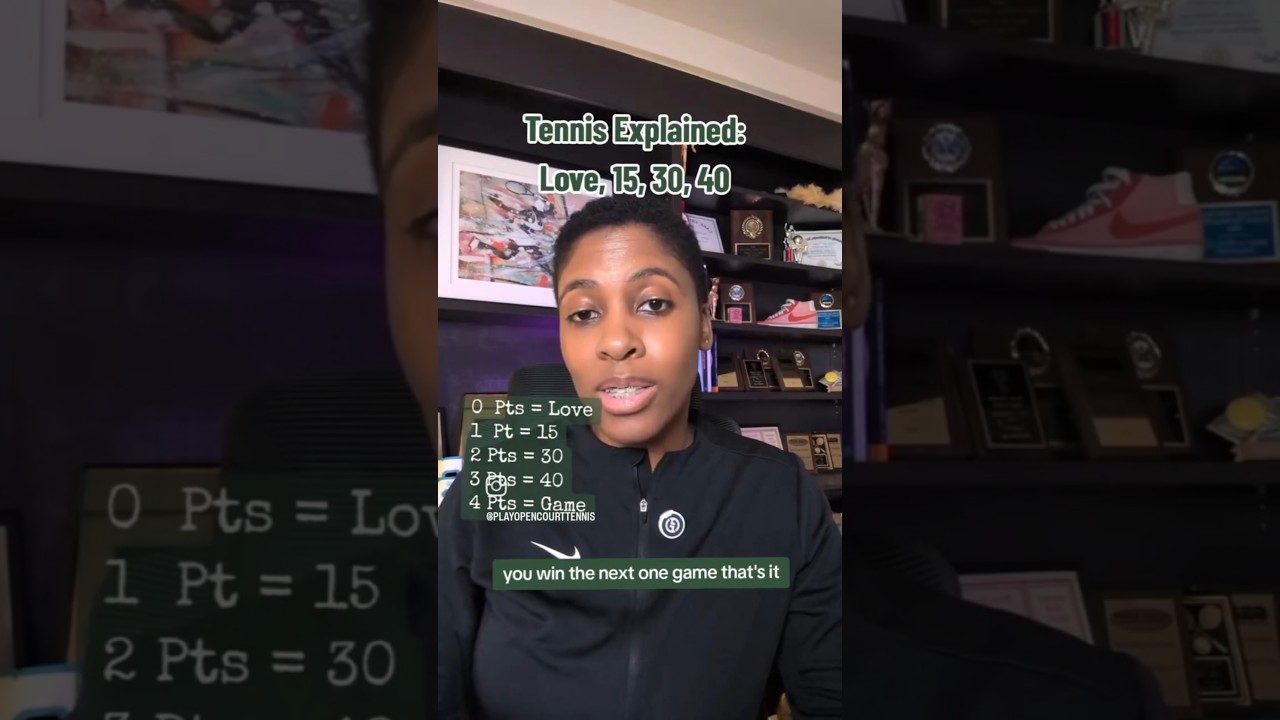
Ever wonder how tennis scoring works with “Love,” “15,” “30,” and “40”? 🤔 This quick Short explains how to understand tennis scores simply! Learn what each term means and how to win a game in tennis.

Perfect for new players or anyone looking to master basic tennis scoring.

Boost your tennis confidence! Hit SUBSCRIBE for more easy tennis tips & rules explained. 👉 @playopencourttennis

#TennisScoring #EasyTennis #BeginnerTennis #TennisRules #TennisBasics #tennistips #tennistip #learntennis #PlayTennis

Tennis rules explained | how to keep score in tennis | tennis rules and scoring | tennis scoring for beginners | tennis match explained | tennis point system explained | tennis points explained | scoring in tennis explained

Learn How to Play Tennis: Rules, Scoring & Tips for Beginners in India


Learn How to Play Tennis: Rules, Scoring & Tips for Beginners in India

Tennis is one of the most prestigious and physically engaging sports in India. From the success of legends like Leander Paes and Sania Mirza to the growing popularity of local clubs, more Indians are picking up the racket than ever before. If you are looking to step onto the court for the first time, this guide will walk you through the essential rules, scoring systems, and pro tips to get you started.

The Basics: Equipment and Court

To start playing tennis in India, you need three basic items: a tennis racket, tennis balls (usually yellow pressurized balls), and non-marking sports shoes. Most Indian residential complexes and academies offer synthetic (hard) courts or clay courts.

  • Singles: Played between two players.
  • Doubles: Played between two teams of two.

Understanding Tennis Rules

The objective of tennis is simple: hit the ball over the net and into the opponent’s court in a way that they cannot return it. Here are the core rules:

  • The Serve: Every point starts with a serve. In India, most beginners start with an underarm serve, but the “overhead” serve is the standard. You must serve diagonally into the opponent’s service box.
  • In or Out: If the ball hits the line, it is “in.” If it lands outside the boundary lines, it is “out.”
  • One Bounce: The ball can only bounce once on your side before you must hit it back.

The Tennis Scoring System Explained

Tennis scoring can be confusing for beginners. Instead of 1, 2, 3, it uses a unique terminology:

  • 0 Points = “Love”
  • 1st Point = 15
  • 2nd Point = 30
  • 3rd Point = 40
  • 4th Point = Game

If both players reach 40-40, it is called a Deuce. From here, a player must win two consecutive points (Advantage and then Game) to win. A Set is won when a player wins six games (with a margin of two), and a Match is usually decided by the best of three sets.

Keeping Up with Tennis Scores

For enthusiasts in India, keeping track of tennis scores is vital, especially during Grand Slams like Wimbledon or the Australian Open. Because of the time zone differences, Indian fans often use live score apps to follow Indian stars like Rohan Bopanna. Understanding live scores helps you grasp the momentum shifts in a professional match, which can improve your own tactical thinking on the court.

Tips for Beginners in India

  1. Hydration is Key: Given the Indian climate, always carry a bottle of water or electrolytes. Playing in the early morning or late evening is recommended to avoid heat exhaustion.
  2. Focus on Footwork: Tennis is played with your feet as much as your hands. Small, quick steps will help you reach the ball in time.
  3. Join a Local Academy: Cities like Delhi, Mumbai, Bangalore, and Hyderabad have excellent tennis academies (like the Mahesh Bhupathi Tennis Academies) that offer foundational coaching.

Conclusion

Tennis is a lifelong sport that offers incredible health benefits, including improved cardiovascular health and better coordination. By mastering the basic rules and understanding the unique scoring system, you are well on your way to enjoying your first match. Whether you’re playing for fitness or looking to compete in local tournaments, the most important thing is to stay consistent and keep an eye on professional tennis scores to learn from the pros.

Frequently Asked Questions (FAQs)

1. What is the standard size of a tennis court?

A standard singles court is 78 feet long and 27 feet wide. For doubles, the width increases to 36 feet.

2. Why is zero called “Love” in tennis?

While there are many theories, the most popular is that it comes from the French word “l’oeuf,” meaning “the egg,” which represents the shape of a zero.

3. What are the best tennis brands available in India?

Popular and accessible brands in India include Wilson, Babolat, Head, and Decathlon’s Artengo for beginners.

4. Where can I check live tennis scores in India?

You can check live scores on major sports websites like ESPN, the ATP/WTA official apps, or dedicated sports news portals in India.

5. Can I play tennis if I have no previous experience?

Absolutely! Tennis is beginner-friendly. Start with “wall practice” to get a feel for the racket before moving to a full court.

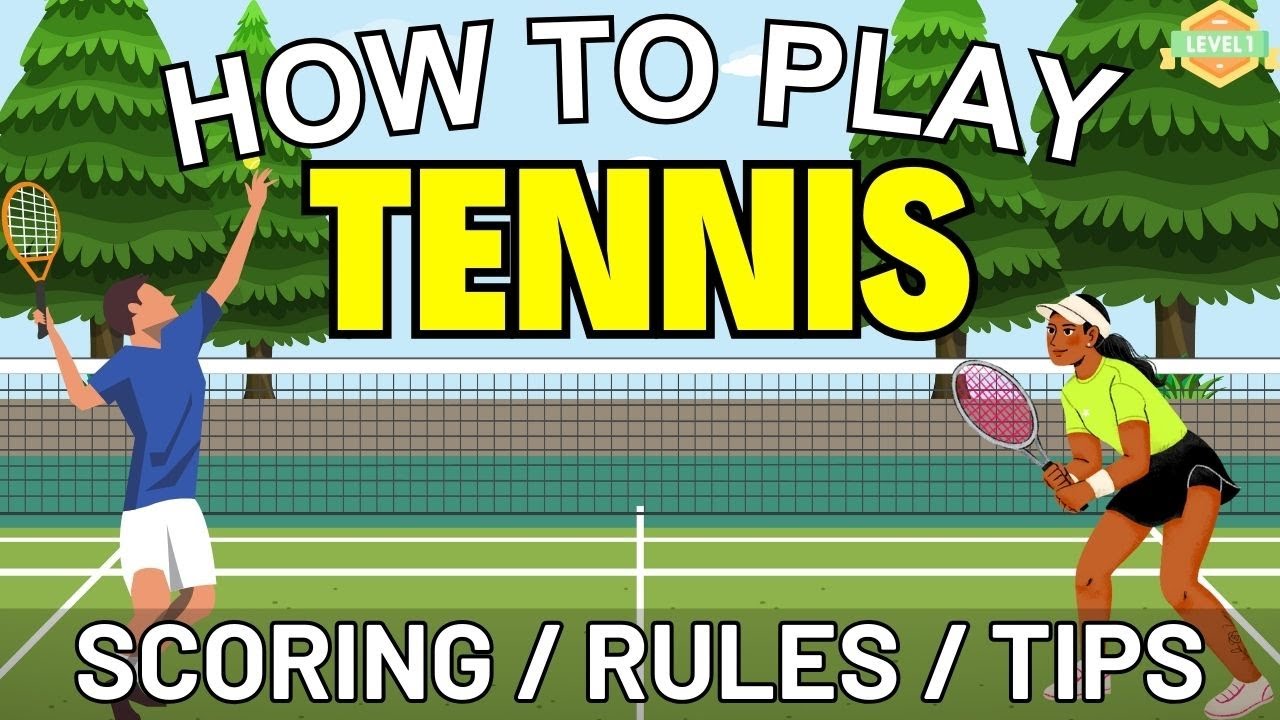
Want to learn how to play tennis but don’t know where to start? This beginner-friendly video breaks it all down — rules, scoring, serving, and more — with fun analogies and clear visuals to help you finally “get” the game.

Whether you’re brand new to tennis or just trying to understand the difference between Love, Deuce, and Advantage — this is your crash course.

In this video you’ll learn:

How the court works
What counts as in or out
How scoring works (and why it’s so weird)
What “deuce” really means
How serving and rotation works
And what you need to start playing today

Perfect for first-time players, parents of junior players, or anyone trying to follow a match.

Like, subscribe, and drop a comment if this helped!

Inner: By Voo de Mar – CC BY-SA 2.0,
————–
Want your own Pace S Pro Ball Machine?
Use my link below for a discount and to help support the channel:

Code for 5% off: Alfred

Tennis Rules Explained: Scoring, Gameplay & Key Terms (Beginner’s Guide)


Tennis Rules Explained: Scoring, Gameplay & Key Terms (Beginner’s Guide)

Tennis is one of the most popular individual sports in India, thanks to legends like Leander Paes, Sania Mirza, and Rohan Bopanna. Whether you are picking up a racket at your local club or watching Wimbledon on TV, understanding the unique tennis scores and rules is essential. This guide breaks down the basics for every beginner.

The Tennis Scoring System: Beyond Numbers

The most confusing part for newcomers is often the scoring. Tennis doesn’t use 1, 2, 3, or 4. Instead, it follows a traditional sequence:

  • 0 Points: “Love”
  • 1st Point: 15
  • 2nd Point: 30
  • 3rd Point: 40
  • 4th Point: Game

If both players reach 40-40, it is called a Deuce. To win from a deuce, a player must win two consecutive points: the “Advantage” point followed by the winning point. If the player with the advantage loses the next point, the score returns to deuce.

Sets and Matches

To win a match, you must win sets, and to win sets, you must win games. In most professional formats (and local tournaments in India):

  • A Set is won by the first player to win 6 games, with a lead of at least two games.
  • If the set score reaches 6-6, a Tie-break is played to determine the winner of the set.
  • Matches are usually “Best of Three” sets for women and most ATP events. In Grand Slams, men play “Best of Five.”

Gameplay: How the Game Starts

Every point starts with a Serve. The server stands behind the baseline and must hit the ball into the diagonally opposite service box. Players get two attempts (First Serve and Second Serve). If the ball hits the net but lands in the correct box, it is a “Let” and the serve is retaken.

Once the serve is in, the Rally begins. Players must hit the ball over the net and within the boundaries of the court. In singles, the narrower “inner” lines are used; in doubles, the wider “alleys” are included.

Key Tennis Terms to Know

  • Ace: A legal serve that the receiver does not touch.
  • Fault: A failed serve (hitting the net or landing outside the service box).
  • Double Fault: Missing both serves, resulting in a point for the opponent.
  • Volley: Hitting the ball before it touches the ground.
  • Break Point: A situation where the receiver is one point away from winning a game against the server.

Conclusion

Understanding tennis rules might seem daunting at first due to terms like “Love” and “Deuce,” but once you get the hang of the 15-30-40 rhythm, the game becomes incredibly addictive. Tennis is a fantastic way to stay fit and develop mental discipline. Now that you know the basics, grab a racket and head to the nearest court!

Frequently Asked Questions (FAQs)

1. Why is zero called “Love” in tennis?

While the exact origin is debated, many believe it comes from the French word “l’oeuf,” meaning “the egg,” representing the shape of a zero.

2. What happens if the ball hits the line?

In tennis, the lines are considered part of the court. If any part of the ball touches the white line, it is “In.”

3. How long does a typical tennis match last?

A standard best-of-three-sets match usually lasts between 90 minutes to 2 hours, though professional matches can go much longer.

4. Can I play doubles on a singles court?

Yes, but you must use the outer “doubles alleys” to ensure the court is wide enough for four players.

#1 Amazon new release for tennis book – Essential Tennis: Order your copy today and learn from my top 38 principles for tennis success!
————————————
Get your FREE membership to ET Academy and IMPROVE your game now:

Grab 15% off Diadem racquets, strings, bags and more using this discount link:
————————————
Follow this simple, free 7-Step checklist in your very next match for smarter, more effective play:
————————————
Looking for the perfect practice partner, match play partner, or qualified coach in your local area? PlayYourCourt will send them directly to the court of your choice! This is the greatest resource on the planet for passionate players looking to maximize their improvement:
————————————
MORE HELPFUL LESSONS:

Why Your Forehand is WEAK

Steal Roger’s Secret Strategy

World’s Most Annoying Tennis Opponent (and why they beat you)

Aim HERE For Easy Tennis Wins!

Stop Standing HERE In Tennis (why you’re losing)

Stop Beating YOURSELF At Tennis!

Hit WINNERS Like Djokovic

Bryan Brothers DON’T Cover This!

————————————

FOLLOW US ONLINE:

Facebook:

Instagram:

iTunes:

Google Play:

Twitter:

Stitcher:

————————————

OUR PRODUCTION GEAR:

Slow Motion Camera:

Analysis iPad:

Drone:

Wireless Mics:

Vlog Camera:

Ball Machine:

Camera Tripod:

Phone Tripod:

————————————

Essential Tennis is worldwide leader in digital tennis improvement resources. For over a decade their coaches have been publishing video, audio, and written instruction helping millions of passionate players improve at the game they love.

With content ranging from video lessons, to the first tennis podcast ever published on iTunes, to insightful long form emails giving insight into the improvement process Essential Tennis has the guidance you need to reach your goals and break through to the next level of play.

Their coaches also provide world class in person experiences including group clinics and their exclusive, Milwaukee VIP instructional package.

For more information on lessons, digital training programs, or anything else please send an email to support AT essentialtennis DOT com.

————————————

If you can read this you have an impressive scrolling game.

🙂

How to Count Tennis Points: A Simple Guide for Beginners


How to Count Tennis Points: A Simple Guide for Beginners

Tennis is one of the most popular individual sports in India, thanks to the legacies of stars like Sania Mirza, Leander Paes, and Rohan Bopanna. However, for a beginner, walking onto a court at your local club can be confusing when you hear terms like “Love,” “Deuce,” and “Advantage.”

If you are wondering why tennis scores don’t go 1, 2, 3, and 4, you aren’t alone. Understanding tennis scores is the first step to enjoying the game. This guide breaks down the scoring system into simple steps.

The Structure: Points, Games, and Sets

Think of a tennis match like a ladder. You must climb three rungs to win:

  • Points make up a Game.
  • Games make up a Set.
  • Sets make up the Match.

1. Scoring a Single Game

Instead of 1, 2, and 3, tennis uses a unique numerical progression. Both players start at zero, which is called “Love.”

  • No points: Love
  • 1st point: 15
  • 2nd point: 30
  • 3rd point: 40
  • 4th point: Game (End of game)

In tennis, the server’s score is always announced first. If the server has 30 and the receiver has 15, the score is “30-15.”

What is Deuce?

If both players reach 40-40, it is called a Deuce. From here, one player must win two consecutive points to win the game:

  • The first point won after deuce is called Advantage.
  • If the same player wins the next point, they win the game.
  • If they lose the point, the score returns to Deuce.

2. Winning a Set

In most professional and amateur matches in India, you need to win six games to win a set. However, there is a catch: you must win by a margin of at least two games (e.g., 6-0, 6-4).

If the set score reaches 5-5, the set continues. If it reaches 6-6, a Tie-break is played to decide the winner of the set (7-6).

3. Winning the Match

Most matches are played as “Best of Three.” This means the first person to win two sets wins the match. In major Men’s Grand Slams (like Wimbledon or the Australian Open), they play “Best of Five,” requiring three sets to win.

Conclusion

While the tennis scoring system seems unconventional at first, it becomes second nature once you start playing. Whether you are playing on a clay court in Kolkata or a hard court in Mumbai, the rules remain the same. The key is to remember the 15-30-40 sequence and keep your eye on the ball!


Frequently Asked Questions (FAQs)

1. Why is zero called “Love” in tennis?

While there are many theories, the most popular one is that it comes from the French word for egg, “l’oeuf,” because an egg looks like a zero. Others believe it comes from the phrase “to play for the love of the game.”

2. What is “All” in tennis scores?

If the score is tied (except for 40-40), you use the word “All.” For example, 15-15 is “15-All,” and 30-30 is “30-All.”

3. What does “Advantage In” and “Advantage Out” mean?

During a deuce, “Advantage In” (Ad-In) means the server has the point lead. “Advantage Out” (Ad-Out) means the receiver has the point lead.

4. How long does a typical tennis match last?

A best-of-three set match usually lasts between 90 minutes to 2 hours, depending on how competitive the games are.

5. Is there a faster version of scoring?

Yes. Many local Indian tournaments use “No-Ad” scoring. If the score reaches deuce, the next single point wins the game immediately.

Learn More:

Shop Beginners Tennis Racquet:

➤Tennis Warehouse:
➤Tennis Warehouse Europe:
➤Tennis Only:

➤YouTube:
➤ Facebook:
➤ Instagram:
➤ Twitter:
➤ Improve Your Game:

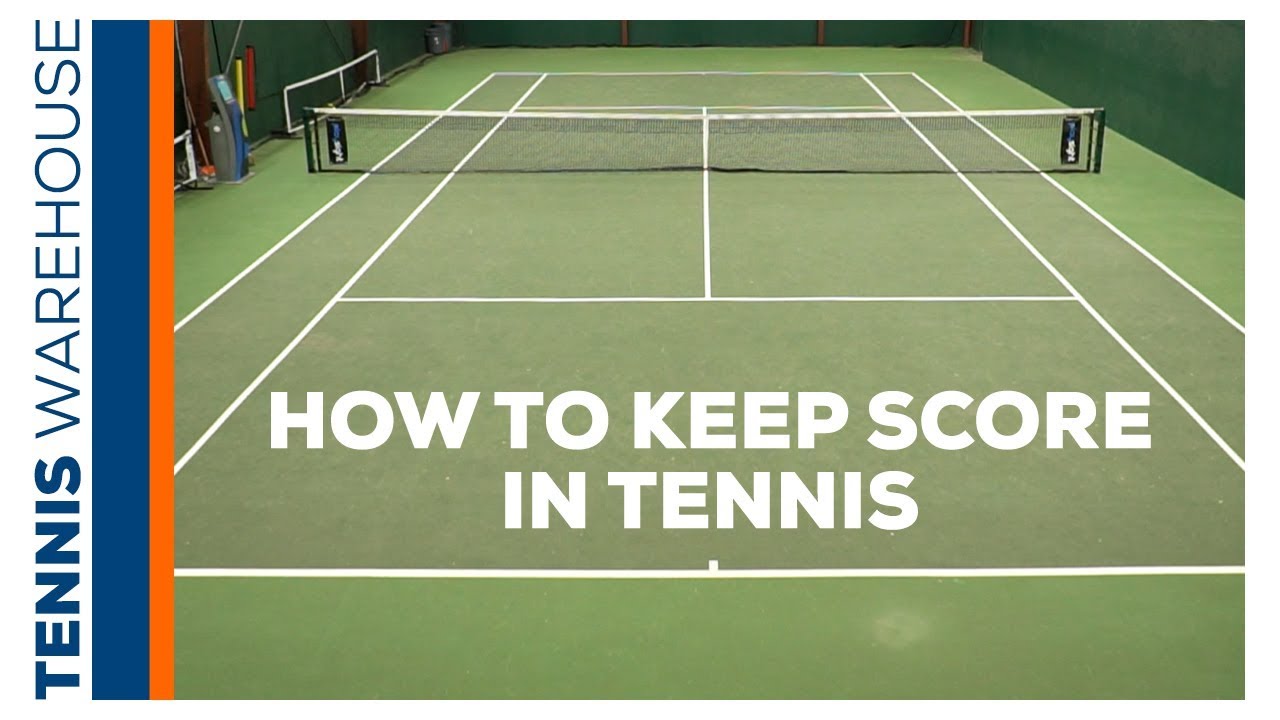
Learn how to keep score in a game of Tennis!

#tenniswarehouse #tennis #scoretennis #learntennis