Formula 1 2026 energy management solutions: what’s at stake

Formula 1’s 2026 energy management reforms have a tight deadline – and the clock is ticking. Three races. Two canceled Grands Prix. One driver is threatening to walk away from the sport he has dominated for half a decade. The big new era is not going according to plan.

The FIA ​​confirmed last week what most of the paddock already knew – the 2026 rules need to be worked on. Following the first round of meetings on 9 April, the governing body issued a statement acknowledging what it diplomatically called “a commitment to make changes to certain aspects of the rules in the field of energy management”. Two further meetings are scheduled on 15 and 16 April, before a high-stakes vote on 20 April, where team principals, FIA officials and Formula 1 management will determine what, if anything, changes will be made ahead of the Miami Grand Prix on 3 May.

What happens in that room matters a lot.

Problem in layman’s terms
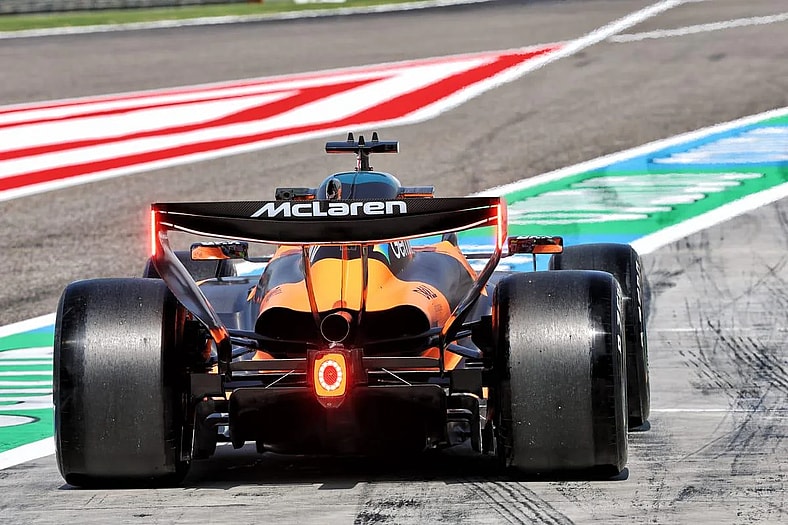
mclaren formula 1 f1

Start with the basics. The 2026 power unit regulations shifted the power balance in these cars to approximately 50-50 between internal combustion engines and battery-electric power. The old MGU-H – the component that used exhaust energy and kept the battery running at high speeds – is gone. It has been replaced by a much more powerful electric motor and much more complex maneuvering.

Since teams cannot produce energy as before, drivers must now create their own opportunities to recharge the batteries. On straight lines, in the braking zone, wherever they can get a moment. The problem is that cars that do this look to anyone looking at them as if they are randomly losing speed for no reason. Super clipping, when the energy management system draws power while the driver still has the throttle pinned, is as strange as it sounds.

Charles Leclerc called it “Mario Kart”. Max Verstappen went further, calling it “Formula E on steroids”. Lewis Hamilton, whose credits stand out, says the racing is the best he has experienced in the last 20 years. Hamilton isn’t wrong about Sunday’s race. He is not entirely correct about the qualifying.

Qualification has been the most visible casualty. To manage the battery reserve the cars have to be lifted and parked. They cannot move around high-speed turns like they did before. Drivers are openly dissatisfied with the amount of energy-saving and energy-harvesting tactics required in qualifying the new cars – lifting and coasting, downshifting on the straights, super clipping. An unintended consequence is that they no longer push in high-speed corners. For anyone who grew up watching Schumacher and Senna pass Suzuka’s 130R, watching an F1 car slow down before a corner that it used to take without lifting is truly disturbing.

Bearman’s accident made it a safety issue

Bearman Crash F1 Suzuka
Photo: Robbie Hoad/Every Second Media

In Suzuka the abstract became very concrete.

Oliver Bearman’s Haas was perfectly positioned when Franco Colapinto’s Alpine, ahead of him, went into crop mode in mid-corner. When Colapinto’s Alpine touched that limit midway through the corner, Bearman faced a car that had effectively dropped anchor on the racing line. “It was a huge overspeed, 50km/h, which is real, you know, it’s a part of these new rules and I think we have to get used to it,” Bearman said.

He left with a badly injured knee. The impact was 50G. it could be worse.

Verstappen did not say anything about the reason.

“Basically, one guy is stuck completely without power, and then the other one uses mushroom mode. It could be a difference of 50-60 kilometers. Really big.”

GPDA President Alex Wurz called for immediate software-level intervention.

“From a safety point of view, we should simply prevent sudden increases in power output at top speed,” he said. “This will require software that is the same for all teams.”

McLaren’s Andrea Stella had been warning for weeks before Bearman hit the wall that this exact scenario was coming. Haas boss Ayao Komatsu said immediately after the accident: “We can’t ignore it.” They won’t be able to.

What F1 rule changes are really on the table
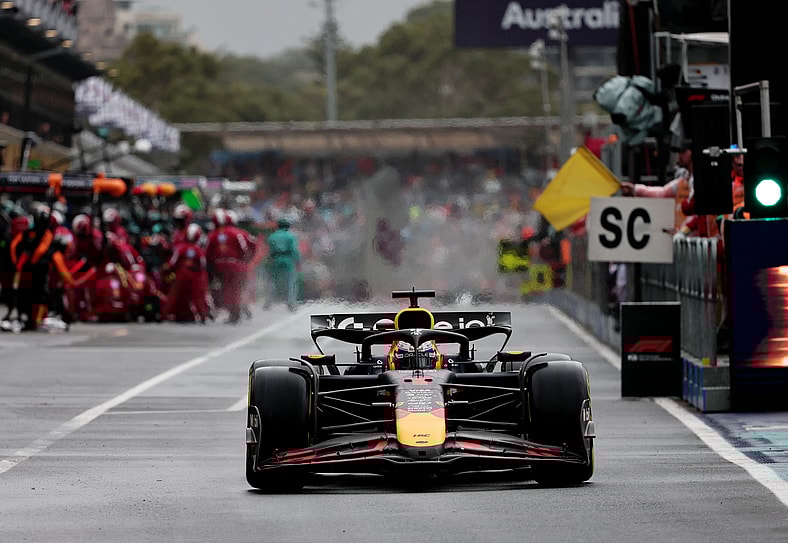
Formula One: Australian Grand Prix
Credit: Mark Peterson/Reuters via Imagine Images

The April meetings are Formula 1’s best attempt to push for meaningful energy management reforms for 2026 before the season goes away entirely.

The most straightforward solution: Increase how much power can be produced during super clipping. Right now, drivers are limited to 250kW when doing this, with 350kW available from lift and coast. If super clipping were increased to the same 350kW limit as Lift and Coast, it would become the preferred route, at least reducing the prevalence of Lift and Coast.

There is also a specific solution to qualify the under discussion, even if it seems counterintuitive. Strict recharge limits are also on the table. Qualifying currently allows nine megajoules of energy recovery per lap. Suzuka was dialed back to 8MJ at the last minute. Some discussions have centered on reducing it to 6 MJ, which would cost lap times but eliminate the frantic energy management scramble that is turning qualifying into a math problem.

Active aero zones are also under discussion. Adjusting where and when Straight Mode can be activated will reduce the speed difference that makes Suzuka dangerous.

What may not be coming yet is any change to the basic 50-50 power split. This is a hardware conversation that engine manufacturers (notably Audi and Honda) who have built their power units around the current regulations will aggressively oppose. Any change in that range is discussion for 2027 at the earliest.

verstappen variable
max verstappen formula 1
Credit: F1

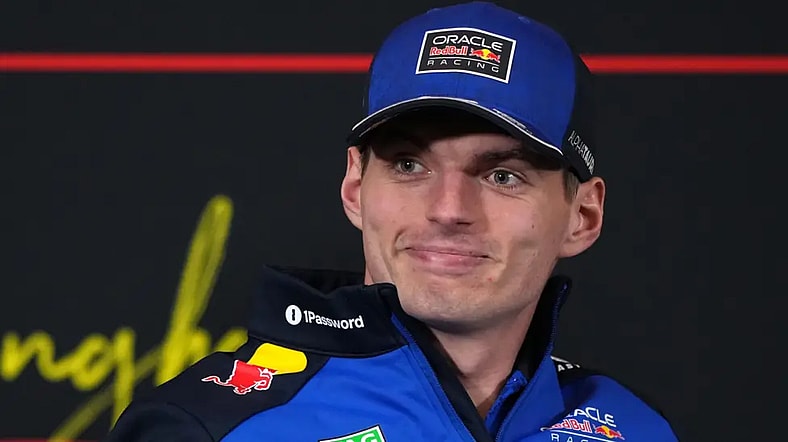
None of this happens in a vacuum. There is no negligible chance that Max Verstappen will leave Formula 1 in the near future – and Red Bull’s collapse is not the main reason. The four-time world champion has been one of the most vocal critics of F1’s new rules, particularly energy management, and he has made it clear he is not having fun right now.

We’ve written about this before – there is real merit in the criticism, even if Verstappen is the wrong messenger for it, and the contract clause that could have let him leave Red Bull altogether has not gone away. The April 20 vote is as much a technicality as it is a Verstappen retention decision, whether Formula 1 wants to frame it that way or not.

Helmut Marko, who is now a Red Bull Ring ambassador rather than the man running Red Bull’s driver program, put it clearly this week. “The current rules are overly focused on energy management – ​​this only works in conjunction with software engineers. The driver has been deprived of his key role.”

Hamilton admitted that he did not expect much from these meetings, as drivers often feel that they are not heard enough in regulatory discussions. “I hope they make big changes. We drivers don’t have a say and we don’t have any power.”

That quote from the seven-time world champion – the one who praised racing more eloquently than anyone – is one the Formula 1 leadership should consider ahead of April 20.

Good news (yes, there is some)
2026 japanese grand prix formula 1
Credit: Formula 1

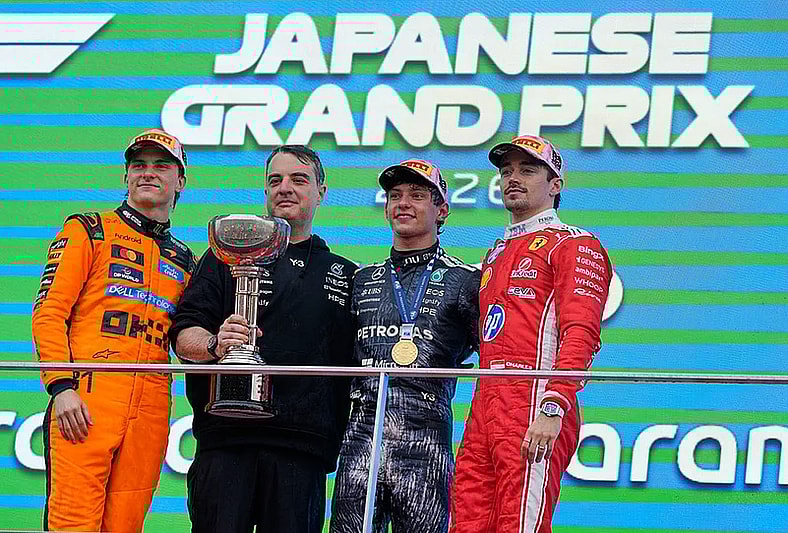
Formula 1 is not in freefall. Sunday’s racing has been really entertaining. There were 149 officially recorded overtaking moves in the first three Grand Prix races – significantly more than the 63 passes in the previous year’s Melbourne, Shanghai and Suzuka competitions. The race day action is real. The problem is that qualifying — the part that determines what fans watch on Sunday, the part that decides who starts where, the part that used to be appointment television — has become a chore.

Determine eligibility. Eliminate the closing-motion threat that put Bearman in the medical center. Let Sunday’s race breathe. This is the work.

The last date is the meeting of 20th April. The test is on May 3 in Miami. Formula 1 has faced difficult tasks in a short period of time. But the game will need the best rooms in that room, not the most cautious rooms.

Drivers telling you what’s broken. Suzuka’s data tells you what’s dangerous. the window is open.

use it.

Avatar
Scott Gulbransen, a quintessential expert in the field of sports journalism, serves as an editor, nfl , mlb , Formula 1 … More about Scott Gulbransen


#Formula #energy #management #solutions #whats #stake
Devil’s Captain Noncommittal; Here are two great business solutions

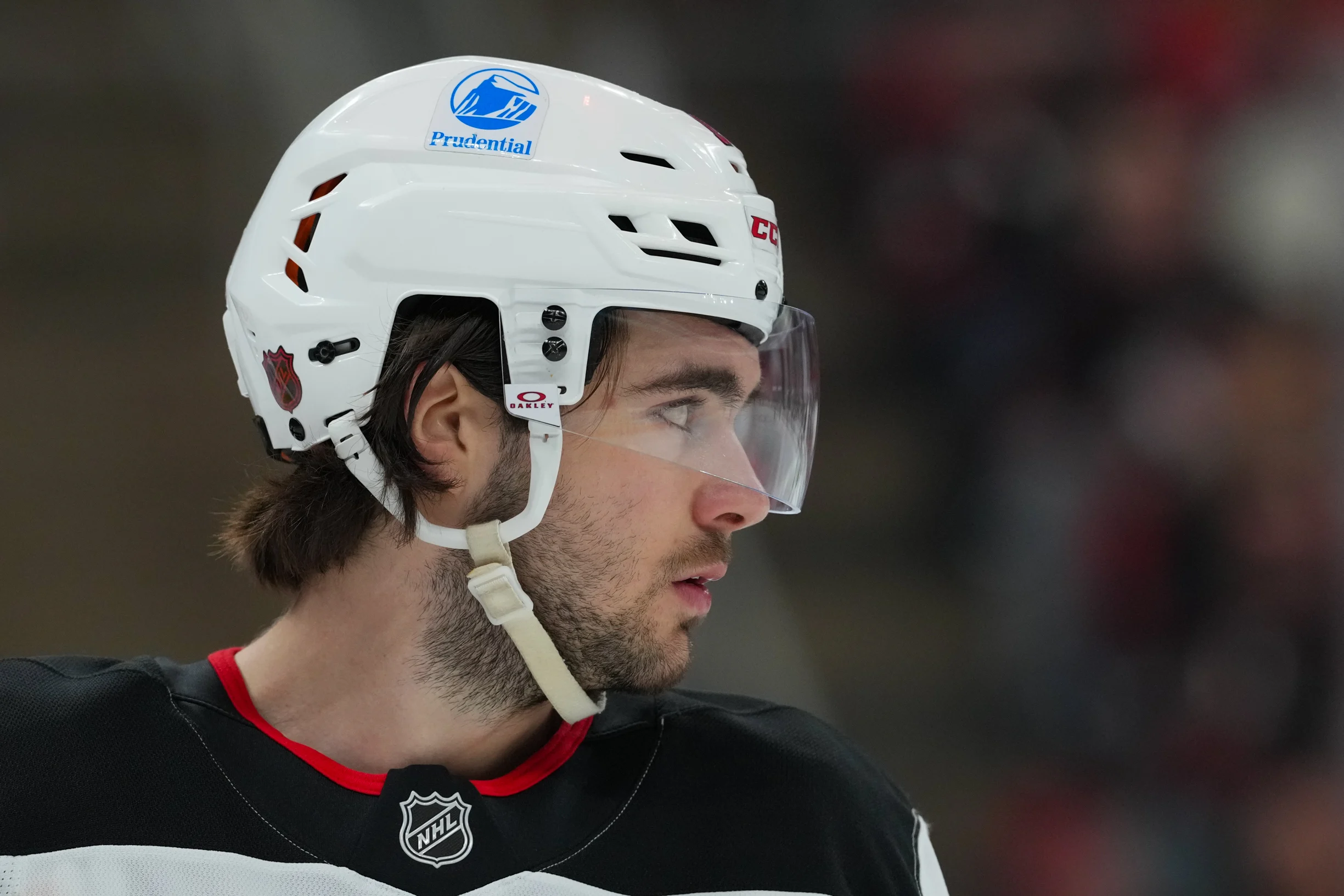
Nico Hischier’s uncertainty over his future with the New Jersey Devils must be troubling.

In light of the Devils firing general manager Tom Fitzgerald, Hischier was asked if he would be willing to sign an extension under a new arrangement when he became eligible on July 1.

His answer doesn’t give any confidence about his future in New Jersey.

“I’m just focused on playing hockey here,” Hischier said. “I still have another year. I’m with the Devils right now, and then we’ll see what happens.”

There is no way the Devils should trade Hischier if they have a feeling he wants to stay in New Jersey. However, if they get any suggestion that they want a change, there are ways for devils to come out of it with little or no loss.

First, the Devils will need a new GM. Whoever that GM is, he should be fired in the same manner as Vegas Golden Knights GM Kelly McCrimmon – an offensive-minded manager who isn’t afraid to make a move for the betterment of his roster.

Once a GM’s name comes out and if there is any hesitation from Hischier to commit, the Devils should explore trade options.

Of course, that leaves New Jersey without a 2C. However, when they get there they will have to cross that bridge.

The Devils have two viable options to extract something in return for Hischier.

minnesota wild

On any other team that doesn’t have a top-10 player in the league like Jack Hughes, Hischier is a 1C. Well, the Minnesota Wild are hungry for a first-line center, and Hischier could be their solution.

In return?

The Devils are going to need Quinn Hughes.

New Jersey did not have a clear No. 1 defenseman heading into the 2025–26 season, something that ultimately led to their demise.

Recently, Luke Hughes and Dougie Hamilton have played better, and as a result, the Devils have improved.

Still, Quinn is the ultimate No. 1 defenseman, and transformed the Devils from the playoffs to a Stanley Cup contender.

Yes, Fitzgerald nails that situation in the 2025-26 season. Yet, he has yet to put pen to paper in Minnesota. If the Devils are adamant about uniting the Hughes tri-force in New Jersey, Hischier might be their best bargaining chip to do so.

It’s not over until it’s over. A new, aggressive GM should definitely explore this option.

ottawa senators

If not Quinn, Brady Tkachuk is the next best thing.

Up north, there is now speculation over Tkachuk’s future with the Ottawa Senators after some controversial comments on a podcast by Tkachuk and his brother Matthew Tkachuk.

Well, if there’s any reason to believe Tkachuk could be on his way out of Ottawa, he’s undoubtedly the next best thing to Jack Hughes, if it wouldn’t be Quinn.

Tkachuk and Jack have remained close through the United States Hockey Development Program. However, their friendship has grown to another level after Hughes and Tkachuk won gold medals at the 2026 Winter Olympics in Milan.

Tkachuk would finally give the Devils a legitimate first line with Jack and Jesper Bratt.

On the contract side of things, both Tkachuk and Hischier’s contracts expire on July 1, 2027. The Senators captain has a full no-move clause, while there is a 10-team no-trade list.

Still, it’s hard to see a situation where Tkachuk refuses to be traded to New Jersey, a team that has the Jacks as the face of their franchise and is close enough to contend.

If the Devils captain indicates at all that he is not committed to remaining in New Jersey, a new GM should be aggressive but make sure he maximizes his return.

Quinn or Tkachuk certainly mitigate the damage of losing Hischier, though they will need to find a new 2C.

There’s still plenty of time to figure this out, but buckle up. It could be a bumpy ride.

Avatar
James is the fully certified New Jersey Devils beat reporter for New Jersey Hockey Now on SportsNote and … More about James Nicholls

#Devils #Captain #Noncommittal #great #business #solutions

Creative solutions are being sought to sign the 21-year-old Tottenham youngster, who is seen as a project

Borussia Monchengladbach have already started to think about the long-term situation of Kota Takai, even though the defender is only on loan from Tottenham Hotspur until the end of the season.

This is according to the German outlet rhenish postWho report that Gladbach see potential in the 21-year-old, despite a costly mistake in the 3-0 defeat to Eintracht Frankfurt.

The Japan international faced a tough battle in the final 20 minutes, with poor positioning and a loose first touch preventing a goal. Shortly afterwards, he lost again in a foot race.

Nevertheless, the overall assessment inside the club appears to be more measured. Takai previously impressed in his first full 90 minutes against Stuttgart and has shown flashes of quality in the Bundesliga. As a result, Gladbach aren’t just evaluating him on one bad afternoon.

The loan from Tottenham is structured without risk

Takai joined on direct loan from Tottenham in January. Financially, there is little risk for Gladbach in the move. There is no immediate obligation to buy, and a permanent deal after the season is currently considered unlikely due to cost.

However, the German side are already exploring creative scenarios that could keep him at the club beyond this campaign. Details of those ideas have not been disclosed. It is clear that Tottenham remain at the center of any decision.

For Spurs, the loan serves a clear purpose. Takai struggled for minutes after a long break in England. Regular Bundesliga football provides him with rhythm and performance at a high level. At 21, he remains more of a development project than a finished product.

what’s next for him

Takai is expected to receive significant playing time between now and May. This will give Tottenham a wider sample to assess their progress. It would also allow Gladbach to decide whether it made sense to pursue a more complex arrangement.

A permanent transfer this summer looks difficult at the moment. Nevertheless, early planning suggests that Gladbach has not ruled out trying to pursue a partnership. Of course, a lot will depend on how Takai responds on the pitch in the coming weeks.

#Creative #solutions #sought #sign #21yearold #Tottenham #youngster #project

Best Hockey Kit Bags and Equipment Storage Solutions in India


Best Hockey Kit Bags and Equipment Storage Solutions in India

In India, hockey isn’t just a sport; it is our national pride. Whether you are a budding player at a local academy or a seasoned professional representing your state, your gear is your most valuable asset. A premium composite stick, expensive turf shoes, and safety pads require more than just a corner in your room—they need specialized hockey kit bags and storage solutions.

Why Investing in a Quality Hockey Bag is Essential

In the humid and dusty climate of the Indian subcontinent, hockey equipment can deteriorate quickly if not stored properly. A high-quality hockey bag protects your sticks from warping, keeps your sweaty kit ventilated to prevent fungal growth, and makes commuting to the ground much easier.

Top Types of Hockey Bags for Indian Players

1. Stick Bags (Full-Length Bags)

These are the most popular choices for competitive players in India. Brands like Adidas, Rakshak, and Grays offer bags that can hold 2 to 4 sticks simultaneously. These usually feature dedicated compartments for shoes and shin guards, keeping the “clean” and “dirty” items separate.

2. Hockey Backpacks

Perfect for school or college students, these bags feature a specialized sleeve on the side to hold a single stick while providing ample space for books or a laptop. They are ergonomic and ideal for those using public transport to reach the stadium.

3. Goalkeeper Wheelie Bags

Goalies carry the most weight. In India, brands like TK and OBO are favorites. These oversized bags come with heavy-duty wheels to navigate uneven Indian pavements, ensuring that the heavy kickers, chest guards, and helmets are transported without breaking a sweat.

Home Storage Solutions for Hockey Gear

Storing gear after a match in 40-degree heat is a challenge. Here is how you can manage your equipment at home:

  • Wall-Mounted Racks: Install simple hooks to hang your kit bags and sticks. This keeps them off the floor and away from moisture.
  • Dehumidifiers/Silica Gel: Dropping a few silica gel packets into your bag helps absorb the monsoon moisture, preventing the degradation of grip tape and leather gloves.
  • Mesh Bins: For your shin guards and sweaty jerseys, use open mesh bins at home to allow maximum airflow before washing.

Top Brands Available in India

While international brands like Grays, Kookaburra, and Ritual are available through premium retailers, homegrown Indian brands like Rakshak, Spartan, and Alfa offer incredible value for money. They provide durable, water-resistant materials specifically designed for Indian conditions at a fraction of the cost.

Conclusion

Choosing the right hockey kit bag is as important as choosing the right stick. For Indian players, the focus should be on durability, ventilation, and portability. By investing in a dedicated storage solution, you aren’t just buying a bag; you are extending the lifespan of your hockey equipment and ensuring you are always “match-ready.” Whether you prefer a sleek backpack for the turf or a heavy-duty wheelie for professional tournaments, make sure it fits your specific style of play.

Frequently Asked Questions (FAQs)

1. What is the best hockey bag for a beginner in India?

For beginners, a simple stick sleeve or a hockey backpack from brands like Alfa or Rakshak is recommended. They are affordable and easy to carry.

2. How do I clean my hockey kit bag?

Most Indian-made bags are nylon or polyester. Use a damp cloth with mild soap to wipe the exterior. Avoid machine washing as it can damage the waterproof lining.

3. Where can I buy hockey kit bags in India?

You can find them at major sports hubs like Jalandhar or Meerut, or online through retailers like Amazon India, Flipkart, and specialized hockey web-stores.

4. Can one bag fit two hockey sticks?

Yes, most standard “Stick Bags” are designed to hold between 2 to 5 sticks comfortably along with other kit items.