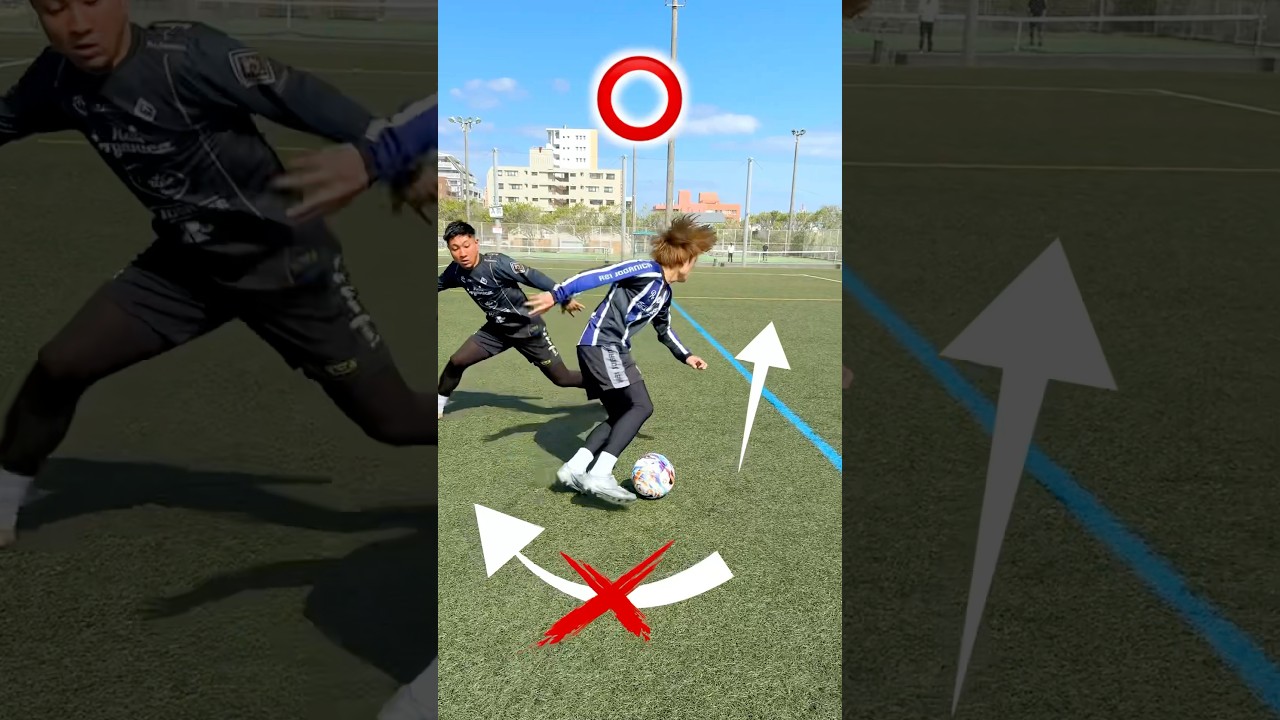
Master the Fake Turn Skill: Football Tutorial for Beginners 🔥 #shorts


Master the Fake Turn Skill: Football Tutorial for Beginners

Football is more than just a game of speed; it is a game of deception. If you have been watching football shorts or local tournaments in India, you know that the players who stand out are those who can outsmart their opponents with a single body movement. One such foundational yet deadly move is the Fake Turn.

Whether you are playing on a turf in Mumbai or a local ground in Kolkata, mastering the fake turn can elevate your game instantly. In this guide, we will break down how to perform this skill effectively, as seen in our latest football tutorial for beginners.

What is the Fake Turn?

The Fake Turn is a dribbling technique used to make a defender believe you are turning in one direction while you actually accelerate in the opposite direction or continue straight. It relies on body weight, eye contact, and sudden changes in pace.

Step-by-Step Guide to the Fake Turn

1. The Approach

As you receive the ball or dribble toward a defender, maintain a low center of gravity. Keep the ball close to your feet. In Indian street football (Para football), close control is key because of the tight spaces.

2. The Sell (The “Fake”)

This is the most crucial part. Drop your shoulder and shift your body weight to one side. If you want to go left, pretend you are about to turn right. Look in the direction of the “fake” to convince the defender that’s where you are headed. Your body should mimic the start of a full turn.

3. The Execution

Once you see the defender bite (lean or move toward your fake), use the outside of your other foot to flick the ball in the opposite direction. Explosive power is necessary here to leave the defender rooted to the spot.

Why Every Indian Footballer Needs This Skill

In India, football culture is growing rapidly. With the rise of the ISL and local 5-a-side leagues, the game has become faster. The Fake Turn is particularly effective because:

  • Saves Energy: You don’t always need to outrun a defender if you can outthink them.
  • Works in Tight Spaces: Ideal for 5-a-side matches where there isn’t much room to sprint.
  • Versatility: It can be used by midfielders to open up passing lanes or by strikers to create a shooting window.

Tips for Beginners

Don’t get discouraged if you don’t get it right the first time. Football skills require muscle memory. Practice the motion without the ball first, then incorporate the ball at a slow walking pace before trying it at full speed.

Conclusion

Mastering the Fake Turn is a rite of passage for any aspiring footballer. It is a simple yet professional move that adds a layer of intelligence to your playing style. By practicing the steps mentioned above and watching high-quality football shorts for visual cues, you will soon be leaving defenders behind on the pitch. So, lace up your boots, head to your nearest ground, and start practicing today!

Frequently Asked Questions (FAQs)

1. How long does it take to learn the Fake Turn?

With consistent practice, a beginner can get the basic coordination right in about 30 minutes. However, mastering it at match speed may take a few weeks of regular training.

2. Which famous players use the Fake Turn?

Legends like Lionel Messi, Zinedine Zidane, and even Indian stars like Sunil Chhetri frequently use body feints and fake turns to escape markers.

3. Can I practice this at home?

Absolutely! All you need is a small space and a football. You can even use a household object like a water bottle as a “defender” to practice your movement around.

4. What are the best shoes for football in India?

For beginners in India, “Nivia” or “Sega” shoes are excellent and budget-friendly for local grounds. If you are playing on turf, ensure you use specialized turf shoes (TF) for better grip during turns.
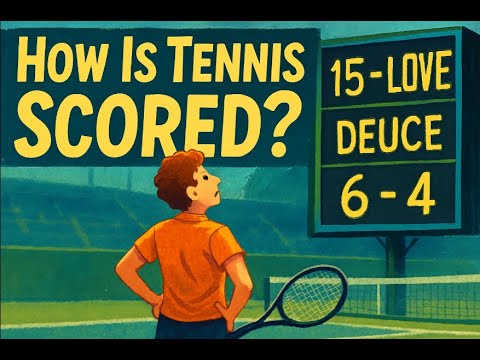

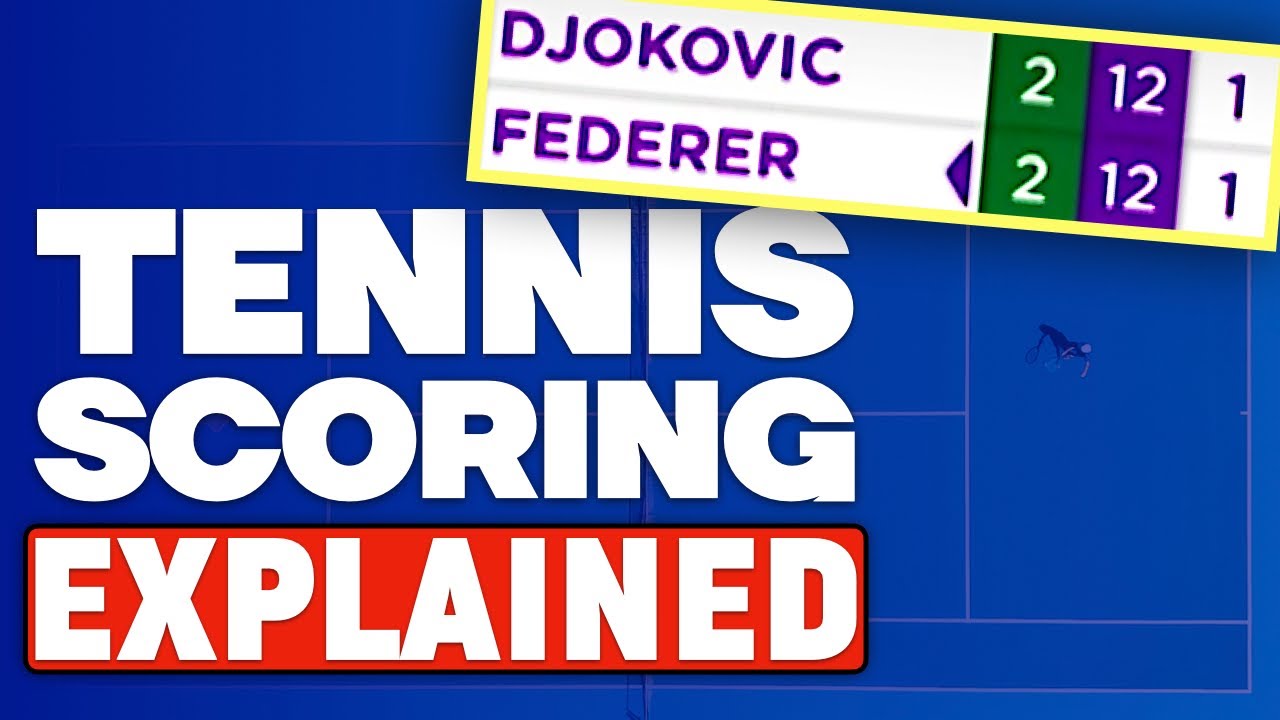
How Tennis Scoring Works: A Simple Guide for Beginners (Points, Sets & Games)


How Tennis Scoring Works: A Simple Guide for Beginners (Points, Sets & Games)

Tennis is rapidly growing in popularity across India. From watching Grand Slam finals late at night to hitting the local courts in cities like Mumbai, Delhi, and Bangalore, more Indians are picking up the racket than ever before. However, for a beginner, the tennis scores system can seem a bit baffling. Why is the first point called 15? What on earth is ‘Love’?

In this guide, we break down the scoring system into simple steps so you can follow the next match or play your first tournament with confidence.

1. The Foundation: Points

In most sports, you count 1, 2, 3. In tennis, points have unique names. Every game starts at 0-0, which is called “Love-All”.

  • No points: Love
  • 1st point: 15
  • 2nd point: 30
  • 3rd point: 40
  • 4th point: Game (End of the game)

What is Deuce and Ad?

If both players reach 40-40, it is called a Deuce. To win from a deuce, a player must win two consecutive points:

  • The first point won after deuce is called Advantage (Ad).
  • If the player with the advantage wins the next point, they win the game.
  • If they lose it, the score returns to Deuce.

2. Winning the Game: Games & Sets

To win a Set, a player must generally win at least six games. However, there is a catch: you must win by a margin of at least two games (e.g., 6-4).

If the score reaches 5-5, the set continues. If it reaches 6-6, a Tie-break is played to decide the winner of the set (resulting in a 7-6 score).

3. The Big Picture: Winning the Match

The structure of a match depends on whether it is a Men’s or Women’s event:

  • Best of 3 Sets: Common in most ATP/WTA tours and Women’s Grand Slams. The first person to win 2 sets wins.
  • Best of 5 Sets: Played in Men’s Grand Slams (like Wimbledon or the Australian Open). The first person to win 3 sets wins.

Important Tennis Terms Every Indian Fan Should Know

  • Break Point: When the player receiving the serve is one point away from winning the game.
  • Ace: A legal serve that the opponent doesn’t touch, resulting in an immediate point.
  • Unforced Error: A mistake made by a player that wasn’t caused by the opponent’s good play.

Conclusion

While the tennis scoring system feels unusual at first, it follows a logical hierarchy: Points make Games, Games make Sets, and Sets make the Match. Whether you are watching a local talent at the RK Khanna Stadium or following Sania Mirza’s legacy, understanding these basics makes the game much more thrilling. Keep this guide handy, and you’ll be calling out the scores like a pro in no time!


Frequently Asked Questions (FAQs)

1. Why is zero called “Love” in tennis?

The most popular theory is that it comes from the French word “l’oeuf”, meaning “the egg,” because an egg looks like a zero. Over time, it evolved into the English word “Love.”

2. Who serves first in a tennis match?

A coin toss or a “spin of the racket” determines who serves first. In India, players often spin the racket and ask “up or down” regarding the logo on the handle.

3. What happens if a serve touches the net?

If the ball touches the net but still lands in the correct service box, it is called a “Let”. The server gets to retake that serve without penalty.

4. How long does a tennis match usually last?

A best-of-three-sets match usually lasts between 90 minutes to 2 hours, though some can go longer depending on how competitive the games are.

5. Is the scoring different for doubles?

The basic scoring (15, 30, 40) remains the same. However, in some professional doubles tournaments, a “Deciding Point” is played at Deuce (No-Ad scoring) to speed up the game.

Confused by tennis scores like 15-love, deuce, or tiebreak? 🤯 You’re not alone! In this video, we break down the unique scoring system of tennis from the ground up—perfect for beginners or anyone who’s ever wondered why the game starts at 15 instead of 1. 😅

Whether you’re new to the game or just want a refresher, you’ll learn:
✅ What “love” means
✅ How games, sets, and matches work
✅ What happens in a deuce
✅ How tiebreaks are played
✅ Fun facts about tennis scoring 🎾

📺 Hit play and level up your tennis knowledge in minutes!
👍 Don’t forget to like, comment, and subscribe for more sports breakdowns!

Top Tennis Coaching & Training for Beginners in India | Join Now


Top Tennis Coaching & Training for Beginners in India: Your Path to the Court

Tennis is no longer just a “gentleman’s game” in India; it has evolved into a mainstream passion. From the legendary success of Leander Paes and Mahesh Bhupathi to the trailblazing career of Sania Mirza and the rising star Sumit Nagal, India has a rich history on the court. If you are looking to pick up a racket for the first time, finding the right tennis coaching and training for beginners in India is the first step toward excellence.

Why Start Your Tennis Journey in India?

India boasts a diverse range of tennis academies equipped with synthetic, clay, and grass courts. Whether you are a young student aiming for the ATP/WTA circuit or an adult looking for a high-intensity fitness routine, tennis offers unparalleled cardiovascular benefits, improved hand-eye coordination, and mental discipline.

Top Features of Beginner Tennis Programs

If you are searching for the best training, look for academies that offer the following:

  • Certified Coaches: Training under AITA (All India Tennis Association) or ITF (International Tennis Federation) certified coaches ensures you learn the correct technique from day one.
  • Modern Infrastructure: Access to floodlit courts and modern ball machines helps in consistent practice.
  • Specialized Kids’ Programs: Many academies use “Progressive Tennis” with smaller courts and softer balls for children.
  • Fitness & Nutrition: Top-tier coaching centers provide physical conditioning and diet charts tailored for athletes.

Renowned Tennis Academies in India

While local clubs are great for hobbies, some academies have set a benchmark for professional tennis training:

  • Rohan Bopanna Tennis Academy (Bengaluru): Known for its world-class facilities and global coaching standards.
  • Sania Mirza Tennis Academy (Hyderabad): A premier destination for budding talent, especially focusing on grassroots development.
  • Mahesh Bhupathi Tennis Academies (Multiple Cities): With centers in cities like Mumbai, Delhi, and Bangalore, MBTA is accessible and highly structured.
  • Impact Tennis Academy (Chandigarh): A hub for competitive players in North India.

Essential Gear for Beginners

Before you join a session, ensure you have the basics:

  1. The Right Racket: Beginners should opt for lightweight frames with a larger head size for a bigger “sweet spot.”
  2. Tennis Shoes: Unlike running shoes, tennis shoes provide the lateral support needed for side-to-side movements on the court.
  3. Comfortable Apparel: Breathable, moisture-wicking fabrics are essential for the Indian climate.

Conclusion

Starting your journey in tennis is an investment in your health and discipline. With the rise of world-class academies across major Indian cities, professional tennis coaching and training for beginners is more accessible than ever. Whether your goal is to play professionally or simply to enjoy a weekend match, the right guidance will help you master the serves, volleys, and groundstrokes needed to dominate the court. Join now and take your first step toward becoming the next Indian tennis sensation!


Frequently Asked Questions (FAQs)

1. What is the best age to start tennis coaching in India?

While you can start at any age, most coaches recommend starting between ages 5 and 8. At this age, children develop the necessary motor skills and coordination required for the sport.

2. How much does tennis coaching cost in India?

The fees vary depending on the city and the academy. On average, beginner classes can range from ₹2,000 to ₹5,000 per month for group sessions. Private coaching may cost more.

3. Do I need to buy a racket before my first class?

Most academies provide rackets for the first few trial sessions. It is better to consult your coach before purchasing one, as they can recommend the right size and weight for your skill level.

4. Is tennis a good workout for adults?

Absolutely! Tennis is a full-body workout that improves heart health, burns calories, and builds leg strength. Many academies in India offer “Adult Beginner” batches specifically for fitness enthusiasts.

5. How many days a week should a beginner practice?

For beginners, 2 to 3 days a week is ideal to build muscle memory without overstraining the body. As you progress, you can increase the frequency of your training sessions.

Tennis Rules & Scoring Explained: A Simple Guide for Beginners (2024)


Tennis Rules & Scoring Explained: A Simple Guide for Beginners (2024)

With the rising popularity of stars like Rohan Bopanna and Sumit Nagal, more Indians are picking up tennis rackets than ever before. However, for a beginner, the tennis scoring system can feel like a different language. Why do they say “Love” instead of zero? What exactly is a “Deuce”?

In this guide, we break down the fundamental tennis rules and the unique tennis scores system to get you match-ready in no time.

The Basics: Objective of the Game

The goal of tennis is simple: hit the ball over the net into the opponent’s court in a way that they cannot return it. A match is composed of Points, which make up Games, which make up Sets.

Understanding Tennis Scores: Point by Point

Unlike cricket or football, tennis doesn’t use 1, 2, 3, or 4. Instead, it uses a specific progression:

  • 0 Points = “Love”
  • 1 Point = 15
  • 2 Points = 30
  • 3 Points = 40
  • 4 Points = Game Over

What is Deuce and Advantage?

If both players reach a score of 40-40, it is called a Deuce. To win from a deuce, a player must win two consecutive points:

  1. Advantage: The player who wins the first point after deuce has the “Advantage.”
  2. Game: If that same player wins the next point, they win the game. If they lose it, the score goes back to Deuce.

Winning Sets and Matches

In most professional formats (and local clubs in India):

  • To win a Set: A player must win at least 6 games and be ahead by at least 2 games (e.g., 6-4).
  • Tie-break: If the score reaches 6-6 in games, a tie-break is played to decide the set winner.
  • To win a Match: Most matches are “Best of 3 Sets” (first to win 2 sets). In Men’s Grand Slams, it is “Best of 5 Sets.”

Fundamental Tennis Rules for Beginners

Before you step onto the court at your local academy, keep these essential rules in mind:

1. The Serve

The game starts with a serve from behind the baseline. The server must hit the ball into the diagonally opposite service box. You get two chances (First Serve and Second Serve). If both hit the net or land out, it’s a “Double Fault,” and your opponent gets the point.

2. In or Out?

If any part of the ball touches the line, it is considered IN. If the ball hits the net but still lands in the correct service box during a serve, it is called a “Let,” and the serve is re-taken.

3. Sides of the Court

Players switch ends of the court after every odd number of games (1, 3, 5, etc.). This ensures fairness regarding sun glare or wind direction.

Conclusion

While the 15, 30, and 40 scoring might seem confusing at first, it becomes second nature once you start playing. Whether you are watching the Australian Open on TV or playing at a court in Delhi or Mumbai, understanding these rules makes the game significantly more enjoyable. Now that you know how tennis scores work, it’s time to grab a racket and hit the court!

Frequently Asked Questions (FAQs)

1. Why is zero called “Love” in tennis?

It is widely believed to come from the French word “l’oeuf,” meaning “the egg,” because an egg looks like a zero. Others say it comes from the phrase “to play for the love of the game.”

2. What is the difference between Singles and Doubles lines?

In singles, the “alleys” (the strips on the sides of the court) are out of bounds. In doubles, the entire court—including the alleys—is considered in-bounds after the serve.

3. How long does a typical tennis match last?

A best-of-three-set match usually lasts between 90 minutes to 2 hours, though it can vary greatly depending on the players’ skill levels.

4. Can I hit the ball before it bounces?

Yes, this is called a “volley.” However, you cannot volley the ball while receiving a serve; the serve must bounce once before you can return it.

Hi everyone, Coach Zee here! In today’s video, I’m breaking down the basic rules of tennis to help kids (and parents!) understand the essentials. From learning the parts of the court to understanding scoring, I’ll walk you through each part of the game so kids can enjoy playing, watching, and even competing with a strong foundation.

We’ll cover:

Court layout for singles and doubles
Basic gameplay rules and serving
Scoring explained (points, games, sets, and even tiebreaks!)
Fun examples and an easy-to-follow scoreboard to keep it simple!
If you have any questions, drop them in the comments. And don’t forget to like and subscribe for more tennis tips. See you on the court!

Learn Tennis Scoring in 30 Seconds: A Simple Guide for Beginners


Learn Tennis Scoring in 30 Seconds: A Simple Guide for Beginners

Tennis is one of the most popular sports in India, thanks to icons like Sania Mirza, Leander Paes, and Rohan Bopanna. However, for a beginner, watching a match at Wimbledon or the Delhi Open can be confusing. Why do they say “Love” instead of zero? Why does the score go from 15 to 30 to 40?

If you have been scratching your head over tennis scores, don’t worry. You can master the basics of tennis scoring in just 30 seconds. This guide breaks it down into simple terms so you can enjoy your next match like a pro.

The Basics: Points, Games, and Sets

To understand tennis scoring, you need to look at it as a ladder. You win points to win a game, you win games to win a set, and you win sets to win the match.

1. Scoring a Point

Unlike cricket or football where points increment by one, tennis has a unique naming convention:

  • 0 Points = “Love”
  • 1 Point = 15
  • 2 Points = 30
  • 3 Points = 40
  • 4 Points = Game Over (Game Point)

Note: The server’s score is always called out first. If the server has 3 points and the receiver has 1, the score is “40-15”.

2. What is Deuce and Advantage?

If both players reach 40-40, it is called a Deuce. To win the game from a deuce, a player must win two consecutive points:

  • Advantage: The first point won after a deuce.
  • Game: If the player with “Advantage” wins the next point, they win the game. If they lose it, the score goes back to Deuce.

Winning the Set and Match

In most professional tournaments, players follow these rules to close out a victory:

  • To win a set: A player must win at least 6 games and be ahead by at least 2 games (e.g., 6-4).
  • Tie-break: If the set score reaches 6-6, a tie-break is played. The first to reach 7 points (with a 2-point lead) wins the set 7-6.
  • To win the match: In most matches (ATP/WTA), it is “best of three” sets. In Men’s Grand Slams, it is “best of five.”

Conclusion

Tennis scoring might seem eccentric at first—especially the use of “Love”—but it follows a very logical progression. From 15 to 40, and from games to sets, the structure ensures the game remains competitive until the very last hit. Now that you understand tennis scores, you are ready to hit the court or watch the next big tournament with full confidence!

Frequently Asked Questions (FAQs)

Q1. Why is zero called “Love” in tennis?

The most common theory is that it comes from the French word “l’oeuf”, meaning “the egg,” because an egg looks like a zero.

Q2. What does “All” mean in tennis scores?

If the score is tied (except for 40-40), the word “All” is used. For example, 15-15 is called “15-All,” and 30-30 is “30-All.”

Q3. What is a “Break Point”?

A break point occurs when the player who is receiving the serve is just one point away from winning the game. Breaking the opponent’s serve is a major advantage in tennis.

Q4. Is tennis scoring different for doubles?

The basic scoring (15, 30, 40) remains the same. however, in some professional doubles matches, a “No-Ad” (No Advantage) rule is used where the winner of the next point after deuce wins the game instantly.

Confused by “Deuce” or “Ad In” on the tennis court? You’re not alone! This quick YouTube Short gives adult beginners the essential definitions for tennis scoring terms you need to know.

You’ll be able to use the terms:

Game
Deuce (and “40 all”)
Ad In
Ad Out
Set
Match

Watch now to instantly understand the lingo and play with more confidence!

Watch Next: Your First Tennis Match Explained! ▶️

🔔 Tap that subscribe button @playopencourttennis for more beginner tennis tips and rule breakdowns that make learning tennis simple! We’re here to help you play with confidence!

🎾 Any age. Every stage. Tennis for all.

#tennisscoring #tennisrules #tennisforbeginners #learntennis #tennisbasics #beginnertennis #tennistips #tennistip #playtennis #howtoplaytennis

Every Cricket Player Must Master This Basic Shot: A Beginner’s Guide


Every Cricket Player Must Master This Basic Shot: A Beginner’s Guide

In a sports-crazy nation like India, cricket isn’t just a game; it is an emotion. Whether you are playing with a heavy tennis ball in a narrow gully or training with a leather ball at an academy, your journey to becoming a solid batter starts with one fundamental move. While the T20 era has popularized the “Scoop” and the “Reverse Sweep,” every coach across the country will tell you the same thing: you must first master the Straight Drive.

The Essence of the Straight Drive

The straight drive is often called the “Bread and Butter” of legendary Indian cricketers like Sunil Gavaskar and Sachin Tendulkar. It is a shot played to a full-pitched delivery, hitting the ball back past the bowler toward the sight-screen. Why is it the most important shot? Because it promotes a high elbow, a straight bat, and perfect balance—the three pillars of successful batting.

Steps to Master the Straight Drive

  • The Stance: Keep your feet shoulder-width apart and stay relaxed. Your head should be still and eyes level.
  • The Trigger Movement: As the bowler releases, lean your front shoulder toward the line of the ball.
  • The Contact: Meet the ball directly under your eyes. Ensure your front elbow points toward the bowler.
  • The Follow-through: Do not stop the bat abruptly. Let the bat swing through the line of the ball towards the target.

Mastering this shot prevents you from “playing across the line,” which is the primary reason beginners get out LBW or Bowled. Once you control the straight drive, shots like the cover drive and the flick become infinitely easier to execute.


Beyond the Pitch: Keeping Up with Hockey Scores

While cricket dominates the headlines, Indian sports fans are increasingly turning their attention back to our national pride: Field Hockey. With the Indian National Team performing exceptionally well on the global stage, staying updated with hockey scores has become a daily ritual for many.

Whether it is the FIH Pro League, the Asian Champions Trophy, or domestic leagues, the intensity on the turf is unmatched. For Indian fans, tracking hockey scores is no longer just about the final result; it’s about watching the tactical evolution of our players who are bringing back the golden era of Indian hockey. If you are a cricket fan looking for a second sport to follow, the fast-paced nature of a 60-minute hockey match offers a thrilling alternative.

Conclusion

To succeed in cricket, you don’t need to start with fancy hits. You need a foundation built on the straight drive. It teaches you discipline and technique that lasts a lifetime. Similarly, as a well-rounded Indian sports enthusiast, diversifying your interests by following hockey scores and supporting our athletes in different arenas enriches the sporting culture of the country. Grab your bat, practice that high elbow, and don’t forget to cheer for the Men in Blue—both on the pitch and the turf!


Frequently Asked Questions (FAQs)

1. Which cricket shot is the hardest to master?

Many experts believe the Straight Drive is the hardest to master perfectly because it requires precise timing and a very straight bat face to avoid catching the edge.

2. How can I improve my batting balance?

Focus on your head position. If your head falls over to the off-side, your balance will be disrupted. Keep your weight on the balls of your feet.

3. Where can I find real-time hockey scores in India?

You can track live hockey scores on the official FIH website, the Hockey India app, or popular sports platforms like ESPN and Flashscore.

4. Why is the “elbow up” position important in cricket?

A high front elbow ensures that the bat comes down in a straight line. If the elbow drops, the bat tends to slice across the ball, increasing the risk of a catch.

Tennis Rules: A Complete Guide to Scoring and Gameplay for Beginners


Tennis Rules: A Complete Guide to Scoring and Gameplay for Beginners

Tennis is one of the most popular individual sports in India, thanks to the legacy of legends like Leander Paes, Mahesh Bhupathi, and Sania Mirza. Whether you are heading to a local club in Mumbai or a public court in Delhi, understanding the tennis rules and the unique tennis scores system is the first step toward enjoying the game.

The Basics: Equipment and Court

Tennis is played on a rectangular court, which can be grass, clay, or hard court (the most common in India). The game is played as ‘Singles’ (one-on-one) or ‘Doubles’ (two-on-two). To start, you need a racket and a yellow felt-covered ball. The objective is simple: hit the ball over the net and into the opponent’s court in a way that they cannot return it.

Understanding Tennis Scores: The 15, 30, 40 System

The most confusing part for beginners is often the scoring. Unlike cricket or football, tennis uses a specific set of terms:

  • 0 Points: Referred to as “Love”.
  • 1st Point: 15
  • 2nd Point: 30
  • 3rd Point: 40
  • 4th Point: Game (End of the game)

If both players reach 40-40, it is called a Deuce. From here, a player must win two consecutive points to win the game. The first point won after deuce is called “Advantage.” If that player wins the next point, they win the game. If they lose it, the score returns to Deuce.

The Structure: Game, Set, and Match

To win a match, you need to navigate through three layers of scoring:

  1. Games: Usually, you need to win 6 games to win a set, but you must lead by at least 2 games (e.g., 6-4).
  2. Sets: Most matches are “Best of Three” sets. In Grand Slams, men’s matches are “Best of Five.”
  3. Tie-break: If the game score reaches 6-6 in a set, a tie-break is played to decide the winner of that set. In a tie-break, points are counted numerically (1, 2, 3…).

Basic Gameplay Rules

Every point starts with a Serve. The server must stand behind the baseline and hit the ball into the diagonal service box on the opponent’s side. You get two chances (First Serve and Second Serve). If both hit the net or land outside, it’s a “Double Fault,” and your opponent gets the point.

During a rally, the ball must stay within the boundary lines. If the ball touches the line, it is considered “In.” In singles, you use the inner side-lines; in doubles, the court “widens” to the outer lines (the alleys).

Conclusion

While the tennis rules might seem complex at first glance—especially the “Love” and “Deuce” terminology—they become second nature once you hit the court. Tennis is a fantastic way to stay fit and build mental discipline. Now that you understand how tennis scores work, grab a racket and start practicing your serve!

Frequently Asked Questions (FAQs)

1. Why is zero called “Love” in tennis?

While the exact origin is debated, many believe it comes from the French word “l’oeuf,” meaning egg, which represents the shape of a zero.

2. What is a “Let” in tennis?

A “Let” occurs if a serve hits the net but still lands in the correct service box. The point is replayed without any penalty.

3. How long does a typical tennis match last?

In a best-of-three format common in India, a match usually lasts between 1 to 2 hours, depending on the skill level of the players.

4. Can I play tennis if I am a complete beginner?

Absolutely! Tennis is highly accessible in India. Most sports complexes offer coaching for beginners to help master the basic strokes like the forehand and backhand.

Are you new to the game of tennis? Looking for a quick and easy guide to understanding how tennis scoring works? Coach Joseph has got you covered with this comprehensive video. You’ll benefit from his straightforward explanation of tennis scoring.

Visit The Play! Tennis Blog

Tennis Scoring Rules Explained: A Complete Guide for Beginners


Tennis Scoring Rules Explained: A Complete Guide for Beginners

With the rising popularity of stars like Sumit Nagal and the legacy of legends like Leander Paes and Sania Mirza, more Indians are picking up tennis rackets than ever before. However, for a beginner, the tennis scores system can seem a bit cryptic. Why is the first point “15” and not “1”? What exactly is a “Deuce”?

In this guide, we break down the fundamental tennis scoring rules to help you follow the game on TV or compete on the local courts of Delhi, Mumbai, or Bangalore with confidence.

The Hierarchy of Tennis Scoring

Tennis scoring is divided into four main levels: Points, Games, Sets, and the Match. Think of it like a ladder where you must climb each rung to win.

1. Scoring Points in a Game

Instead of the traditional 1, 2, 3, 4, tennis uses a unique numerical system. The points progress as follows:

  • 0 Points: “Love”
  • 1st Point: 15
  • 2nd Point: 30
  • 3rd Point: 40
  • 4th Point: Game (Over)

When announcing the score, the server’s score is always mentioned first. For example, if the server has 30 and the receiver has 15, the score is “30-15”.

2. Deuce and Advantage

If both players reach 40-40, it is called a Deuce. To win a game from a deuce, a player must win two consecutive points:

  • Advantage In (Ad-In): The server wins the next point after deuce.
  • Advantage Out (Ad-Out): The receiver wins the next point after deuce.
  • If the player with the advantage loses the next point, the score returns to Deuce.

Winning a Set

To win a set, a player must win at least six games. However, there is a catch: you must win by a margin of at least two games (e.g., 6-4). If the score reaches 5-5, the set continues. If it reaches 6-6, a Tie-break is played.

The Tie-break

In a tie-break, the scoring switches to 1, 2, 3, etc. The first player to reach 7 points with a 2-point lead wins the game and the set (recorded as 7-6).

Winning the Match

In most professional tournaments and local Indian club matches, tennis is played in one of two formats:

  • Best of Three Sets: The first player to win two sets wins the match. This is the standard for women’s professional matches and most ATP tour events.
  • Best of Five Sets: The first player to win three sets wins. This format is primarily seen in Men’s Singles at Grand Slam events (like Wimbledon or the Australian Open).

Conclusion

While the tennis scoring rules may seem unusual at first glance, they provide the sport with its unique rhythm and high-stakes drama. Whether you are playing a friendly match at your local gymkhana or watching a Grand Slam final, understanding how tennis scores work enhances your appreciation for the tactical depth of the game. Now that you know the basics of Love, 15, 30, and 40, you are ready to hit the court!

Frequently Asked Questions (FAQs)

1. Why is zero called “Love” in tennis?

The most popular theory is that it comes from the French word “l’oeuf,” meaning “the egg,” because an egg looks like a zero. Over time, English speakers mispronounced it as “Love.”

2. What is “No-Ad” scoring?

In some amateur or doubles matches (common in India to save time), “No-Ad” scoring is used. At deuce, a single “sudden death” point is played to decide the game winner.

3. What does “Set Point” and “Match Point” mean?

A set point is a situation where the player leading needs only one more point to win the current set. A match point means they need only one more point to win the entire match.

4. How many sets are played in the Olympics?

In the Olympics, both men and women typically play a best-of-three-sets format to determine the winner.

How to keep score in tennis, explained by high school tennis players, Joellen and Rebecca. By JuniorTennisUSA.com – 100% free tennis, by junior players, for junior players. @JrTennisUSA.

You will learn Love – 15 -30 – 40 – Game; ad in and ad out; moving from side to side and when to change sides.

Please see our other instructional videos:

-How to Hit a Backhand
-How to Hit a Forehand
-How to Keep Score in Tennis
-How to Score a Tennis Tiebreaker
-Interviews with top pro players by junior players

Tennis Scoring Rules Explained: Simple Guide for Beginners in India


Tennis Scoring Rules Explained: A Simple Guide for Beginners in India

Tennis is rapidly gaining popularity across India. From the clay courts of local clubs to the iconic grass of Wimbledon watched on TV, the game is thrilling but can be confusing for a newcomer. If you have ever wondered why the commentator says “Love” instead of zero or why 40 isn’t the final point, this guide is for you.

Understanding tennis scores is the first step to enjoying the game, whether you are playing at a local academy in Delhi or tracking Sania Mirza and Rohan Bopanna’s legacy. Let’s break down the system into simple steps.

1. The Four Points: 15, 30, 40, and Game

In a standard game of tennis, the scoring doesn’t go 1, 2, 3. Instead, it follows a unique sequence:

  • Love: 0 points
  • 15: 1 point won
  • 30: 2 points won
  • 40: 3 points won
  • Game: 4 points won (and you win the game)

Note: The server’s score is always called out first. If the server has 30 and the receiver has 15, the score is “30-15”.

2. Deuce and Advantage

What happens if both players reach 40-40? This is called a Deuce. To win from a deuce, a player must win two consecutive points:

  1. Advantage: The player who wins the first point after deuce gets the “Advantage.”
  2. If that same player wins the next point, they win the Game.
  3. If they lose the point, the score goes back to Deuce.

3. From Games to Sets

Tennis scoring is hierarchical. Winning points helps you win a Game, and winning Games helps you win a Set.

  • To win a Set, a player must win at least six games.
  • There must be a margin of at least two games (e.g., 6-4).
  • If the set reaches a 6-6 tie, a Tie-break is played to decide the winner (7-6).

4. Winning the Match

In most professional tournaments (ATP/WTA) and local Indian tournaments:

  • Best of Three Sets: The first person to win two sets wins the match. Most women’s matches and regular men’s matches follow this format.
  • Best of Five Sets: Common in Men’s Grand Slams (like Wimbledon or the French Open), where the first to win three sets wins.

Conclusion

While tennis scores might seem complicated at first with terms like “Love” and “Deuce,” they follow a logical rhythm once you hit the court. Whether you are practicing your serve in Mumbai or watching a high-stakes match, knowing these rules makes the sport much more engaging. Tennis is a game of mental strength and physical endurance—now that you know the rules, it’s time to pick up a racket!

Frequently Asked Questions (FAQs)

1. Why is zero called “Love” in tennis?

The most popular theory is that it comes from the French word “l’oeuf,” meaning “the egg,” because an egg looks like a zero. Over time, it was anglicized to “Love.”

2. What is a “Golden Set” in tennis?

A Golden Set occurs when a player wins a set without losing a single point (24 points to 0). This is extremely rare in professional tennis.

3. Is a tie-break scored differently?

Yes. In a tie-break, points are counted simply as 1, 2, 3, etc. The first person to reach 7 points with a 2-point lead wins the set 7-6.

4. Are tennis rules the same in India as internationally?

Yes, the All India Tennis Association (AITA) follows the International Tennis Federation (ITF) rules, so the scoring is identical globally.

5. What does “All” mean (e.g., 15-All)?

If both players have the same number of points, the score is followed by “All.” Example: 15-15 is called “15-All.” However, 40-40 is exclusively called “Deuce.”

“Love, 15, 30, 40… wait, what?

Tennis scoring can feel confusing at first, but once you learn the system, it makes perfect sense.

In this video, I’ll walk you through how to keep score in tennis step by step:
– Points within a game (Love, 15, 30, 40, Deuce, Advantage)
– Games within a set
– How tiebreakers work
– When to switch sides
– The history behind tennis scoring and why it uses such unusual numbers

By the end, you’ll be able to follow any match—whether you’re just starting out, watching the pros, or playing your first match yourself.

Watch next: How to Play a Tiebreaker (coming soon)
————–
Want your own Pace S Pro Ball Machine?
Use my link below for a discount and to help support the channel:

Code for 5% off: Alfred

How to Learn Tennis for Beginners: A Complete Guide for Indians (2024)


How to Learn Tennis for Beginners: A Complete Guide for Indians (2024)

In a cricket-crazy nation, tennis has carved out a prestigious profile, thanks to legends like Leander Paes, Sania Mirza, and Rohan Bopanna. Whether you are looking to improve your fitness, join a social club, or nurture a professional dream, learning tennis in India has never been more accessible. This 2024 guide will walk you through everything a beginner needs to know to step onto the court with confidence.

1. Finding the Right Tennis Academy in India

The first step in your journey is choosing a place to play. Most major Indian cities like Delhi, Bengaluru, Mumbai, and Chennai have excellent facilities. You can choose between:

  • Private Academies: Often found in urban hubs, offering professional coaching and clay or synthetic hard courts.
  • Government Sports Complexes: Managed by bodies like the SAI (Sports Authority of India) or state associations, these are highly affordable for beginners.
  • Club Memberships: Gymkhanas and social clubs often have premium courts and a vibrant community of amateur players.

2. Essential Gear for Indian Conditions

Before your first lesson, you need the right kit. Given India’s varied climate, comfort and durability are key.

  • The Racket: As a beginner, look for a “head-light” or “oversized” racket. Brands like Babolat, Wilson, and Yonex are widely available on Indian e-commerce sites. Ensure the grip size is comfortable for your hand.
  • Footwear: Do not use running shoes on a tennis court; they lack lateral support and can damage the surface. Invest in specific “Non-Marking” tennis shoes.
  • Apparel: Opt for moisture-wicking synthetic fabrics to handle the Indian humidity. High-quality cotton is also a local favorite for breathability.

3. Master the Basic Grips and Strokes

Tennis is a game of rhythm and technique. Focus on these three fundamentals in your first month:

  • The Forehand: Usually the strongest weapon. Most modern coaches in India teach the semi-western grip, which helps in generating “topspin”—crucial for keeping the ball in play on hard courts.
  • The Backhand: Beginners usually start with a two-handed backhand for better stability and power.
  • The Serve: The most complex movement. Start with a basic “pancake” serve to get the ball over the net before moving to more advanced technical motions.

4. Physical Fitness and Hydration

Playing tennis in the Indian sun requires stamina. Focus on agility drills and core strength. Most importantly, stay hydrated. With temperatures often crossing 35°C, always carry a bottle of water or an electrolyte drink like electoral or coconut water to prevent heat exhaustion.

Conclusion

Learning tennis in India is a rewarding experience that offers a perfect blend of mental strategy and physical workout. By choosing the right academy, investing in basic gear, and staying consistent with your practice, you can transition from a novice to a confident player within months. Remember, every Grand Slam champion started with a single swing—2024 is your year to take that swing!

Frequently Asked Questions (FAQs)

What is the best age to start learning tennis in India?

While most pros start between ages 5 and 8, tennis is a “sport for a lifetime.” Adults in their 30s, 40s, or even 50s can start playing for fitness and recreation at most Indian clubs.

How much do tennis lessons cost in India?

Prices vary significantly. Government facilities may charge between ₹1,000 to ₹3,000 per month, while elite private academies in metro cities can charge anywhere from ₹5,000 to ₹15,000 per month for group coaching.

Which court surface is best for beginners?

In India, you will mostly find Hard Courts (synthetic) and Clay Courts. Hard courts are great for beginners as the ball bounce is predictable, making it easier to time your shots.

Do I need an expensive racket to start?

No. For a beginner, a racket in the range of ₹2,500 to ₹5,000 is more than sufficient. You can upgrade to professional-grade graphite rackets once you develop your playing style.

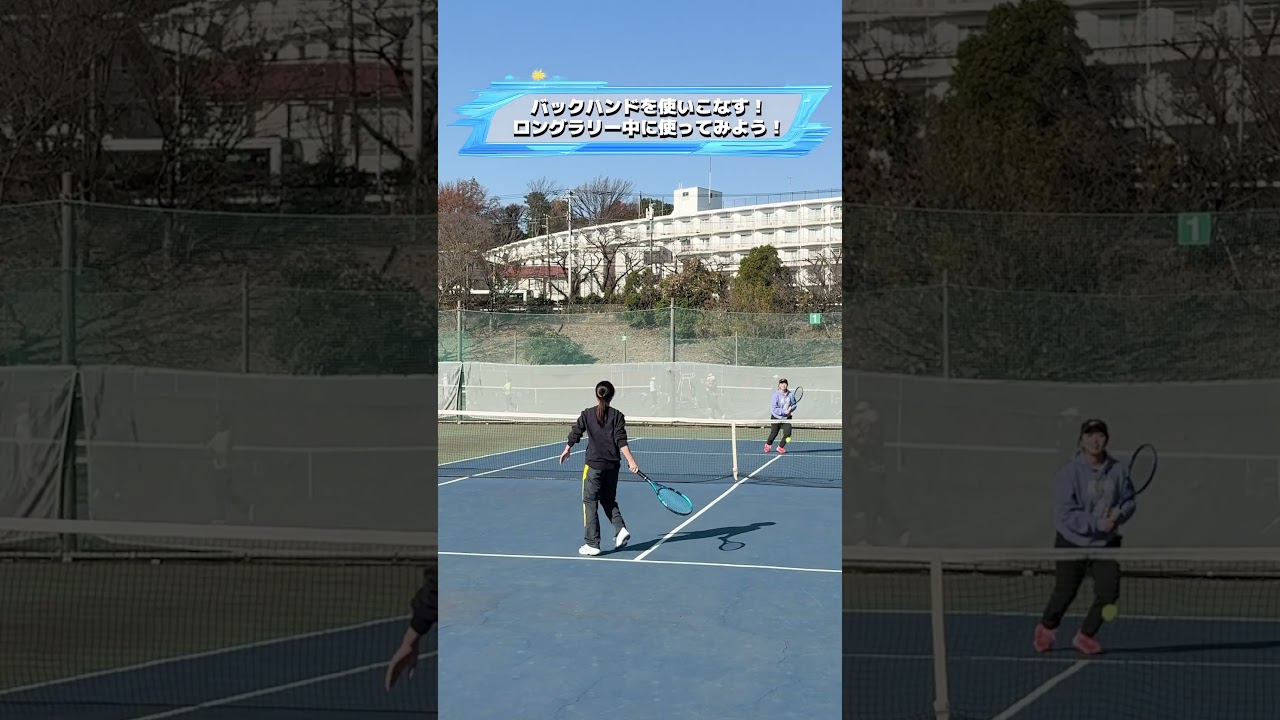
テニス初心者女子に教えてみた11✨ How to play Tennis for beginners #テニス #tennis


Tennis for Beginners: A Step-by-Step Guide for Girls & New Players

Watching your favorite stars like Sania Mirza or Rohan Bopanna might have inspired you to pick up a racket, but getting started on the court can feel a bit overwhelming. Based on the popular series “How to Play Tennis for Beginners” (テニス初心者女子に教えてみた), this guide is designed to help you navigate your first few days on the tennis court with confidence.

1. Get the Right Gear

Before you hit the court, you need the right equipment. For Indian conditions—where summers are intense—it is essential to wear breathable, moisture-wicking athletic wear. As a beginner girl starting her tennis journey, focus on:

  • A Lightweight Racket: Look for a “Beginner” or “Oversized” racket. These have a larger sweet spot, making it easier to hit the ball.
  • Tennis Shoes: Regular running shoes can cause ankle injuries because they aren’t designed for the lateral (side-to-side) movement required in tennis.
  • Non-Pressurized Balls: These are great for practice as they bounce more predictably for learners.

2. Master the Continental Grip

The “Grip” is how you hold the racket. The most common grip taught to beginners is the Continental Grip (often called the hammer grip). Imagine you are holding a hammer to hit a nail. This versatile grip is used for serves, volleys, and overheads. Once you are comfortable, your coach will introduce the “Eastern” or “Western” grips for those powerful forehands.

3. The Basic Forehand and Backhand

Tennis is all about rhythm. The “テニス初心者女子” (Tennis Beginner Girl) series emphasizes two main strokes:

  • Forehand: This is usually the strongest shot for any beginner. Keep your knees slightly bent, take the racket back early, and swing through the ball, finishing with the racket over your shoulder.
  • Backhand: Most beginners find the two-handed backhand easier. It provides more stability and control. Ensure your non-dominant hand is doing most of the “pushing” work.

4. Footwork is Everything

In tennis, you don’t just play with your hands; you play with your feet. Always stay on the balls of your feet. Small “split steps” (a tiny hop as your opponent hits the ball) will help you react faster and reach the ball in time.

5. Understand the Scoring System

Tennis scoring can be confusing at first. Remember the sequence: Love (0), 15, 30, 40, and Game. If both players are at 40-40, it is called a “Deuce,” and you must win two consecutive points to win the game.

Conclusion

Starting tennis is an journey of patience and practice. Whether you are playing at a local club in Mumbai, Delhi, or Bangalore, the fundamentals remain the same. Focus on your grip, stay light on your feet, and most importantly, have fun! As seen in the #tennis community worldwide, consistency is the key to going from a beginner to a pro.


Frequently Asked Questions (FAQs)

1. What is the best age for a girl to start learning tennis?

Tennis can be started at any age! While many start at age 5 or 6, many Indian adults take up the sport in their 20s or 30s for fitness and recreation. It is never too late.

2. How long does it take to learn basic tennis?

With 2-3 practice sessions a week, most beginners can start playing basic rallies and understanding the rules within 3 to 6 months.

3. Can I practice tennis alone without a partner?

Yes! You can use a “rebound wall” found in most Indian sports complexes. Hitting against a wall is the best way to improve your hand-eye coordination quickly.

4. Is tennis an expensive sport in India?

While professional gear can be pricey, starting out is affordable. Most public courts or schools offer coaching at reasonable monthly rates, and beginner rackets are available starting from ₹1,500.

毎週木曜日19:00からテニスポットラジオ🎾
YouTube、Instagramで配信します🔥

@dai2_studio

#テニス
#テニスポット
#テニス好きな人と繋がりたい
#onairstudio

Tennis Scoring System Explained: Rules & Points Guide for Beginners


Tennis Scoring System Explained: Rules & Points Guide for Beginners

Tennis is one of the most popular individual sports in India, with legends like Leander Paes, Mahesh Bhupathi, and Sania Mirza inspiring millions. However, for a newcomer, understanding tennis scores can be quite confusing. Unlike cricket or football, where points are linear (1, 2, 3…), tennis uses a unique terminology involving “Love,” “Deuce,” and “Sets.”

In this beginner’s guide, we break down the tennis scoring system to help you follow the next Grand Slam or local tournament with ease.

The Three Stages of a Tennis Match

To understand a tennis score, you must look at it as a hierarchy. A match is divided into three main parts:

  • Points: The smallest unit of scoring.
  • Games: Usually won by winning four points.
  • Sets: Won by winning a specific number of games (usually six).

1. Scoring a Game: From Love to Deuce

Instead of saying zero, one, or two, tennis uses specific terms for points within a single game:

  • 0 Points: “Love”
  • 1st Point: 15
  • 2nd Point: 30
  • 3rd Point: 40
  • 4th Point: Game (if the opponent has 30 or less)

What is Deuce and Advantage?

If both players reach a 40-40 score, it is called a Deuce. To win from a deuce, a player must win two consecutive points:

  1. Advantage (Ad): The first point won after a deuce.
  2. Game: If the player with the “Advantage” wins the next point, they win the game. If they lose it, the score returns to Deuce.

2. Winning a Set

To win a Set, a player must win at least six games. However, there is a rule: you must win by a margin of at least two games (e.g., 6-4 or 6-0). If the score reaches 5-5, the set can go to 7-5. If the set reaches a 6-6 tie, a Tie-break is played to decide the winner.

3. Winning the Match

In most professional tournaments (including the ATP and WTA tours), matches are “Best of Three Sets.” The first person to win two sets wins the match. However, in Men’s Grand Slams (like Wimbledon or the French Open), matches are “Best of Five Sets,” meaning the first to win three sets is the victor.

Conclusion

The tennis scoring system might seem traditional and quirky at first—especially using the word “Love”—but once you understand the progression from points to games to sets, it becomes one of the most exciting scoring formats in sports. Whether you are watching a local tournament in Mumbai or the finals of the Australian Open, you now have the tools to track tennis scores like a pro.


Frequently Asked Questions (FAQs)

1. Why is zero called “Love” in tennis?

The most common theory is that it comes from the French word “l’oeuf,” which means “the egg,” symbolizing the shape of a zero. Over time, it was anglicized to “Love.”

2. What is a Tie-break?

A tie-break is played when a set reaches 6-6 in games. In a tie-break, points are counted numerically (1, 2, 3…). The first player to reach 7 points with a 2-point lead wins the set 7-6.

3. Who serves first in a match?

The choice of service or side is determined by a coin toss or a racquet spin before the warm-up begins.

4. Is the scoring different for Doubles?

The basic scoring remains the same. However, in many professional doubles matches, a “Match Tie-break” (to 10 points) is often played instead of a third set to save time.

5. What does “Ad-in” and “Ad-out” mean?

“Ad-in” (Advantage In) means the server has the advantage, while “Ad-out” (Advantage Out) means the receiver has the advantage after a deuce.

Tennis Rules for Beginners: A Simple Guide to How to Play Tennis


Tennis Rules for Beginners: A Simple Guide to How to Play and Scoring

Tennis is one of the most popular sports in India, thanks to legends like Leander Paes, Sania Mirza, and Rohan Bopanna. Whether you are inspired by Wimbledon or just looking for a fun way to stay fit at your local gymkhana, understanding the basic rules of tennis is the first step toward getting on the court.

This beginner’s guide breaks down the complex world of tennis into simple rules and scoring systems that anyone can follow.

The Objective of the Game

The goal of tennis is simple: hit the ball over the net and into the opponent’s side of the court in a way that they cannot return it. Points are won when your opponent fails to return the ball within the boundaries or hits it into the net.

1. The Tennis Court Layout

Tennis can be played in two formats:

  • Singles: One player on each side. The “alleys” (the side strips) are out of bounds.
  • Doubles: Two players on each side. The entire court, including the alleys, is in play.

2. Starting the Point: The Serve

Every point starts with a serve. The server stands behind the baseline and must hit the ball into the diagonally opposite “service box.”

  • You get two chances to make a successful serve.
  • If the first serve hits the net but lands in the correct box, it’s a “Let” and you retake the serve.
  • Missing both serves results in a “Double Fault,” and your opponent wins the point.

Understanding Tennis Scores

Many beginners find tennis scoring confusing because it doesn’t follow the 1, 2, 3 sequence. Instead, it uses a unique system:

  • 0 points = Love
  • 1 point = 15
  • 2 points = 30
  • 3 points = 40
  • 4 points = Game

Deuce and Advantage

If both players reach a score of 40-40, it is called a Deuce. To win from a deuce, a player must win two consecutive points:

  1. Advantage: The player wins the first point after deuce.
  2. Game: The player wins the next point. If they lose it, the score goes back to Deuce.

Game, Set, and Match

Tennis matches are structured in three levels:

  • Games: You must win six games to win a set (with a margin of at least two).
  • Sets: Most matches are “Best of Three.” In India and most recreational tournaments, the first to win two sets wins the match.
  • Match: The overall victory declared once a player wins the required number of sets.

Basic Rules to Remember

  • The ball can only bounce once on your side before you must hit it back.
  • If the ball touches any part of the boundary line, it is considered “In.”
  • Players switch ends of the court on every odd-numbered game (e.g., after the 1st, 3rd, and 5th games).

Conclusion

While the scoring system might seem tricky at first, tennis is a rewarding sport that builds stamina, agility, and mental toughness. From the clay courts of local clubs to the hard courts of urban sports complexes, tennis is accessible to everyone in India. Grab a racket, find a wall or a partner, and start practicing your swing today!


Frequently Asked Questions (FAQs)

1. What is a “Tie-break” in tennis?

If a set reaches a score of 6-6 in games, a tie-break is played. The first person to reach 7 points (leading by 2) wins the set 7-6.

2. Can I hit the ball before it bounces?

Yes, this is called a “Volley.” However, you cannot volley a serve; you must let the serve bounce once before returning it.

3. What happens if the ball hits the net during a rally?

If the ball hits the top of the net during a rally and falls into the opponent’s side, it is still in play. If it falls on your own side, you lose the point.

4. Is tennis expensive to play in India?

Not necessarily. While professional rackets can be pricey, many local parks and schools offer affordable court rentals, and beginner rackets are available starting from ₹1,500 – ₹2,500.

If you’ve ever watched a tennis game with a non-aficionado, you know that you’ll most likely spend the next hours unsuccessfully explaining the rules of this fantastic sport instead of watching the match. And even then, this person might give up halfway through to go jump out the window.
All of this because of a guy named Walter Copton Wingfield .

This video is a more or less accurate version of what led to tennis being so full of weird rules. Show it to someone who doesn’t understand tennis rules. Not sure it’ll improve anything but there’s a funny moment towards the end so maybe (s)h’ell laugh.

Thank you to @ServedPodcast for providing sarcastic content. And this legendary ace at 3’30.
Truth is I had way more material from @thetennispodcast bv but it’s so golden I save it for later.
Depiction of Walter Clopton and his crew is purely fictional. Walt if somehow you’re watching this from heaven, first of all wtf and second, thanks for everything. Tie breaks rule.

Music
Ben Goldstein- Can’t lose it all
Dimitrix- I’ve been thinkin
Young Rich Pixies- Hidden Cam

Tennis Scoring Explained Simply: Rules & Points Guide for Beginners


Tennis Scoring Explained Simply: Rules & Points Guide for Indian Beginners

Whether you are watching the Australian Open on TV or heading to your local club in Mumbai or Delhi, tennis can appear complex. Deciphering tennis scores—with terms like “Love,” “Deuce,” and “Advantage”—often confuses newcomers. This guide simplifies the scoring system so you can enjoy the “gentleman’s game” with total clarity.

The Basic Structure: Points, Games, and Sets

Think of tennis scoring like a pyramid. You win points to win a game, win games to win a set, and win sets to win the match.

1. Scoring a Game (The 15-30-40 System)

Unlike cricket or football, where points are incremental (1, 2, 3), tennis uses a unique traditional scaling system:

  • 0 Points: “Love”
  • 1st Point: 15
  • 2nd Point: 30
  • 3rd Point: 40
  • 4th Point: Game (End of the game)

Note on “Love”: In tennis, zero is called “Love.” For example, if the server has two points and the receiver has none, the score is “30-Love.”

2. Deuce and Advantage

If both players reach 40-40, it is called a Deuce. To win from a deuce, a player must win two consecutive points:

  • Advantage In (Ad-In): The server wins the first point after deuce. If they win the next point, they win the game.
  • Advantage Out (Ad-Out): The receiver wins the first point after deuce.
  • If the player with Advantage loses the point, the score goes back to Deuce.

Winning a Set and the Match

In most professional tournaments and Indian club matches, the following rules apply:

How to Win a Set

To win a set, a player must win at least six games with a margin of at least two games (e.g., 6-0, 6-4). If the score reaches 5-5, they continue until someone wins 7-5. If it reaches 6-6, a Tie-break is played.

How to Win the Match

Matches are usually played as:

  • Best of Three Sets: First to win two sets wins the match (Standard for ATP, WTA, and most local tournaments in India).
  • Best of Five Sets: First to win three sets wins (Standard for Men’s Grand Slams).

Tennis Tie-break Rules

In a tie-break (played at 6-6 in a set), the scoring changes to simple numbers: 1, 2, 3, etc. The first player to reach 7 points with a 2-point lead wins the tie-break and the set (recorded as 7-6).

Conclusion

Understanding tennis scores might seem daunting at first, but once you grasp the rhythm of “Love-15-30-40,” the game becomes incredibly engaging. Whether you are rooting for Indian icons like Rohan Bopanna or international legends like Novak Djokovic, knowing the rules enhances your viewing and playing experience. Grab a racket and hit the court—now that you know the score!

Frequently Asked Questions (FAQs)

Q1: Why is zero called “Love” in tennis?

A: It is widely believed to come from the French word “l’oeuf” (the egg), representing the shape of a zero. Another theory is that it comes from the phrase “playing for the love of the game” (without money involved).

Q2: What does “All” mean in tennis scores?

A: If both players have the same score, the umpire says “All.” For example, 15-15 is “15-All,” and 30-30 is “30-All.” 40-40 is the only exception, called “Deuce.”

Q3: Who serves first in a tennis match?

A: A coin toss (or a racket spin) determines who serves first. The winner can choose to serve, receive, or pick a side of the court.

Q4: Do I need a special court to play in India?

A: Most Indian clubs have clay or hard courts. The scoring rules remain the same regardless of the court surface.

New to tennis and wondering how anyone keeps track of the score? 🤔 Don’t worry about confusing terms! This super simple, 60-second guide breaks down the absolute basics of how points are won in tennis, using plain and easy-to-understand language.

We explain:
🎾 How you win a point in tennis
🎾 How many points you need to win a game
🎾 The simple way to follow the score

If you’re just starting out and tennis scoring feels like a mystery, this Short is for you! Smash that SUBSCRIBE button 👉 @playopencourttennis for more straightforward tennis tips, rules explained in plain English, and everything you need to confidently step onto the court!

#TennisScoring #EasyTennis #BeginnerTennis #TennisForNewbies #SimpleTennisRules #LearnTennisBasics #TennisExplainedSimply #FirstTimeTennis #OpenCourtTennis #PlayTennis
Tennis rules explained | how to keep score in tennis | tennis rules and scoring | tennis scoring for beginners | tennis match explained

Learn How to Play Tennis: Rules, Scoring & Tips for Beginners in India


Learn How to Play Tennis: Rules, Scoring & Tips for Beginners in India

Tennis is one of the most prestigious and physically engaging sports in India. From the success of legends like Leander Paes and Sania Mirza to the growing popularity of local clubs, more Indians are picking up the racket than ever before. If you are looking to step onto the court for the first time, this guide will walk you through the essential rules, scoring systems, and pro tips to get you started.

The Basics: Equipment and Court

To start playing tennis in India, you need three basic items: a tennis racket, tennis balls (usually yellow pressurized balls), and non-marking sports shoes. Most Indian residential complexes and academies offer synthetic (hard) courts or clay courts.

  • Singles: Played between two players.
  • Doubles: Played between two teams of two.

Understanding Tennis Rules

The objective of tennis is simple: hit the ball over the net and into the opponent’s court in a way that they cannot return it. Here are the core rules:

  • The Serve: Every point starts with a serve. In India, most beginners start with an underarm serve, but the “overhead” serve is the standard. You must serve diagonally into the opponent’s service box.
  • In or Out: If the ball hits the line, it is “in.” If it lands outside the boundary lines, it is “out.”
  • One Bounce: The ball can only bounce once on your side before you must hit it back.

The Tennis Scoring System Explained

Tennis scoring can be confusing for beginners. Instead of 1, 2, 3, it uses a unique terminology:

  • 0 Points = “Love”
  • 1st Point = 15
  • 2nd Point = 30
  • 3rd Point = 40
  • 4th Point = Game

If both players reach 40-40, it is called a Deuce. From here, a player must win two consecutive points (Advantage and then Game) to win. A Set is won when a player wins six games (with a margin of two), and a Match is usually decided by the best of three sets.

Keeping Up with Tennis Scores

For enthusiasts in India, keeping track of tennis scores is vital, especially during Grand Slams like Wimbledon or the Australian Open. Because of the time zone differences, Indian fans often use live score apps to follow Indian stars like Rohan Bopanna. Understanding live scores helps you grasp the momentum shifts in a professional match, which can improve your own tactical thinking on the court.

Tips for Beginners in India

  1. Hydration is Key: Given the Indian climate, always carry a bottle of water or electrolytes. Playing in the early morning or late evening is recommended to avoid heat exhaustion.
  2. Focus on Footwork: Tennis is played with your feet as much as your hands. Small, quick steps will help you reach the ball in time.
  3. Join a Local Academy: Cities like Delhi, Mumbai, Bangalore, and Hyderabad have excellent tennis academies (like the Mahesh Bhupathi Tennis Academies) that offer foundational coaching.

Conclusion

Tennis is a lifelong sport that offers incredible health benefits, including improved cardiovascular health and better coordination. By mastering the basic rules and understanding the unique scoring system, you are well on your way to enjoying your first match. Whether you’re playing for fitness or looking to compete in local tournaments, the most important thing is to stay consistent and keep an eye on professional tennis scores to learn from the pros.

Frequently Asked Questions (FAQs)

1. What is the standard size of a tennis court?

A standard singles court is 78 feet long and 27 feet wide. For doubles, the width increases to 36 feet.

2. Why is zero called “Love” in tennis?

While there are many theories, the most popular is that it comes from the French word “l’oeuf,” meaning “the egg,” which represents the shape of a zero.

3. What are the best tennis brands available in India?

Popular and accessible brands in India include Wilson, Babolat, Head, and Decathlon’s Artengo for beginners.

4. Where can I check live tennis scores in India?

You can check live scores on major sports websites like ESPN, the ATP/WTA official apps, or dedicated sports news portals in India.

5. Can I play tennis if I have no previous experience?

Absolutely! Tennis is beginner-friendly. Start with “wall practice” to get a feel for the racket before moving to a full court.

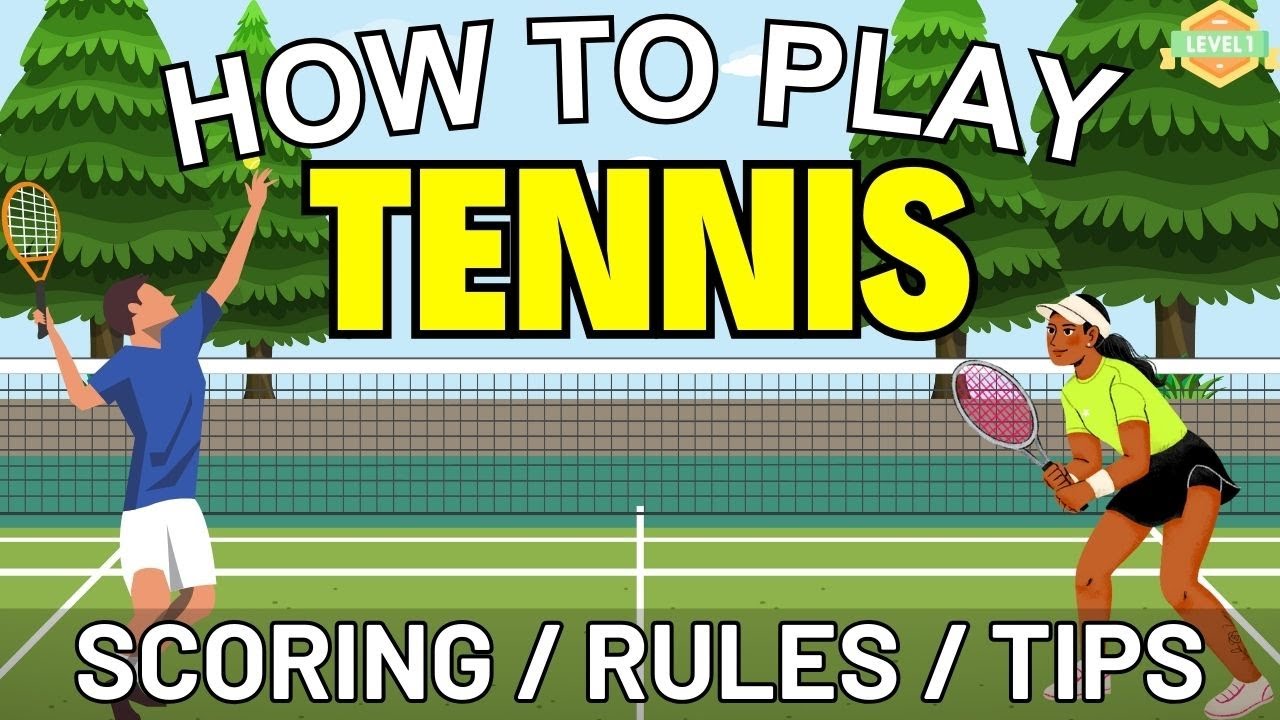
Want to learn how to play tennis but don’t know where to start? This beginner-friendly video breaks it all down — rules, scoring, serving, and more — with fun analogies and clear visuals to help you finally “get” the game.

Whether you’re brand new to tennis or just trying to understand the difference between Love, Deuce, and Advantage — this is your crash course.

In this video you’ll learn:

How the court works
What counts as in or out
How scoring works (and why it’s so weird)
What “deuce” really means
How serving and rotation works
And what you need to start playing today

Perfect for first-time players, parents of junior players, or anyone trying to follow a match.

Like, subscribe, and drop a comment if this helped!

Inner: By Voo de Mar – CC BY-SA 2.0,
————–
Want your own Pace S Pro Ball Machine?
Use my link below for a discount and to help support the channel:

Code for 5% off: Alfred

How Tennis Scoring Works: A Simple Guide for Beginners (Hindi/English)


How Tennis Scoring Works: A Simple Guide for Beginners

Tennis is one of the most popular sports in India, thanks to legends like Leander Paes, Mahesh Bhupathi, and Sania Mirza. However, for many beginners, the tennis scoring system can feel like solving a complex math puzzle. Terms like “Love,” “Deuce,” and “Advantage” often confuse new fans.

In this guide, we will break down how tennis scores work in simple Hinglish (Hindi + English) so you can enjoy the next Grand Slam match without any confusion.

The Basics: Points, Games, and Sets

To win a tennis match, you need to follow a hierarchy: Points make up Games, Games make up Sets, and Sets lead to the Match.

1. Scoring Points within a Game

In most sports, points go 1, 2, 3, 4. In tennis, it’s a bit different. Here is the conversion:

  • 0 Points = “Love”
  • 1st Point = 15
  • 2nd Point = 30
  • 3rd Point = 40
  • 4th Point = Game Over (Set Point)

Note: Agar score 0-0 hai, toh usse “Love-All” kehte hain.

2. Deuce and Advantage

Agar dono players ka score 40-40 ho jaye, toh ise “Deuce” kehte hain. Yahan se game jeetne ke liye ek player ko lagatar 2 points lene hote hain:

  • Advantage In (Ad-In): Jab server point jeet-ta hai.
  • Advantage Out (Ad-Out): Jab receiver point jeet-ta hai.

Agar Advantage milne ke baad player point haar jaye, toh score wapas Deuce par aa jata hai.

Winning a Set and the Match

Ek Set jeetne ke liye player ko kam se kam 6 games jeetne hote hain, aur opponent se 2 games ki lead honi chahiye (e.g., 6-4).

Agar score 6-6 ho jaye, toh ek Tie-breaker khela jata hai. Tie-break mein points simple hote hain (1, 2, 3…) aur jo player pehle 7 points leta hai (2 points ki lead ke saath), wo set jeet jata hai.

Match Format

  • Best of 3 Sets: Jo player 2 sets jeetega, wo match jeet jayega (mostly Women’s matches and ATP tournaments).
  • Best of 5 Sets: Jo player 3 sets jeetega, wo match jeet jayega (Men’s Grand Slams like Wimbledon or Australian Open).

Important Tennis Terms for Indian Fans

Understanding these terms will help you follow live tennis scores on apps or TV:

  • Service Ace: Jab server ball serve kare aur receiver use touch bhi na kar paye.
  • Double Fault: Jab server do baar galat serve kare aur opponent ko point mil jaye.
  • Break Point: Jab receiver ko sirf ek point chahiye game jeetne ke liye (opponent ki service break karne ke liye).

Conclusion

Tennis scoring initial stage par thodi complicated lag sakti hai, lekin ek baar aap basic numbers (15, 30, 40) aur Deuce ka concept samajh lein, toh yeh duniya ka sabse exciting sport ban jata hai. Tennis is not just about power; it’s about strategy and mental strength. Agli baar jab aap Sania Mirza ya Rohan Bopanna ka match dekhein, toh is guide ko yaad rakhein!

FAQs: Frequently Asked Questions

Q1. Tennis mein zero ko “Love” kyun kehte hain?

A: Mana jata hai ki yeh French word “l’oeuf” se aaya hai, jiska matlab ‘anda’ (egg) hota hai, kyunki anda zero ki tarah dikhta hai.

Q2. Golden Set kya hota hai?

A: Jab koi player set ke saare points (24 points) jeet jaye bina ek bhi point haare, toh use Golden Set kehte hain.

Q3. Singles aur Doubles scoring mein kya fark hai?

A: Scoring rules same rehte hain, lekin doubles mein kuch tournaments mein “No-Ad” scoring (Deuce ke baad next point decide karta hai winner) use ki jati hai.

Q4. Match Point ka kya matlab hai?

A: Jab ek player ko poora match jeetne ke liye sirf ek point ki zaroorat ho, toh use Match Point kehte hain.

Tennis Rules Explained: Scoring, Gameplay & Key Terms (Beginner’s Guide)


Tennis Rules Explained: Scoring, Gameplay & Key Terms (Beginner’s Guide)

Tennis is one of the most popular individual sports in India, thanks to legends like Leander Paes, Sania Mirza, and Rohan Bopanna. Whether you are picking up a racket at your local club or watching Wimbledon on TV, understanding the unique tennis scores and rules is essential. This guide breaks down the basics for every beginner.

The Tennis Scoring System: Beyond Numbers

The most confusing part for newcomers is often the scoring. Tennis doesn’t use 1, 2, 3, or 4. Instead, it follows a traditional sequence:

  • 0 Points: “Love”
  • 1st Point: 15
  • 2nd Point: 30
  • 3rd Point: 40
  • 4th Point: Game

If both players reach 40-40, it is called a Deuce. To win from a deuce, a player must win two consecutive points: the “Advantage” point followed by the winning point. If the player with the advantage loses the next point, the score returns to deuce.

Sets and Matches

To win a match, you must win sets, and to win sets, you must win games. In most professional formats (and local tournaments in India):

  • A Set is won by the first player to win 6 games, with a lead of at least two games.
  • If the set score reaches 6-6, a Tie-break is played to determine the winner of the set.
  • Matches are usually “Best of Three” sets for women and most ATP events. In Grand Slams, men play “Best of Five.”

Gameplay: How the Game Starts

Every point starts with a Serve. The server stands behind the baseline and must hit the ball into the diagonally opposite service box. Players get two attempts (First Serve and Second Serve). If the ball hits the net but lands in the correct box, it is a “Let” and the serve is retaken.

Once the serve is in, the Rally begins. Players must hit the ball over the net and within the boundaries of the court. In singles, the narrower “inner” lines are used; in doubles, the wider “alleys” are included.

Key Tennis Terms to Know

  • Ace: A legal serve that the receiver does not touch.
  • Fault: A failed serve (hitting the net or landing outside the service box).
  • Double Fault: Missing both serves, resulting in a point for the opponent.
  • Volley: Hitting the ball before it touches the ground.
  • Break Point: A situation where the receiver is one point away from winning a game against the server.

Conclusion

Understanding tennis rules might seem daunting at first due to terms like “Love” and “Deuce,” but once you get the hang of the 15-30-40 rhythm, the game becomes incredibly addictive. Tennis is a fantastic way to stay fit and develop mental discipline. Now that you know the basics, grab a racket and head to the nearest court!

Frequently Asked Questions (FAQs)

1. Why is zero called “Love” in tennis?

While the exact origin is debated, many believe it comes from the French word “l’oeuf,” meaning “the egg,” representing the shape of a zero.

2. What happens if the ball hits the line?

In tennis, the lines are considered part of the court. If any part of the ball touches the white line, it is “In.”

3. How long does a typical tennis match last?

A standard best-of-three-sets match usually lasts between 90 minutes to 2 hours, though professional matches can go much longer.

4. Can I play doubles on a singles court?

Yes, but you must use the outer “doubles alleys” to ensure the court is wide enough for four players.

#1 Amazon new release for tennis book – Essential Tennis: Order your copy today and learn from my top 38 principles for tennis success!
————————————
Get your FREE membership to ET Academy and IMPROVE your game now:

Grab 15% off Diadem racquets, strings, bags and more using this discount link:
————————————
Follow this simple, free 7-Step checklist in your very next match for smarter, more effective play:
————————————
Looking for the perfect practice partner, match play partner, or qualified coach in your local area? PlayYourCourt will send them directly to the court of your choice! This is the greatest resource on the planet for passionate players looking to maximize their improvement:
————————————
MORE HELPFUL LESSONS:

Why Your Forehand is WEAK

Steal Roger’s Secret Strategy

World’s Most Annoying Tennis Opponent (and why they beat you)

Aim HERE For Easy Tennis Wins!

Stop Standing HERE In Tennis (why you’re losing)

Stop Beating YOURSELF At Tennis!

Hit WINNERS Like Djokovic

Bryan Brothers DON’T Cover This!

————————————

FOLLOW US ONLINE:

Facebook:

Instagram:

iTunes:

Google Play:

Twitter:

Stitcher:

————————————

OUR PRODUCTION GEAR:

Slow Motion Camera:

Analysis iPad:

Drone:

Wireless Mics:

Vlog Camera:

Ball Machine:

Camera Tripod:

Phone Tripod:

————————————

Essential Tennis is worldwide leader in digital tennis improvement resources. For over a decade their coaches have been publishing video, audio, and written instruction helping millions of passionate players improve at the game they love.

With content ranging from video lessons, to the first tennis podcast ever published on iTunes, to insightful long form emails giving insight into the improvement process Essential Tennis has the guidance you need to reach your goals and break through to the next level of play.

Their coaches also provide world class in person experiences including group clinics and their exclusive, Milwaukee VIP instructional package.

For more information on lessons, digital training programs, or anything else please send an email to support AT essentialtennis DOT com.

————————————

If you can read this you have an impressive scrolling game.

🙂

Tennis for Beginners: Tennis Scoring Rules Explained in Hindi/English


Tennis for Beginners: Tennis Scoring Rules Explained (Hinglish Guide)

Tennis points calculation logic shuruat mein thoda confusing lag sakta hai (can seem confusing at first). Unlike cricket or football where points go 1, 2, 3, tennis follows a unique system: 15, 30, 40, and Game. If you are an Indian sports fan looking to understand tennis scores and how a match is won, this guide is for you.

The Basics of Tennis Scoring (The Hierarchy)

Tennis scoring structure teen levels mein divided hoti hai:

  • Points: Smallest unit (15, 30, 40).
  • Games: Points se milkar Games bante hain.
  • Sets: Games se milkar Sets bante hain.
  • Match: Sets win karne par Match khatam hota hai.

1. Understanding “Points” within a Game

Ek Game jitne ke liye player ko minimum 4 points score karne hote hain. Lekin unhe numbering ke bajaye special names diye gaye hain:

  • 0 Points: Love (Tennis mein zero ko ‘Love’ kehte hain).
  • 1st Point: 15
  • 2nd Point: 30
  • 3rd Point: 40
  • 4th Point: Game (Over)

The ‘Deuce’ Rule

Agar dono players 40-40 par tie ho jayein, toh use Deuce kehte hain. Yahan se game jitne ke liye kisi ek player ko consecutive 2 points lene honge:

  • Advantage: Deuce ke baad pehla point lene wala player ‘Advantage’ par hota hai.
  • Agar wahi player agla point bhi jeet jaye, toh Game over.
  • Agar opponent point jeet jaye, toh score wapas Deuce ho jata hai.

2. Winning a Set

Ek ‘Set’ jitne ke liye player ko kam se kam 6 Games jitne hote hain, with a lead of at least 2 games (e.g., 6-4 or 6-0).

Agar score 5-5 ho jaye, toh match 7 games tak jata hai. Agar score 6-6 ho jaye, toh ek Tie-break khela jata hai takki set winner decide ho sake.

3. Winning the Match

International tennis matches do types ke hote hain:

  • Best of 3 Sets: Jo player 2 sets pehle jitega, wo winner hai. (Used in Women’s matches and most ATP events).
  • Best of 5 Sets: Jo player 3 sets pehle jitega, wo winner hai. (Used in Men’s Grand Slams like Wimbledon or French Open).

General Tennis Terms for Beginners

Match dekhte waqt aap ye terms zaroor sunenge:

  • Server: Jo player ball start karta hai.
  • Receiver: Jo ball return karta hai.
  • Ace: Jab serve itni fast ho ki opponent touch bhi na kar paye.
  • Double Fault: Jab server do baar serve miss kar de (Opponent gets a point).

Conclusion

Tennis scoring shuru mein mushkil lagti hai, par practice ke saath easy ho jati hai. Just remember: points lead to games, games lead to sets, and sets lead to a match win. Ab jab aap agli baar Sania Mirza ya Rohan Bopanna ka match dekhenge, toh tennis scores samajhna aapke liye bache ka khel hoga!

Frequently Asked Questions (FAQs)

1. Tennis mein zero ko ‘Love’ kyun kehte hain?

It is believed to come from the French word ‘l’oeuf’, which means egg (representing zero shape). English speakers pronounced it as ‘Love’.

2. Tennis match kitne der tak chalta hai?

Iska koi fixed time nahi hota. Best of 3 match 1.5 – 2 ghante chal sakta hai, jabki Grand Slam matches 3 se 5 ghante tak bhi ja sakte hain.

3. What is a ‘Break Point’?

Jab receiver (jo serve nahi kar raha) ko game jitne ke liye sirf ek point chahiye ho, toh use Break Point kehte hain.

4. Is there a difference between Men’s and Women’s scoring?

The point and game system is identical. The only major difference is that Men play ‘Best of 5 sets’ in Grand Slams, while Women play ‘Best of 3’.

Watch this Tennis for dummies explainer video to understand tennis, so next time you watch a match, you will know what the scoring is all about.

Are you curious what does a break point or rules for tie break mean?

In short:

A key aspect is that points are always counted from the point of view of the server in a game. So If you see a tennis ball, yellow circle, or line or arrow near a players name, that means they are serving and the points are from their perspective.

We have points that make up a game. Games making up a set and sets making up a match. For points we have 0 or love as its called, 15, 30, 40. If the server wins the first point, its 15 – 0. If the opponent wins the second, 15 -15. If the opponent wins another, its 15 -30. If player one wins the next, its 30 – 30. If again the next one, its 40 – 30. After 40, if the server wins, they win the game. If there is deuce, 40-40, and the server wins a point, that will make the score A – 40. If the server wins another point, wins the game.

There are 6 games to be won in a set where the winner needs to win by at least 2 games. If there is a tie at 5-5, it means that players need to compete for another 2 games and whoever wins that two game, making the set to be 7-5 wins the set. If both players won 6 games in a set and its 6-6, a tie break is introduced to the set to close it quicker than using the game scoring method. In the tie break, the first player to win 7 points, by two, wins the tie break and that set as a result. If both players have 6 points in the tie break, it continues until someone wins two points consecutively.

When they say a match is played for best of 3 sets, that means that whoever wins 2 sets first, wins the match so there can be a maximum of 3 sets. Grand Slam men’s singles and doubles matches differ in two ways from the rest of the matches in tennis.

One, matches are played for 3 won sets or the best of 5 sets, making it a maximum of 5 sets in a match. And two, for some time, if the score is 6-6 in set number 5, there is no tie break, but a player only wins that set and the match if they win by 2 games. There are various limitations for the 5th set tie break in the Grand Slams.

#tennisscoring #tennisscoringexplained #tennisfordummiesvideo

How to Count Tennis Points: A Simple Guide for Beginners


How to Count Tennis Points: A Simple Guide for Beginners

Tennis is one of the most popular individual sports in India, thanks to the legacies of stars like Sania Mirza, Leander Paes, and Rohan Bopanna. However, for a beginner, walking onto a court at your local club can be confusing when you hear terms like “Love,” “Deuce,” and “Advantage.”

If you are wondering why tennis scores don’t go 1, 2, 3, and 4, you aren’t alone. Understanding tennis scores is the first step to enjoying the game. This guide breaks down the scoring system into simple steps.

The Structure: Points, Games, and Sets

Think of a tennis match like a ladder. You must climb three rungs to win:

  • Points make up a Game.
  • Games make up a Set.
  • Sets make up the Match.

1. Scoring a Single Game

Instead of 1, 2, and 3, tennis uses a unique numerical progression. Both players start at zero, which is called “Love.”

  • No points: Love
  • 1st point: 15
  • 2nd point: 30
  • 3rd point: 40
  • 4th point: Game (End of game)

In tennis, the server’s score is always announced first. If the server has 30 and the receiver has 15, the score is “30-15.”

What is Deuce?

If both players reach 40-40, it is called a Deuce. From here, one player must win two consecutive points to win the game:

  • The first point won after deuce is called Advantage.
  • If the same player wins the next point, they win the game.
  • If they lose the point, the score returns to Deuce.

2. Winning a Set

In most professional and amateur matches in India, you need to win six games to win a set. However, there is a catch: you must win by a margin of at least two games (e.g., 6-0, 6-4).

If the set score reaches 5-5, the set continues. If it reaches 6-6, a Tie-break is played to decide the winner of the set (7-6).

3. Winning the Match

Most matches are played as “Best of Three.” This means the first person to win two sets wins the match. In major Men’s Grand Slams (like Wimbledon or the Australian Open), they play “Best of Five,” requiring three sets to win.

Conclusion

While the tennis scoring system seems unconventional at first, it becomes second nature once you start playing. Whether you are playing on a clay court in Kolkata or a hard court in Mumbai, the rules remain the same. The key is to remember the 15-30-40 sequence and keep your eye on the ball!


Frequently Asked Questions (FAQs)

1. Why is zero called “Love” in tennis?

While there are many theories, the most popular one is that it comes from the French word for egg, “l’oeuf,” because an egg looks like a zero. Others believe it comes from the phrase “to play for the love of the game.”

2. What is “All” in tennis scores?

If the score is tied (except for 40-40), you use the word “All.” For example, 15-15 is “15-All,” and 30-30 is “30-All.”

3. What does “Advantage In” and “Advantage Out” mean?

During a deuce, “Advantage In” (Ad-In) means the server has the point lead. “Advantage Out” (Ad-Out) means the receiver has the point lead.

4. How long does a typical tennis match last?

A best-of-three set match usually lasts between 90 minutes to 2 hours, depending on how competitive the games are.

5. Is there a faster version of scoring?

Yes. Many local Indian tournaments use “No-Ad” scoring. If the score reaches deuce, the next single point wins the game immediately.

Learn More:

Shop Beginners Tennis Racquet:

➤Tennis Warehouse:
➤Tennis Warehouse Europe:
➤Tennis Only:

➤YouTube:
➤ Facebook:
➤ Instagram:
➤ Twitter:
➤ Improve Your Game:

Learn how to keep score in a game of Tennis!

#tenniswarehouse #tennis #scoretennis #learntennis

How Tennis Scoring Works: Points, Games, and Sets Explained for Beginners


How Tennis Scoring Works: Points, Games, and Sets Explained for Beginners

Tennis is one of the most popular individual sports in India, with stars like Sania Mirza, Leander Paes, and Rohan Bopanna making the country proud on the global stage. However, for a beginner, looking at the tennis scores on a TV screen can be confusing. Why does the score go from 15 to 30, and what on earth is a ‘Love’ score?

In this guide, we break down the fundamental structure of tennis scoring so you can follow the next Grand Slam or local tournament with ease.

The Three Tiers of Tennis Scoring

Tennis scoring is hierarchical. To win a match, you must win Sets; to win a set, you must win Games; and to win a game, you must win Points.

1. Scoring Points within a Game

Unlike most sports where points are counted as 1, 2, 3, and 4, tennis uses a unique numerical system:

  • 0 Points = “Love”
  • 1 Point = 15
  • 2 Points = 30
  • 3 Points = 40
  • 4 Points = Game (Over)

Deuce and Advantage: If both players reach 40-40, it is called a “Deuce.” To win the game from a deuce, a player must win two consecutive points. The first point won is called “Advantage.” If that player wins the next point, they win the game. If they lose it, the score returns to Deuce.

2. Scoring Games within a Set

To win a set, a player must typically win at least six games. However, there is a catch: you must win by a margin of at least two games (e.g., 6-4).

If the score reaches 5-5, the set continues. If it reaches 6-6, a Tie-breaker is played. In a tie-breaker, points are counted as 1, 2, 3, etc. The first person to reach 7 points (with a 2-point lead) wins the tie-breaker and the set (7-6).

3. Scoring Sets to Win the Match

In most professional tournaments (including the ATP and WTA tours), matches are Best of Three Sets. This means the first person to win two sets wins the match. In Men’s Singles at Grand Slams (like Wimbledon or the Australian Open), matches are Best of Five Sets, meaning the first to win three sets wins.

Common Tennis Score Terms in India

If you are watching tennis scores on platforms like Hotstar or SonyLIV, you might see these terms:

  • Break Point: When the player receiving the serve is one point away from winning the game.
  • Hold: When the player serving wins the game.
  • Straight Sets: When a player wins the match without losing a single set (e.g., 2-0 or 3-0).

Conclusion

While the terminology of “Love,” “Deuce,” and “15-30-40” might seem strange at first, it becomes second nature once you start watching or playing the game. Tennis scoring ensures that the match remains competitive until the very last point. Whether you are heading to the local courts in Delhi or Mumbai, or just tracking tennis scores online, you are now ready to follow the action like a pro!

Frequently Asked Questions (FAQs)

1. Why is zero called “Love” in tennis?

The most popular theory is that it comes from the French word “l’oeuf,” which means “the egg,” representing the shape of a zero. Over time, it was anglicized to “Love.”

2. What is a ‘Golden Set’ in tennis?

A Golden Set is when a player wins every single point in a set (24 points to 0), meaning their opponent did not score a single 15, 30, or 40. This is extremely rare in professional tennis.

3. What happens if a match is interrupted by rain?

In most tournaments, the match stops and resumes from the exact same point and game score once the weather clears or the match is moved to an indoor court.

4. Do doubles matches have different scoring?

The basics are the same, but many doubles tournaments use a “No-Ad” (No Advantage) rule where a sudden-death point is played at Deuce, and a 10-point “Match Tie-break” is played instead of a third set.

I have explained the basic scoring and also included some of the complex situations that arrives while playing tennis. Enjoy! If you have any question leave a comment below , I’ll answer asap! CHEERS!

00:00 Introduction
0:20 Singles vs Doubles
0:42 Scoring in tennis
1:00 Game, Set & Match
2:21 What happens after every Game
3:56 Deuce in Tennis (Advantage in tennis)
6:12 Winning a set
7:10 Special Cases
8:07 Tie Break
8:38 Doubles scoring

—————————————————————-
RULES OF SPORTS
—————————————————————-
Rules of Pickleball :
Rules of Baseball :
Rules of Golf :
Rules of Tennis :
Rules of American Football :
Rules of Basketball :
Rules of Cricket :
Rules of Football/Soccer :
Rules of Volleyball :
Rules of UFC:

—————————————————————-
SCORING AND TACTICS OF SPORTS
—————————————————————-
Scoring in Tennis :
Pickleball Doubles Scoring :
American Football Strategy & Tactics :

Comment below and please provide your feedback so I can improve and serve our humanity better 🙂 Cheers!

Just want to let you know that you are
AMAZING! FANTSTIC! AWESOME!