How to Hit the Perfect Tennis Dropshot: A Step-by-Step Guide


How to Hit the Perfect Tennis Dropshot: A Step-by-Step Guide

In the world of tennis, power often takes the spotlight. However, on the hot, baked clay courts of Delhi or the humid hard courts of Mumbai, finesse can be just as lethal as a 120 kmph serve. The tennis dropshot is a touch play designed to catch your opponent off guard, forcing them to sprint forward when they least expect it.

Whether you are a club player or an aspiring pro, mastering the dropshot adds a new dimension to your game. Here is your comprehensive guide to hitting the perfect tennis dropshot.

Step 1: Choose the Right Moment

The biggest mistake many players make is attempting a dropshot from behind the baseline. To execute this move effectively, you should ideally be inside the baseline or moving toward short balls. Use the dropshot when your opponent is deep behind their baseline, struggling to recover from a wide shot. In India’s slower court conditions, waiting for a high-bouncing ball that sits up can give you the perfect window to “kill” the pace.

Step 2: The Continental Grip

Success starts with the hands. While you might use a Western or Semi-Western grip for your heavy topspin forehands, the dropshot requires a Continental grip (the same grip used for volleys and serves). This allows you to “open” the racquet face and create the necessary backspin to make the ball die upon impact.

Step 3: Disguise is Key

If your opponent knows the dropshot is coming, they will reach it with ease. To hit a perfect dropshot, your preparation must look identical to a standard deep drive or slice. Keep your backswing similar to your normal groundstroke, and only at the final millisecond, relax your grip and change the racquet angle.

Step 4: The “High-to-Low” Path with Soft Hands

As you make contact, move the racquet in a steep high-to-low motion. Instead of hitting “through” the ball, you want to “cup” the ball. Imagine you are catching the ball with your strings. Most Indian coaches refer to this as “touch” or “feel.” Relax your wrist to absorb the pace of the incoming ball, ensuring it clears the net by a small margin and lands short in the opponent’s service box.

Step 5: Follow Through and Recovery

Unlike a power shot, the follow-through for a dropshot is short and finished low. Immediately after hitting the shot, don’t just stand and watch. Move forward slightly to cover a potential counter-drop or lob. Because the ball has heavy backspin, it should ideally bounce twice before the opponent can reach it.

Conclusion

The dropshot is more than just a shot; it is a psychological weapon. It disrupts the rhythm of “baseliners” and tests their fitness. By mastering the Continental grip, maintaining disguise, and developing soft hands, you can turn a defensive situation into a winning point. Next time you hit the courts at your local club, practice these steps to leave your rivals stranded at the back of the court.

Frequently Asked Questions (FAQs)

1. When is the best time to use a dropshot in a match?

The best time is when your opponent is far behind the baseline or moving laterally. It is also highly effective on clay courts or when the weather is hot, as the ball may feel softer and easier to manipulate.

2. Can I hit a dropshot with a two-handed backhand?

While possible, most professional players (like Novak Djokovic) prefer to switch to a one-handed slice grip for the backhand dropshot to get better reach and feel.

3. My dropshots always hit the net. What am I doing wrong?

You are likely hitting too “flat.” Ensure you are using a high-to-low motion to create backspin. Also, aim for at least a foot or two above the net; the backspin will pull the ball down once it crosses.

4. Is the dropshot effective on Indian hard courts?

Yes. Although hard courts provide a consistent bounce, a well-disguised dropshot with heavy backspin will stay low, making it very difficult for an opponent to flick it back over the net.

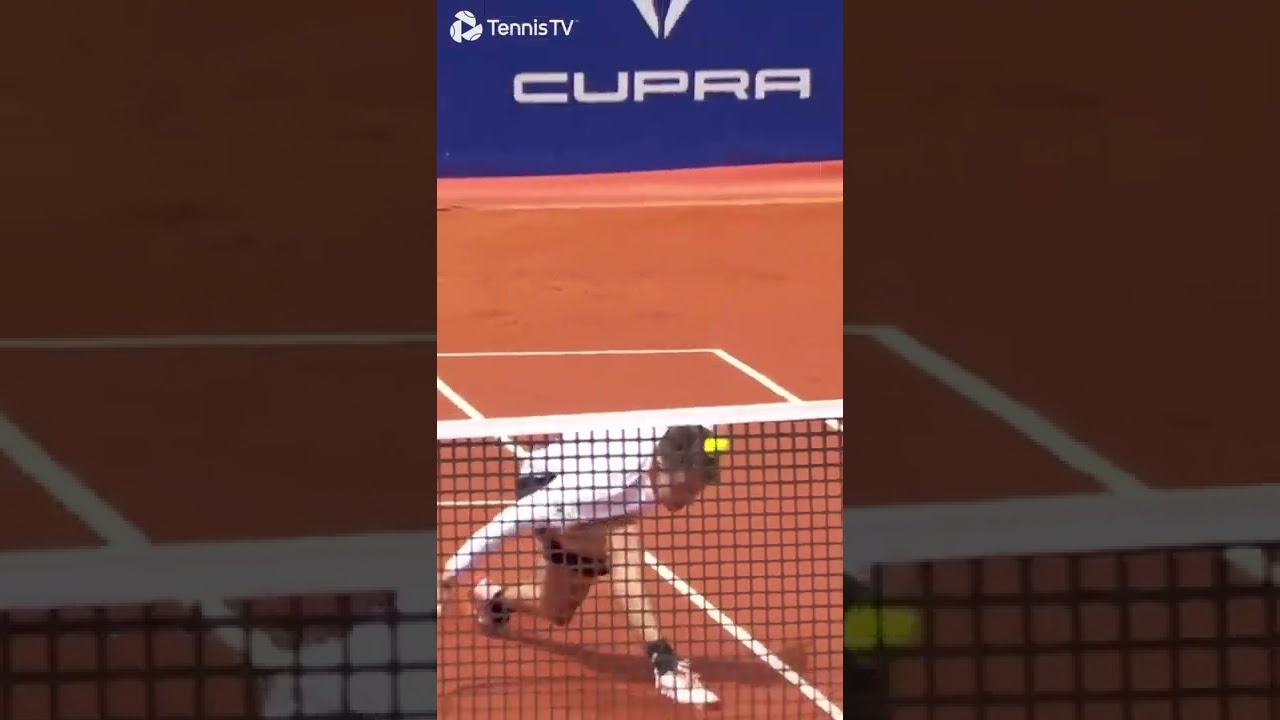
#Shorts Alex De Minaur with an absolutely stunning counter drop shot in Barcelona, 2021…SUBSCRIBE to our channel for the best ATP tennis videos and tennis highlights:

Watch official ATP tennis streams from every tournament:

Tennis TV is the OFFICIAL live streaming service of the ATP Tour.

Tennis TV features live streaming and video on demand of ATP tennis matches in full on PC, Mac, mobile & tablet apps on iOS & Android. Download the app to stream on your device:

Plus Tennis TV is also available to stream tennis on your TV on Apple TV, Roku, Amazon Fire TV, Samsung Smart TV, LG Smart TV, Android TV, PlayStation 4, Xbox One and Chromecast.

To enquire about licensing ATP Tour footage contact IMG Replay:

#tennis #tennistv #sports
Why is Cricket Scoring So Difficult? A Simple Guide for Fans


Why is Cricket Scoring So Difficult? A Simple Guide for Indian Fans

In India, cricket is more than just a sport; it is a religion. However, whether you are watching a high-stakes IPL match or a Test series in Australia, one thing remains constant: the complexity of the scoreboard. Unlike sports where one goal equals one point, cricket scoring involves a labyrinth of runs, wickets, extras, and run rates.

If you have ever found yourself confused by terms like “Duckworth-Lewis” or why a team is 150/3, you are not alone. Let’s break down why cricket scoring is so unique and how it compares to the straightforward nature of hockey scores.

The Multi-Layered Nature of Cricket Scoring

The primary reason cricket scoring feels difficult is that it tracks two different metrics simultaneously: cumulative runs and lost resources (wickets).

  • Cumulative Runs: Every ball provides an opportunity to score between 0 to 6 runs.
  • Wickets: Each team has a finite number of wickets (10). Once they are gone, the innings ends, regardless of the number of runs.
  • Extras: Penalties like Wides and No-balls add runs to the total without the batter hitting the ball, further complicating the tally.

Cricket vs. Hockey Scores: A Study in Contrasts

For Indian sports fans who also follow our national sport, field hockey, the difference in scoring logic is vast. In hockey scores, the system is binary: did the ball enter the net? If yes, it is 1 point. A typical hockey score looks like 3-2 or 1-0. It is a linear progression where the higher number at the end of 60 minutes wins.

In contrast, cricket is non-linear. A team might be “ahead” in terms of runs but “behind” because they have lost too many wickets. Furthermore, in limited-overs formats (ODI and T20), the Net Run Rate (NRR) adds a mathematical layer that often requires a calculator to understand. This is why a cricket fan needs to be part-mathematician to truly follow a league table!

The Variables: Conditions and Formats

Another factor that makes cricket scoring difficult is the format variation. A score of 300 in 50 overs is excellent, but 300 in a Test match day is just average. The pitch conditions, the age of the ball, and even the weather (which brings in the dreaded DLS method) influence how a score is interpreted. In hockey, the objective remains the same regardless of the turf; in cricket, the “par score” changes every hour.

Conclusion

Cricket scoring is difficult because it reflects the complexity of the game itself—a balance between aggression and preservation. While hockey scores offer a refreshing simplicity of “one goal, one point,” cricket provides a statistical depth that keeps fans engaged in debate for days. Once you master the basics of runs-per-over and the value of a wicket, the scoreboard becomes a thrilling story rather than a confusing set of numbers.


Frequently Asked Questions (FAQs)

1. What does 150/3 mean in a cricket score?

The first number (150) represents the total runs scored by the batting team. The second number (3) represents the number of wickets (players) they have lost. In some countries, like Australia, this is written in reverse (3/150).

2. Why is hockey scoring easier to understand than cricket?

Hockey follows a simple “points per goal” system. There are no “extras,” “overs,” or “wickets” to track. If Team A scores more goals than Team B, they win. It is a direct reflection of performance without secondary variables.

3. What is the DLS method in cricket?

The Duckworth-Lewis-Stern (DLS) method is a mathematical formula used to calculate target scores in rain-interrupted limited-overs matches. It accounts for both the overs remaining and the wickets in hand, which is why it often confuses casual fans.

4. How is the Net Run Rate (NRR) calculated?

NRR is calculated by subtracting the average runs per over conceded by a team from the average runs per over scored by that team throughout a tournament. It is the primary tie-breaker in leagues like the IPL.

5. Does a “maiden over” affect the score?

A maiden over (where zero runs are scored) does not add to the total runs, but it increases the “Dot Ball” percentage and pressures the batting team, often leading to a wicket in the subsequent overs.

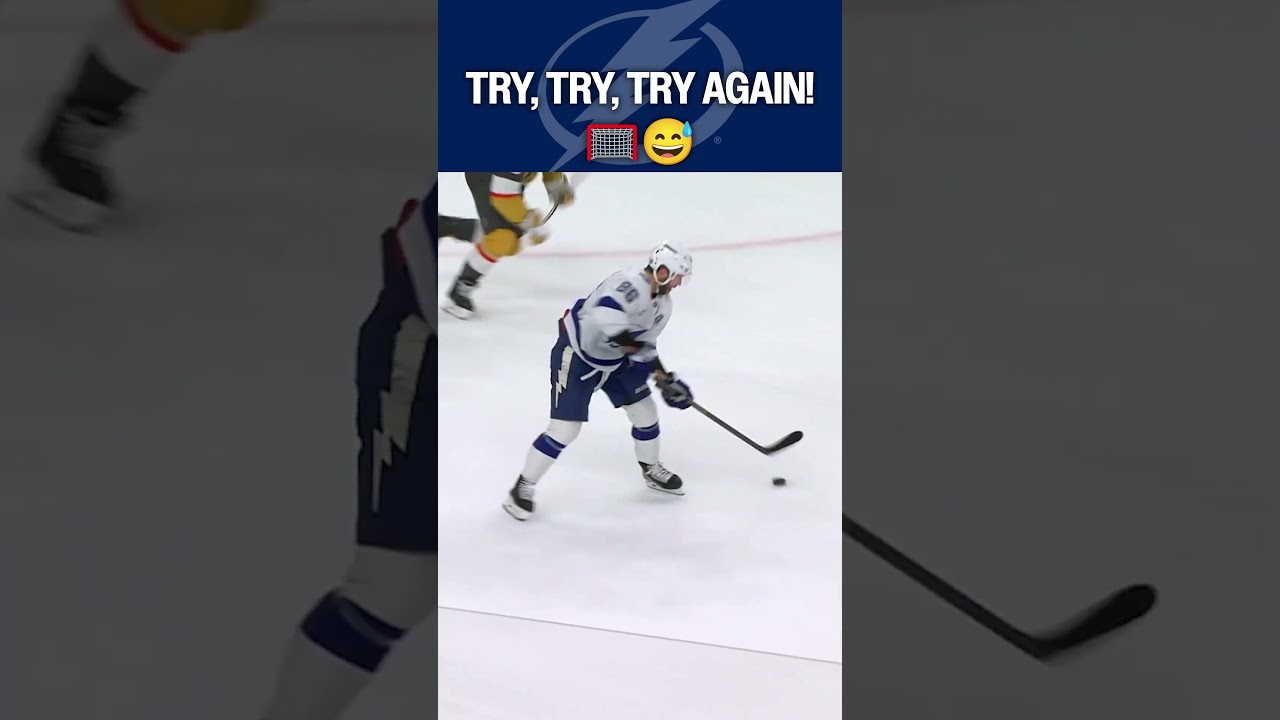
Tampa Bay Lightning forward Brandon Hagel takes two stabs at the empty bet before finally cashing in his second goal of the game!

🏒 Welcome to your go-to source for all things NHL! 🎥
Whether you’re a die-hard hockey fan or just getting into the game, this channel delivers comprehensive NHL coverage that keeps you informed and entertained. Get instant access to the latest NHL news, real-time game scores, player statistics, and team standings — all updated as the action unfolds.
We break down key matchups, offer expert analysis, and showcase thrilling highlights from every game across the league. From Stanley Cup contenders to rookie sensations, we cover it all with in-depth insights and engaging commentary.
📊 Want to track your favorite players or teams? We’ve got detailed breakdowns, performance trends, and historical stats to help you stay ahead of the game.
🔥 Don’t miss a moment of the excitement — subscribe now and turn on notifications so you’re always up to date with the fastest goals, biggest hits, and most unforgettable plays in the NHL.
👉 For even more exclusive content and live updates, visit NHL.com — your official destination for everything hockey.
Join the vibrant NHL community and gain access to exclusive articles, updates, and insider content designed for passionate fans like you. Subscribe now to stay ahead of the game:

Connect with the NHL on social media to catch all the action:
– Follow us on nhl X for the latest tweets and updates:
– Like us on Facebook for news, videos, and fan interactions:
– Follow our Instagram for stunning photos, stories, and behind-the-scenes content:

#NHL

How Tennis Scoring Works: A Simple Guide for Beginners (Points, Sets & Games)


How Tennis Scoring Works: A Simple Guide for Beginners (Points, Sets & Games)

Tennis is rapidly growing in popularity across India. From watching Grand Slam finals late at night to hitting the local courts in cities like Mumbai, Delhi, and Bangalore, more Indians are picking up the racket than ever before. However, for a beginner, the tennis scores system can seem a bit baffling. Why is the first point called 15? What on earth is ‘Love’?

In this guide, we break down the scoring system into simple steps so you can follow the next match or play your first tournament with confidence.

1. The Foundation: Points

In most sports, you count 1, 2, 3. In tennis, points have unique names. Every game starts at 0-0, which is called “Love-All”.

  • No points: Love
  • 1st point: 15
  • 2nd point: 30
  • 3rd point: 40
  • 4th point: Game (End of the game)

What is Deuce and Ad?

If both players reach 40-40, it is called a Deuce. To win from a deuce, a player must win two consecutive points:

  • The first point won after deuce is called Advantage (Ad).
  • If the player with the advantage wins the next point, they win the game.
  • If they lose it, the score returns to Deuce.

2. Winning the Game: Games & Sets

To win a Set, a player must generally win at least six games. However, there is a catch: you must win by a margin of at least two games (e.g., 6-4).

If the score reaches 5-5, the set continues. If it reaches 6-6, a Tie-break is played to decide the winner of the set (resulting in a 7-6 score).

3. The Big Picture: Winning the Match

The structure of a match depends on whether it is a Men’s or Women’s event:

  • Best of 3 Sets: Common in most ATP/WTA tours and Women’s Grand Slams. The first person to win 2 sets wins.
  • Best of 5 Sets: Played in Men’s Grand Slams (like Wimbledon or the Australian Open). The first person to win 3 sets wins.

Important Tennis Terms Every Indian Fan Should Know

  • Break Point: When the player receiving the serve is one point away from winning the game.
  • Ace: A legal serve that the opponent doesn’t touch, resulting in an immediate point.
  • Unforced Error: A mistake made by a player that wasn’t caused by the opponent’s good play.

Conclusion

While the tennis scoring system feels unusual at first, it follows a logical hierarchy: Points make Games, Games make Sets, and Sets make the Match. Whether you are watching a local talent at the RK Khanna Stadium or following Sania Mirza’s legacy, understanding these basics makes the game much more thrilling. Keep this guide handy, and you’ll be calling out the scores like a pro in no time!


Frequently Asked Questions (FAQs)

1. Why is zero called “Love” in tennis?

The most popular theory is that it comes from the French word “l’oeuf”, meaning “the egg,” because an egg looks like a zero. Over time, it evolved into the English word “Love.”

2. Who serves first in a tennis match?

A coin toss or a “spin of the racket” determines who serves first. In India, players often spin the racket and ask “up or down” regarding the logo on the handle.

3. What happens if a serve touches the net?

If the ball touches the net but still lands in the correct service box, it is called a “Let”. The server gets to retake that serve without penalty.

4. How long does a tennis match usually last?

A best-of-three-sets match usually lasts between 90 minutes to 2 hours, though some can go longer depending on how competitive the games are.

5. Is the scoring different for doubles?

The basic scoring (15, 30, 40) remains the same. However, in some professional doubles tournaments, a “Deciding Point” is played at Deuce (No-Ad scoring) to speed up the game.

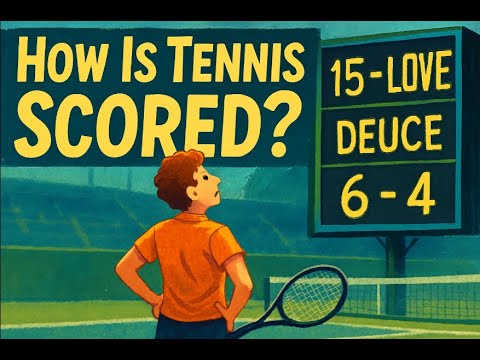
Confused by tennis scores like 15-love, deuce, or tiebreak? 🤯 You’re not alone! In this video, we break down the unique scoring system of tennis from the ground up—perfect for beginners or anyone who’s ever wondered why the game starts at 15 instead of 1. 😅

Whether you’re new to the game or just want a refresher, you’ll learn:
✅ What “love” means
✅ How games, sets, and matches work
✅ What happens in a deuce
✅ How tiebreaks are played
✅ Fun facts about tennis scoring 🎾

📺 Hit play and level up your tennis knowledge in minutes!
👍 Don’t forget to like, comment, and subscribe for more sports breakdowns!

Tennis Rules & Scoring Explained: A Simple Guide for Beginners (2024)


Tennis Rules & Scoring Explained: A Simple Guide for Beginners (2024)

With the rising popularity of stars like Rohan Bopanna and Sumit Nagal, more Indians are picking up tennis rackets than ever before. However, for a beginner, the tennis scoring system can feel like a different language. Why do they say “Love” instead of zero? What exactly is a “Deuce”?

In this guide, we break down the fundamental tennis rules and the unique tennis scores system to get you match-ready in no time.

The Basics: Objective of the Game

The goal of tennis is simple: hit the ball over the net into the opponent’s court in a way that they cannot return it. A match is composed of Points, which make up Games, which make up Sets.

Understanding Tennis Scores: Point by Point

Unlike cricket or football, tennis doesn’t use 1, 2, 3, or 4. Instead, it uses a specific progression:

  • 0 Points = “Love”
  • 1 Point = 15
  • 2 Points = 30
  • 3 Points = 40
  • 4 Points = Game Over

What is Deuce and Advantage?

If both players reach a score of 40-40, it is called a Deuce. To win from a deuce, a player must win two consecutive points:

  1. Advantage: The player who wins the first point after deuce has the “Advantage.”
  2. Game: If that same player wins the next point, they win the game. If they lose it, the score goes back to Deuce.

Winning Sets and Matches

In most professional formats (and local clubs in India):

  • To win a Set: A player must win at least 6 games and be ahead by at least 2 games (e.g., 6-4).
  • Tie-break: If the score reaches 6-6 in games, a tie-break is played to decide the set winner.
  • To win a Match: Most matches are “Best of 3 Sets” (first to win 2 sets). In Men’s Grand Slams, it is “Best of 5 Sets.”

Fundamental Tennis Rules for Beginners

Before you step onto the court at your local academy, keep these essential rules in mind:

1. The Serve

The game starts with a serve from behind the baseline. The server must hit the ball into the diagonally opposite service box. You get two chances (First Serve and Second Serve). If both hit the net or land out, it’s a “Double Fault,” and your opponent gets the point.

2. In or Out?

If any part of the ball touches the line, it is considered IN. If the ball hits the net but still lands in the correct service box during a serve, it is called a “Let,” and the serve is re-taken.

3. Sides of the Court

Players switch ends of the court after every odd number of games (1, 3, 5, etc.). This ensures fairness regarding sun glare or wind direction.

Conclusion

While the 15, 30, and 40 scoring might seem confusing at first, it becomes second nature once you start playing. Whether you are watching the Australian Open on TV or playing at a court in Delhi or Mumbai, understanding these rules makes the game significantly more enjoyable. Now that you know how tennis scores work, it’s time to grab a racket and hit the court!

Frequently Asked Questions (FAQs)

1. Why is zero called “Love” in tennis?

It is widely believed to come from the French word “l’oeuf,” meaning “the egg,” because an egg looks like a zero. Others say it comes from the phrase “to play for the love of the game.”

2. What is the difference between Singles and Doubles lines?

In singles, the “alleys” (the strips on the sides of the court) are out of bounds. In doubles, the entire court—including the alleys—is considered in-bounds after the serve.

3. How long does a typical tennis match last?

A best-of-three-set match usually lasts between 90 minutes to 2 hours, though it can vary greatly depending on the players’ skill levels.

4. Can I hit the ball before it bounces?

Yes, this is called a “volley.” However, you cannot volley the ball while receiving a serve; the serve must bounce once before you can return it.

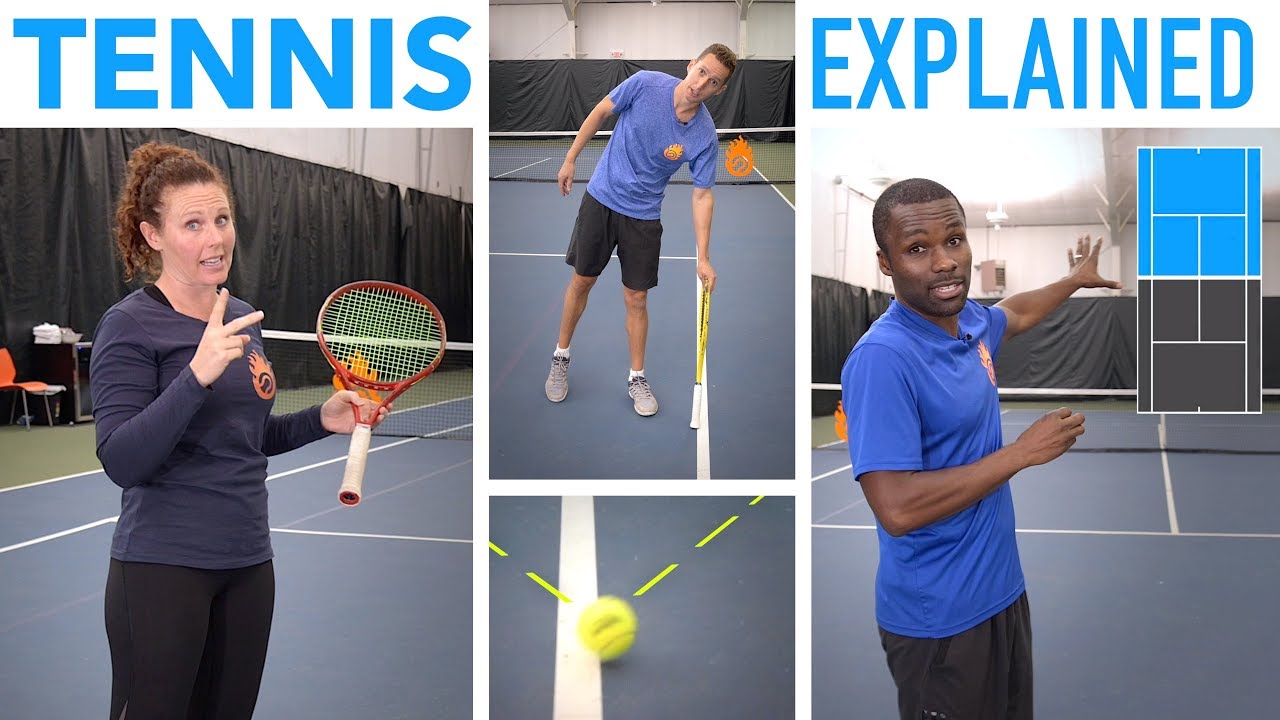
Hi everyone, Coach Zee here! In today’s video, I’m breaking down the basic rules of tennis to help kids (and parents!) understand the essentials. From learning the parts of the court to understanding scoring, I’ll walk you through each part of the game so kids can enjoy playing, watching, and even competing with a strong foundation.

We’ll cover:

Court layout for singles and doubles
Basic gameplay rules and serving
Scoring explained (points, games, sets, and even tiebreaks!)
Fun examples and an easy-to-follow scoreboard to keep it simple!
If you have any questions, drop them in the comments. And don’t forget to like and subscribe for more tennis tips. See you on the court!

Top 10 Best Hockey Sticks in India 2024: Pro Players’ Guide 🔥🏑


Top 10 Best Hockey Sticks in India 2024: Pro Players’ Guide 🔥🏑

Hockey isn’t just a sport in India; it’s a legacy. Whether you are inspired by the wizardry of Major Dhyan Chand or the modern-day drag-flicking prowess of Harmanpreet Singh, choosing the right equipment is the first step toward greatness. As we move through 2024, the technology behind hockey sticks has evolved, offering better carbon fiber compositions, enhanced grip, and superior bow shapes.

In this guide, we break down the top 10 hockey sticks available in India that are currently dominating the turf, helping you choose the perfect match for your playing style.

The Best Hockey Sticks for Indian Players in 2024

1. Adidas Estro .4 Composite Stick

Ideal for midfield maestros, the Estro .4 offers a perfect balance between power and control. Its high carbon content ensures crisp passing, while the 3D head shape makes 360-degree dribbling effortless.

2. Grays GX 2000 Composite

A classic choice for intermediate players. The GX 2000 is renowned for its durability and shock absorption, making it perfect for the rugged turf conditions often found in local Indian academies.

3. Kookaburra Xenon

For those who value “feel” over raw power, the Kookaburra Xenon provides an incredible touch. It is highly recommended for defenders who need to make precise interceptions.

4. Ritual Velocity 95

A premium stick for professional attackers. With 95% carbon, this is a powerhouse. It features a late bow profile, making it a favorite for drag-flickers and those who love creative 3D skills.

5. Rakshak Ranger Carbon

An indigenous Indian brand that competes with global giants. The Ranger series provides excellent value for money, offering a lightweight carbon build that is popular among school and college-level athletes.

6. Gryphon Taboo Blue Steel

Known for its “power-to-weight” ratio, Gryphon is the go-to for players who want the hardest hit possible. It’s stiff, responsive, and built for elite-level competition.

7. TK Total Three 3.5

TK has always been a pioneer in hockey tech. The Total Three series features “Elephant Grass” reinforcement, providing a unique dampening system that reduces vibrations during hard hits.

8. Osaka Pro Tour 40

Osaka has taken the Indian market by storm with its stylish designs and high-performance builds. The Pro Tour 40 is perfect for all-rounders looking for a reliable mid-bow stick.

9. Malik Fresh

A favorite for many domestic Indian players, Malik sticks offer a thinner handle design which helps in better grip and faster wrist movement during high-speed dribbling.

10. Spartan G-1000

If you are a beginner looking for a budget-friendly yet sturdy composite stick, Spartan is the way to go. It offers great control for those just learning the fundamentals of the game.

Factors to Consider Before Buying

  • Carbon Percentage: Higher carbon means more power but less “feel.” Beginners should aim for 10-30%, while pros prefer 70-100%.
  • Bow Shape: Low bows are for drag-flicking and 3D skills; Mid-bows are for better passing and control.
  • Length: Standard senior size is 36.5 inches, but taller players often opt for 37.5 inches.

Conclusion

Choosing the best hockey stick in India depends entirely on your position and experience level. While brands like Adidas and Ritual dominate the premium segment, Indian brands like Rakshak continue to provide stellar performance for rising stars. Investing in the right stick will not only improve your game but also prevent wrist and arm injuries. Grab your gear, hit the turf, and keep the Indian hockey spirit alive!


Frequently Asked Questions (FAQs)

Q1. Which hockey stick is best for drag-flicking?

Sticks with a “Late Bow” or “Extra Late Bow” profile, such as the Ritual Velocity 95 or the Adidas Chaosfury, are best for drag-flicking as they allow for better lift and slingshot momentum.

Q2. Is a wooden hockey stick better than a composite one?

For beginners and children, wooden sticks are great for developing “feel.” However, for competitive play, composite sticks (Carbon/Fiberglass) are superior because they are lighter and more powerful.

Q3. What is the standard hockey stick size for Indian adults?

The most common size used by Indian players is 36.5 inches. Players taller than 5’10” may occasionally prefer a 37.5-inch stick for better reach.

Q4. Where can I buy authentic hockey sticks in India?

You can purchase them from specialized sports stores like Decathlon, or online through reputable platforms like Amazon.in and dedicated hockey retailers.

Hockey players, THIS was made for you 🔥😎
Grab yours here ➡️ www.snowfeetstore.com

#Snowfeet #skiskates #hockeyplayer #icehockey #hockey

Learn Tennis Scoring in 30 Seconds: A Simple Guide for Beginners


Learn Tennis Scoring in 30 Seconds: A Simple Guide for Beginners

Tennis is one of the most popular sports in India, thanks to icons like Sania Mirza, Leander Paes, and Rohan Bopanna. However, for a beginner, watching a match at Wimbledon or the Delhi Open can be confusing. Why do they say “Love” instead of zero? Why does the score go from 15 to 30 to 40?

If you have been scratching your head over tennis scores, don’t worry. You can master the basics of tennis scoring in just 30 seconds. This guide breaks it down into simple terms so you can enjoy your next match like a pro.

The Basics: Points, Games, and Sets

To understand tennis scoring, you need to look at it as a ladder. You win points to win a game, you win games to win a set, and you win sets to win the match.

1. Scoring a Point

Unlike cricket or football where points increment by one, tennis has a unique naming convention:

  • 0 Points = “Love”
  • 1 Point = 15
  • 2 Points = 30
  • 3 Points = 40
  • 4 Points = Game Over (Game Point)

Note: The server’s score is always called out first. If the server has 3 points and the receiver has 1, the score is “40-15”.

2. What is Deuce and Advantage?

If both players reach 40-40, it is called a Deuce. To win the game from a deuce, a player must win two consecutive points:

  • Advantage: The first point won after a deuce.
  • Game: If the player with “Advantage” wins the next point, they win the game. If they lose it, the score goes back to Deuce.

Winning the Set and Match

In most professional tournaments, players follow these rules to close out a victory:

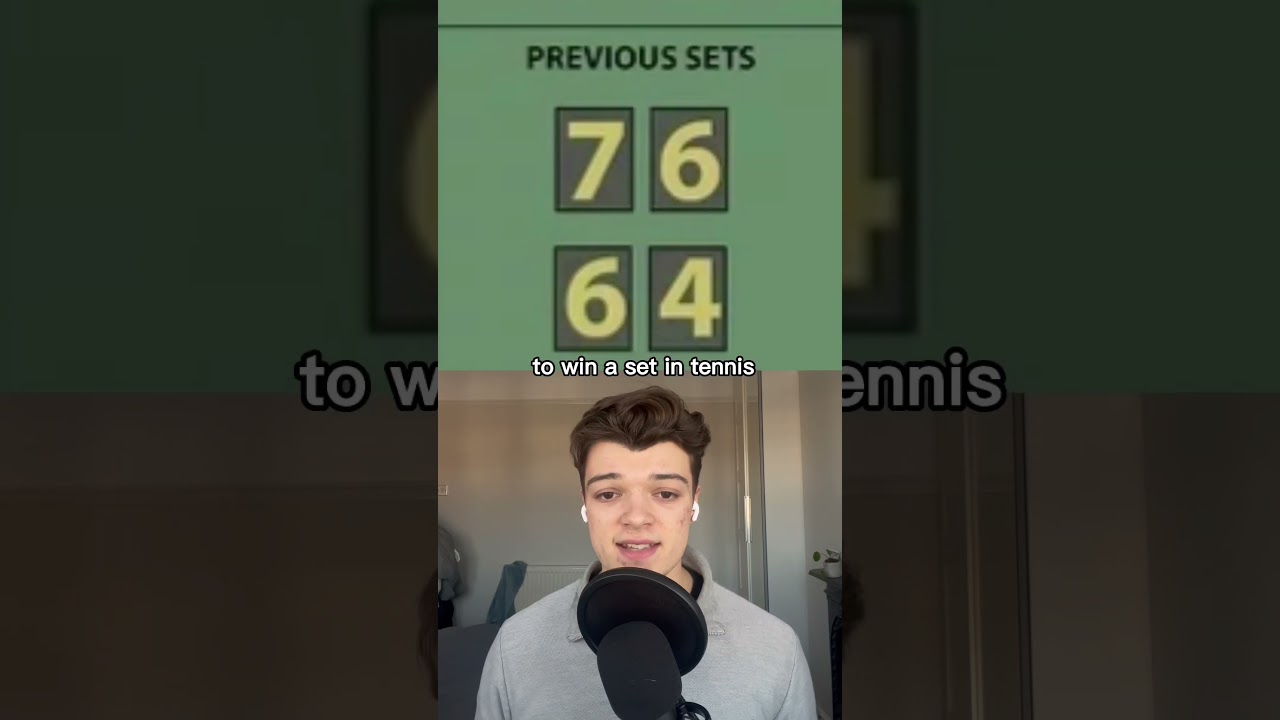
  • To win a set: A player must win at least 6 games and be ahead by at least 2 games (e.g., 6-4).
  • Tie-break: If the set score reaches 6-6, a tie-break is played. The first to reach 7 points (with a 2-point lead) wins the set 7-6.
  • To win the match: In most matches (ATP/WTA), it is “best of three” sets. In Men’s Grand Slams, it is “best of five.”

Conclusion

Tennis scoring might seem eccentric at first—especially the use of “Love”—but it follows a very logical progression. From 15 to 40, and from games to sets, the structure ensures the game remains competitive until the very last hit. Now that you understand tennis scores, you are ready to hit the court or watch the next big tournament with full confidence!

Frequently Asked Questions (FAQs)

Q1. Why is zero called “Love” in tennis?

The most common theory is that it comes from the French word “l’oeuf”, meaning “the egg,” because an egg looks like a zero.

Q2. What does “All” mean in tennis scores?

If the score is tied (except for 40-40), the word “All” is used. For example, 15-15 is called “15-All,” and 30-30 is “30-All.”

Q3. What is a “Break Point”?

A break point occurs when the player who is receiving the serve is just one point away from winning the game. Breaking the opponent’s serve is a major advantage in tennis.

Q4. Is tennis scoring different for doubles?

The basic scoring (15, 30, 40) remains the same. however, in some professional doubles matches, a “No-Ad” (No Advantage) rule is used where the winner of the next point after deuce wins the game instantly.

Confused by “Deuce” or “Ad In” on the tennis court? You’re not alone! This quick YouTube Short gives adult beginners the essential definitions for tennis scoring terms you need to know.

You’ll be able to use the terms:

Game
Deuce (and “40 all”)
Ad In
Ad Out
Set
Match

Watch now to instantly understand the lingo and play with more confidence!

Watch Next: Your First Tennis Match Explained! ▶️

🔔 Tap that subscribe button @playopencourttennis for more beginner tennis tips and rule breakdowns that make learning tennis simple! We’re here to help you play with confidence!

🎾 Any age. Every stage. Tennis for all.

#tennisscoring #tennisrules #tennisforbeginners #learntennis #tennisbasics #beginnertennis #tennistips #tennistip #playtennis #howtoplaytennis

Field Hockey Scoreboard Guide: How to Operate and Track Scores


Field Hockey Scoreboard Guide: How to Operate and Track Hockey Scores

Field hockey is more than just a sport in India; it is a legacy. From local school tournaments in Punjab to international matches at the Birsa Munda Stadium, keeping an accurate record of hockey scores is vital for the integrity of the game. Whether you are a volunteer at a local club or a dedicated sports administrator, understanding how to operate a field hockey scoreboard is essential.

Understanding the Modern Field Hockey Scoreboard

Gone are the days of simple wooden flip-cards. Modern hockey matches in India now utilize digital LED scoreboards. These units track three primary metrics: Goals, Periods, and Time remaining. In field hockey, matches are divided into four quarters of 15 minutes each. A professional scoreboard must be able to handle these intervals accurately.

Key Components of the Scoreboard

  • The Clock: Displays the countdown for each quarter. It must be paused during injuries or substitutions if the umpire signals.
  • Score Counter: Tracks the number of goals for the ‘Home’ and ‘Away’ teams.
  • Quarter Indicator: Shows whether the game is in Q1, Q2, Q3, or Q4.
  • Penalty Cards: Some advanced boards have sections for Green, Yellow, and Red card timers.

How to Operate the Scoreboard During a Match

Operating a scoreboard requires constant communication with the technical table and the on-field umpires. Here is a step-by-step guide:

1. Pre-Game Setup

Before the whistle blows, ensure both team names are correctly entered. Reset the clock to 15:00 and ensure the score is 0-0. In India, local matches often use “Team A” and “Team B” if digital naming isn’t available.

2. Tracking the Action

When an umpire points to the center circle after a goal, update the hockey scores immediately. It is crucial to wait for the umpire’s official signal, as video referrals (in high-level matches) might overturn a goal.

3. Managing the Clock

The operator must be sharp. In the final minute of each quarter, the timing becomes critical. If a Penalty Corner (PC) is awarded just before the buzzer, the period may be extended to allow the PC to be completed. The scoreboard operator must know not to end the period until the PC play is dead.

The Importance of Accurate Manual Record Keeping

While digital boards are efficient, always maintain a manual scoresheet. In Indian humidity and outdoor conditions, electronic failures can happen. A manual sheet should track goal scorers (jersey numbers) and the exact minute the goal was scored. This ensures that the official hockey scores are undisputed at the end of the day.

Conclusion

Accurate score tracking is the backbone of any competitive field hockey match. Whether you are using a high-tech LED display or a manual board at a school ground, the goal remains the same: precision. By following this guide, you can ensure that the focus remains on the athletes’ performance while the hockey scores are recorded flawlessly for fans and officials alike.

Frequently Asked Questions (FAQs)

1. How many quarters are there in a standard field hockey match?

A standard match consists of four 15-minute quarters, totaling 60 minutes of playing time.

2. What happens to the scoreboard during a Penalty Shoot-out?

In the event of a draw in knockout matches, the scoreboard is reset. Scores are then tracked based on the best-of-five format for the shoot-out.

3. Does the clock stop automatically for a Penalty Corner?

In international rules (FIH), the clock stops for 40 seconds after a Penalty Corner is awarded to allow teams to set up. Local Indian tournaments may follow modified rules depending on the organizers.

4. What is the “Stop-Clock” rule in field hockey?

The clock is usually stopped for injuries, the awarding of cards, or when the umpire signals a deliberate time-out.

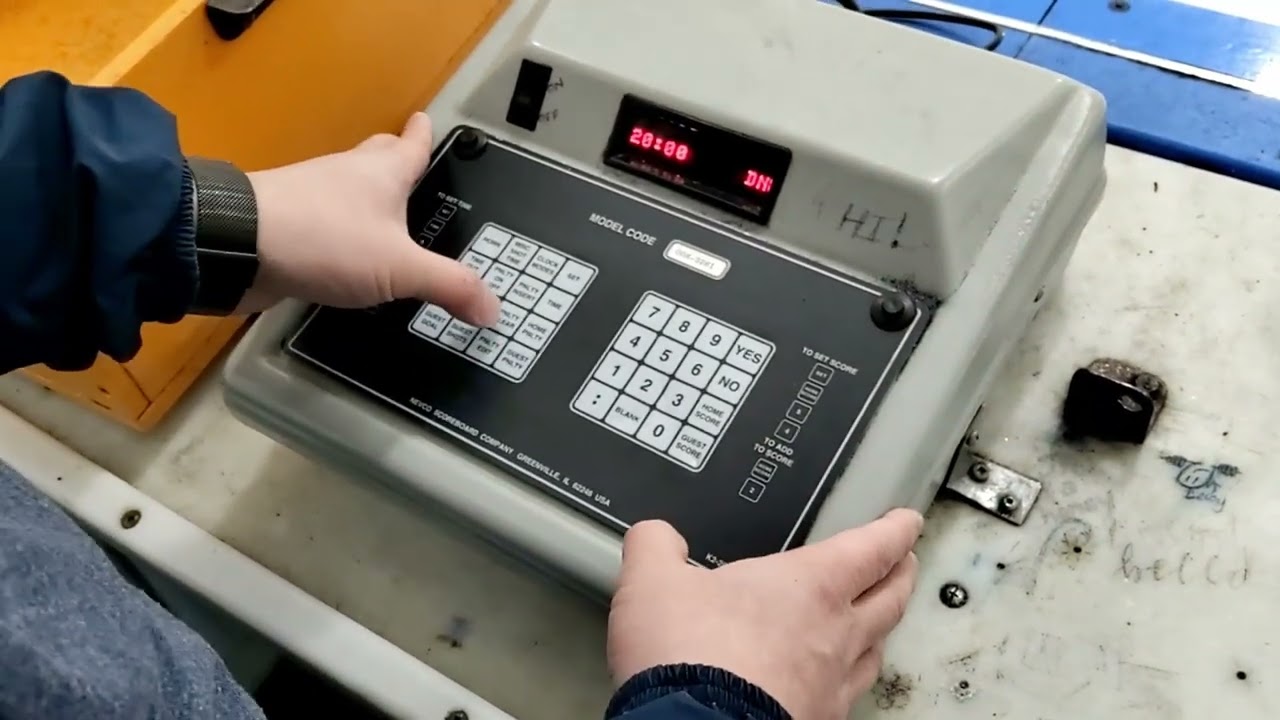
Quick tutorial on a score clock you would find in most hockey rinks.

Chapters:
0:00 Turning on
0:23 Set Time
1:00 Set Penalties
1:27 Clear Penalties
1:40 Clearing Multiple Penalties
2:25 Adding Goals

Best Nutmeg Brands in India: Pure Jaiphal Quality and Price Guide 2024


Best Nutmeg Brands in India: Pure Jaiphal Quality and Price Guide 2024

In the vibrant culinary landscape of India, where every spice tells a story, Nutmeg—known locally as Jaiphal—holds a position of prestige. Much like a high-stakes football match where a single striker can change the entire game, a pinch of high-quality Nutmeg can transform a mundane dish into a gourmet masterpiece. Whether you are seasoning a Mughlai curry or preparing a healthy post-match meal, choosing the right brand is crucial.

Why Quality Nutmeg is Like a Star Striker

In football, precision and power are everything. Similarly, in the kitchen, the potency of Jaiphal depends on its essential oils (myristicin). Poor quality nutmeg is like a team with no defense—it lacks depth and fails to deliver under pressure. Premium Nutmeg brands in India ensure that you get the full aromatic profile, providing health benefits that range from improved digestion to better sleep cycles.

Top 5 Nutmeg (Jaiphal) Brands in India: 2024 Rankings

Based on purity, aroma, and value for money, here are the top picks for the 2024 season:

1. Catch Spices (The Consistent All-Rounder)

Catch is the “Midfielder” of the spice world. It is reliable and widely available. Their Nutmeg powder is cool-ground to retain natural oils.

Price Range: ₹70 – ₹90 per 50g.

2. Everest Spices (The Fan Favorite)

With a legacy as long as a legendary football club, Everest offers Jaiphal that is consistently high in quality. It is perfect for everyday Indian households.

Price Range: ₹65 – ₹85 per 50g.

3. Keya (The Premium Professional)

If you are looking for international standards, Keya is your “Star Striker.” They offer whole nutmeg and grinders that provide a fresh, intense aroma akin to a last-minute winning goal.

Price Range: ₹150 – ₹200 for premium packs.

4. Tata Sampann (The Technologically Advanced)

Tata Sampann uses scientific sourcing methods to ensure every nut is uniform in quality. It’s like a team using VAR—unbiased and guaranteed quality.

Price Range: ₹80 – ₹110 per pack.

5. Organic Tattva (The Natural Defender)

For those who prefer a “clean game,” Organic Tattva provides Jaiphal free from chemical pesticides. It’s the healthy choice for fitness enthusiasts and athletes.

Price Range: ₹120 – ₹160 per 100g.

A Quick Price Comparison Guide 2024

Brand NameFormatApprox. Price (2024)Best For
CatchPowder₹75Regular Cooking
KeyaWhole/Grinder₹180Continental Dishes
Organic TattvaWhole Nut₹140Health Conscious Users

Note: Prices may vary based on your location in India and current e-commerce discounts.

Nutmeg and Fitness: The Football Connection

Did you know that many Indian footballers and athletes include Jaiphal in their diet? Its anti-inflammatory properties help in muscle recovery after a grueling 90-minute match. Mixing a bit of Nutmeg powder in warm milk acts as a natural relaxant, ensuring the body recovers during sleep, making you ready for the next “kick-off.”

Conclusion

Choosing the best Nutmeg brand in India is about balancing quality, aroma, and price. Whether you prefer the accessibility of Everest or the organic purity of Organic Tattva, ensuring you use authentic Jaiphal is key to both culinary success and health. Just as a football coach selects the best playing XI, you should select spices that bring the best out of your ingredients. For 2024, focus on brands that offer “Cool Grinding” technology and transparent sourcing.

FAQs: Best Nutmeg in India

Q1: Why is whole Nutmeg better than powder?
A: Like a live football match vs a highlight reel, whole Nutmeg preserves the “live” oils and flavors longer. Grating it fresh provides a much stronger aroma.

Q2: Is Jaiphal good for athletes?
A: Yes, it helps in reducing joint pain and inflammation, which is common among football players and runners.

Q3: Which state in India produces the best quality Nutmeg?
A: Kerala is the powerhouse of Nutmeg production in India, often referred to as the “home ground” for high-quality Jaiphal.

Q4: How can I check if my Nutmeg is pure?
A: Pure Nutmeg should feel heavy for its size and have a strong, slightly sweet, and pungent aroma when scratched.

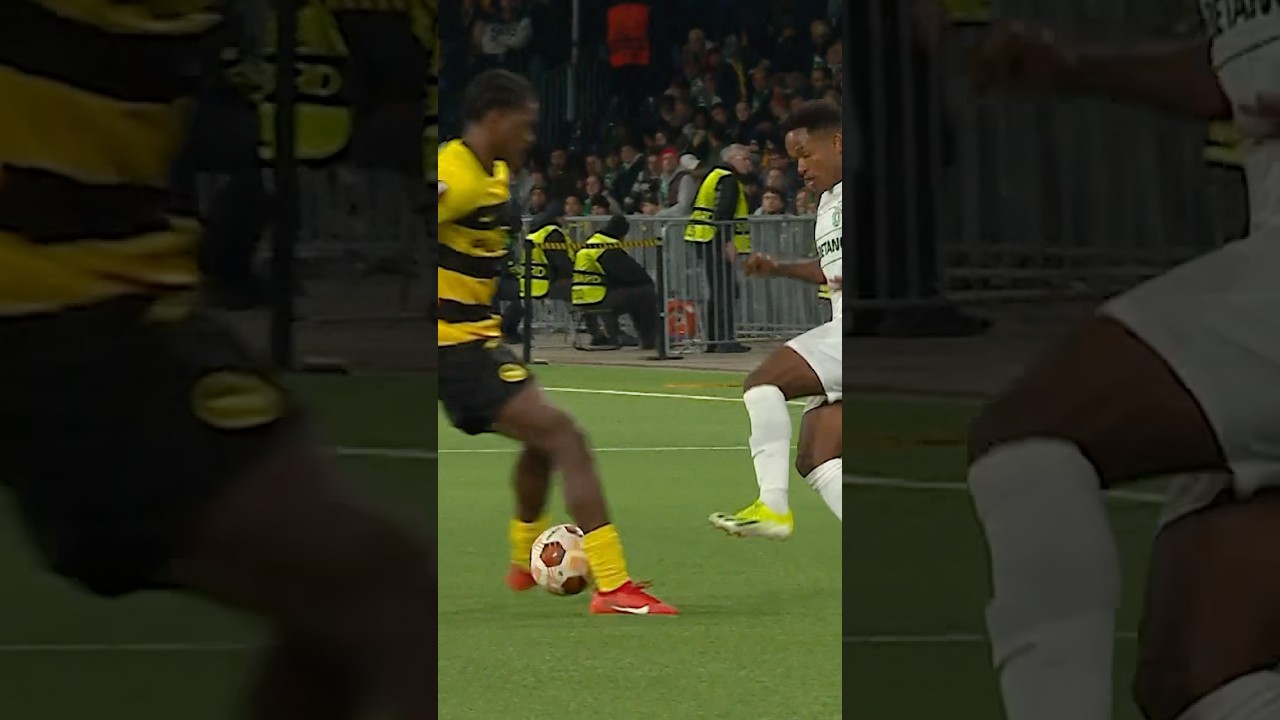
Is this one of the best nutmegs you’ve ever seen?

#europaleague #uefa #soccer

📺 Watch more at: https://www.uefa.tv/
▶️ Subscribe to UEFA on YouTube at: https://bit.ly/UEFA_YT
💬 Follow us on Facebook at: https://bit.ly/FB_UEFA
💻 Visit our Website at: https://www.uefa.com/

NHL 26 Scoring Guide: Tips & Tricks for Indian Hockey Fans #NHL26


NHL 26 Scoring Guide: Tips & Tricks for Indian Hockey Fans

In India, the love for field hockey is legendary. However, a new wave of sports enthusiasts is shifting their focus toward the fast-paced, high-intensity world of ice hockey through NHL 26. Whether you are a fan of the Indian national field hockey team looking to try the digital ice or a hardcore gamer, mastering the art of putting the puck in the net is essential.

With the latest updates in physics and AI, scoring in NHL 26 requires more than just button mashing. This guide will help you understand the dynamics of hockey scores and provide actionable tips to dominate the rink.

Mastering the New Skill Moves in NHL 26

NHL 26 introduces enhanced “Skill Stick” mechanics that allow for more fluid movements. For Indian fans used to the intricate stickwork of field hockey, these digital dekes will feel surprisingly intuitive. To increase your scoring efficiency, focus on the ‘One-Touch’ dekes. By timing your right-stick movements as you approach the goalie, you can frost the defender and open up the top shelf of the net.

Understanding the “Slot” for High Hockey Scores

In ice hockey, the “slot” is the area directly in front of the goaltender between the face-off circles. Most high-percentage hockey scores come from this zone. To score consistently:

  • Cycle the Puck: Don’t just rush the net. Move the puck from the boards to the point (near the blue line) to draw defenders out of position.
  • The Cross-Crease Pass: This remains the most lethal way to score. Passing the puck across the front of the goal forces the goalie to move laterally, leaving the net wide open for a tap-in.

Utilization of X-Factors

For Indian gamers, choosing the right players is key. NHL 26 features “X-Factors”—special abilities assigned to elite players. Look for players with the ‘Make It Snappy’ or ‘Shock and Awe’ abilities. These boosts improve shot accuracy and power while skating, making it much easier to beat world-class goalies.

The Power of the One-Timer

Just like a “hit” in field hockey, the one-timer in NHL 26 is all about timing and power. When your teammate has the puck on the wing, hold the ‘Up’ command on the right analog stick before the pass reaches your player. This ensures a powerful first-time shot that leaves the goalie with no time to react. Mastering this technique is the fastest way to climb the global leaderboards.

Conclusion

Transitioning from the dusty fields of India to the frozen rinks of NHL 26 is an exhilarating journey for any sports fan. By mastering the slot, utilizing player X-Factors, and perfecting your one-timers, your hockey scores will see a massive boost. Remember, practice makes perfect—so head into the Free Skate mode and test these #NHL26 tips today!

Frequently Asked Questions (FAQs)

1. Is NHL 26 available for play in India?

Yes, NHL 26 is available in India on major gaming platforms including PlayStation 5 and Xbox Series X/S through digital stores like the PlayStation Store and Microsoft Store.

2. How is ice hockey different from Indian field hockey in gaming?

While the objective is the same, ice hockey is significantly faster, allows physical body checking, and uses a puck instead of a ball. In NHL 26, you also have to manage “skating momentum,” which isn’t a factor in field hockey.

3. What is the best camera angle for beginners to see hockey scores clearly?

The ‘Overhead’ or ‘Zone’ camera angles are highly recommended. These views give you a better perspective of the entire rink, making it easier to spot open teammates for a goal.

4. Can I play as an Indian team in NHL 26?

While the Indian National Ice Hockey team is not featured in the base game, you can use the ‘Creation Zone’ to create custom players and teams with Indian jerseys and logos to represent your heritage!

Every Cricket Player Must Master This Basic Shot: A Beginner’s Guide


Every Cricket Player Must Master This Basic Shot: A Beginner’s Guide

In a sports-crazy nation like India, cricket isn’t just a game; it is an emotion. Whether you are playing with a heavy tennis ball in a narrow gully or training with a leather ball at an academy, your journey to becoming a solid batter starts with one fundamental move. While the T20 era has popularized the “Scoop” and the “Reverse Sweep,” every coach across the country will tell you the same thing: you must first master the Straight Drive.

The Essence of the Straight Drive

The straight drive is often called the “Bread and Butter” of legendary Indian cricketers like Sunil Gavaskar and Sachin Tendulkar. It is a shot played to a full-pitched delivery, hitting the ball back past the bowler toward the sight-screen. Why is it the most important shot? Because it promotes a high elbow, a straight bat, and perfect balance—the three pillars of successful batting.

Steps to Master the Straight Drive

  • The Stance: Keep your feet shoulder-width apart and stay relaxed. Your head should be still and eyes level.
  • The Trigger Movement: As the bowler releases, lean your front shoulder toward the line of the ball.
  • The Contact: Meet the ball directly under your eyes. Ensure your front elbow points toward the bowler.
  • The Follow-through: Do not stop the bat abruptly. Let the bat swing through the line of the ball towards the target.

Mastering this shot prevents you from “playing across the line,” which is the primary reason beginners get out LBW or Bowled. Once you control the straight drive, shots like the cover drive and the flick become infinitely easier to execute.


Beyond the Pitch: Keeping Up with Hockey Scores

While cricket dominates the headlines, Indian sports fans are increasingly turning their attention back to our national pride: Field Hockey. With the Indian National Team performing exceptionally well on the global stage, staying updated with hockey scores has become a daily ritual for many.

Whether it is the FIH Pro League, the Asian Champions Trophy, or domestic leagues, the intensity on the turf is unmatched. For Indian fans, tracking hockey scores is no longer just about the final result; it’s about watching the tactical evolution of our players who are bringing back the golden era of Indian hockey. If you are a cricket fan looking for a second sport to follow, the fast-paced nature of a 60-minute hockey match offers a thrilling alternative.

Conclusion

To succeed in cricket, you don’t need to start with fancy hits. You need a foundation built on the straight drive. It teaches you discipline and technique that lasts a lifetime. Similarly, as a well-rounded Indian sports enthusiast, diversifying your interests by following hockey scores and supporting our athletes in different arenas enriches the sporting culture of the country. Grab your bat, practice that high elbow, and don’t forget to cheer for the Men in Blue—both on the pitch and the turf!


Frequently Asked Questions (FAQs)

1. Which cricket shot is the hardest to master?

Many experts believe the Straight Drive is the hardest to master perfectly because it requires precise timing and a very straight bat face to avoid catching the edge.

2. How can I improve my batting balance?

Focus on your head position. If your head falls over to the off-side, your balance will be disrupted. Keep your weight on the balls of your feet.

3. Where can I find real-time hockey scores in India?

You can track live hockey scores on the official FIH website, the Hockey India app, or popular sports platforms like ESPN and Flashscore.

4. Why is the “elbow up” position important in cricket?

A high front elbow ensures that the bat comes down in a straight line. If the elbow drops, the bat tends to slice across the ball, increasing the risk of a catch.

Tennis Rules: A Complete Guide to Scoring and Gameplay for Beginners


Tennis Rules: A Complete Guide to Scoring and Gameplay for Beginners

Tennis is one of the most popular individual sports in India, thanks to the legacy of legends like Leander Paes, Mahesh Bhupathi, and Sania Mirza. Whether you are heading to a local club in Mumbai or a public court in Delhi, understanding the tennis rules and the unique tennis scores system is the first step toward enjoying the game.

The Basics: Equipment and Court

Tennis is played on a rectangular court, which can be grass, clay, or hard court (the most common in India). The game is played as ‘Singles’ (one-on-one) or ‘Doubles’ (two-on-two). To start, you need a racket and a yellow felt-covered ball. The objective is simple: hit the ball over the net and into the opponent’s court in a way that they cannot return it.

Understanding Tennis Scores: The 15, 30, 40 System

The most confusing part for beginners is often the scoring. Unlike cricket or football, tennis uses a specific set of terms:

  • 0 Points: Referred to as “Love”.
  • 1st Point: 15
  • 2nd Point: 30
  • 3rd Point: 40
  • 4th Point: Game (End of the game)

If both players reach 40-40, it is called a Deuce. From here, a player must win two consecutive points to win the game. The first point won after deuce is called “Advantage.” If that player wins the next point, they win the game. If they lose it, the score returns to Deuce.

The Structure: Game, Set, and Match

To win a match, you need to navigate through three layers of scoring:

  1. Games: Usually, you need to win 6 games to win a set, but you must lead by at least 2 games (e.g., 6-4).
  2. Sets: Most matches are “Best of Three” sets. In Grand Slams, men’s matches are “Best of Five.”
  3. Tie-break: If the game score reaches 6-6 in a set, a tie-break is played to decide the winner of that set. In a tie-break, points are counted numerically (1, 2, 3…).

Basic Gameplay Rules

Every point starts with a Serve. The server must stand behind the baseline and hit the ball into the diagonal service box on the opponent’s side. You get two chances (First Serve and Second Serve). If both hit the net or land outside, it’s a “Double Fault,” and your opponent gets the point.

During a rally, the ball must stay within the boundary lines. If the ball touches the line, it is considered “In.” In singles, you use the inner side-lines; in doubles, the court “widens” to the outer lines (the alleys).

Conclusion

While the tennis rules might seem complex at first glance—especially the “Love” and “Deuce” terminology—they become second nature once you hit the court. Tennis is a fantastic way to stay fit and build mental discipline. Now that you understand how tennis scores work, grab a racket and start practicing your serve!

Frequently Asked Questions (FAQs)

1. Why is zero called “Love” in tennis?

While the exact origin is debated, many believe it comes from the French word “l’oeuf,” meaning egg, which represents the shape of a zero.

2. What is a “Let” in tennis?

A “Let” occurs if a serve hits the net but still lands in the correct service box. The point is replayed without any penalty.

3. How long does a typical tennis match last?

In a best-of-three format common in India, a match usually lasts between 1 to 2 hours, depending on the skill level of the players.

4. Can I play tennis if I am a complete beginner?

Absolutely! Tennis is highly accessible in India. Most sports complexes offer coaching for beginners to help master the basic strokes like the forehand and backhand.

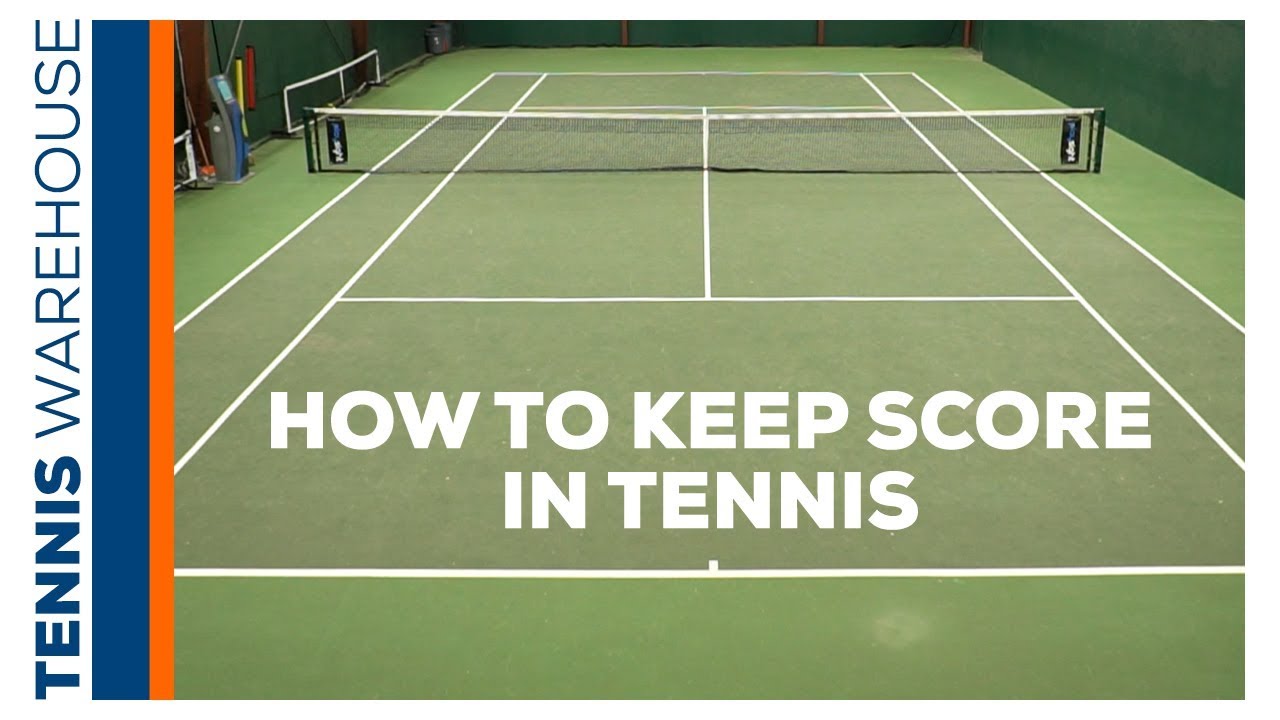
Are you new to the game of tennis? Looking for a quick and easy guide to understanding how tennis scoring works? Coach Joseph has got you covered with this comprehensive video. You’ll benefit from his straightforward explanation of tennis scoring.

Visit The Play! Tennis Blog

Junior Ice Hockey Goalie Gear Size Guide: India Buying Tips


Junior Ice Hockey Goalie Gear Size Guide: India Buying Tips

Ice hockey is a rapidly growing sport in India, particularly in regions like Ladakh, Himachal Pradesh, and Uttarakhand. As more young athletes step into the crease, selecting the right equipment becomes vital. Being an ice hockey goalie is one of the most demanding roles in sports, and for a junior player, proper fit is the difference between a great save and a potential injury.

This guide provides essential tips for Indian parents and players on how to size junior goalie gear correctly, considering the unique challenges of availability and climate in the Indian market.

1. Measuring Leg Pads (The Goalie’s Shield)

Leg pads are the most iconic part of goalie gear. For junior players, the most common mistake is buying pads that are too large, hoping the child will “grow into them.” This hampers mobility and technique.

  • How to Measure: Measure the distance from the floor to the center of the kneecap (while slightly bent) and from the kneecap to the mid-thigh.
  • The “At-Home” Test: When the player puts the pads on, their knee must land directly in the center of the knee cradle. If the knee is too low, the pads are too big.

2. Catch Gloves and Blockers

A junior goalie needs to feel the puck. In India, where gear is often imported, sizes usually follow “Junior” or “Youth” categories.

  • The Blocker: There should be no more than half an inch of space between the fingertips and the end of the glove. A blocker that is too big will rotate on the hand during a save.
  • The Catch Glove: The player should be able to close the glove comfortably. Ensure the wrist strap can be tightened enough to secure the glove to a smaller wrist.

3. The Goalie Mask (Helmet)

Safety is paramount. A goalie mask must fit snugly around the entire head with no gaps.
Pro Tip for India: Since you might be playing on outdoor rinks in high altitudes (like Leh), ensure the internal foam doesn’t become too brittle in extreme cold. Always check for the HECC or CSA certification stickers on the back.

4. Buying Tips for the Indian Market

Finding ice hockey gear in India can be tricky. Here are a few strategic tips:

  • Check Local Foundations: Organizations like the Ice Hockey Association of India (IHAI) often have equipment registries or second-hand gear programs.
  • Importing Considerations: If ordering from abroad, factor in “Customs Duty.” Junior gear is often lighter, which can help save on international shipping costs.
  • The Layering Factor: Since many Indian rinks are outdoors, ensure the chest protector and pants have enough room to accommodate a thin thermal base layer without restricting movement.

Conclusion

Choosing junior ice hockey goalie gear requires a balance between protection, mobility, and growth room. In the Indian context, where the sport is evolving, investing in the right size ensures that young “wall-builders” stay safe and develop the correct habits on the ice. Remember, a well-fitted goalie is a confident goalie. Always prioritize the fit of the knee cradle and the helmet above any aesthetic preference.


Frequently Asked Questions (FAQs)

1. What age group is “Junior” gear for?

Generally, Junior gear is designed for players aged 8 to 12 years. However, sizing should always be based on physical measurements (height and weight) rather than age alone.

2. Can my child use player skates for goaltending?

While beginners in India often start with player skates, it is highly recommended to switch to goalie skates as soon as possible. Goalie skates have a flatter blade for stability and extra reinforcement to protect feet from puck impacts.

3. Where can I buy ice hockey goalie gear in India?

Specialized shops are rare, but you can find gear through the Ladakh Winter Sports Club, certain dealers in Delhi, or by ordering from international retailers that ship to India. Always check for local community gear swaps!

4. How do I know if the chest protector fits?

The chest protector should end at the waistline. If it is too long, it will push the helmet up when the goalie crouches. The elbow pads must stay in place when the arms are moved.

Chace stepped in the crease to help us out 🥅 Here’s how we size up junior goalies to make sure the gear fits right before the season starts. If you need help with fitting your goalie for the season, give us a call or visit us in store! #hockey #hockeygoalie #icehockey #hockeyshop #tendy #hockeysback

Tennis Scoring Rules Explained: A Complete Guide for Beginners


Tennis Scoring Rules Explained: A Complete Guide for Beginners

With the rising popularity of stars like Sumit Nagal and the legacy of legends like Leander Paes and Sania Mirza, more Indians are picking up tennis rackets than ever before. However, for a beginner, the tennis scores system can seem a bit cryptic. Why is the first point “15” and not “1”? What exactly is a “Deuce”?

In this guide, we break down the fundamental tennis scoring rules to help you follow the game on TV or compete on the local courts of Delhi, Mumbai, or Bangalore with confidence.

The Hierarchy of Tennis Scoring

Tennis scoring is divided into four main levels: Points, Games, Sets, and the Match. Think of it like a ladder where you must climb each rung to win.

1. Scoring Points in a Game

Instead of the traditional 1, 2, 3, 4, tennis uses a unique numerical system. The points progress as follows:

  • 0 Points: “Love”
  • 1st Point: 15
  • 2nd Point: 30
  • 3rd Point: 40
  • 4th Point: Game (Over)

When announcing the score, the server’s score is always mentioned first. For example, if the server has 30 and the receiver has 15, the score is “30-15”.

2. Deuce and Advantage

If both players reach 40-40, it is called a Deuce. To win a game from a deuce, a player must win two consecutive points:

  • Advantage In (Ad-In): The server wins the next point after deuce.
  • Advantage Out (Ad-Out): The receiver wins the next point after deuce.
  • If the player with the advantage loses the next point, the score returns to Deuce.

Winning a Set

To win a set, a player must win at least six games. However, there is a catch: you must win by a margin of at least two games (e.g., 6-4). If the score reaches 5-5, the set continues. If it reaches 6-6, a Tie-break is played.

The Tie-break

In a tie-break, the scoring switches to 1, 2, 3, etc. The first player to reach 7 points with a 2-point lead wins the game and the set (recorded as 7-6).

Winning the Match

In most professional tournaments and local Indian club matches, tennis is played in one of two formats:

  • Best of Three Sets: The first player to win two sets wins the match. This is the standard for women’s professional matches and most ATP tour events.
  • Best of Five Sets: The first player to win three sets wins. This format is primarily seen in Men’s Singles at Grand Slam events (like Wimbledon or the Australian Open).

Conclusion

While the tennis scoring rules may seem unusual at first glance, they provide the sport with its unique rhythm and high-stakes drama. Whether you are playing a friendly match at your local gymkhana or watching a Grand Slam final, understanding how tennis scores work enhances your appreciation for the tactical depth of the game. Now that you know the basics of Love, 15, 30, and 40, you are ready to hit the court!

Frequently Asked Questions (FAQs)

1. Why is zero called “Love” in tennis?

The most popular theory is that it comes from the French word “l’oeuf,” meaning “the egg,” because an egg looks like a zero. Over time, English speakers mispronounced it as “Love.”

2. What is “No-Ad” scoring?

In some amateur or doubles matches (common in India to save time), “No-Ad” scoring is used. At deuce, a single “sudden death” point is played to decide the game winner.

3. What does “Set Point” and “Match Point” mean?

A set point is a situation where the player leading needs only one more point to win the current set. A match point means they need only one more point to win the entire match.

4. How many sets are played in the Olympics?

In the Olympics, both men and women typically play a best-of-three-sets format to determine the winner.

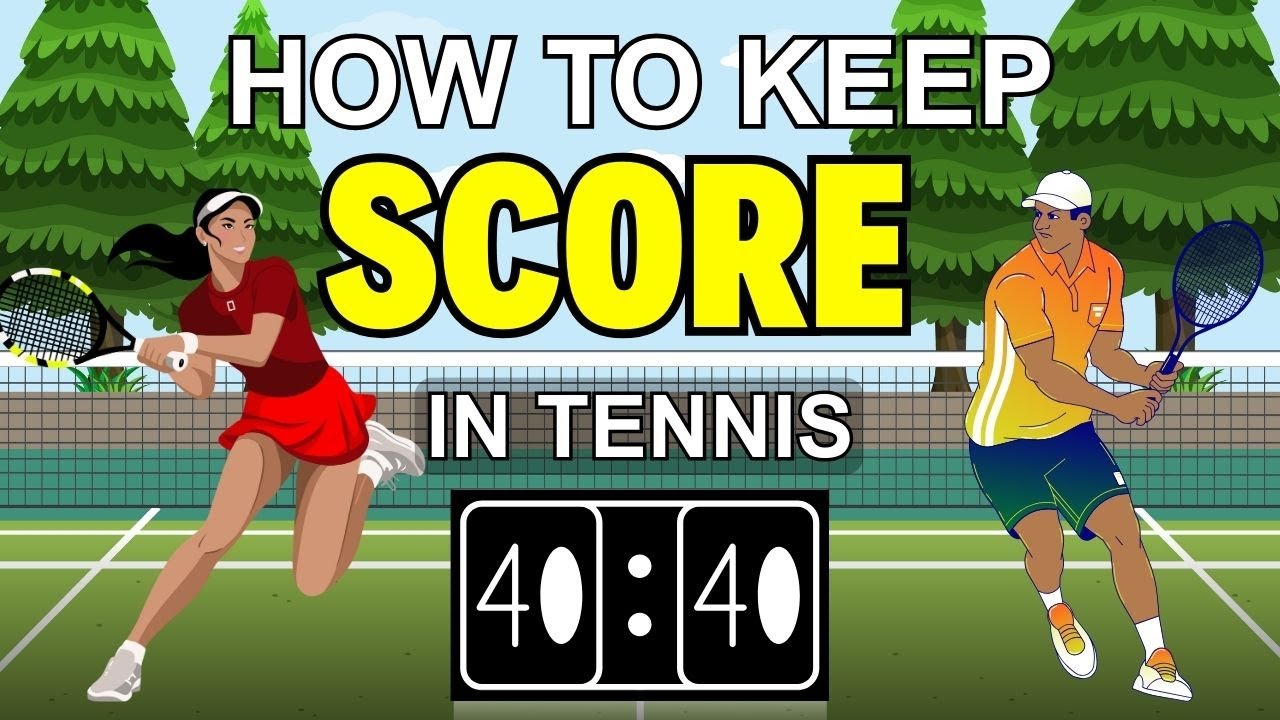
How to keep score in tennis, explained by high school tennis players, Joellen and Rebecca. By JuniorTennisUSA.com – 100% free tennis, by junior players, for junior players. @JrTennisUSA.

You will learn Love – 15 -30 – 40 – Game; ad in and ad out; moving from side to side and when to change sides.

Please see our other instructional videos:

-How to Hit a Backhand
-How to Hit a Forehand
-How to Keep Score in Tennis
-How to Score a Tennis Tiebreaker
-Interviews with top pro players by junior players

Master the NHL 26 Gameplay: Scoring Guide & Strategies for Indian Gamers


Mastering NHL 26 Gameplay: The Ultimate Scoring Guide for Indian Gamers

While field hockey has long been a pride of Indian sports, the digital world of ice hockey is rapidly gaining momentum. With the release of NHL 26, Indian gamers are diving into the fast-paced, high-intensity world of the National Hockey League. Whether you are playing on a PlayStation or Xbox, moving from the turf to the ice requires new strategies. This guide will help you dominate the rink and keep up with live hockey scores.

Understanding the NHL 26 Mechanics

NHL 26 introduces enhanced physics and “Total Control” skill moves that make scoring more intuitive but harder to master against top-tier AI and online opponents. For Indian players used to FIFA or cricket games, the key difference is the momentum. Players move on blades, meaning braking and turning require precise timing.

Top Scoring Strategies for NHL 26

1. Master the “One-Timer”

The one-timer remains the most effective way to beat elite goalies. To execute this, pass the puck across the “slot” (the area directly in front of the goal) and hold the shoot button before the puck reaches your teammate. In NHL 26, the timing window is narrower, but the power is devastating.

2. Use the “Deke” to Create Space

Don’t just skate in a straight line. Use the right analog stick to perform dekes (fakes). For Indian gamers playing on high-latency servers, simple backhand-to-forehand dekes are often more reliable than complex highlight-reel moves. Drawing the goalie out of position is half the battle won.

3. The Point Shot & Rebounds

If the defense is “parking the bus” in front of the net, pass the puck back to your defenders (the point). A low slap shot creates chaos and leads to rebounds. In NHL 26, the improved physics engine means pucks bounce more realistically—be ready to poke the loose puck into the net.

Staying Updated with Live Hockey Scores

To become a better player, you must watch the pros. Following real-world hockey scores helps you understand which teams are currently using effective power-play formations. Since NHL games usually take place early in the morning for Indian viewers (roughly 4:30 AM to 8:30 AM IST), using mobile apps to track live scores and post-game highlights is essential for learning real-world tactics you can replicate in-game.

Conclusion

Mastering NHL 26 is about blending patience with explosive speed. For the Indian gaming community, transitioning from traditional sports games to ice hockey offers a fresh, adrenaline-pumping challenge. By focusing on high-percentage scoring areas, mastering the one-timer, and keeping an eye on real NHL hockey scores to study team strategies, you will be lifting the Stanley Cup in no time.

Frequently Asked Questions (FAQs)

1. Is NHL 26 available in India?

Yes, NHL 26 is available digitally on the PlayStation Store and Xbox Store in India. Physical copies may be harder to find but can be imported through major retailers.

2. What is the best camera angle for scoring in NHL 26?

Most pro players and competitive gamers use the “Overhead” or “Zone” camera view. This allows you to see all your teammates and find open passing lanes more easily.

3. How can I track NHL hockey scores in India?

You can use the official NHL app, ESPN, or Google Sports. Because of the time difference, most Indian fans check the scores first thing in the morning.

4. Do I need a controller to play NHL 26 on PC?

NHL 26 is primarily a console franchise (PS5/Xbox Series X). If you are using remote play on a PC, a controller is highly recommended as the game is designed for dual-analog stick movement.

Top 5 Youth Hockey Teams in the USA: A Guide for Indian Fans


Top 5 Youth Hockey Teams in the USA: A Guide for Indian Fans

While field hockey has a golden history in India, the world of ice hockey is rapidly gaining traction among Indian sports enthusiasts. The speed, physicality, and skill of the game are captivating. If you are an Indian fan looking to understand the powerhouse of future NHL stars, you must look at the United States youth system.

In the USA, “Youth Hockey” often refers to elite Tier 1 programs where players aged 14 to 18 compete at the highest level. Here are the top 5 youth hockey programs in the USA that every Indian fan should know about.

1. Shattuck-St. Mary’s (Faribault, Minnesota)

Often called the “Hogwarts of Hockey,” Shattuck-St. Mary’s is arguably the most famous prep school program in the world. For an Indian fan, think of this as the ‘National Hockey Academy’ equivalent. It is the alma mater of legends like Sidney Crosby and Nathan MacKinnon. Their specialized training facilities and academic integration make them the gold standard for player development.

2. Chicago Mission (Chicago, Illinois)

The Chicago Mission is a perennial powerhouse in the High Performance Hockey League (HPHL). They are known for their incredible consistency in producing professional talent. The Mission focuses on high-intensity skill development, making them one of the toughest teams to beat in national championships. If you enjoy watching tactical, disciplined hockey, this is the team to follow.

3. Compuware (Detroit, Michigan)

Based in the legendary “Hockeytown” of Detroit, Compuware has a rich legacy. Founded by Peter Karmanos Jr., this program has funneled countless players into the NHL. They emphasize a blue-collar work ethic—grit and stamina—attributes that resonate deeply with the hardworking spirit of Indian sports fans.

4. Little Caesars (Detroit, Michigan)

Another giant from Michigan, Little Caesars Hockey Club is backed by the Ilitch family (who also own the Detroit Red Wings). They are famous for their elite coaching staff and state-of-the-art facilities. Their rivalry with Compuware is one of the most intense in youth sports, offering the kind of high-stakes drama that Indian fans love in sports like cricket or field hockey.

5. Mount St. Charles Academy (Woonsocket, Rhode Island)

Located on the East Coast, Mount St. Charles is a legendary name in American hockey history. They once held a record for 26 consecutive state championships. In recent years, they have transitioned into a world-class academy model, attracting top-tier international talent. They represent the perfect blend of tradition and modern sports science.

Conclusion

Understanding the elite youth hockey landscape in the USA gives Indian fans a glimpse into the future of the sport. These five programs—Shattuck-St. Mary’s, Chicago Mission, Compuware, Little Caesars, and Mount St. Charles—are the factories producing the next generation of global icons. As ice hockey continues to grow in regions like Ladakh and Himachal Pradesh, these American models serve as an inspiring blueprint for development.

Frequently Asked Questions (FAQs)

1. Is ice hockey different from field hockey played in India?

Yes, significantly. Ice hockey is played on an ice rink using skates and a rubber puck, whereas Indian field hockey is played on turf or grass with a ball. Ice hockey is much faster and allows physical body checking.

2. At what age do these youth teams start?

While programs exist for kids as young as 5, the “Elite” or “Tier 1” levels usually focus on the 14U (Bantam), 15U, 16U, and 18U (Midget) age groups.

3. Can Indian students apply to these US hockey academies?

Yes. Academies like Shattuck-St. Mary’s accept international students. However, the selection process is extremely competitive and usually requires a high level of pre-existing skill.

4. Where can I watch these youth games in India?

Many elite youth tournaments (like the USA Hockey Nationals) are streamed on specialized platforms like HockeyTV (now FloHockey) or via the teams’ official YouTube channels.

5. Which state in the USA is the best for hockey?

Minnesota and Michigan are traditionally considered the “heartlands” of American hockey due to their cold climates and deep-rooted hockey culture.

Tennis Scoring Rules Explained: Simple Guide for Beginners in India


Tennis Scoring Rules Explained: A Simple Guide for Beginners in India

Tennis is rapidly gaining popularity across India. From the clay courts of local clubs to the iconic grass of Wimbledon watched on TV, the game is thrilling but can be confusing for a newcomer. If you have ever wondered why the commentator says “Love” instead of zero or why 40 isn’t the final point, this guide is for you.

Understanding tennis scores is the first step to enjoying the game, whether you are playing at a local academy in Delhi or tracking Sania Mirza and Rohan Bopanna’s legacy. Let’s break down the system into simple steps.

1. The Four Points: 15, 30, 40, and Game

In a standard game of tennis, the scoring doesn’t go 1, 2, 3. Instead, it follows a unique sequence:

  • Love: 0 points
  • 15: 1 point won
  • 30: 2 points won
  • 40: 3 points won
  • Game: 4 points won (and you win the game)

Note: The server’s score is always called out first. If the server has 30 and the receiver has 15, the score is “30-15”.

2. Deuce and Advantage

What happens if both players reach 40-40? This is called a Deuce. To win from a deuce, a player must win two consecutive points:

  1. Advantage: The player who wins the first point after deuce gets the “Advantage.”
  2. If that same player wins the next point, they win the Game.
  3. If they lose the point, the score goes back to Deuce.

3. From Games to Sets

Tennis scoring is hierarchical. Winning points helps you win a Game, and winning Games helps you win a Set.

  • To win a Set, a player must win at least six games.
  • There must be a margin of at least two games (e.g., 6-4).
  • If the set reaches a 6-6 tie, a Tie-break is played to decide the winner (7-6).

4. Winning the Match

In most professional tournaments (ATP/WTA) and local Indian tournaments:

  • Best of Three Sets: The first person to win two sets wins the match. Most women’s matches and regular men’s matches follow this format.
  • Best of Five Sets: Common in Men’s Grand Slams (like Wimbledon or the French Open), where the first to win three sets wins.

Conclusion

While tennis scores might seem complicated at first with terms like “Love” and “Deuce,” they follow a logical rhythm once you hit the court. Whether you are practicing your serve in Mumbai or watching a high-stakes match, knowing these rules makes the sport much more engaging. Tennis is a game of mental strength and physical endurance—now that you know the rules, it’s time to pick up a racket!

Frequently Asked Questions (FAQs)

1. Why is zero called “Love” in tennis?

The most popular theory is that it comes from the French word “l’oeuf,” meaning “the egg,” because an egg looks like a zero. Over time, it was anglicized to “Love.”

2. What is a “Golden Set” in tennis?

A Golden Set occurs when a player wins a set without losing a single point (24 points to 0). This is extremely rare in professional tennis.

3. Is a tie-break scored differently?

Yes. In a tie-break, points are counted simply as 1, 2, 3, etc. The first person to reach 7 points with a 2-point lead wins the set 7-6.

4. Are tennis rules the same in India as internationally?

Yes, the All India Tennis Association (AITA) follows the International Tennis Federation (ITF) rules, so the scoring is identical globally.

5. What does “All” mean (e.g., 15-All)?

If both players have the same number of points, the score is followed by “All.” Example: 15-15 is called “15-All.” However, 40-40 is exclusively called “Deuce.”

“Love, 15, 30, 40… wait, what?

Tennis scoring can feel confusing at first, but once you learn the system, it makes perfect sense.

In this video, I’ll walk you through how to keep score in tennis step by step:
– Points within a game (Love, 15, 30, 40, Deuce, Advantage)
– Games within a set
– How tiebreakers work
– When to switch sides
– The history behind tennis scoring and why it uses such unusual numbers

By the end, you’ll be able to follow any match—whether you’re just starting out, watching the pros, or playing your first match yourself.

Watch next: How to Play a Tiebreaker (coming soon)
————–
Want your own Pace S Pro Ball Machine?
Use my link below for a discount and to help support the channel:

Code for 5% off: Alfred

Hockey Skates Sharpening Guide: How to Use Green Machine in India #hockey


Hockey Skates Sharpening Guide: How to Use Green Machine in India

Ice hockey is rapidly gaining popularity in India, from the high-altitude rinks of Ladakh to the indoor arenas in Gurgaon and Mumbai. However, maintaining equipment can be a challenge. One of the most critical maintenance tasks for any player is hockey skates sharpening. In India, the “Green Machine” (a portable sharpening jig) is a popular choice for teams and individual players. This guide will walk you through how to use it effectively.

Why Skate Sharpening Matters

When you play hockey, your blades lose their “bite” over time due to friction with the ice and occasional contact with debris. In India, where ice quality can vary, keeping a sharp edge is vital for maneuverability, stopping power, and speed. A dull blade can lead to slips and injuries, especially on harder, outdoor ice surfaces.

What is the “Green Machine”?

The Green Machine is a manual, portable skate sharpening tool often used in regional Indian tournaments. Unlike the heavy industrial grinders found in NHL locker rooms, the Green Machine is affordable and mobile, making it perfect for the Indian hockey circuit. It typically uses a specialized stone or diamond abrasive to hone the skate’s hollow.

Step-by-Step Guide to Using the Green Machine

1. Secure the Skate

Place your hockey skate into the holder or jig. Ensure the blade is facing upwards and is perfectly level. Tighten the clamps so there is zero movement. In the dusty environments often found in India, make sure to wipe the blade clean with a microfiber cloth first.

2. Adjust the Grinding Stone

The “Green Machine” allows you to set the depth of the hollow. Most players prefer a 1/2 inch or 5/8 inch radius. Adjust the stone so it aligns perfectly with the center of the blade. Misalignment will result in uneven edges, which can ruin your skating balance.

3. The Sharpening Process

Apply a small amount of honing oil (if required by your specific model). Start at the “heel” of the blade and pull the machine smoothly toward the “toe.” Use consistent pressure. In India’s humid conditions, ensure the stone is dry and free of rust before starting.

4. Checking the Edges

After 3-4 passes, check the edge. A common Indian “jugaad” or trick is the “fingernail test”—lightly scrape your nail across the edge; if it shaves a thin layer of nail, it’s sharp. However, using an edge-checker tool is more accurate.

5. Deburring

Once sharpened, use a flat whetstone to remove the “burrs” (tiny metal shavings) from the sides of the blade. This ensures a smooth glide on the ice.

Maintenance Tips for Indian Players

  • Dry Your Blades: Because of high humidity in many parts of India, always wipe your blades dry immediately after use to prevent rusting.
  • Use Soakers: Never leave your sharpened skates in hard guards; use cloth “soakers” to wick away moisture.
  • Frequency: Sharpen your skates every 10-15 hours of ice time, or more frequently if playing on gritty natural ice in Ladakh.

Conclusion

Properly sharpened skates are the foundation of a good game. While professional sharpening shops are still limited in India, mastering the Green Machine allows players and coaches to maintain their gear independently. By following this guide, you can ensure your blades are always game-ready, giving you the edge you need on the ice. Keep skating, keep scoring!


Frequently Asked Questions (FAQs)

1. Where can I buy a Green Machine for hockey in India?

You can often find them through specialized sports importers in Delhi or Punjab, or by ordering through international hockey equipment websites that ship to India.

2. How often should I sharpen my skates?

For most Indian players practicing twice a week, sharpening once a month is usually sufficient. However, if you feel your skates “sliding” when you try to turn, it’s time for a sharpen.

3. Can I use the Green Machine on figure skates?

It is generally not recommended. The Green Machine is designed for the specific radius and blade width of hockey skates. Figure skates have different toe picks and blade curves.

4. Is it difficult to learn how to use the Green Machine?

It takes practice. It is recommended to practice on an old, discarded pair of skates before sharpening your main game skates to avoid grinding down the steel incorrectly.

How to Learn Tennis for Beginners: A Complete Guide for Indians (2024)


How to Learn Tennis for Beginners: A Complete Guide for Indians (2024)

In a cricket-crazy nation, tennis has carved out a prestigious profile, thanks to legends like Leander Paes, Sania Mirza, and Rohan Bopanna. Whether you are looking to improve your fitness, join a social club, or nurture a professional dream, learning tennis in India has never been more accessible. This 2024 guide will walk you through everything a beginner needs to know to step onto the court with confidence.

1. Finding the Right Tennis Academy in India

The first step in your journey is choosing a place to play. Most major Indian cities like Delhi, Bengaluru, Mumbai, and Chennai have excellent facilities. You can choose between:

  • Private Academies: Often found in urban hubs, offering professional coaching and clay or synthetic hard courts.
  • Government Sports Complexes: Managed by bodies like the SAI (Sports Authority of India) or state associations, these are highly affordable for beginners.
  • Club Memberships: Gymkhanas and social clubs often have premium courts and a vibrant community of amateur players.

2. Essential Gear for Indian Conditions

Before your first lesson, you need the right kit. Given India’s varied climate, comfort and durability are key.

  • The Racket: As a beginner, look for a “head-light” or “oversized” racket. Brands like Babolat, Wilson, and Yonex are widely available on Indian e-commerce sites. Ensure the grip size is comfortable for your hand.
  • Footwear: Do not use running shoes on a tennis court; they lack lateral support and can damage the surface. Invest in specific “Non-Marking” tennis shoes.
  • Apparel: Opt for moisture-wicking synthetic fabrics to handle the Indian humidity. High-quality cotton is also a local favorite for breathability.

3. Master the Basic Grips and Strokes

Tennis is a game of rhythm and technique. Focus on these three fundamentals in your first month:

  • The Forehand: Usually the strongest weapon. Most modern coaches in India teach the semi-western grip, which helps in generating “topspin”—crucial for keeping the ball in play on hard courts.
  • The Backhand: Beginners usually start with a two-handed backhand for better stability and power.
  • The Serve: The most complex movement. Start with a basic “pancake” serve to get the ball over the net before moving to more advanced technical motions.

4. Physical Fitness and Hydration

Playing tennis in the Indian sun requires stamina. Focus on agility drills and core strength. Most importantly, stay hydrated. With temperatures often crossing 35°C, always carry a bottle of water or an electrolyte drink like electoral or coconut water to prevent heat exhaustion.

Conclusion

Learning tennis in India is a rewarding experience that offers a perfect blend of mental strategy and physical workout. By choosing the right academy, investing in basic gear, and staying consistent with your practice, you can transition from a novice to a confident player within months. Remember, every Grand Slam champion started with a single swing—2024 is your year to take that swing!

Frequently Asked Questions (FAQs)

What is the best age to start learning tennis in India?

While most pros start between ages 5 and 8, tennis is a “sport for a lifetime.” Adults in their 30s, 40s, or even 50s can start playing for fitness and recreation at most Indian clubs.

How much do tennis lessons cost in India?

Prices vary significantly. Government facilities may charge between ₹1,000 to ₹3,000 per month, while elite private academies in metro cities can charge anywhere from ₹5,000 to ₹15,000 per month for group coaching.

Which court surface is best for beginners?

In India, you will mostly find Hard Courts (synthetic) and Clay Courts. Hard courts are great for beginners as the ball bounce is predictable, making it easier to time your shots.

Do I need an expensive racket to start?

No. For a beginner, a racket in the range of ₹2,500 to ₹5,000 is more than sufficient. You can upgrade to professional-grade graphite rackets once you develop your playing style.

Olympic Hockey History & Stats: Guide to NHL & International Records


Olympic Hockey History & Stats: A Comprehensive Guide to NHL and International Records

Ice hockey and field hockey have long been pillars of the Olympic Games, capturing the imaginations of sports fans across the globe. For Indian sports enthusiasts, the word “Olympic Hockey” often invokes the golden era of Dhyan Chand. However, on the global winter stage, Ice Hockey holds a similar prestige, defined by high-speed action and the involvement of NHL superstars. In this guide, we dive into the evolution of Olympic hockey, key stats, and the impact of professional players on the world stage.

The Evolution of Olympic Hockey

While Field Hockey has been a mainstay in the Summer Olympics since 1908 (with India famously winning 8 gold medals), Ice Hockey made its debut at the 1920 Summer Olympics before moving to the inaugural Winter Games in 1924.

Initially, the tournament was dominated by Canada, but the Cold War era saw the rise of the Soviet Union’s “Red Machine.” For decades, the Olympics were strictly for amateur players. This led to the famous 1980 “Miracle on Ice,” where a group of American college students defeated the seasoned Soviet professionals.

The NHL Era: Bringing the Pros to the Ice

A pivotal moment in Olympic history occurred in 1998 at the Nagano Games, when the National Hockey League (NHL) allowed its players to participate for the first time. This transition shifted the Olympics from an amateur showcase to a “Best-on-Best” international spectacle.

  • Nagano 1998: The Czech Republic, led by Dominik Hašek, won gold, proving that NHL participation leveled the playing field.
  • Top Performers: NHL legends like Teemu Selänne (Finland) hold the record for most career points in the Olympics (43 points).
  • Recent Trends: The NHL did not participate in 2018 or 2022 due to scheduling and health concerns, but fans are eagerly awaiting their return in 2026.

Key International Records & Statistics

Understanding the stats helps appreciate the dominance of certain nations. In Ice Hockey, the “Big Six” (Canada, USA, Russia, Sweden, Finland, and the Czech Republic) have historically dominated the podium.

CategoryRecord HolderStatistic
Most Gold Medals (Men’s Ice Hockey)Canada9 Golds
Most Olympic Points (Individual)Teemu Selänne (FIN)43 Points
Most Field Hockey GoldsIndia8 Golds

The Transition of Talent: NHL vs. International Play

The style of play often differs between the NHL and the Olympics. Olympic rinks are traditionally larger (International size) compared to the narrower NHL rinks. This favors skaters with high speed and technical passing over physical “grinding” play. However, in recent years, many Olympic venues have adopted NHL-sized rinks to accommodate professional stars.

Conclusion

Olympic hockey serves as the ultimate bridge between domestic professional leagues like the NHL and national pride. Whether it is the tactical brilliance of Field Hockey where India is finding its resurgence, or the lightning-fast intensity of Ice Hockey, the Olympic records tell stories of grit, national identity, and athletic excellence. As we look toward future games, the potential return of NHL players promises to add another thrilling chapter to this storied history.

Frequently Asked Questions (FAQs)

1. Which country has the most medals in Ice Hockey?

Canada holds the record for the most gold medals in Men’s Ice Hockey (9), while the USA and Canada have been the dominant forces in the Women’s category since its introduction in 1998.

2. When did NHL players first play in the Olympics?

NHL players first participated in the Winter Olympics during the 1998 Nagano Games in Japan.

3. Does India participate in Olympic Ice Hockey?

Currently, India participates primarily in Field Hockey at the Summer Olympics. While India has a national Ice Hockey team, they have not yet qualified for the Winter Olympic Games.

4. Who is the highest scorer in Olympic Ice Hockey history?

Teemu Selänne of Finland holds the record for the most points in Olympic history, with 43 points across six Olympic appearances.

5. Will NHL players be in the 2026 Olympics?

Yes, the NHL, NHLPA, and the IIHF have reached an agreement for NHL players to return to the Winter Olympics in 2026 (Milan Cortina) and 2030.

Tennis Scoring System Explained: Rules & Points Guide for Beginners


Tennis Scoring System Explained: Rules & Points Guide for Beginners

Tennis is one of the most popular individual sports in India, with legends like Leander Paes, Mahesh Bhupathi, and Sania Mirza inspiring millions. However, for a newcomer, understanding tennis scores can be quite confusing. Unlike cricket or football, where points are linear (1, 2, 3…), tennis uses a unique terminology involving “Love,” “Deuce,” and “Sets.”

In this beginner’s guide, we break down the tennis scoring system to help you follow the next Grand Slam or local tournament with ease.

The Three Stages of a Tennis Match

To understand a tennis score, you must look at it as a hierarchy. A match is divided into three main parts:

  • Points: The smallest unit of scoring.
  • Games: Usually won by winning four points.
  • Sets: Won by winning a specific number of games (usually six).

1. Scoring a Game: From Love to Deuce

Instead of saying zero, one, or two, tennis uses specific terms for points within a single game:

  • 0 Points: “Love”
  • 1st Point: 15
  • 2nd Point: 30
  • 3rd Point: 40
  • 4th Point: Game (if the opponent has 30 or less)

What is Deuce and Advantage?

If both players reach a 40-40 score, it is called a Deuce. To win from a deuce, a player must win two consecutive points:

  1. Advantage (Ad): The first point won after a deuce.
  2. Game: If the player with the “Advantage” wins the next point, they win the game. If they lose it, the score returns to Deuce.

2. Winning a Set

To win a Set, a player must win at least six games. However, there is a rule: you must win by a margin of at least two games (e.g., 6-4 or 6-0). If the score reaches 5-5, the set can go to 7-5. If the set reaches a 6-6 tie, a Tie-break is played to decide the winner.

3. Winning the Match

In most professional tournaments (including the ATP and WTA tours), matches are “Best of Three Sets.” The first person to win two sets wins the match. However, in Men’s Grand Slams (like Wimbledon or the French Open), matches are “Best of Five Sets,” meaning the first to win three sets is the victor.

Conclusion

The tennis scoring system might seem traditional and quirky at first—especially using the word “Love”—but once you understand the progression from points to games to sets, it becomes one of the most exciting scoring formats in sports. Whether you are watching a local tournament in Mumbai or the finals of the Australian Open, you now have the tools to track tennis scores like a pro.


Frequently Asked Questions (FAQs)

1. Why is zero called “Love” in tennis?

The most common theory is that it comes from the French word “l’oeuf,” which means “the egg,” symbolizing the shape of a zero. Over time, it was anglicized to “Love.”

2. What is a Tie-break?

A tie-break is played when a set reaches 6-6 in games. In a tie-break, points are counted numerically (1, 2, 3…). The first player to reach 7 points with a 2-point lead wins the set 7-6.

3. Who serves first in a match?

The choice of service or side is determined by a coin toss or a racquet spin before the warm-up begins.

4. Is the scoring different for Doubles?

The basic scoring remains the same. However, in many professional doubles matches, a “Match Tie-break” (to 10 points) is often played instead of a third set to save time.

5. What does “Ad-in” and “Ad-out” mean?

“Ad-in” (Advantage In) means the server has the advantage, while “Ad-out” (Advantage Out) means the receiver has the advantage after a deuce.

Field Hockey Stick Size Guide: How to Choose the Right Length for You


Field Hockey Stick Size Guide: How to Choose the Right Length for You

Field hockey is a sport of precision, pace, and skill. In India, where hockey is a part of our national heritage, choosing the right equipment is the first step toward excellence on the turf. Whether you are aiming for the local club or dreaming of the Olympics, the most critical piece of gear is your stick. But how do you know which size is right for you? A stick that is too long will hinder your control, while one that is too short can lead to back pain.

Why Does the Length of Your Hockey Stick Matter?

In field hockey, the length of your stick affects three main areas: control, reach, and posture. A correctly sized stick allows you to maintain an athletic stance, keeping your eyes on the ball while ensuring your back isn’t strained. If you are a defender, you might prefer a slightly longer stick for extra reach. In contrast, midfielders and forwards often prefer slightly shorter sticks for better dribbling and close-range ball manipulation.

The Standard Measurement Methods

There are two primary ways to determine the right hockey stick size for Indian players:

1. The Hip Method (Best for Beginners)

This is the most common method used in Indian academies. Stand straight with your shoes on. Place the head of the stick on the ground next to your foot. The top of the handle (the end of the stick) should reach your hip bone. If the stick reaches your belly button or higher, it is likely too long.

2. The “U-Bend” or Underarm Method

Hold the stick upside down and tuck the head into your armpit. The handle should end at the middle of your kneecap. If it goes past your knee, it’s too long; if it doesn’t reach your knee, it’s too short.

Hockey Stick Size Chart for Indian Players

While personal preference eventually takes over, here is a general guideline based on height:

Player Height (Feet/Inches)Recommended Stick Length (Inches)
4′ 0″ – 4′ 3″28″ – 30″
4′ 4″ – 4′ 6″32″
4′ 7″ – 5′ 0″34″
5′ 1″ – 5′ 3″35.5″
5′ 4″ – 5′ 10″36.5″
Over 5′ 10″37.5″ or 38.5″

36.5″ vs. 37.5″: The Common Dilemma

In India, the most popular size for adults and teenagers is 36.5 inches. It is widely considered the “standard” size for professional play. However, taller players (above 5’10”) or those playing in defensive positions are increasingly choosing 37.5 inches for greater power and defensive range. If you are unsure, stick with a 36.5″ stick as it offers the best balance for the modern, fast-paced Indian style of play.

Conclusion

Choosing the right field hockey stick is a personal journey. While charts and measurements provide a solid foundation, the best stick is the one that feels like an extension of your arm. For young players in India, it is tempting to buy a longer stick thinking they will “grow into it,” but this can ruin their technique. Always prioritize comfort and control over length. Visit a local sports shop, try both the hip and underarm methods, and pick the one that lets you move freely.

Frequently Asked Questions (FAQs)

1. What is the most common hockey stick size for adults in India?

The 36.5-inch stick is the standard size for most adult men and women in India. It provides the ideal balance of control and power.

2. Can a stick be too long for a child?

Yes. A stick that is too long is heavy and difficult for a child to swing. It can also lead to poor posture and “hacking” at the ball rather than proper dribbling.

3. Do defenders need longer sticks?

Many defenders prefer a 37.5-inch stick because it provides a longer reach for interceptions and more leverage for long-distance clearing hits.

4. How do I know if my hockey stick is the right weight?

Most players prefer “Light” (530g – 560g) for quick skills or “Medium” (560g – 590g) for powerful hitting. If your wrists feel tired after 10 minutes of dribbling, the stick is likely too heavy.

5. Does the material of the stick affect the size I should choose?

No, the material (Wood, Carbon, or Fiberglass) does not change the length you need. However, higher carbon sticks are stiffer and provide more power, regardless of the size.

Vancouver Canucks Nikita Zadorov breaks his stick during play and teammate Quinn Hughes offers his up even with a height difference.

Subscribe to our channel for the latest hockey action by clicking the big, red shiny SUBSCRIBE button.

Breaking news, scores, stats, analysis & real-time highlights:
Feeling social?

Twitter:
Facebook:
Instagram:

How Tennis Scoring Works: Venus Williams Explains in 30 Seconds (Easy Guide)


How Tennis Scoring Works: Venus Williams’ 30-Second Guide for Indian Fans

Tennis is one of the most popular individual sports in India, with legends like Leander Paes, Sania Mirza, and Rohan Bopanna making us proud on the global stage. However, for a beginner, the scoring system can feel like solving a complex math problem. Why do they say ‘Love’ instead of zero? Why does the score go from 15 to 30 to 40?

If you have ever felt confused while watching Wimbledon or the Australian Open, don’t worry. Even the GOATs (Greatest of All Time) like Venus Williams have simplified it for fans. In a viral explanation, Venus Williams broke down the logic of tennis scoring in just 30 seconds. Here is the easy Indian guide to mastering tennis scores.

The Basic Pyramid: Points, Games, and Sets

Tennis scoring follows a specific hierarchy. To win a match, you need to climb this ladder:

  • Points make up a Game.
  • Games make up a Set.
  • Sets make up the Match.

1. Understanding the Point System

This is where most Indian fans get confused. Instead of 1, 2, 3, 4, tennis uses a unique language:

  • 0 Points = “Love” (Likely derived from the French word ‘l’oeuf’ meaning egg, representing zero).
  • 1st Point = 15
  • 2nd Point = 30
  • 3rd Point = 40
  • 4th Point = Game Over (If the opponent has 30 or less).

2. Deuce and Advantage: The “Extra Time”

What happens if both players reach 40-40? This is called a Deuce. From here, a player must win two consecutive points to win the game:

  1. Advantage: The player who wins the first point after Deuce has the “Advantage.”
  2. Game: If that same player wins the next point, they win the game.
  3. Back to Deuce: If they lose the next point, the score returns to Deuce.

3. How to Win a Set and the Match

As Venus Williams explains, you generally need to win 6 games to win a set. However, there is a catch: you must lead by at least two games (e.g., 6-4). If the score reaches 6-6, a Tie-breaker is played to decide the winner of the set.

In most professional tournaments:

  • Men’s Grand Slams: Best of 5 sets (First to win 3 sets wins).
  • Women’s Matches and ATP Tours: Best of 3 sets (First to win 2 sets wins).

Conclusion

Tennis scoring might seem eccentric at first—with its ‘Love’ and ’40’—but once you understand the rhythm of Points, Games, and Sets, it becomes one of the most thrilling sports to watch. Whether you are cheering for Indian stars in the doubles circuit or watching legends on the grass courts of London, you now have the knowledge to track Every. Single. Point. Just remember Venus Williams’ mantra: stay focused, win the game, win the set, and take the match!

Frequently Asked Questions (FAQs)

1. Why is zero called ‘Love’ in tennis?

While not 100% certain, the most accepted theory is that it comes from the French word l’oeuf, which means “the egg,” symbolizing the shape of a zero.

2. What does ‘All’ mean in a score (e.g., 15-all)?

If both players have the same score, the umpire adds the word “all.” For example, 15-15 is called “15-all,” and 30-30 is “30-all.” 40-40 is the only exception, which is called “Deuce.”

3. How long does a typical tennis match last?

Because tennis is not played on a clock, matches can vary. A best-of-three-sets match usually lasts 90 minutes to 2 hours, though some can go much longer.

4. Is the scoring different for Doubles matches?

The basic scoring remains the same, but in many professional doubles tournaments (except Grand Slams), a “No-Ad” (No Advantage) rule is used where the winner of the point immediately after Deuce wins the game.

We challenged Venus Williams to explain tennis scoring in 30 seconds or less. The result? Poetry.

5 Field Hockey Tips to Score More Goals: Expert Guide for Indian Players


5 Field Hockey Tips to Score More Goals: Expert Guide for Indian Players

In India, field hockey is more than just a sport; it is a legacy. From the era of Major Dhyan Chand to the modern-day brilliance of the Indian National Team, scoring goals has always been the ultimate thrill. However, with the evolution of the game on turf, the art of finishing has become more technical and high-paced.

Whether you are playing local tournaments or keeping a close eye on the latest hockey scores across the India Hockey League, mastering the circle is key. Here are five expert tips to help Indian hockey players find the back of the net more often.

1. Master the “Pre-Scan” Before Entering the Circle

Most Indian players have incredible stick-work, but the difference between a good player and a goal-scorer is vision. Before you receive the ball near the 25-yard line, scan the goal. Check the positioning of the goalkeeper and your teammates at the far post. Knowing where the space is before you touch the ball allows for a “first-time” shot, which is much harder for goalkeepers to defend.

2. Develop a Quick Release Shot

In modern hockey, defenders are faster than ever. You won’t always have time for a full backswing. Practice the snap shot or the “slap hit” with a short backlift. By reducing the time between receiving the ball and hitting it, you catch the keeper off-balance. Remember, a quick shot placed accurately is often better than a powerful shot hit directly at the pads.

3. Perfection in the “D” Deflections

If you watch international hockey scores, you will notice that a large percentage of goals come from deflections. Positioning yourself at the “P-spot” or the far post is vital. Keep your stick on the turf. In the heat of an Indian summer match or a high-intensity league game, a simple touch to redirect a hard-driven ball is the most clinical way to score.

4. Use Your Reverse Stick (Tomahawk) Wisely

The reverse-stick hit, or the tomahawk, has become a staple for Indian forwards. It allows you to shoot from angles that were previously impossible. However, the tip here is consistency. Ensure your grip is correct and your body weight is balanced. A controlled reverse-flick into the roof of the net is a nightmare for any goalkeeper.

5. Win the Mental Battle: Read the Goalkeeper

Goalkeepers are predictable if you study them. Many Indian keepers tend to commit early to a slide. Use a “dummy” or a fake shot to make the keeper move, then calmly take the ball around them. Goal scoring is as much about composure as it is about skill. Stay calm in the “D” and wait for the goalkeeper to make the first move.

Conclusion

Scoring goals in field hockey requires a blend of traditional Indian flair and modern tactical discipline. By improving your scanning, shortening your release time, and mastering deflections, you can significantly impact the hockey scores in your team’s favor. Keep practicing these fundamentals, stay fit, and keep that hunger for the goal alive!

Frequently Asked Questions (FAQs)

1. What is the best position to score goals in hockey?

While strikers (forwards) are primarily responsible for scoring, modern “Total Hockey” allows midfielders and even defenders during penalty corners to contribute to the scoresheet.

2. How can I improve my accuracy during penalty corners?

Focus on your follow-through. Whether you are a drag-flicker or a hitter, ensuring your body weight moves toward the target will improve accuracy.

3. Where can I check live hockey scores for Indian matches?

You can follow official sports news portals, the Hockey India website, or popular sports apps to stay updated with real-time domestic and international hockey scores.

4. Is strength training important for goal scoring?

Yes, forearm and core strength are crucial for generating power in shots and stability when being tackled by defenders in the circle.

📚 𝗟𝗼𝗼𝗸𝗶𝗻𝗴 𝗳𝗼𝗿 𝗴𝘂𝗶𝗱𝗮𝗻𝗰𝗲 𝘁𝗵𝗿𝗼𝘂𝗴𝗵 𝘆𝗼𝘂𝗿 𝗷𝘂𝗻𝗶𝗼𝗿 𝗮𝗻𝗱 𝗡𝗖𝗔𝗔 𝗵𝗼𝗰𝗸𝗲𝘆 𝗰𝗮𝗿𝗲𝗲𝗿?

Take the first step by booking a 𝗙𝗥𝗘𝗘 𝗖𝗢𝗡𝗦𝗨𝗟𝗧𝗔𝗧𝗜𝗢𝗡 with an AHA advisor:

————————————————————————

This video will provide advice for hockey players & parents who want to know tips to score more goals in hockey

⏱️ 𝗧𝗜𝗠𝗘𝗦𝗧𝗔𝗠𝗣𝗦
00:00 – 5 Key Tips To Score More Goals in Hockey
01:00 – First Key Tip
02:04 – Second Key Tip
04:26 – Third Key Tip
06:22 – Fourth Key Tip
08:06 – Fifth Key Tip

———————————————————————

🤝 PARTNERSHIPS

📅 Event Connect:
Our Official partners for our showcases
Signup Here:

🏒 Edge Sports Management NHLPA

🏋️‍♀️ Tony Greco Athletics
AHA Special On & Off Season Training Program Offer:

🧠 Neurotracker: Take a 6-minute cognitive training test to see how your processing speed, focus, and spatial awareness compares with other elite athletes:

💧 SIIP
Sports Hydration Drink with Essential Nutrients
See their products here:

✏️ ePrep
LOW COST SAT/ACT Online Course:
Enter Discount Code ‘AHA’ at checkout to get 15% off

🔍 Elite Prospects
EP Website:
Check out our Probability Tool powered by Elite Prospects:

▶️ FloHockey
Watch junior & minor hockey games here:

———————————————————————

⚠️ 𝗗𝗜𝗦𝗖𝗟𝗔𝗜𝗠𝗘𝗥
The content and associated links provide general information for general educational purposes only. Use of this information is strictly at your own risk. Braeden Pearl and Advancement Hockey Advising will not assume any liability for direct or indirect losses or damages that may result from the use of information contained in this video including but not limited to economic loss, injury, illness, or death. May include affiliate links to the companies we are affiliated with and that we mentioned in the video; we may earn a commission from these companies. For copyright purposes, we do not own any of the music or third party symbols used in this video.

How to Pin Live Cricket Score on Home Screen: Step-by-Step Guide for Indian Fans 🏏


How to Pin Live Cricket Score on Home Screen: Step-by-Step Guide for Indian Fans 🏏

In India, cricket isn’t just a sport; it is an emotion. Whether it is a high-voltage IPL match, a crucial ICC World Cup fixture, or a bilateral series involving Team India, fans want to stay updated every second. However, constantly unlocking your phone and opening an app to check the score can be a hassle.

The good news is that you can pin live cricket scores directly to your Android or iPhone home screen. This floating bubble or widget allows you to track every boundary and wicket while using other apps like WhatsApp or Instagram. Here is your ultimate guide to staying updated in real-time.

How to Pin Live Cricket Scores on Android (Google App)

Most Android users in India can use the built-in Google app to get a floating live score bubble. This is the most popular method as it doesn’t require downloading heavy third-party apps.

  1. Open the Google App: Ensure you are signed in and your internet is active.
  2. Search for the Match: Type “Live Cricket Score” or the specific match name (e.g., “India vs Pakistan Live Score”) in the search bar.
  3. Find the ‘Pin Live Score’ Button: For ongoing matches, Google will display a real-time scorecard. Look for a button that says “Pin Live Score”.
  4. Drag and Place: A floating bubble will appear on your screen. You can drag it anywhere. Even if you close the browser, the score stays on top of other apps!

Using Third-Party Apps: Cricbuzz & ESPNcricinfo

If you want more detailed stats like run rate and commentary alongside the score, third-party apps are excellent alternatives.

  • Cricbuzz: Open the app, go to the ‘Matches’ tab, and look for the ‘Pin’ icon or enable “Overlay” permissions in your phone settings to let the score float.
  • Widgets: On both Android and iOS, you can long-press your home screen, select ‘Widgets’, find your favorite cricket app, and add the ‘Live Score’ widget to your screen.

How to Get Live Cricket Scores on iPhone (iOS 16 & Later)

For iPhone users in India, Apple’s Live Activities feature is a game-changer. It shows the score directly on your Lock Screen and the Dynamic Island (on newer models).

  1. Download an app that supports Live Activities, such as Cricbuzz or FotMob (for multi-sport).
  2. Go to Settings > [App Name] and ensure Live Activities is toggled ON.
  3. Open the app during a live match and tap “Follow” or “Star” the match. The score will automatically appear on your Lock Screen.

Why Pinning Live Scores is a Must for Indian Fans

With busy work schedules and travel, catching every ball on TV isn’t possible. By pinning the live score, you can:

  • Multitask without missing the action.
  • Save battery compared to keeping a video stream open.
  • Get instant updates even on slower 4G/5G networks.

Conclusion

Pinning live cricket scores is the most efficient way for the modern Indian fan to keep up with the game. Whether you prefer the simple Google “floating bubble” or the sleek iOS “Live Activities,” setting it up takes less than a minute. Never miss a Virat Kohli century or a Jasprit Bumrah yorker again—set up your live score pin today!


Frequently Asked Questions (FAQs)

1. Why can’t I see the ‘Pin Live Score’ button on Google?

This usually happens if the match hasn’t started yet or if your “Draw over other apps” permission is disabled for the Google app. Check your phone’s ‘Apps’ settings to enable this permission.

2. Does pinning a score consume a lot of data?

No, pinning a text-based live score uses minimal data compared to live streaming video. It is perfect for users on a limited daily data pack.

3. Can I pin scores for IPL matches?

Absolutely! The pinning feature works for all major tournaments, including the IPL, T20 World Cup, and Test matches.

4. How do I remove the pinned score from my screen?

Simply tap and hold the floating bubble and drag it to the ‘X’ or ‘Remove’ icon at the bottom of your screen.

Tennis Rules for Beginners: A Simple Guide to How to Play Tennis


Tennis Rules for Beginners: A Simple Guide to How to Play and Scoring

Tennis is one of the most popular sports in India, thanks to legends like Leander Paes, Sania Mirza, and Rohan Bopanna. Whether you are inspired by Wimbledon or just looking for a fun way to stay fit at your local gymkhana, understanding the basic rules of tennis is the first step toward getting on the court.

This beginner’s guide breaks down the complex world of tennis into simple rules and scoring systems that anyone can follow.

The Objective of the Game

The goal of tennis is simple: hit the ball over the net and into the opponent’s side of the court in a way that they cannot return it. Points are won when your opponent fails to return the ball within the boundaries or hits it into the net.

1. The Tennis Court Layout

Tennis can be played in two formats:

  • Singles: One player on each side. The “alleys” (the side strips) are out of bounds.
  • Doubles: Two players on each side. The entire court, including the alleys, is in play.

2. Starting the Point: The Serve

Every point starts with a serve. The server stands behind the baseline and must hit the ball into the diagonally opposite “service box.”

  • You get two chances to make a successful serve.
  • If the first serve hits the net but lands in the correct box, it’s a “Let” and you retake the serve.
  • Missing both serves results in a “Double Fault,” and your opponent wins the point.

Understanding Tennis Scores

Many beginners find tennis scoring confusing because it doesn’t follow the 1, 2, 3 sequence. Instead, it uses a unique system:

  • 0 points = Love
  • 1 point = 15
  • 2 points = 30
  • 3 points = 40
  • 4 points = Game

Deuce and Advantage

If both players reach a score of 40-40, it is called a Deuce. To win from a deuce, a player must win two consecutive points:

  1. Advantage: The player wins the first point after deuce.
  2. Game: The player wins the next point. If they lose it, the score goes back to Deuce.

Game, Set, and Match

Tennis matches are structured in three levels:

  • Games: You must win six games to win a set (with a margin of at least two).
  • Sets: Most matches are “Best of Three.” In India and most recreational tournaments, the first to win two sets wins the match.
  • Match: The overall victory declared once a player wins the required number of sets.

Basic Rules to Remember

  • The ball can only bounce once on your side before you must hit it back.
  • If the ball touches any part of the boundary line, it is considered “In.”
  • Players switch ends of the court on every odd-numbered game (e.g., after the 1st, 3rd, and 5th games).

Conclusion

While the scoring system might seem tricky at first, tennis is a rewarding sport that builds stamina, agility, and mental toughness. From the clay courts of local clubs to the hard courts of urban sports complexes, tennis is accessible to everyone in India. Grab a racket, find a wall or a partner, and start practicing your swing today!


Frequently Asked Questions (FAQs)

1. What is a “Tie-break” in tennis?

If a set reaches a score of 6-6 in games, a tie-break is played. The first person to reach 7 points (leading by 2) wins the set 7-6.

2. Can I hit the ball before it bounces?

Yes, this is called a “Volley.” However, you cannot volley a serve; you must let the serve bounce once before returning it.

3. What happens if the ball hits the net during a rally?

If the ball hits the top of the net during a rally and falls into the opponent’s side, it is still in play. If it falls on your own side, you lose the point.

4. Is tennis expensive to play in India?

Not necessarily. While professional rackets can be pricey, many local parks and schools offer affordable court rentals, and beginner rackets are available starting from ₹1,500 – ₹2,500.

If you’ve ever watched a tennis game with a non-aficionado, you know that you’ll most likely spend the next hours unsuccessfully explaining the rules of this fantastic sport instead of watching the match. And even then, this person might give up halfway through to go jump out the window.
All of this because of a guy named Walter Copton Wingfield .

This video is a more or less accurate version of what led to tennis being so full of weird rules. Show it to someone who doesn’t understand tennis rules. Not sure it’ll improve anything but there’s a funny moment towards the end so maybe (s)h’ell laugh.

Thank you to @ServedPodcast for providing sarcastic content. And this legendary ace at 3’30.
Truth is I had way more material from @thetennispodcast bv but it’s so golden I save it for later.
Depiction of Walter Clopton and his crew is purely fictional. Walt if somehow you’re watching this from heaven, first of all wtf and second, thanks for everything. Tie breaks rule.

Music
Ben Goldstein- Can’t lose it all
Dimitrix- I’ve been thinkin
Young Rich Pixies- Hidden Cam

Tennis Scoring Explained Simply: Rules & Points Guide for Beginners


Tennis Scoring Explained Simply: Rules & Points Guide for Indian Beginners

Whether you are watching the Australian Open on TV or heading to your local club in Mumbai or Delhi, tennis can appear complex. Deciphering tennis scores—with terms like “Love,” “Deuce,” and “Advantage”—often confuses newcomers. This guide simplifies the scoring system so you can enjoy the “gentleman’s game” with total clarity.

The Basic Structure: Points, Games, and Sets

Think of tennis scoring like a pyramid. You win points to win a game, win games to win a set, and win sets to win the match.

1. Scoring a Game (The 15-30-40 System)

Unlike cricket or football, where points are incremental (1, 2, 3), tennis uses a unique traditional scaling system:

  • 0 Points: “Love”
  • 1st Point: 15
  • 2nd Point: 30
  • 3rd Point: 40
  • 4th Point: Game (End of the game)

Note on “Love”: In tennis, zero is called “Love.” For example, if the server has two points and the receiver has none, the score is “30-Love.”

2. Deuce and Advantage

If both players reach 40-40, it is called a Deuce. To win from a deuce, a player must win two consecutive points:

  • Advantage In (Ad-In): The server wins the first point after deuce. If they win the next point, they win the game.
  • Advantage Out (Ad-Out): The receiver wins the first point after deuce.
  • If the player with Advantage loses the point, the score goes back to Deuce.

Winning a Set and the Match

In most professional tournaments and Indian club matches, the following rules apply:

How to Win a Set

To win a set, a player must win at least six games with a margin of at least two games (e.g., 6-0, 6-4). If the score reaches 5-5, they continue until someone wins 7-5. If it reaches 6-6, a Tie-break is played.

How to Win the Match

Matches are usually played as:

  • Best of Three Sets: First to win two sets wins the match (Standard for ATP, WTA, and most local tournaments in India).
  • Best of Five Sets: First to win three sets wins (Standard for Men’s Grand Slams).

Tennis Tie-break Rules

In a tie-break (played at 6-6 in a set), the scoring changes to simple numbers: 1, 2, 3, etc. The first player to reach 7 points with a 2-point lead wins the tie-break and the set (recorded as 7-6).

Conclusion

Understanding tennis scores might seem daunting at first, but once you grasp the rhythm of “Love-15-30-40,” the game becomes incredibly engaging. Whether you are rooting for Indian icons like Rohan Bopanna or international legends like Novak Djokovic, knowing the rules enhances your viewing and playing experience. Grab a racket and hit the court—now that you know the score!

Frequently Asked Questions (FAQs)

Q1: Why is zero called “Love” in tennis?

A: It is widely believed to come from the French word “l’oeuf” (the egg), representing the shape of a zero. Another theory is that it comes from the phrase “playing for the love of the game” (without money involved).

Q2: What does “All” mean in tennis scores?

A: If both players have the same score, the umpire says “All.” For example, 15-15 is “15-All,” and 30-30 is “30-All.” 40-40 is the only exception, called “Deuce.”

Q3: Who serves first in a tennis match?

A: A coin toss (or a racket spin) determines who serves first. The winner can choose to serve, receive, or pick a side of the court.

Q4: Do I need a special court to play in India?

A: Most Indian clubs have clay or hard courts. The scoring rules remain the same regardless of the court surface.

New to tennis and wondering how anyone keeps track of the score? 🤔 Don’t worry about confusing terms! This super simple, 60-second guide breaks down the absolute basics of how points are won in tennis, using plain and easy-to-understand language.

We explain:
🎾 How you win a point in tennis
🎾 How many points you need to win a game
🎾 The simple way to follow the score

If you’re just starting out and tennis scoring feels like a mystery, this Short is for you! Smash that SUBSCRIBE button 👉 @playopencourttennis for more straightforward tennis tips, rules explained in plain English, and everything you need to confidently step onto the court!

#TennisScoring #EasyTennis #BeginnerTennis #TennisForNewbies #SimpleTennisRules #LearnTennisBasics #TennisExplainedSimply #FirstTimeTennis #OpenCourtTennis #PlayTennis
Tennis rules explained | how to keep score in tennis | tennis rules and scoring | tennis scoring for beginners | tennis match explained

How Tennis Scoring Works: A Simple Guide for Beginners (Hindi/English)


How Tennis Scoring Works: A Simple Guide for Beginners

Tennis is one of the most popular sports in India, thanks to legends like Leander Paes, Mahesh Bhupathi, and Sania Mirza. However, for many beginners, the tennis scoring system can feel like solving a complex math puzzle. Terms like “Love,” “Deuce,” and “Advantage” often confuse new fans.

In this guide, we will break down how tennis scores work in simple Hinglish (Hindi + English) so you can enjoy the next Grand Slam match without any confusion.

The Basics: Points, Games, and Sets

To win a tennis match, you need to follow a hierarchy: Points make up Games, Games make up Sets, and Sets lead to the Match.

1. Scoring Points within a Game

In most sports, points go 1, 2, 3, 4. In tennis, it’s a bit different. Here is the conversion:

  • 0 Points = “Love”
  • 1st Point = 15
  • 2nd Point = 30
  • 3rd Point = 40
  • 4th Point = Game Over (Set Point)

Note: Agar score 0-0 hai, toh usse “Love-All” kehte hain.

2. Deuce and Advantage

Agar dono players ka score 40-40 ho jaye, toh ise “Deuce” kehte hain. Yahan se game jeetne ke liye ek player ko lagatar 2 points lene hote hain:

  • Advantage In (Ad-In): Jab server point jeet-ta hai.
  • Advantage Out (Ad-Out): Jab receiver point jeet-ta hai.

Agar Advantage milne ke baad player point haar jaye, toh score wapas Deuce par aa jata hai.

Winning a Set and the Match

Ek Set jeetne ke liye player ko kam se kam 6 games jeetne hote hain, aur opponent se 2 games ki lead honi chahiye (e.g., 6-4).

Agar score 6-6 ho jaye, toh ek Tie-breaker khela jata hai. Tie-break mein points simple hote hain (1, 2, 3…) aur jo player pehle 7 points leta hai (2 points ki lead ke saath), wo set jeet jata hai.

Match Format

  • Best of 3 Sets: Jo player 2 sets jeetega, wo match jeet jayega (mostly Women’s matches and ATP tournaments).
  • Best of 5 Sets: Jo player 3 sets jeetega, wo match jeet jayega (Men’s Grand Slams like Wimbledon or Australian Open).

Important Tennis Terms for Indian Fans

Understanding these terms will help you follow live tennis scores on apps or TV:

  • Service Ace: Jab server ball serve kare aur receiver use touch bhi na kar paye.
  • Double Fault: Jab server do baar galat serve kare aur opponent ko point mil jaye.
  • Break Point: Jab receiver ko sirf ek point chahiye game jeetne ke liye (opponent ki service break karne ke liye).

Conclusion

Tennis scoring initial stage par thodi complicated lag sakti hai, lekin ek baar aap basic numbers (15, 30, 40) aur Deuce ka concept samajh lein, toh yeh duniya ka sabse exciting sport ban jata hai. Tennis is not just about power; it’s about strategy and mental strength. Agli baar jab aap Sania Mirza ya Rohan Bopanna ka match dekhein, toh is guide ko yaad rakhein!

FAQs: Frequently Asked Questions

Q1. Tennis mein zero ko “Love” kyun kehte hain?

A: Mana jata hai ki yeh French word “l’oeuf” se aaya hai, jiska matlab ‘anda’ (egg) hota hai, kyunki anda zero ki tarah dikhta hai.

Q2. Golden Set kya hota hai?

A: Jab koi player set ke saare points (24 points) jeet jaye bina ek bhi point haare, toh use Golden Set kehte hain.

Q3. Singles aur Doubles scoring mein kya fark hai?

A: Scoring rules same rehte hain, lekin doubles mein kuch tournaments mein “No-Ad” scoring (Deuce ke baad next point decide karta hai winner) use ki jati hai.

Q4. Match Point ka kya matlab hai?

A: Jab ek player ko poora match jeetne ke liye sirf ek point ki zaroorat ho, toh use Match Point kehte hain.

Tennis Rules Explained: Scoring, Gameplay & Key Terms (Beginner’s Guide)


Tennis Rules Explained: Scoring, Gameplay & Key Terms (Beginner’s Guide)

Tennis is one of the most popular individual sports in India, thanks to legends like Leander Paes, Sania Mirza, and Rohan Bopanna. Whether you are picking up a racket at your local club or watching Wimbledon on TV, understanding the unique tennis scores and rules is essential. This guide breaks down the basics for every beginner.

The Tennis Scoring System: Beyond Numbers

The most confusing part for newcomers is often the scoring. Tennis doesn’t use 1, 2, 3, or 4. Instead, it follows a traditional sequence:

  • 0 Points: “Love”
  • 1st Point: 15
  • 2nd Point: 30
  • 3rd Point: 40
  • 4th Point: Game

If both players reach 40-40, it is called a Deuce. To win from a deuce, a player must win two consecutive points: the “Advantage” point followed by the winning point. If the player with the advantage loses the next point, the score returns to deuce.

Sets and Matches

To win a match, you must win sets, and to win sets, you must win games. In most professional formats (and local tournaments in India):

  • A Set is won by the first player to win 6 games, with a lead of at least two games.
  • If the set score reaches 6-6, a Tie-break is played to determine the winner of the set.
  • Matches are usually “Best of Three” sets for women and most ATP events. In Grand Slams, men play “Best of Five.”

Gameplay: How the Game Starts

Every point starts with a Serve. The server stands behind the baseline and must hit the ball into the diagonally opposite service box. Players get two attempts (First Serve and Second Serve). If the ball hits the net but lands in the correct box, it is a “Let” and the serve is retaken.

Once the serve is in, the Rally begins. Players must hit the ball over the net and within the boundaries of the court. In singles, the narrower “inner” lines are used; in doubles, the wider “alleys” are included.

Key Tennis Terms to Know

  • Ace: A legal serve that the receiver does not touch.
  • Fault: A failed serve (hitting the net or landing outside the service box).
  • Double Fault: Missing both serves, resulting in a point for the opponent.
  • Volley: Hitting the ball before it touches the ground.
  • Break Point: A situation where the receiver is one point away from winning a game against the server.

Conclusion

Understanding tennis rules might seem daunting at first due to terms like “Love” and “Deuce,” but once you get the hang of the 15-30-40 rhythm, the game becomes incredibly addictive. Tennis is a fantastic way to stay fit and develop mental discipline. Now that you know the basics, grab a racket and head to the nearest court!

Frequently Asked Questions (FAQs)

1. Why is zero called “Love” in tennis?

While the exact origin is debated, many believe it comes from the French word “l’oeuf,” meaning “the egg,” representing the shape of a zero.

2. What happens if the ball hits the line?

In tennis, the lines are considered part of the court. If any part of the ball touches the white line, it is “In.”

3. How long does a typical tennis match last?

A standard best-of-three-sets match usually lasts between 90 minutes to 2 hours, though professional matches can go much longer.

4. Can I play doubles on a singles court?

Yes, but you must use the outer “doubles alleys” to ensure the court is wide enough for four players.

#1 Amazon new release for tennis book – Essential Tennis: Order your copy today and learn from my top 38 principles for tennis success!
————————————
Get your FREE membership to ET Academy and IMPROVE your game now:

Grab 15% off Diadem racquets, strings, bags and more using this discount link:
————————————
Follow this simple, free 7-Step checklist in your very next match for smarter, more effective play:
————————————
Looking for the perfect practice partner, match play partner, or qualified coach in your local area? PlayYourCourt will send them directly to the court of your choice! This is the greatest resource on the planet for passionate players looking to maximize their improvement:
————————————
MORE HELPFUL LESSONS:

Why Your Forehand is WEAK

Steal Roger’s Secret Strategy

World’s Most Annoying Tennis Opponent (and why they beat you)

Aim HERE For Easy Tennis Wins!

Stop Standing HERE In Tennis (why you’re losing)

Stop Beating YOURSELF At Tennis!

Hit WINNERS Like Djokovic

Bryan Brothers DON’T Cover This!

————————————

FOLLOW US ONLINE:

Facebook:

Instagram:

iTunes:

Google Play:

Twitter:

Stitcher:

————————————

OUR PRODUCTION GEAR:

Slow Motion Camera:

Analysis iPad:

Drone:

Wireless Mics:

Vlog Camera:

Ball Machine:

Camera Tripod:

Phone Tripod:

————————————

Essential Tennis is worldwide leader in digital tennis improvement resources. For over a decade their coaches have been publishing video, audio, and written instruction helping millions of passionate players improve at the game they love.

With content ranging from video lessons, to the first tennis podcast ever published on iTunes, to insightful long form emails giving insight into the improvement process Essential Tennis has the guidance you need to reach your goals and break through to the next level of play.

Their coaches also provide world class in person experiences including group clinics and their exclusive, Milwaukee VIP instructional package.

For more information on lessons, digital training programs, or anything else please send an email to support AT essentialtennis DOT com.

————————————

If you can read this you have an impressive scrolling game.

🙂

Tennis Scoring Rules Explained: Why 15, 30, 40? (Easy Guide)


Tennis Scoring Rules Explained: Why 15, 30, 40? (Easy Guide)

Tennis is one of the most popular individual sports in India, thanks to legends like Leander Paes, Sania Mirza, and Rohan Bopanna. However, for a beginner watching a match at Wimbledon or the Australian Open, the tennis scores can be quite baffling. Unlike cricket or football, where points increment by one, tennis uses a unique 15, 30, and 40 system.

If you have ever wondered why “Love” means zero or why the score jumps from 30 to 40, this guide is for you.

The Basics of Tennis Scores

A tennis match is broken down into three main segments: Games, Sets, and Matches. To win a match, a player must win a specific number of sets (usually best of three for women and best of five for men at Grand Slams). To win a set, you must win at least six games. To win a game, you must score points.

The Points System

Within a single game, the points are tracked as follows:

  • 0 Points: “Love”
  • 1st Point: 15
  • 2nd Point: 30
  • 3rd Point: 40
  • 4th Point: Game Over (provided the player is 2 points ahead)

Why 15, 30, and 40? The Mystery Solved

The origins of tennis scoring are steeped in history, primarily dating back to medieval France. While there is no single confirmed reason, the most popular theories include:

1. The Clock Face Theory

Many historians believe that a clock face was used to keep track of scores on the court. Each quarter of the clock represented a point: 15, 30, and 45. Eventually, 45 was shortened to 40 for ease of pronunciation during a fast-paced rally.

2. “Love” and the French Connection

In tennis, zero is called “Love.” It is widely believed that this comes from the French word “l’oeuf”, which means “the egg.” An egg resembles a zero. Over time, English speakers mispronounced it as “Love.”

3. Jeu de Paume

An ancient French version of the game involved moving forward 15, 30, and 40 feet toward the net after winning points. This physical distance eventually became the numerical score we use today.

Deuce and Advantage: The Two-Point Rule

Tennis requires a player to win by a margin of at least two points. If both players reach 40-40, the score is called Deuce. From here:

  • The player who wins the next point gets Advantage (Ad).
  • If that same player wins the following point, they win the Game.
  • If they lose the point, the score returns to Deuce.

Conclusion

While tennis scoring rules may seem complicated at first glance, they add a layer of tradition and excitement to the sport. Whether you are playing at a local club in Delhi or Mumbai, or cheering for India’s doubles stars on TV, understanding the “15, 30, 40” system makes the game much more engaging. Now that you know the logic behind the numbers, you’re ready to enjoy the next big tournament like a pro!

Frequently Asked Questions (FAQs)

1. What does “All” mean in tennis scores?

If the score is tied (except for 40-40), the umpire uses the word “All.” For example, 15-15 is called “15-All,” and 30-30 is “30-All.”

2. What is a Tie-Break?

If a set reaches a 6-6 score in games, a tie-break is played to decide the winner. In a tie-break, points are counted as 1, 2, 3, and the first to reach 7 points (with a 2-point lead) wins the set.

3. Why is 40 used instead of 45?

It is likely a shorthand version of 45. It was simply quicker for the referee to shout “forty” than “forty-five” during the match.

4. How many sets are played in a standard match?

In most professional tournaments (ATP/WTA), matches are “best of three” sets. However, in Men’s Grand Slam events, it is “best of five” sets.

For full length videos subscribe to Intuitive Tennis 👉

Free Serve Course 👉 bit.ly/tcs1977
#intuitivetennis #tennisshorts #shorts

How to Count Tennis Points: A Simple Guide for Beginners


How to Count Tennis Points: A Simple Guide for Beginners

Tennis is one of the most popular individual sports in India, thanks to the legacies of stars like Sania Mirza, Leander Paes, and Rohan Bopanna. However, for a beginner, walking onto a court at your local club can be confusing when you hear terms like “Love,” “Deuce,” and “Advantage.”

If you are wondering why tennis scores don’t go 1, 2, 3, and 4, you aren’t alone. Understanding tennis scores is the first step to enjoying the game. This guide breaks down the scoring system into simple steps.

The Structure: Points, Games, and Sets

Think of a tennis match like a ladder. You must climb three rungs to win:

  • Points make up a Game.
  • Games make up a Set.
  • Sets make up the Match.

1. Scoring a Single Game

Instead of 1, 2, and 3, tennis uses a unique numerical progression. Both players start at zero, which is called “Love.”

  • No points: Love
  • 1st point: 15
  • 2nd point: 30
  • 3rd point: 40
  • 4th point: Game (End of game)

In tennis, the server’s score is always announced first. If the server has 30 and the receiver has 15, the score is “30-15.”

What is Deuce?

If both players reach 40-40, it is called a Deuce. From here, one player must win two consecutive points to win the game:

  • The first point won after deuce is called Advantage.
  • If the same player wins the next point, they win the game.
  • If they lose the point, the score returns to Deuce.

2. Winning a Set

In most professional and amateur matches in India, you need to win six games to win a set. However, there is a catch: you must win by a margin of at least two games (e.g., 6-0, 6-4).

If the set score reaches 5-5, the set continues. If it reaches 6-6, a Tie-break is played to decide the winner of the set (7-6).

3. Winning the Match

Most matches are played as “Best of Three.” This means the first person to win two sets wins the match. In major Men’s Grand Slams (like Wimbledon or the Australian Open), they play “Best of Five,” requiring three sets to win.

Conclusion

While the tennis scoring system seems unconventional at first, it becomes second nature once you start playing. Whether you are playing on a clay court in Kolkata or a hard court in Mumbai, the rules remain the same. The key is to remember the 15-30-40 sequence and keep your eye on the ball!


Frequently Asked Questions (FAQs)

1. Why is zero called “Love” in tennis?

While there are many theories, the most popular one is that it comes from the French word for egg, “l’oeuf,” because an egg looks like a zero. Others believe it comes from the phrase “to play for the love of the game.”

2. What is “All” in tennis scores?

If the score is tied (except for 40-40), you use the word “All.” For example, 15-15 is “15-All,” and 30-30 is “30-All.”

3. What does “Advantage In” and “Advantage Out” mean?

During a deuce, “Advantage In” (Ad-In) means the server has the point lead. “Advantage Out” (Ad-Out) means the receiver has the point lead.

4. How long does a typical tennis match last?

A best-of-three set match usually lasts between 90 minutes to 2 hours, depending on how competitive the games are.

5. Is there a faster version of scoring?

Yes. Many local Indian tournaments use “No-Ad” scoring. If the score reaches deuce, the next single point wins the game immediately.

Learn More:

Shop Beginners Tennis Racquet:

➤Tennis Warehouse:
➤Tennis Warehouse Europe:
➤Tennis Only:

➤YouTube:
➤ Facebook:
➤ Instagram:
➤ Twitter:
➤ Improve Your Game:

Learn how to keep score in a game of Tennis!

#tenniswarehouse #tennis #scoretennis #learntennis

2026 Royal Rumble odds: Favourites, sleepers, and betting guide for Riyadh

The 2026 Royal Rumble odds are drawing plenty of attention from UK bettors as WWE’s first “Big Five” Premium Live Event outside North America draws closer at the end of January.

WWE has had an ongoing relationship with Saudi Arabia for many years now, but this is the first time that an event as big as the Royal Rumble will be taking place outside of the US and Canada.

Men’s Royal Rumble top contenders

Women’s Royal Rumble top contenders

With it being in the Kingdom of Saudi Arabia, it means that we can look at some ‘other’ names who might have an outside chance to grab a WrestleMania main event, especially if they’re a fan favourite over in the Middle East. Interest is really high in who might emerge victorious and earn a coveted WrestleMania world title shot this April.

As is the case for most years, punters are focusing on a mix of proven stars and underdog value, with several bookmakers posting competitive odds across outright winner markets for both the men’s and women’s matches.

In this guide, we’ll be breaking those markets down clearly so you can bet with confidence ahead of the 30-woman and 30-man matches.

Men’s Royal Rumble odds: The top contenders

To set the scene before we can take look at the key contenders, punters in the UK have a range of Royal Rumble odds currently available that reflect both established stars and longer‑priced options with some genuine upside:

The Favourite

Roman Reigns remains the clear favourite in the men’s Royal Rumble odds across major UK bookies, with the Original Tribal Chief favoured to outlast 29 opponents and emerge the winner. 

Reigns has been a central figure in WWE’s storylines for years, and his place as favourite reflects both his standing and the likelihood that WWE will use his victory to build toward a big-time WrestleMania main event against the likes of CM Punk or Drew McIntyre. His odds suggest strong confidence from bookmakers that he will outlast the field.

🤼 Bet on Roman Reigns to win at 10/11 with Paddy Power 🤼

The “Local” Hero (Sami Zayn)

Sami Zayn offers a compelling alternative in the Royal Rumble odds. While he is currently not the top favourite, Zayn’s odds show he is very much in the conversation.

Zayn has become somewhat of a “local” hero to fans in Saudi, with Sami originally not being allowed into the country due to his Syrian descent. The Kingdom had strained relations with Syria prior to 2023, and this meant that the former NXT Champion would not travel with the company to events like Crown Jewel and the Greatest Royal Rumble.

Zayn was welcomed like a hero when he was finally able to appear in May 2023, and a feel-good win here for him would make a ton of sense as WWE builds towards WrestleMania in April.

🤼 Bet on Sami Zayn to make an upset at 7/1 with Sky Bet 🤼

Longshots & value

Bron Breakker and Gunther represent two of the better value options on current UK boards.

Breakker’s shorter price reflects his recent push and high position on the card after Seth Rollins was injured earlier in the year. Breakker is someone who could realistically stretch deep into the match and even win. 

Meanwhile, Gunther’s position as a longer shot provides clear value for punters who think a dominant in‑ring performer might surprise and capitalise on his huge win over John Cena back in December.

These prices mean smaller stakes could still land strong returns if either man breaks through as WWE starts building towards their big WrestleMania main events.

🤼 Bet on Bron Breakker for the value bet at 7/4 with Paddy Power 🤼

Wildcard

A true wildcard like Oba Femi gives you a more speculative angle in Royal Rumble betting.

Femi comes from WWE’s NXT developmental ranks and is priced attractively because a win would be a narrative shock, but considering how highly the company thinks of him and the momentum he could have going straight into a WrestleMania main event, you can’t completely rule it out.

🤼 Bet on Oba Femi to beat the odds at 12/1 with Betfred 🤼

British/Irish interest

You have to go way, way down in the odds to find someone with British/Irish affiliation when it comes to the 2026 Rumble. Drew McIntyre is showing mediocre odds, but as he is already the WWE Champion it is pretty unlikely that he will even appear in the 30-man battle royale.

If Drew does lose the Championship before the event, then his odds may get better, but beyond that, you’ve got British TNA star Leon Slater, and IShowSpeed at shorter odds than Drew, so that shows you how wildly unlikely that is!

🤼 Stay true to Drew at 50/1 with Betfred 🤼

Women’s Royal Rumble odds: The top contenders

Before we take a look at the individual picks, the women’s Royal Rumble odds show a slightly more competitive field than the men’s, with favourites and exciting outsiders that could deliver potentially decent returns.

According to UK betting boards, two names head the markets with shorter odds, while several others still offer intriguing value.

The Favourite

Bianca Belair is firmly installed as the odds-on favourite to win the women’s Royal Rumble in Riyadh.

Bookmakers have her significantly ahead of the rest of the field, reflecting the market confidence that she will secure the Rumble victory and go on to a marquee WrestleMania title match, most likely against Jade Cargill, as that is where the feud has been heading in the past year or so.

Belair’s established star status and previous big‑match experience make her a logical pick for those prioritising the shortest prices in the outright market.

🤼 Bet on Bianca Belair at 10/11 with Sky Bet 🤼

The Queen (Charlotte Flair)

Charlotte Flair is one of the most decorated women in Rumble history. Despite Flair coming in well behind a lot of the favourites, you can never really rule her out when it comes to these big WWE gimmick matches.

Despite Bianca Belair vs Jade Cargill being the likely ‘Mania main event, the opportunity to see Flair vs Cargill or Flair vs Stephanie Vaquer is still pretty decent.

Flair is considered by many as a ‘legacy’ pick for Triple H (Chief Creative Officer of WWE), so the chances of him going back to a favoured pick shouldn’t be disregarded completely.

🤼 Take a chance on Flair at 20/1 with Sky Bet 🤼

Longshots & Value

Rhea Ripley and Roxanne Perez are two of the more credible value selections. Ripley’s proven stardom and experience at the top means she could easily go deep into the elimination chaos, and her odds capture that balance of relevance and potential return.

Perez, still rising through the ranks, is priced attractively thanks to her build over the last year with Judgment Day. However, it’s probably more likely that we’ll see Perez vs someone like Liv Morgan at WrestleMania in April, so Ripley is the better pick here.

🤼 Bet on Rhea Ripley at 15/2 or Roxanne Perez at 12/1 with Paddy Power 🤼

Wildcard

Tiffany Stratton sits in true wildcard territory. Her odds are generous compared with the core favourites, and they reflect the fact that she has been out of action since early November and there’s no clear path for her to ‘Mania right now.

This type of pick works well for speculative stakes when you want exposure to a narrative surprise rather than the expected outcome of Belair, because she is expected to be making her long awaited comeback in Riyadh.

🤼 Back the Stratton wildcard at 4/1 with Paddy Power 🤼

British/Irish interest

Lyra Valkyria is a strong British/Irish interest pick when it comes to the women’s Rumble. Her inclusion in the outright winner markets offers UK punters a (somewhat) national angle at reasonable odds.

However, she’s not expected to win the match and will probably be facing Bayley at the event in some sort of gimmick match.

🤼 Bet on Valkyria at 22/1 with Sky Bet 🤼

Other top bookmakers in the UK also offer odds for the Riyadh Royal Rumble, for winner and alternate markets.

UK WWE betting markets

Now that we’ve covered the key Royal Rumble odds for both men and women, it’s worth exploring some of the most popular UK WWE betting markets you can use to build your bets and manage risk around the event.

UK bookies offer a range of options beyond simply picking a winner, and understanding these markets helps you choose smarter wagers.

Outright winner

This is the most straightforward market, as you’ll be backing who you think will win the Royal Rumble match outright. Odds for this market are offered for each entrant in both the men’s and women’s matches on most UK books like Paddy Power, Sky Bet, Betfair and Betfred.

It is often the most liquid market with the tightest odds on favourites such as Bianca Belair in the women’s match and Roman Reigns in the men’s for 2026.

Most eliminations

This market allows you to bet on who will score the most eliminations during the Royal Rumble. It rewards wrestlers who stay in the match for a long time and dominate the action.

Odds for most eliminations often differ significantly from outright winner markets and can offer better value on physically dominant performers like Bron Breakker or Brock Lesnar.

Final Four placement

Betting on final four placement means backing a wrestler to be one of the last four remaining in the Royal Rumble. This market is a good alternative if you like a competitor’s chances to go deep but do not expect them to actually win the match.

Royal Rumble historical trends

  • The most common winners come from the later entry numbers. Historically, about 56% of winners have come from entries #21-#30 in men’s Royal Rumbles.
  • Certain individual entry numbers have stood out. #27 has produced four winners, making it one of the most successful spots historically. Other numbers like #30, #24 and ironically #1 have also produced multiple winners over the years.
  • The average winning entry number across all Royal Rumbles is around #19, suggesting typical winners emerge from the second half of the match rather than the early positions.
  • Only a few wrestlers have won from the very first position, underlining how statistically rare it is to endure the entire match. Even so, stars like Shawn Michaels have managed it.
  • Stone Cold Steve Austin holds the record for most Royal Rumble wins with three victories (1997, 1998, 2001), an important trend for fans watching to see if anyone could potentially beat the record at some point.
  • From a British perspective, The British Bulldog nearly won the 1995 Royal Rumble when he was one of the final two competitors before being eliminated by Shawn Michaels. That near‑win remains one of the most memorable performances by a British star in Rumble history, just behind Drew McIntyre, who won the match in 2020 just before the COVID-19 pandemic forced lockdowns across the globe.

Royal Rumble 2026 final verdict & betting tip

When you’re weighing up your bets for Royal Rumble 2026, there are genuinely sensible options for both cautious punters and those chasing stronger returns. For a safe bet, the markets clearly favour Bianca Belair to win the Women’s Royal Rumble.

Her odds‑on status in UK books reflects strong confidence from bookmakers that she could emerge victorious and earn a WrestleMania title shot against, more than likely, Jade Cargill. 

On the men’s side, Roman Reigns remains a leading favourite, often priced short in outright winner markets, supported by his historic main‑event role and the potential narrative of him facing CM Punk in the main event of WrestleMania this year.

For those looking for smart value, consider contenders like Bron Breakker or Sami Zayn in the men’s market, whose prices are longer but realistic given their recent momentum and current positioning on the card. A deeper run from either could be rewarded well if you back them as an acca.

Similarly, in the women’s match Rhea Ripley offers enhanced value at bigger odds if you think WWE may spotlight a different championship contender, but she is expected to be in a Women’s Tag Title match at ‘Mania, so you’re best looking at the men’s match for the potential outside winner!

🏆 Place your bets now for Belair and Breakker to win at 17/4 with Sky Bet 🏆

📺 How to watch Royal Rumble 2026

  • Date/Time: Saturday, January 31, 2026; 7:00 PM GMT (Main Show) / 6:00 PM GMT (Kick-off)
  • Location: King Abdullah Financial District (KAFD), Riyadh, Saudi Arabia
  • TV/Streaming: Netflix, TNT Sports Box Office

#Royal #Rumble #odds #Favourites #sleepers #betting #guide #Riyadh

What is handicap betting? Guide to odds, markets & strategy (2026)

Handicap betting is a way to make uneven games more competitive for punters and add real value to markets where one team is expected to dominate.

Imagine a typical Premier League Saturday where Liverpool are hosting a much weaker club. Backing Liverpool to win on a standard Match Result might only offer odds like 1/10, which rarely makes it worth a wager because the potential return is so low.

That scenario is common in UK football, and it can feel like you are just betting for the inevitable rather than really finding value.

This is where handicap betting comes in. A bookmaker applies a virtual spread to the game to balance the playing field, giving the underdog a theoretical advantage and the favourite a handicap to overcome.

With this adjustment, the bet is not simply about who wins the match on the final score, but who wins after the handicap has been applied.

The result is a market that offers more attractive odds and better engagement for bettors, especially when there is a clear quality gap between teams.

🧠 Handicap betting explained

A handicap is a virtual deficit (negative) or head start (positive) assigned to a team before a match begins. These betting terms give one side a theoretical advantage or disadvantage so that bets become more competitive, even when one team is significantly stronger than the other.

It is similar to a horse race where a better horse carries extra weight in its saddle to give every runner a fair chance of winning. 

The handicap affects only the selection on your bet slip and not the actual league points or real-world score.

After the game ends, the handicap is mathematically added to or deducted from the team’s score to determine whether your prediction wins or loses. This adjustment makes it possible to find value and more appealing odds in matches where there are “uneven” teams.

🧮 How handicap betting odds are calculated

Handicap odds change because the risk of a specific outcome shifts when a handicap is applied.

For example, Manchester City might be priced at around 1.10 to win a match straight up with a sportsbook, but if you back them at a -2.5 handicap (meaning they must win by three or more goals), the odds could rise to around 2.10 or higher.

This happens because the possibility of covering a larger margin is lower, so the profit on a winning bet increases accordingly. 

Here’s a simple if/then breakdown for a -1.5 goal handicap:

  • If the team wins by 2 goals or more: the bet wins.
  • If the team wins by 1, draws, or loses: the bet loses.

As the handicap line moves further from scratch (zero), so does the potential payout, as the odds reflect increased difficulty in meeting that line. That’s why stronger favourites often carry larger handicaps with correspondingly higher odds.

🎯 How to win with handicaps

Using handicap markets strategically can boost your chances of finding value and making informed betting decisions in sports where standard odds often look unbalanced.

Choosing the right sport for handicaps

In a potentially low‑scoring game like football, a +0.5 handicap is powerful because it covers two possible outcomes: a win or a draw for the underdog.

That gives your wager more flexibility and removes the loss risk if the match ends level, making it a smart strategy when the odds on a straight win are short.

By contrast, sports like basketball or rugby tend to be high‑scoring, so a 1.5 point spread does little to affect the outcome. In these games, it often pays to use more substantial handicaps to find value on underdogs; large spreads can highlight scenarios where favourites have to outperform expectations by significant margins to win the bet.

Handicaps as a better “Draw no bet”

An Asian Handicap 0.0 behaves essentially the same as a Draw No Bet selection. If your chosen team wins, your bet is successful, and if it draws, your stake is refunded. This reduces the downside risk compared to a traditional win‑draw‑loss market.

Asian handicaps often have lower bookmaker margins than standard 1X2 markets because the draw outcome is removed, and books can balance wagers more efficiently. That can lead to slightly better payouts for the punter over time, particularly when you compare similar markets across operators.

Handicap success: how to beat the closing line

One respected metric among bettors is closing line value (CLV). CLV measures how the odds you got compare with the final line at kickoff. If you take a line early, say Team A at -3.5, and by kickoff it has shifted to -5.5, then you have “beaten the closing line” by securing better odds than the consensus market price.

Consistently beating the closing line is widely seen as one of the best indicators of long‑term success and profit in sports betting. It suggests your analysis was better than the market’s eventual prediction and that you’re placing bets with positive expected value over time.

📋 Common types of handicap markets

Below is a brief overview of how different handicap markets work and how they vary in structure and outcomes for bettors.

Asian vs. European handicaps

European handicaps use whole numbers and allow three outcomes: win, draw, or loss after the handicap is applied. A draw (after handicap) still counts as a draw market result.

Asian handicaps are typically in half or quarter increments and remove the draw option, making the market binary. Stake returns are possible if a whole number handicap results in a tie after adjustment. 

The primary difference is that European markets keep the draw as a possible outcome, while Asian markets aim to eliminate it, often lowering bookmaker margins and simplifying settlement.

Split handicaps

A Split Handicap is a “two‑in‑one” bet where your stake is split into two separate wagers at slightly different handicap lines (e.g., ‑0.75 is split into ‑0.5 and ‑1.0). You are effectively backing both outcomes at the same time, which can soften the blow if the match is tighter than expected. 

With a one‑goal victory, this structure can lead to a “half‑win,” where half of your stake wins and the other half is refunded or loses, depending on the exact lines. This gives bettors a unique advantage in risk management, particularly when matches are forecasted to be close.

Handicap league betting

Handicap league betting is a season‑long wager that covers an entire Premier League campaign rather than a single match. In this market, each team starts with a virtual head start or handicap based on how strong or weak they are perceived to be. 

The favourite might start at scratch (0), while a bottom‑table side could begin with a significant positive handicap, such as +40.

At the end of the season, each team’s real points total is combined with their handicap, and the team with the highest adjusted total is declared the winner of the market.

This format lets bettors find value across the full season and rewards strategic forecasting of overall performance.

🇬🇧 Handicap betting in other UK sports

Handicap markets appear in a wide range of sports beyond football, adjusting the playing field using a relevant metric such as points or goals so that the outcome of a game feels fairer and more engaging for bettors. Most of the best betting sites should have the following:

Rugby

In rugby union and league, handicap bets apply to total points scored by each team. Because rugby games are usually high scoring, it is common to see large handicaps such as ‑18.5, which require the favourite to win by a significant margin for the bet to be successful. 

Conversely, backing the underdog with a positive handicap means they can still “win” your bet even if they lose the match by fewer than the handicap points.

Many punters also use alternative handicaps, which let them select specific point differentials that balance risk and payout more effectively depending on team form and expected margin of victory.

Tennis

In tennis, handicap markets can apply to sets or games. A set handicap (e.g., ‑1.5 sets) means a player must win by at least two sets for the bet to win, while a game handicap focuses on the total games won by each player in the match. 

A unique scenario is possible in game handicap betting: a player can lose the match but still win the handicap bet if they accumulate enough games compared with the opponent after the handicap is applied.

This means your bet result depends on the adjusted score rather than the official match outcome, giving extra strategic depth to tennis handicap markets.

Darts

In darts handicap betting, the stronger player starts with a negative line in legs or sets, meaning they must win by a margin greater than the handicap for the bet to succeed. For example, if someone like Luke Littler is -2.5 legs, he must win by three or more legs for your handicap bet on him to pay out. 

The opponent gets the corresponding positive handicap and can still “win” the bet even if they lose the match but keep the score within the adjusted spread. This makes handicaps useful where one player is a clear favourite.

Snooker

In snooker handicap betting, a favourite may start with a frame deficit such as -3.5, meaning they need to win by at least four frames for your handicap bet to win. This type of handicap adjusts the frame score before settlement, so a close result might not be enough to cover the handicap even if the favourite wins the match. 

These markets are common in major tournaments where one player is significantly stronger than the other and provides alternative ways to find value.

Horse racing

In UK horse racing, handicaps work differently from other sports. Each horse is assigned a specific weight to carry in its saddle based on its Official Rating, which reflects ability and recent form.

Higher‑rated horses carry more weight, while lower‑rated ones carry less, with the aim of giving every runner a fair chance to win. The system tries to equalise competition so better horses are slowed down slightly and less‑accomplished ones are boosted by lighter loads.

The result is a deeper and more competitive field where form and assessment matter greatly to bettors and handicap punters alike.

🏁 Conclusion

Handicap betting is a method used by bookmakers to balance uneven contests and create fairer, more engaging odds across many sports. By giving one team a virtual advantage or deficit, handicap markets turn predictable matches into opportunities for better value and strategic wagering. 

These markets are widely available in football, rugby, tennis, darts, and more. Understanding handicaps helps you find value beyond standard match result bets and can improve your betting strategy, so keep checking back to this page if you need a recap!

❓ FAQ – Handicap betting

1. What is handicap betting?

Handicap betting is a type of wager where a bookmaker gives one team a deficit or advantage before a match starts to balance the market. You are still betting on which team “wins,” but the result is decided after the handicap is applied to the score.

It lets bettors find better odds when there is a clear favourite in matches, and you’ll even be able to find handicap betting at new betting sites.

2. What does +1.5 handicap mean?

A +1.5 handicap gives the underdog a head start of 1.5 goals or points before the match begins. Your handicap bet wins if your team wins, draws, or loses by one goal/point after the handicap is added. A loss by two or more goals/points usually means the bet loses.

3. Is handicap betting more profitable than standard bets?

Handicap betting can offer better value than backing the outright winner, especially when a favourite has very short odds.

Because the handicap adjusts the margin needed to win, handicap odds often carry more balanced risk and potential profit than simple win/draw/win bets. Profitability depends on the margin and your ability to find value.

4. What does a positive and negative handicap mean?

A positive handicap gives an underdog an artificial advantage, helping them in the betting market. A negative handicap places a larger challenge on a favourite by requiring a bigger margin of victory for the bet to win.

Both adjust how the match result is calculated for betting purposes.

5. What does goal handicap mean?

A goal handicap is a handicap betting type where a specific number of goals is added to or subtracted from a side’s final score. In football, this means the bookmaker adjusts the match score by the handicap to balance quality differences, which can improve odds and make markets more engaging for bettors.

About the author

Dean Etheridge

Dean Etheridge is an experienced freelance sports betting writer who specialises in football, cricket, and darts, with a keen focus on the Premier League and Champions League, as well as in-depth coverage of Premier League Darts and major tournaments. He can turn his hand to all aspects of the beautiful game and beyond, delivering expert analysis across a range of sports. He predominantly covers the Premier League and Champions League but can turn his hand to all aspects of the beautiful game. You can follow Dean on LinkedIn (@deanetheridge)

Commercial content notice: Taking one of the bookmaker offers featured in this article may result in a payment to sport. 18+. T&Cs apply. GambleAware.org

Remember to gamble responsibly

A responsible gambler is someone who:

  • Establishes time and monetary limits before playing
  • Only gambles with money they can afford to lose
  • Never chase their losses
  • Doesn’t gamble if they’re upset, angry or depressed
  • Gamcare – www.gamcare.org.uk
  • GambleAware – www.gambleaware.org

Find our detailed guide on responsible gambling practices here.

For help with a gambling problem, call the National Gambling Helpline on 0808 8020 133 or go to www.gamstop.co.uk to be excluded from all UK-regulated gambling websites.

#handicap #betting #Guide #odds #markets #strategy